Maidenhair spleenwort
Asplenium trichomanes. Family Aspleniaceae. Fern.
Also called Common maidenhair spleenwort.
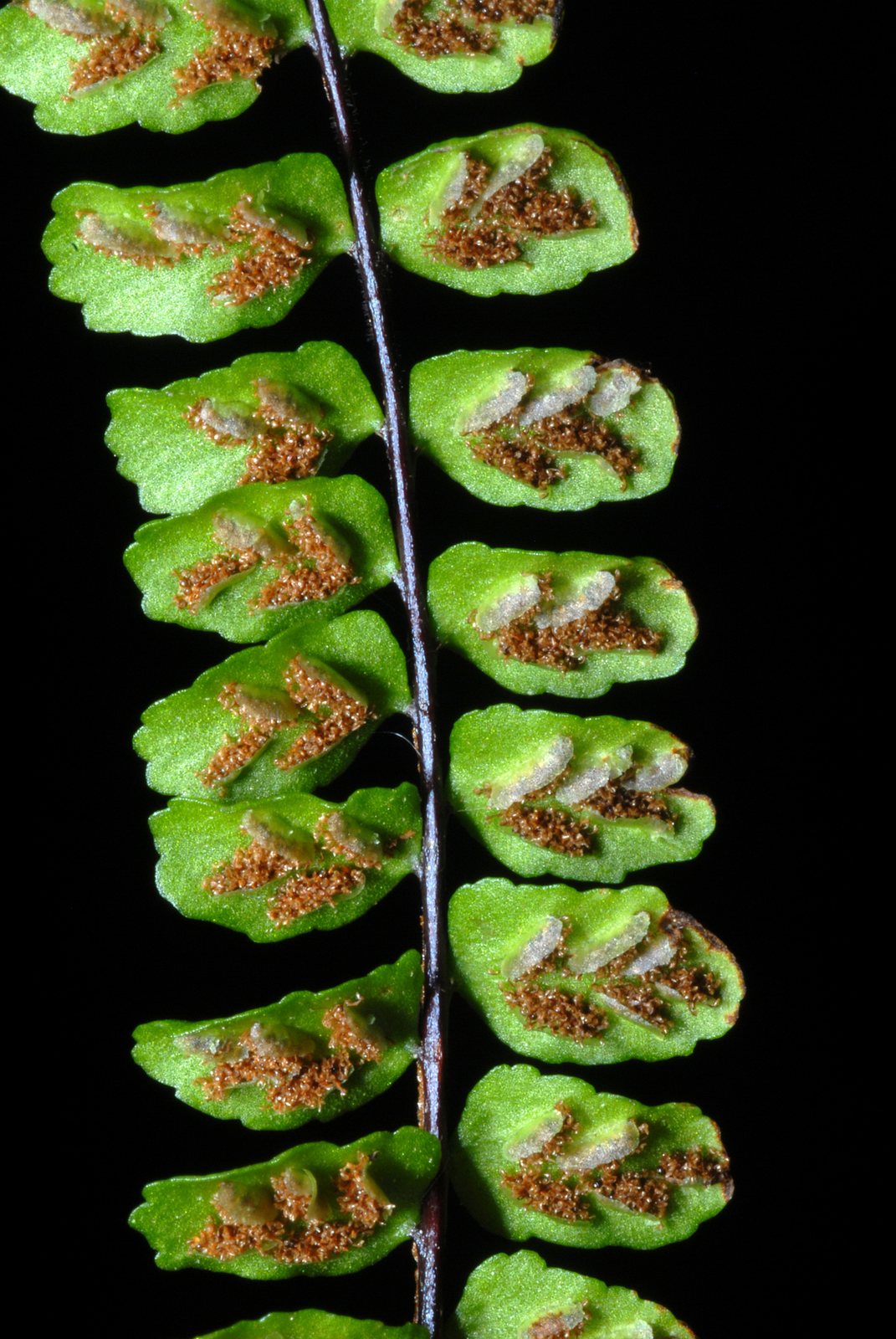
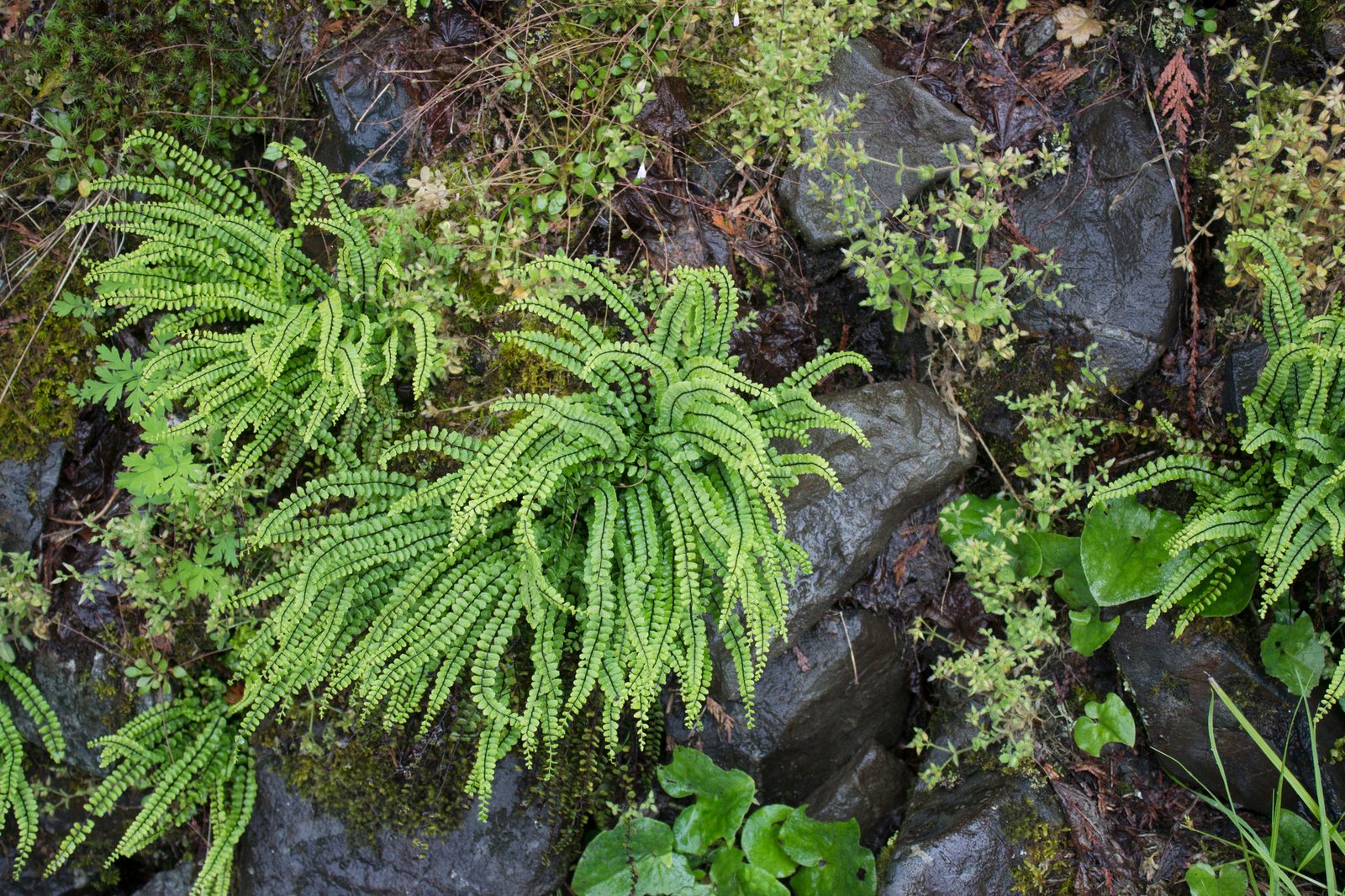
Maidenhair spleenwort is a small, usually evergreen fern with narrow fronds of rounded leaflets on dark, wiry stalks. Grow it for fine-textured foliage in shaded rock gardens, stone-wall crevices and small woodland pockets.
At a glance
- Sun
- Partial to full shade; tolerates gentle morning sun where the roots stay cool and moist.
- Water
- Keep evenly moist while establishing. Established plants tolerate short dry spells in sheltered crevices, but not prolonged drying or waterlogged soil.
- Soil
- Humus-rich, gritty, freely draining soil or rock crevices. Soil reaction preferences vary among subspecies; some favour limestone and mortar, while others grow on acidic rock.
- Height
- 0.25-0.75 ft (0.08-0.23 m)
- Spread
- 0.5-1 ft (0.15-0.3 m)
- Foliage
- Narrow, arching fronds with small, rounded to oval green leaflets arranged along dark brown or black stalks. Usually evergreen, though exposed fronds may deteriorate in severe winters.
- Growth
- Slow
- Care needed
- Low
The year at a glance
- Deer resistant
- Wildlife
- Low allergen
| J | F | M | A | M | J | J | A | S | O | N | D | |
|---|---|---|---|---|---|---|---|---|---|---|---|---|
| Plant |
Northern hemisphere months. In Australia, shift them by six.
- Difficulty
- Easy
- Toughness
- Very tough
Will it suit your garden?
Pick your zone, country, light and whether you have pets.
Full sun is 6 or more hours of direct sun a day, part shade 3 to 6 hours, shade under 3.
How it grows
Planting day
0.5 ft (0.16 m)
full size
About 5 years to full size.
From a typical nursery size, at an average rate for this kind of plant. A rule of thumb, not a forecast.
Good to know
- Cats and dogs
- Safe
- Native to
- the US, Canada and the UK
- Growth rate
- Slow
Care
Jobs through the year
- WaterApr–May, Sep–Oct, every 14 days
- Water established in-ground plants only during dry spells; keep new plantings evenly moist.
- WaterJun–Aug, every 7 days
- Water during prolonged dry weather; check wall crevices and containers more frequently.
- PruneMar
- Snip off dead or badly damaged fronds before new growth expands.
- MulchApr–May
- Add a thin dressing of leaf mould around, but not over, the crown.
- ProtectJan–Feb, Oct–Dec
- Remove wet leaf mats from the crown and keep drainage open.
- Plant with the crown at the soil surface, in a sheltered position out of strong afternoon sun.
- Water during establishment and prolonged dry weather, allowing excess water to drain freely.
- Add a light dressing of leaf mould around the plant in spring without covering the crown.
- Avoid heavy feeding; a little fresh leaf mould is usually sufficient.
- Keep fallen leaves from accumulating over the crown.
Pruning. In early spring, snip off dead or badly damaged fronds at their bases before new growth expands. Leave healthy green fronds in place.
Through the year
- Early spring
- Remove dead fronds and clear debris from around the crown.
- Spring
- Plant nursery-grown specimens in shaded, freely draining crevices or woodland soil.
- Late spring
- Apply a thin dressing of leaf mould around established plants.
- Summer
- Check plants in walls and containers during dry spells; water the root zone before it dries completely.
- Autumn
- Plant in mild districts while the soil remains warm, and keep newly planted ferns moist.
- Winter
- Check that drainage remains open and remove wet leaves covering the crown.
In the garden
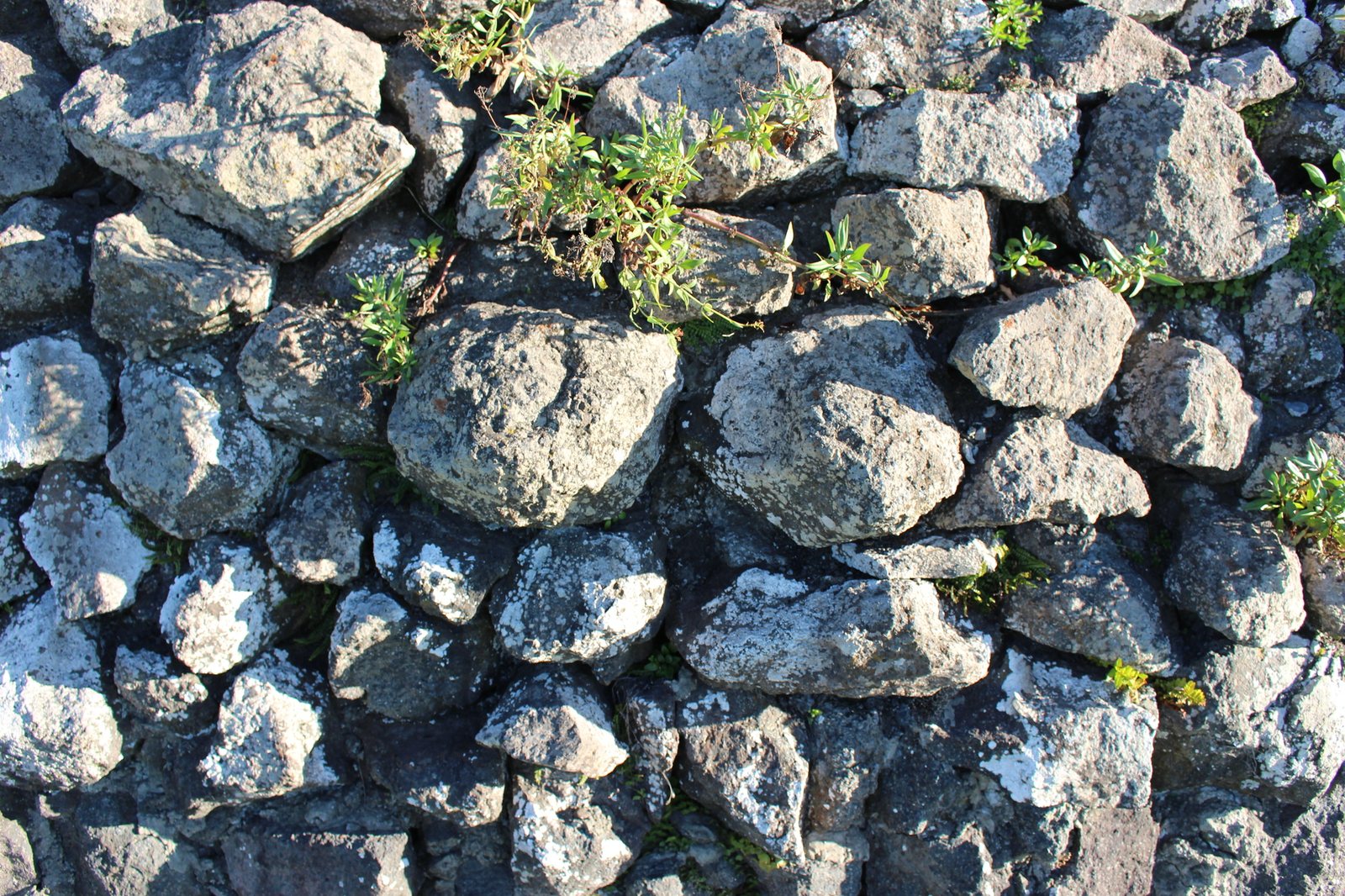
- Tuck into shaded dry-stone wall joints for small evergreen accents.
- Plant between rocks in a shaded rock garden, where its fine fronds soften stone edges.
- Use beside mosses and other small ferns along sheltered woodland paths.
- Grow in a shallow, well-drained trough for close-up foliage detail.
Garden styles it suits: Woodland, Moss and fern garden, Alpine rock garden, Cottage garden, Secret garden and Small-space.
Plant it with: Hart's-tongue fern, Polypody, Hardy cyclamen, Snowdrops and Mossy saxifrage.
Wildlife: Dense fronds provide small sheltered spaces for invertebrates. It has no flowers, nectar or pollen for pollinators.
Problems to watch for
- Brown, crisp fronds usually indicate drought, hot sun or drying wind; water the root zone and provide more shade or shelter.
- Crown rot can develop in stagnant, wet soil; improve drainage and keep mulch away from the crown.
- Slugs and snails may damage emerging fronds; inspect during damp evenings and remove them by hand.
- Poor growth can follow planting in unsuitable rock or soil; check the plant's provenance before adding lime, as subspecies differ in their preferences.
Safety
Not known to be toxic to people, cats, dogs or horses. No particular part is recognised as poisonous, but species-specific feeding information is limited; do not treat it as an edible plant.
Easily confused with
Green spleenwort (Asplenium viride)
Its central frond stalk is green above the brownish base; maidenhair spleenwort has a dark stalk running through most or all of the frond.
Maidenhair fern (Adiantum capillus-veneris)
It has branching fronds with fan-shaped leaflets, rather than narrow fronds with rounded leaflets in two rows.
Wall-rue (Asplenium ruta-muraria)
Its fronds are triangular and divided into small wedge-shaped segments, unlike the long, narrow fronds of maidenhair spleenwort.
The name
The common name refers to its slender, dark stalks, which resemble those of maidenhair ferns.
Propagation. Propagate from ripe spores sown on a clean, moist growing medium under cover; young plants develop slowly. Established plants may occasionally produce self-sown sporelings in suitable crevices. Buy nursery-grown plants rather than collecting from wild walls or rocks.
Checked against open data
- Accepted botanical name
- Asplenium trichomanes
- In the US and Canada
- Native in Alaska, Canada, Greenland, Hawaii, Hawaii and the lower 48 states. Introduced in Hawaii.
- Native range
- Afghanistan, Alabama, Alaska, Albania, Alberta, Algeria, Altay, Arizona, Arkansas, Austria, Azores and Baleares.
- Measured
- Average height 19 cm.
Sources: GBIF (CC BY 4.0), USDA PLANTS and Trefle (CC BY 4.0). The care and design notes are LandscapeGPT's own.
See it in your own yard.
Upload a photo of your yard and see it redesigned with plants that suit your climate, each checked against your zone.