Milk parsley
Selinum wallichianum. Family Apiaceae. Perennial.
Also called Wallich milk parsley, Wallich's milk parsley.
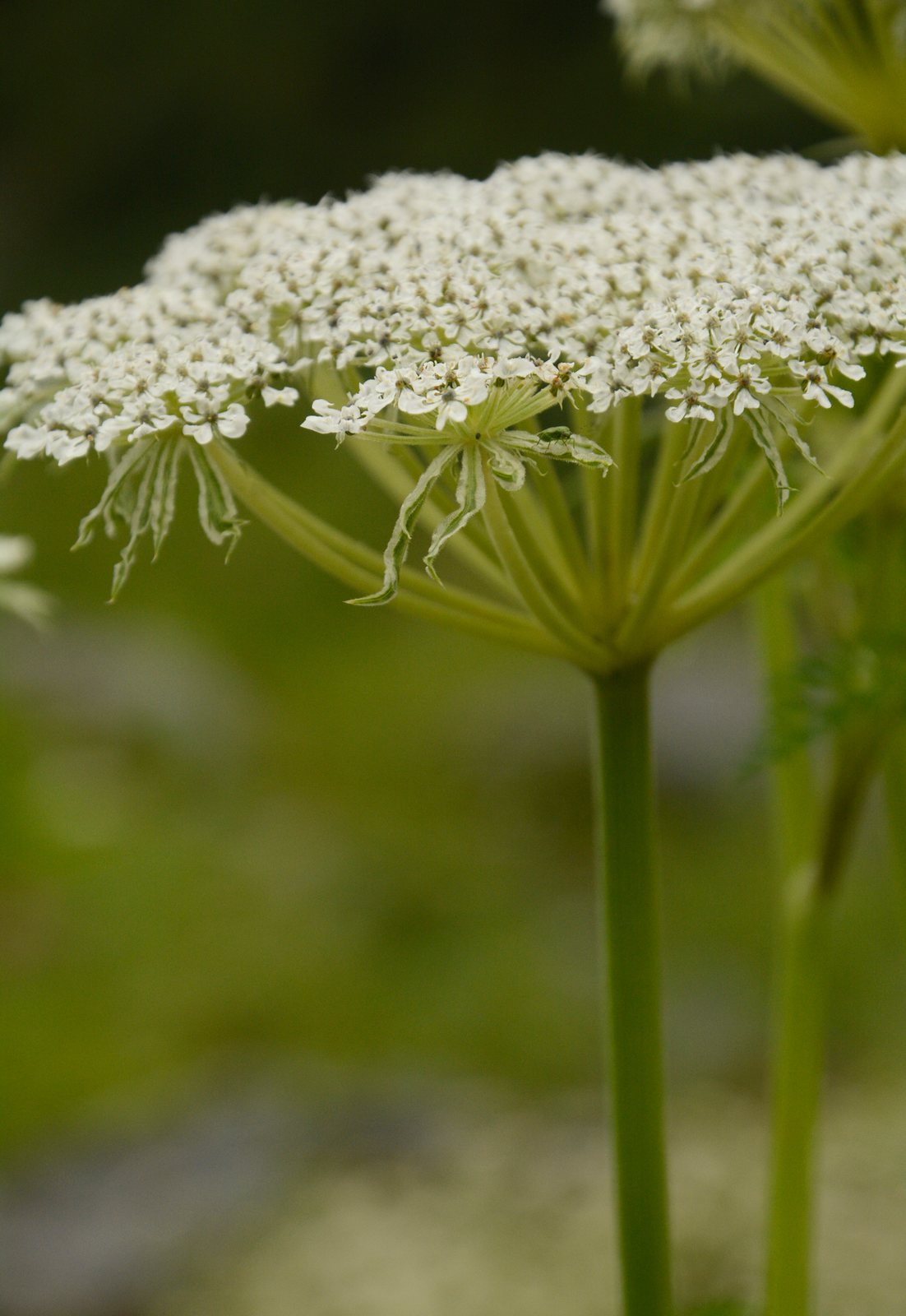
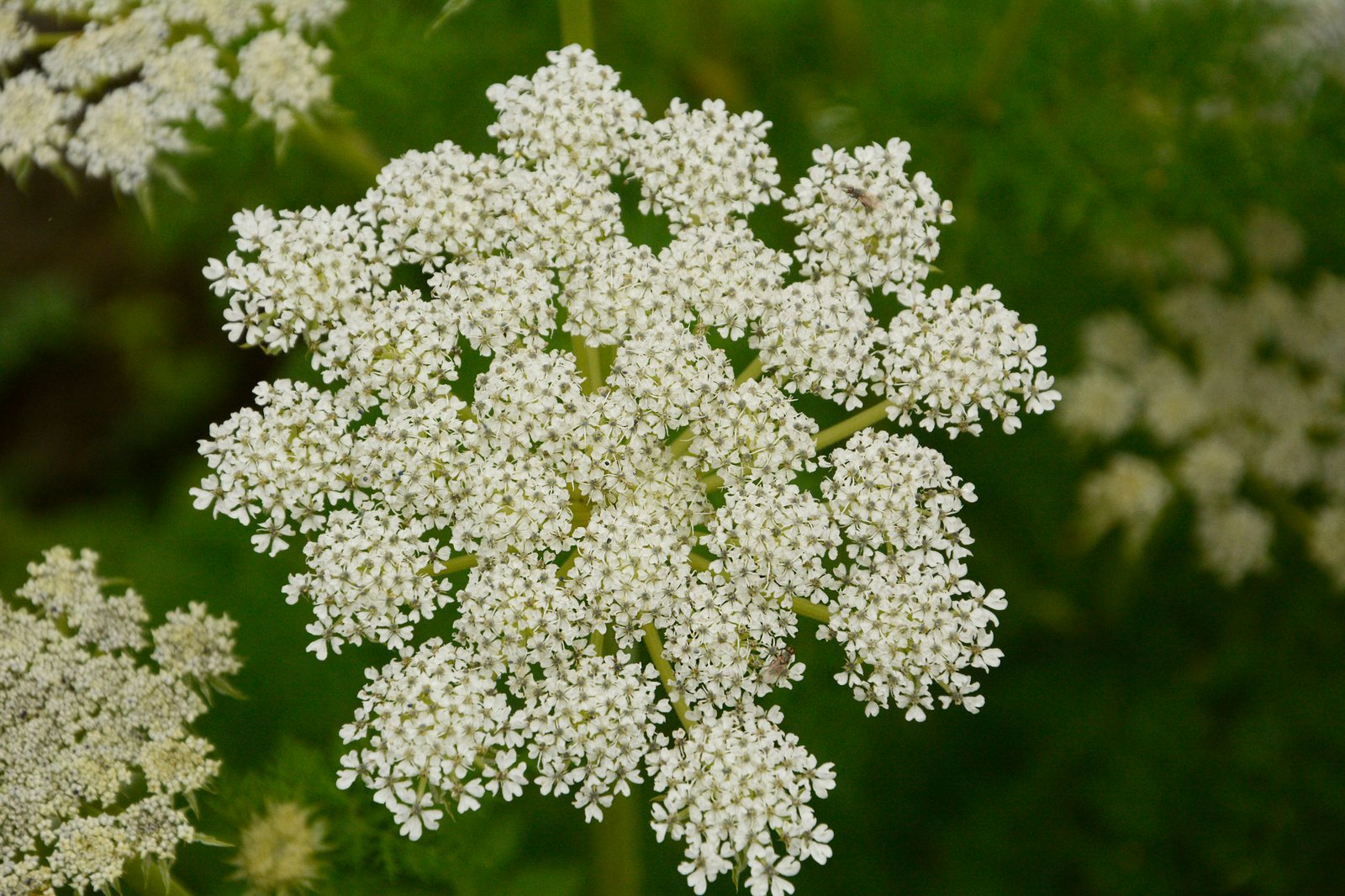
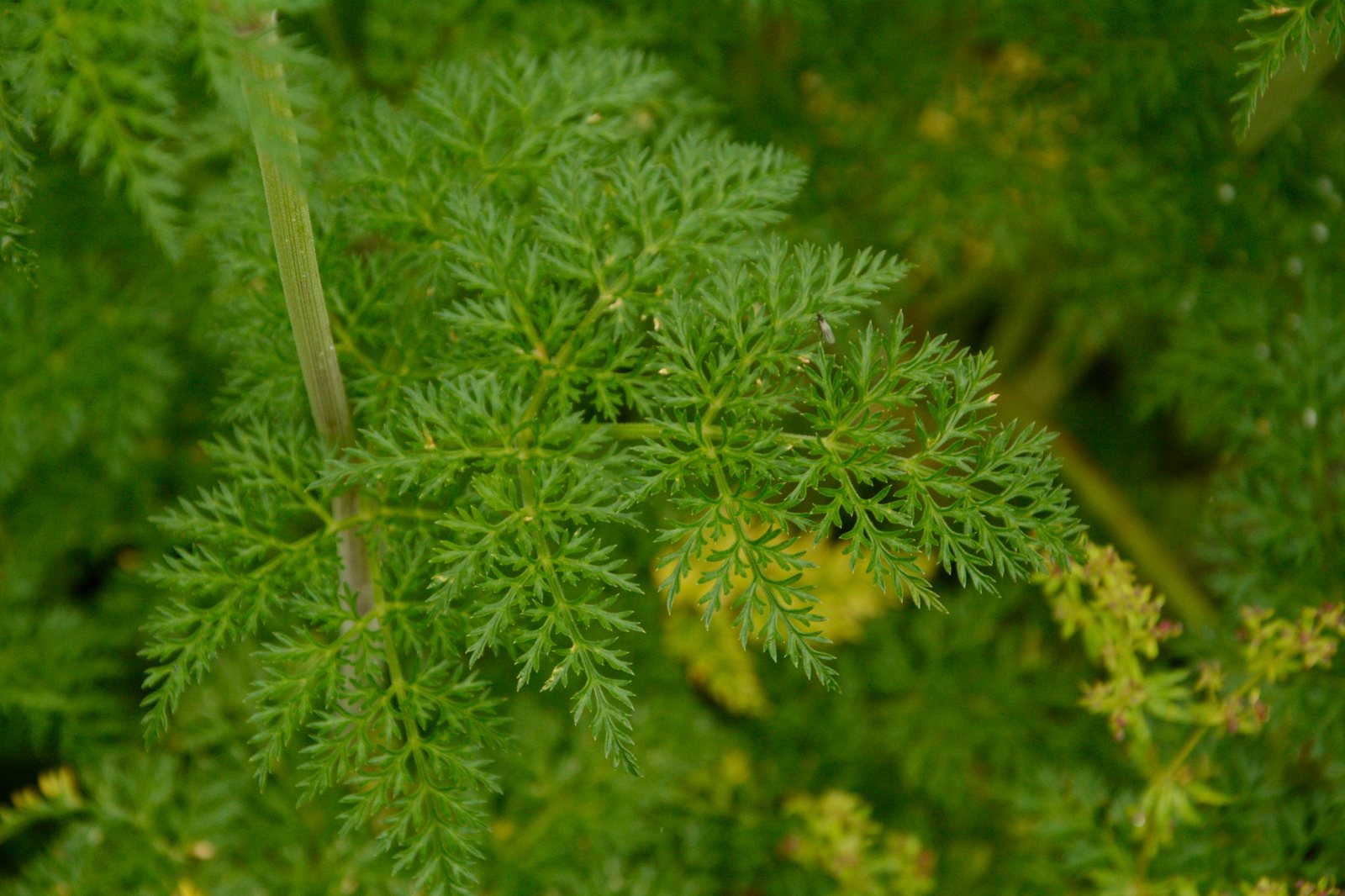
Milk parsley is a deciduous Himalayan perennial grown for its finely divided, fern-like leaves and broad, airy heads of tiny white flowers. It brings a light, layered effect to borders in late summer and early autumn, but needs moisture-retentive soil and time to establish.
At a glance
- Sun
- Full sun or partial shade; give afternoon shade in warmer gardens.
- Water
- Keep the root zone evenly moist, especially during establishment and dry summers, without leaving it waterlogged.
- Soil
- Humus-rich, moisture-retentive but well-drained soil; tolerates acidic, neutral and alkaline conditions.
- Height
- 3-5 ft (0.9-1.5 m)
- Spread
- 1.5-3 ft (0.45-0.9 m)
- Flowers
- Late summer to early autumn; tiny white flowers in broad, branching umbels.
- Foliage
- Finely divided, bright to mid-green leaves form a fern-like mound beneath upright flowering stems.
- Growth
- Slow to establish, then moderate; allow several seasons for a substantial clump.
- Care needed
- Medium
The year at a glance
- Pollinators
- Low allergen
| J | F | M | A | M | J | J | A | S | O | N | D | |
|---|---|---|---|---|---|---|---|---|---|---|---|---|
| Flowers | ||||||||||||
| Fruit | ||||||||||||
| Plant |
Northern hemisphere months. In Australia, shift them by six.
- Difficulty
- Moderate
- Toughness
- Fairly tough
Will it suit your garden?
Pick your zone, country, light and whether you have pets.
Full sun is 6 or more hours of direct sun a day, part shade 3 to 6 hours, shade under 3.
How it grows
Planting day
1 ft (0.3 m)
After 1 year
1.7 ft (0.53 m)
After 2 years
2.5 ft (0.76 m)
After 3 years
3 ft (0.99 m)
After 5 years
4 ft (1.2 m)
full size
About 4 years to full size.
From a typical nursery size, at an average rate for this kind of plant. A rule of thumb, not a forecast.
Good to know
- Cats and dogs
- Safe
- Growth rate
- Slow
Care
Jobs through the year
- WaterApr–May, Sep–Oct, every 14 days
- Water established clumps deeply if rain is insufficient; keep new plants consistently moist.
- WaterJun–Aug, every 7 days
- Water established clumps deeply in dry weather; do not let the root zone dry out.
- MulchMar–Apr
- Apply compost or leaf mould around the clump, leaving the crown uncovered.
- ProtectMay–Jun
- Fit discreet supports before stems grow tall in exposed sites.
- ProtectMar–May
- Check emerging shoots for slugs and snails and protect where needed.
- DeadheadSep–Oct
- Remove fading umbels before seed ripens only if seedlings are unwanted.
- PruneFeb–Mar
- Cut dead stems to ground level before new growth starts.
- DivideMar–Apr
- Divide only if essential; established clumps are best left undisturbed.
- Work compost or leaf mould into the planting area before planting.
- Water deeply during dry spells; do not let newly planted clumps dry out.
- Mulch in spring with compost or leaf mould, keeping the crown uncovered.
- Avoid heavy nitrogen feeding, which can encourage floppy growth.
- Use discreet supports in exposed sites before the flower stems reach full height.
- Leave established clumps undisturbed unless division is necessary.
Pruning. Cut dead stems to ground level in late winter or early spring before new growth appears. Remove spent flower heads sooner if you want to limit seedlings.
Through the year
- Late winter
- Cut down old stems before fresh growth starts.
- Spring
- Plant container-grown plants and mulch with compost or leaf mould.
- Late spring
- Install discreet supports where wind or neighbouring plants may push stems over.
- Summer
- Water during dry spells to prevent the soil drying out around the roots.
- Late summer
- Leave flowers for visiting insects; remove fading heads only if seedlings are unwanted.
- Autumn
- Sow fresh ripe seed in pots outdoors and leave exposed to winter cold.
In the garden
- Plant through the middle or back of a mixed border, where the white flower heads can rise above lower foliage.
- Combine with ornamental grasses and late-flowering perennials for a loose, layered planting.
- Use beside a lightly shaded woodland edge with ferns and other moisture-loving perennials.
- Repeat small groups through a white or cool-coloured border to connect heavier flower shapes.
Garden styles it suits: English country, Cottage garden, New perennial (prairie), Woodland, Pollinator garden and White garden.
Plant it with: Japanese anemone, Meadow rue, Astrantia, Purple moor grass, Hardy geranium and Lady fern.
Wildlife: The open flower heads provide accessible nectar and pollen for bees, hoverflies and other small insects.
Problems to watch for
- Dry soil can cause wilting, scorched foliage and poor flowering; water deeply and apply an organic mulch.
- Winter waterlogging can rot the crown; improve drainage or move the plant to a better-drained position.
- Slugs and snails may eat emerging shoots; check young growth and use barriers or locally approved controls as needed.
- Flower stems may flop in exposed or heavily shaded sites; provide early support and avoid excessive feeding.
Safety
Not known to be toxic to people, cats, dogs or horses, although species-specific safety information is limited. It is an ornamental, not a culinary herb; do not eat any part, especially because it can be confused with poisonous members of the parsley family.
Easily confused with
Cow parsley (Anthriscus sylvestris)
Cow parsley usually flowers in spring or early summer and has more open flower heads. Milk parsley normally flowers later and develops a dense mound of particularly finely divided foliage.
Poison hemlock (Conium maculatum)
Poison hemlock typically has smooth, hollow stems with irregular purple blotches and is a tall biennial rather than a persistent clump-forming perennial. It is deadly poisonous;
The name
The species name wallichianum honours Nathaniel Wallich, a botanist associated with the study of plants of the Indian subcontinent.
Propagation. Sow fresh seed in autumn in pots kept outdoors; germination can be slow and irregular and may follow a period of winter cold. Established clumps can be divided carefully in spring, but disturbance may set them back.
Checked against open data
- Accepted botanical name
- Ligusticopsis wallichiana Selinum wallichianum is an older name for Ligusticopsis wallichiana.
- Native range
- Assam, China South-Central, East Himalaya, Myanmar, Nepal, Pakistan, Tibet and West Himalaya.
Sources: GBIF (CC BY 4.0) and Trefle (CC BY 4.0). The care and design notes are LandscapeGPT's own.
See it in your own yard.
Upload a photo of your yard and see it redesigned with plants that suit your climate, each checked against your zone.