Mother spleenwort
Asplenium bulbiferum. Family Aspleniaceae. Fern.
Also called Mother fern, Hen and chickens fern, Hen and chicken fern.
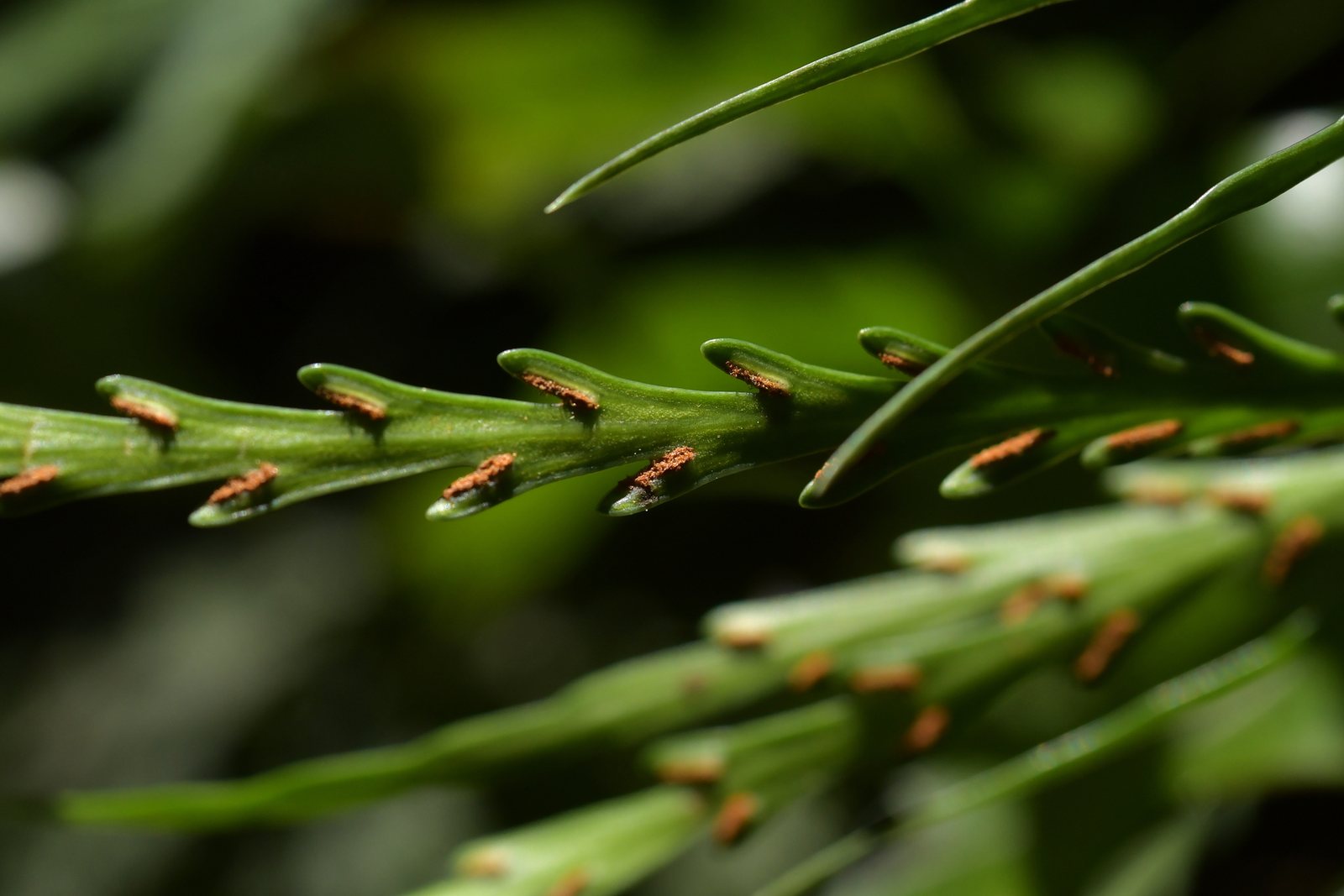
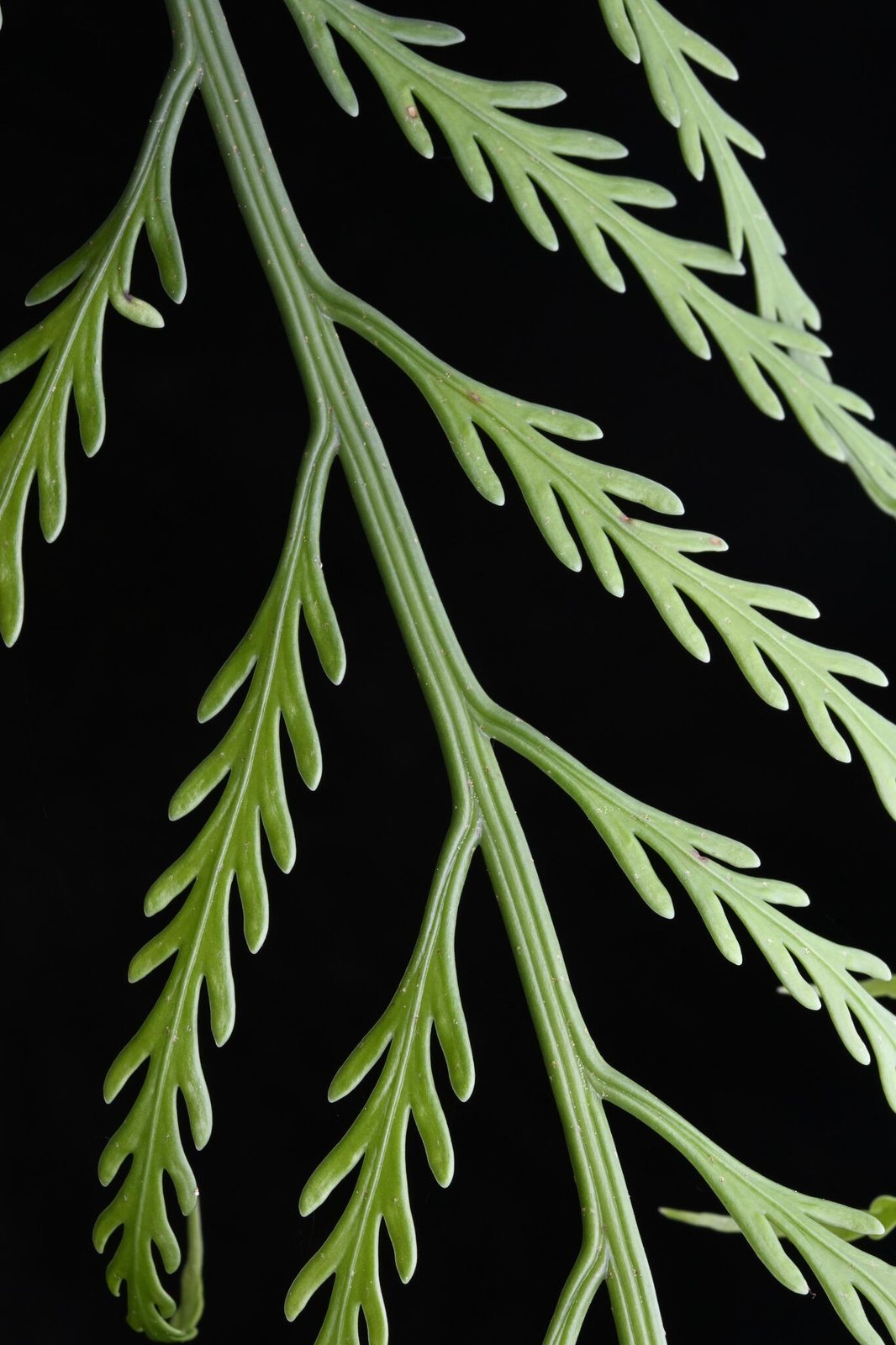
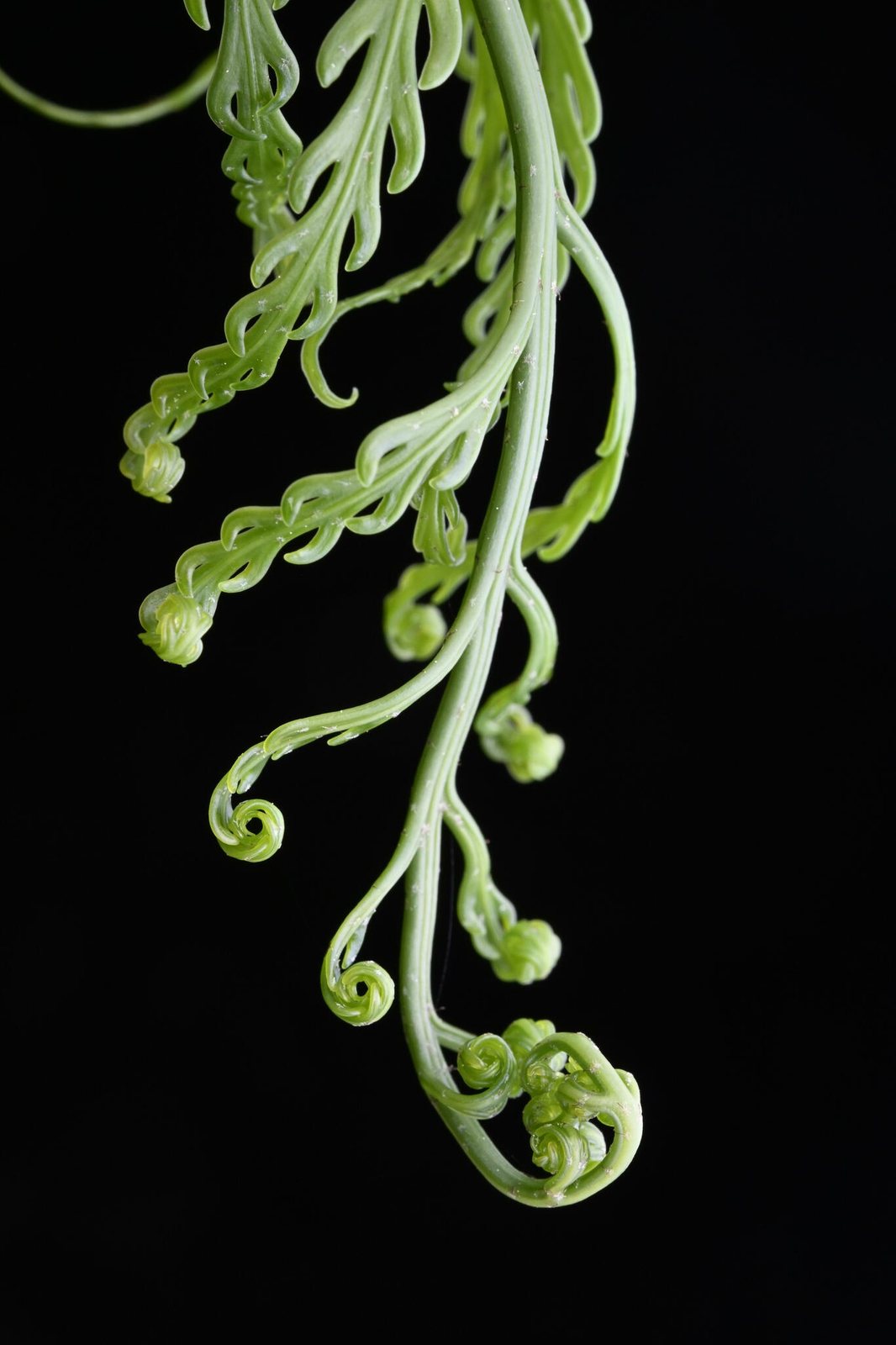
Mother spleenwort is an evergreen fern grown for its arching, finely divided green fronds and the small plantlets that develop on them. It brings soft texture to sheltered, shady gardens in mild climates; in colder areas, grow it in a container and overwinter it indoors.
At a glance
- Sun
- Partial to full shade; protect from strong afternoon sun.
- Water
- Keep evenly moist but not waterlogged. Container plants need watering before the compost dries out completely.
- Soil
- Humus-rich, moisture-retentive soil with good drainage; slightly acidic to neutral conditions are suitable.
- Height
- 2-3 ft (0.6-0.9 m)
- Spread
- 2-4 ft (0.6-1.2 m)
- Foliage
- Evergreen. Soft, bright to mid-green, finely divided fronds arch from a central crown. Mature fronds can carry small plantlets on their upper surfaces.
- Growth
- Moderate
- Care needed
- Medium
The year at a glance
- Wildlife
| J | F | M | A | M | J | J | A | S | O | N | D | |
|---|---|---|---|---|---|---|---|---|---|---|---|---|
| Plant |
Northern hemisphere months. In Australia, shift them by six.
- Difficulty
- Moderate
- Toughness
- Needs looking after
Will it suit your garden?
Pick your zone, country, light and whether you have pets.
Full sun is 6 or more hours of direct sun a day, part shade 3 to 6 hours, shade under 3.
How it grows
Planting day
1 ft (0.3 m)
After 1 year
1.5 ft (0.45 m)
After 2 years
2 ft (0.6 m)
After 3 years
2.5 ft (0.75 m)
full size
About 3 years to full size.
From a typical nursery size, at an average rate for this kind of plant. A rule of thumb, not a forecast.
Good to know
- Cats and dogs
- Safe
- Growth rate
- Moderate
Care
Jobs through the year
- WaterApr–May, Sep–Oct, every 7 days
- Keep established plants evenly moist; containers and young plants need more frequent checks.
- WaterJun–Aug, every 3 days
- Water at soil level when the surface begins drying; maintain moisture without waterlogging.
- WaterJan–Mar, Nov–Dec, every 14 days
- Under frost-free cover, water sparingly when needed without letting the root ball dry out.
- FeedMay–Sep, every 30 days
- Feed container plants with half-strength balanced liquid fertiliser while actively growing.
- MulchApr
- Apply leaf mould or fine compost, keeping the crown uncovered.
- PruneMar–Apr
- Cut dead or damaged fronds at their bases; retain healthy green fronds.
- ProtectJun–Aug
- Shelter from strong afternoon sun and drying winds.
- ProtectJan–Apr, Oct–Dec
- Not reliably hardy here; overwinter containers in bright, frost-free shelter away from heaters.
- Water at soil level to keep the root zone consistently moist, without leaving pots standing in water.
- Apply leaf mould or fine compost around outdoor plants in spring, keeping it clear of the crown.
- Feed container plants monthly during active growth with a balanced liquid fertiliser at half strength.
- Shelter from drying wind, hot sun and exposed frost pockets.
- Move containers into a bright, frost-free room before frost; keep them away from radiators and heating vents.
Pruning. Remove brown, damaged or dead fronds at their bases in spring or whenever needed, using clean secateurs. Leave healthy green fronds intact rather than cutting the whole plant back.
Through the year
- Spring
- Remove damaged fronds and refresh the surface mulch without covering the crown.
- Spring
- Plant or repot once frost risk has passed, using a humus-rich, freely draining growing medium.
- Late spring
- Begin dilute feeding for container plants as new fronds expand.
- Summer
- Check soil moisture frequently during hot or windy weather and maintain shade.
- Summer
- Peg a frond carrying developed plantlets onto moist compost to encourage rooting.
- Autumn
- Bring containers under frost-free cover before cold weather and stop feeding as growth slows.
- Winter
- Water sheltered plants sparingly but do not let the root ball dry out completely.
In the garden
- Plant beneath trees and shrubs where the soil stays moist, using its fine fronds to soften larger leaves.
- Use in a sheltered courtyard container beside hostas or other shade-loving foliage plants.
- Repeat small groups along a shaded path for a low, arching green edge.
- Combine with mosses and shade-tolerant groundcovers in a humid woodland-style corner.
Garden styles it suits: Woodland, Green on green, Secret garden, Modern courtyard, Tropical and Moss and fern garden.
Plant it with: Hosta, Hellebore, Barrenwort, Japanese forest grass and Soft shield fern.
Wildlife: Dense fronds provide sheltered, humid cover for small invertebrates. It produces neither flowers nor nectar.
Problems to watch for
- Brown, crisp frond edges usually indicate dry soil, drying wind or low indoor humidity; restore even moisture and move the plant to a more sheltered position.
- Bleached or scorched fronds indicate excessive direct sun; provide shade, especially during the afternoon.
- Yellowing fronds and a soft crown can follow waterlogging; improve drainage, empty pot saucers and avoid burying the crown.
- Scale insects or mealybugs may infest plants under cover; inspect frond undersides and remove small infestations by hand, using a labelled treatment if needed.
Safety
Not known to be toxic to cats, dogs, horses or people. No part is recognised as poisonous, but it is not a food plant and eating foliage may cause digestive upset.
Easily confused with
Shining mother fern (Asplenium × lucrosum)
This hybrid is often sold as mother fern. Its fronds are generally glossier, thicker and more coarsely divided than those of true Asplenium bulbiferum; both can produce plantlets.
The name
The species name bulbiferum means bulb-bearing, referring to the small plantlets on the fronds, which also explain the common name mother spleenwort.
Propagation. Root the plantlets produced on mature fronds. Peg a plantlet-bearing frond onto moist potting compost, keep it shaded and humid, and separate the young plants once they have rooted securely. Spores are another, slower option.
Checked against open data
- Accepted botanical name
- Asplenium bulbiferum
- Native range
- Antipodean Is., Chatham Is., Marianas, New Zealand North and New Zealand South.
- Measured
- Average height 45 cm.
Sources: GBIF (CC BY 4.0) and Trefle (CC BY 4.0). The care and design notes are LandscapeGPT's own.
See it in your own yard.
Upload a photo of your yard and see it redesigned with plants that suit your climate, each checked against your zone.