Musk mallow
Malva moschata. Family Malvaceae. Perennial.
Also called Musk-mallow.
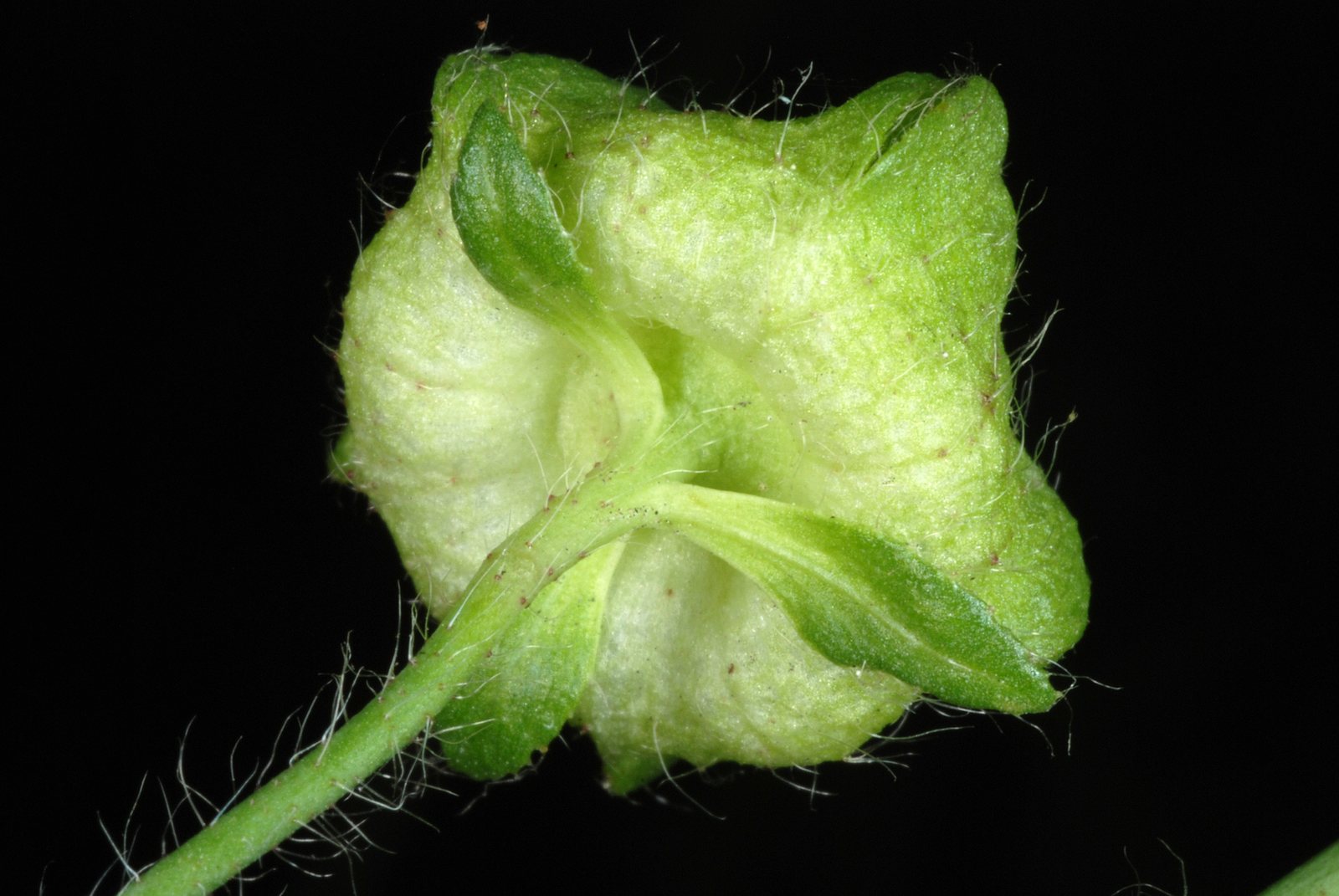
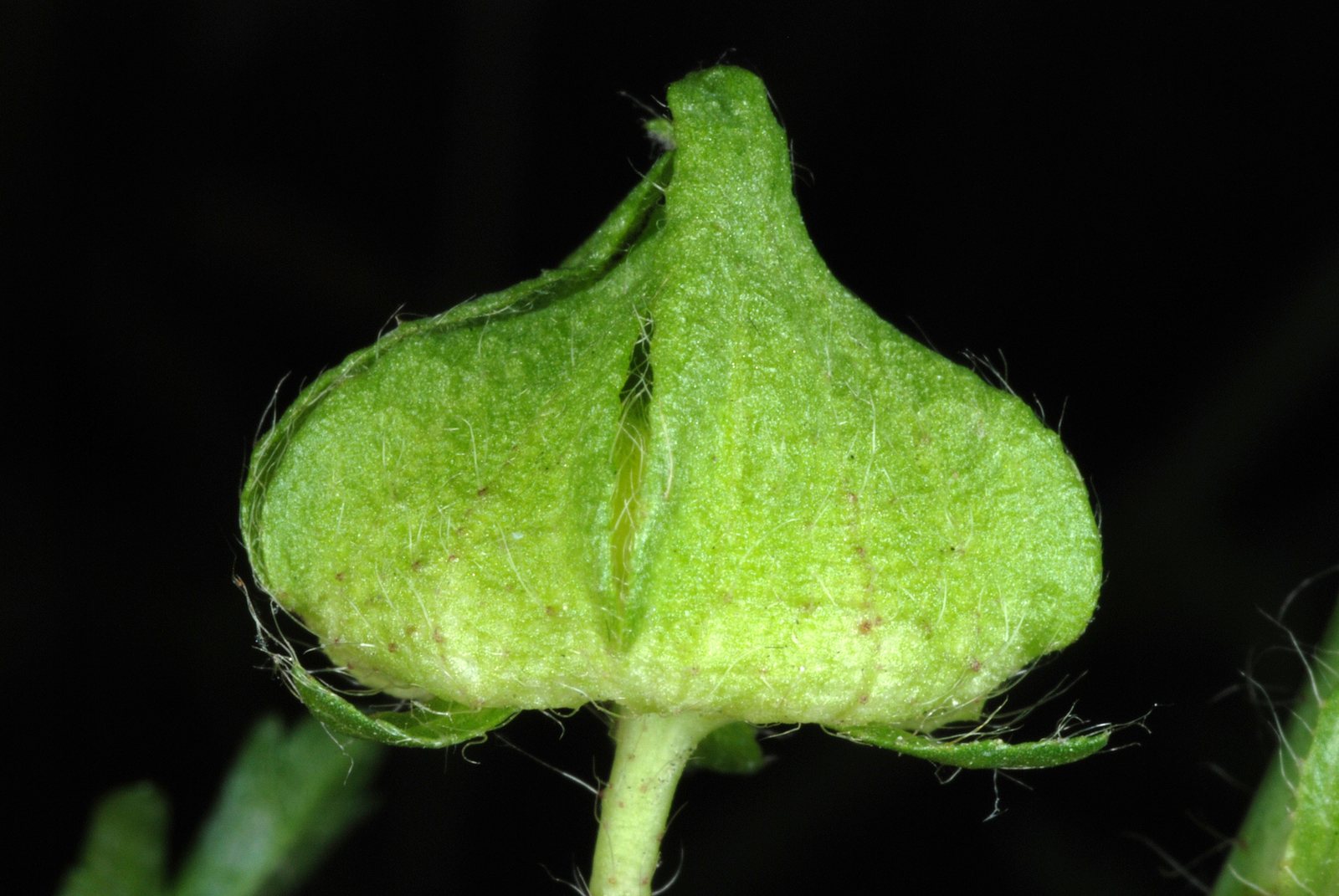
Musk mallow (Malva moschata) is a short-lived perennial grown for its open, pale pink flowers and finely divided leaves. It brings a loose, informal look to sunny borders and often maintains its place by self-seeding.
At a glance
- Sun
- Full sun is best; tolerates light shade but may flower less and lean.
- Water
- Water regularly while establishing; established plants tolerate short dry spells. Avoid persistently wet soil.
- Soil
- Well-drained soil, including sandy, chalky or moderately fertile loam; tolerates acid, neutral and alkaline conditions.
- Height
- 2-3 ft (0.6-0.9 m)
- Spread
- 1-2 ft (0.3-0.6 m)
- Flowers
- Summer to early autumn; pale pink, five-petalled flowers, with white-flowered forms also available.
- Foliage
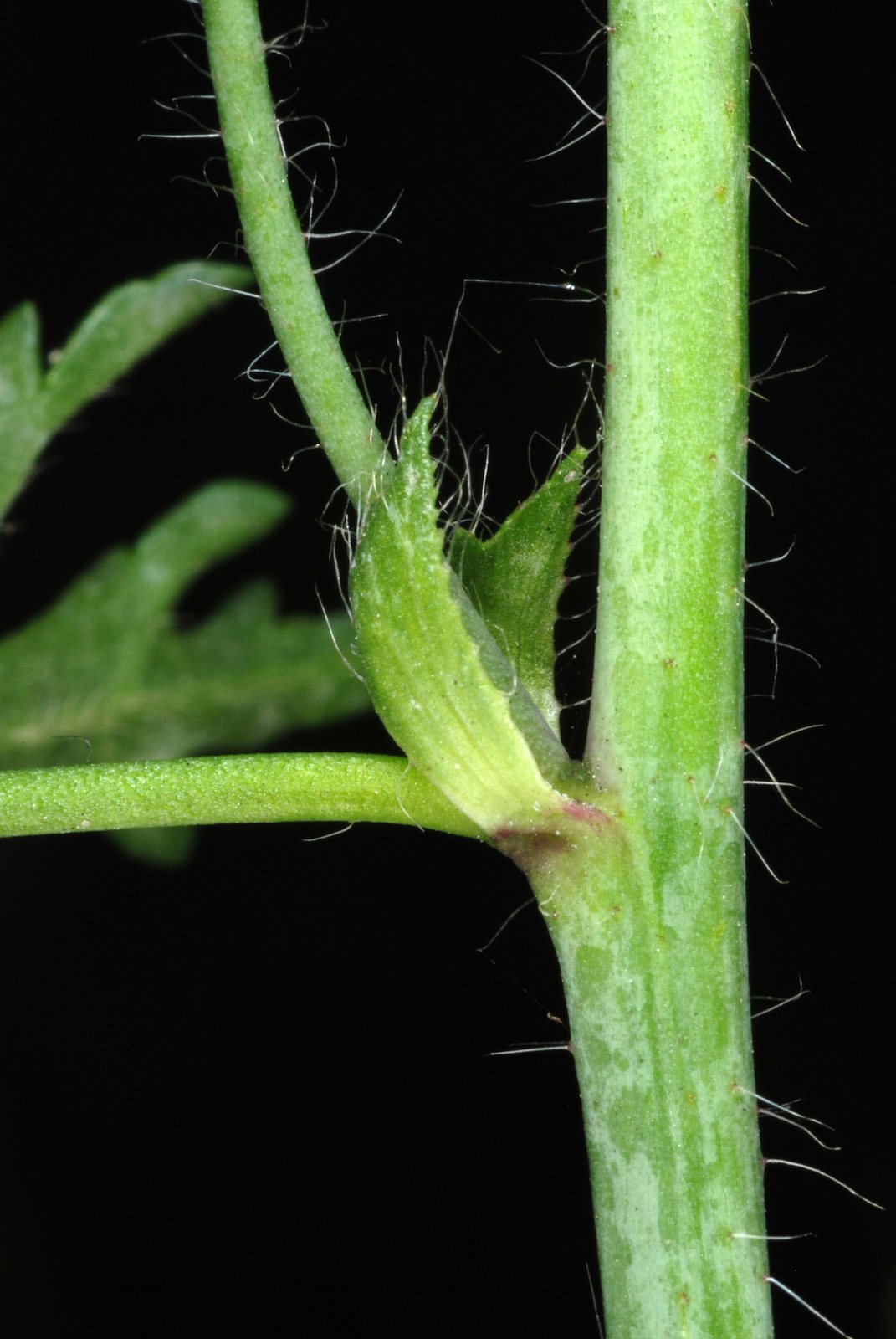
- Green leaves, rounded and shallowly lobed near the base, becoming deeply cut and feathery higher on the stems; sometimes faintly musky when crushed.
- Growth
- Fast; seed-grown plants may flower in their first year if sown early.
- Care needed
- Low
The year at a glance
- Pollinators
- Cold hardy
- Wildlife
- Low allergen
| J | F | M | A | M | J | J | A | S | O | N | D | |
|---|---|---|---|---|---|---|---|---|---|---|---|---|
| Flowers | ||||||||||||
| Plant |
Northern hemisphere months. In Australia, shift them by six.
- Difficulty
- Easy
- Toughness
- Fairly tough
Will it suit your garden?
Pick your zone, country, light and whether you have pets.
Full sun is 6 or more hours of direct sun a day, part shade 3 to 6 hours, shade under 3.
How it grows
Planting day
1 ft (0.3 m)
After 1 year
1.7 ft (0.53 m)
After 2 years
2.5 ft (0.75 m)
full size
About 2 years to full size.
From a typical nursery size, at an average rate for this kind of plant. A rule of thumb, not a forecast.
Good to know
- Cats and dogs
- Safe
- Native to
- the UK
- In the garden
- Spreads vigorously: plan to contain it.
- Growth rate
- Fast
Care
Jobs through the year
- WaterApr–May, Sep, every 14 days
- Water established plants if soil is dry; water seedlings and new plants more frequently.
- WaterJun–Aug, every 10 days
- Water established plants during extended dry spells without leaving soil persistently wet.
- PruneFeb–Mar
- Cut remaining dead stems to ground level.
- DeadheadJun–Sep, every 7 days
- Remove faded flowers to extend bloom; retain only a few seed heads if replacement plants are wanted.
- ProtectMar–May, every 7 days
- Check seedlings for slug damage and use barriers or wildlife-conscious controls where needed.
- ProtectMay–Sep, every 14 days
- Remove rust-affected and fallen leaves, improve airflow and pull unwanted seedlings.
- ProtectOct–Nov
- Keep mulch and fallen leaves clear of the crown to reduce winter rot.
- Water new plants during dry weather until their roots are established.
- Avoid rich feeding; excessive fertility encourages floppy growth.
- Keep mulch clear of the crown, especially where winters are wet.
- Support leaning stems with twiggy branches in exposed positions.
- Remove unwanted seedlings while small, before their roots become established.
Pruning. Remove faded flowers through summer to extend flowering and limit self-seeding. Cut dead stems to ground level in late winter or early spring, or after flowering if you need to prevent seed production.
Through the year
- Early spring
- Cut back remaining dead stems and remove unwanted seedlings.
- Spring
- Sow seed or plant young plants in a sunny, well-drained position.
- Late spring
- Add discreet twiggy supports if stems begin to lean.
- Summer
- Deadhead regularly and water new plants during prolonged dry spells.
- Late summer
- Allow a few seedheads to ripen if you want replacement plants; remove the rest.
- Autumn
- Plant out young seedlings where winters are mild and soil drains freely; otherwise wait until spring.
In the garden
- Plant in small groups through cottage borders with cranesbills and catmint for a soft summer display.
- Use among ornamental grasses and yarrow in informal, meadow-style planting where self-seeding is welcome.
- Place beside paths or low fences where its finely cut foliage and open flowers can be seen closely.
- Combine white-flowered forms with white daisies and silver foliage in a pale evening border.
Garden styles it suits: Cottage garden, English country, Wildflower, Pollinator garden, Romantic rose garden and Pastel border.
Plant it with: Catmint, Hardy geranium, Yarrow, Oxeye daisy, Meadow sage and Tufted hair grass.
Wildlife: The open flowers provide pollen and nectar for bees and other visiting insects.
Problems to watch for
- Mallow rust causes orange-brown pustules and damaged leaves: remove affected foliage, clear fallen leaves and improve air circulation; replace badly affected plants.
- Aphids cluster on soft shoots: wash them off with water and encourage ladybirds and other predators.
- Slugs and snails damage seedlings: protect young plants with barriers or wildlife-conscious slug controls.
- Flopping or crown rot occurs in rich, shady or wet sites: move replacement plants to full sun and freely draining soil, and avoid heavy feeding.
Safety
Not known to be toxic to people, cats, dogs or horses. No part is generally recognized as poisonous, although eating unfamiliar plants can still cause stomach upset.
Where it spreads. Self-seeds freely and has escaped cultivation into roadsides and grassland in parts of the northeastern United States and eastern Canada. It can become locally weedy; remove seedheads and avoid planting beside sensitive natural grassland where it is non-native.
Easily confused with
Common mallow (Malva sylvestris)
Usually has broader, less deeply divided upper leaves and stronger purple-pink flowers with conspicuous dark veins.
Hollyhock (Alcea rosea)
Usually much taller, with large, broad leaves and larger flowers arranged along upright spikes rather than the loose, branching stems of musk mallow.
The name
Malva is the Latin name for mallow, while moschata means musky, referring to the plant's faint scent.
Propagation. Raise from seed sown in spring or autumn. Germination can be uneven; gently nicking or lightly abrading the seed coat can help. Move seedlings while young, as established plants dislike root disturbance.
Checked against open data
- Accepted botanical name
- Malva moschata
- In the US and Canada
- Introduced in Canada and the lower 48 states.
- Native range
- Albania, Austria, Belarus, Belgium, Bulgaria, Corse, Czechoslovakia, France, Germany, Great Britain, Greece and Italy.
- Measured
- Soil pH 5.5 to 6.5. Average height 15 cm.
Sources: GBIF (CC BY 4.0), USDA PLANTS and Trefle (CC BY 4.0). The care and design notes are LandscapeGPT's own.
See it in your own yard.
Upload a photo of your yard and see it redesigned with plants that suit your climate, each checked against your zone.