Napa cabbage
Brassica rapa subsp. pekinensis. Family Brassicaceae. Annual.
Also called Chinese cabbage, Chinese leaf, Wombok, Peking cabbage.
Napa cabbage (Brassica rapa subsp. pekinensis) forms an upright head of crinkled leaves with broad, crisp white ribs. Grown as an annual, it provides mild leaves for salads, stir-fries and kimchi, with the most dependable heads usually produced as the weather cools in late summer and autumn.
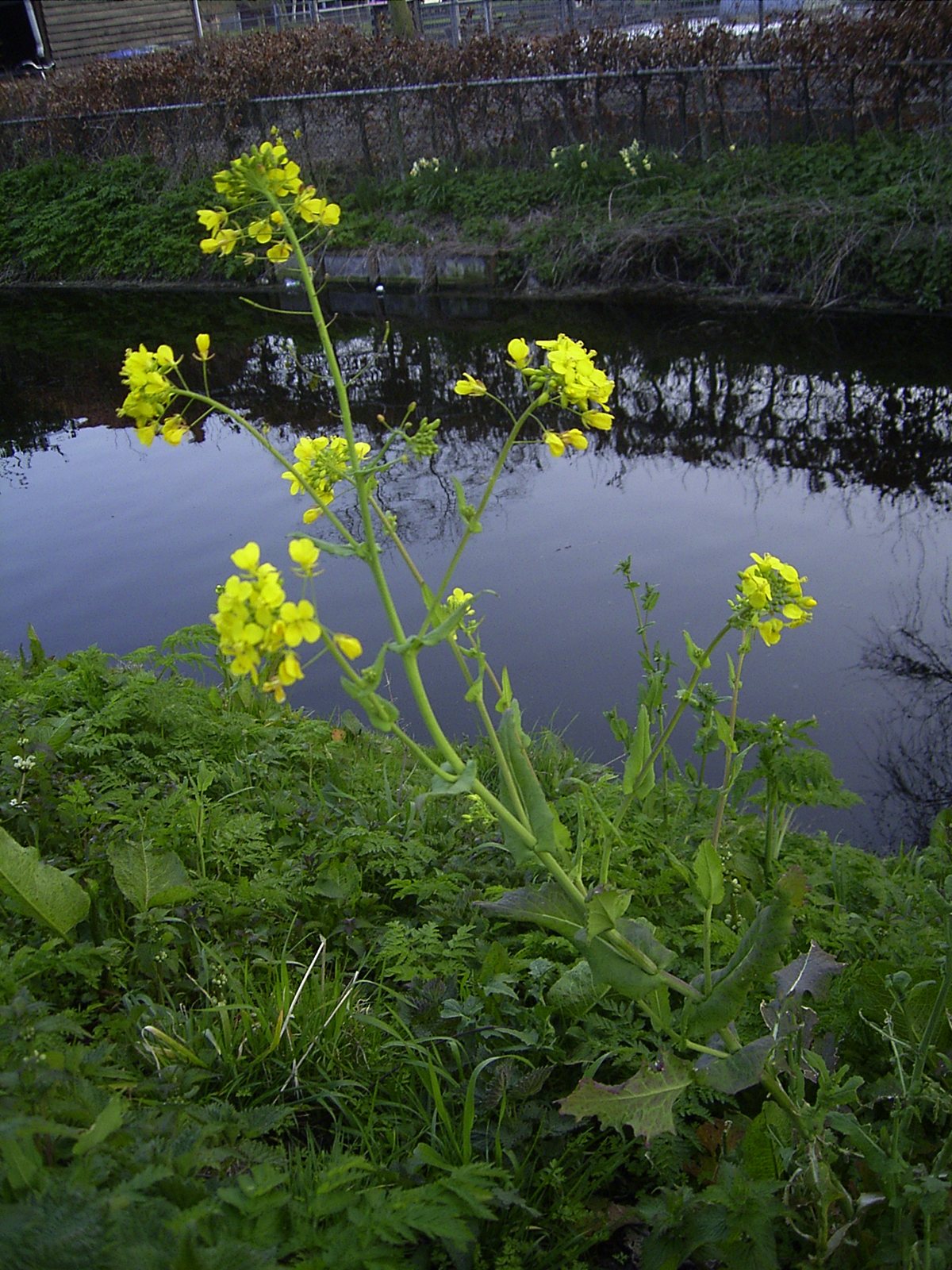
At a glance
- Sun
- Full sun in cool weather; light afternoon shade can help in warmer conditions.
- Water
- Keep evenly moist, supplying about 1-1.5 in (2.5-4 cm) of water weekly, including rain; avoid waterlogged soil.
- Soil
- Fertile, moisture-retentive but well-drained soil, ideally pH 6.0-7.5.
- Height
- 1-2 ft (0.3-0.6 m)
- Spread
- 1-1.5 ft (0.3-0.45 m)
- Foliage
- Broad, wrinkled, pale to medium-green outer leaves surround yellow-green inner leaves, with wide white ribs forming an elongated or barrel-shaped head.
- Growth
- Fast; many varieties reach harvest in roughly 60-90 days from sowing, depending on conditions.
- Care needed
- Medium
The year at a glance
- Low allergen
- Edible
| J | F | M | A | M | J | J | A | S | O | N | D | |
|---|---|---|---|---|---|---|---|---|---|---|---|---|
| Fruit | ||||||||||||
| Plant |
Northern hemisphere months. In Australia, shift them by six.
- Difficulty
- Moderate
- Toughness
- Needs looking after
Will it suit your garden?
Pick your zone, country, light and whether you have pets.
Full sun is 6 or more hours of direct sun a day, part shade 3 to 6 hours, shade under 3.
How it grows
Planting day
0.5 ft (0.15 m)
After 1 year
1.5 ft (0.45 m)
full size
Full size in one season.
From a typical nursery size, at an average rate for this kind of plant. A rule of thumb, not a forecast.
Good to know
- Cats and dogs
- Mildly toxic: may upset a stomach
- Growth rate
- Fast
Care
Jobs through the year
- FeedApr–May, Jul–Aug
- Before planting each crop, incorporate compost and a balanced vegetable fertilizer at its labelled rate.
- FeedMay–Jun, Aug–Sep
- Give one supplementary feed during early growth if needed, following the fertilizer label.
- WaterApr–May, Sep–Nov, every 4 days
- Keep in-ground crops evenly moist, aiming for 2.5-4 cm weekly including rain; check seedlings more often.
- WaterJun–Aug, every 2 days
- Check moisture frequently and water at soil level as needed; drought prevents firm heads.
- MulchMay, Aug–Sep
- Mulch established plants to conserve moisture, keeping their bases clear.
- ProtectApr–Oct
- Fit fine insect mesh from sowing or planting, securing edges and leaving room for growth.
- ProtectOct–Nov
- Use fleece during frosts and harvest mature heads before severe freezing.
- HarvestJun–Jul, Sep–Nov
- Check heads for firmness and cut at soil level before splitting or bolting; refrigerate promptly.
- Mix mature compost into the bed before planting; space plants 12-18 in (30-45 cm) apart.
- Water at soil level before the root zone dries out; drought can prevent firm heads.
- Apply a balanced vegetable fertilizer according to its label, with a further feed during early growth if needed.
- Mulch around established plants to conserve moisture, keeping mulch away from their bases.
- Cover seedlings with insect mesh, securing the edges and allowing room for growth.
- Choose a variety suited to your season; prolonged chilling of young plants and later long days can trigger bolting.
Pruning. No routine pruning is needed. Remove badly damaged or diseased outer leaves, but retain healthy leaves to support head development.
Harvest
Cut the whole head at soil level when it feels firm under gentle pressure, before it splits or sends up a flower stalk. Remove damaged outer leaves and refrigerate promptly; loose young leaves are also edible before the head forms.
Through the year
- Late winter
- Choose spring-suitable varieties if planning an early crop, and prepare a fertile, well-drained bed.
- Spring
- Sow or plant out once prolonged cold is unlikely; protect young plants with insect mesh.
- Early summer
- Harvest spring heads promptly and remove plants that begin to bolt.
- Late summer
- Sow the main autumn crop, allowing the variety's maturity period plus extra time as days shorten.
- Autumn
- Keep plants evenly watered as heads fill, and harvest firm heads before severe frost.
- Winter
- In mild climates, harvest protected crops; elsewhere remove crop debris and plan a rotation away from other brassicas.
In the garden
- Plant in orderly rows in a potager, where the upright heads give a strong repeated shape.
- Use in raised vegetable beds alongside lower-growing lettuce and spring onions.
- Fill spaces left by harvested summer vegetables with an autumn crop.
- Grow in large containers in sunny courtyards, allowing room for a full-sized head.
Garden styles it suits: Potager (kitchen garden), Edible landscape, Homestead, Cottage garden, Small-space and Family-friendly.
Plant it with: Lettuce, Carrots, Beetroot, Spring onions and Coriander.
Wildlife: Leaves feed caterpillars and other insects. Plants allowed to flower provide nectar and pollen for bees and hoverflies, but bolting ends useful head production.
Problems to watch for
- Cabbage caterpillars and flea beetles: fit fine insect mesh immediately after sowing or planting, and inspect leaves regularly for eggs and larvae.
- Slugs and snails: check plants after dark, remove hiding places near beds and use wildlife-conscious controls where needed.
- Clubroot: swollen roots and wilting indicate a persistent soil disease; remove affected plants, avoid moving contaminated soil and use resistant varieties where available.
- Bolting or loose heads: choose a season-appropriate variety, avoid prolonged chilling of seedlings, and prevent drought and excessive heat.
Safety
The leaves, ribs and flowers are edible for people. Napa cabbage is not known to be toxic to cats, dogs or horses in small amounts, but large quantities can cause gas and digestive upset; substantial, prolonged brassica intake can also affect thyroid function. Do not use it as a major part of an animal's diet.
Easily confused with
Pak choi (Brassica rapa subsp. chinensis)
Pak choi has separate spoon-shaped leaves on thick stalks in an open rosette, rather than an elongated, tightly packed head.
Savoy cabbage (Brassica oleracea var. sabauda)
Savoy cabbage usually has a rounder head with darker, more strongly blistered leaves and less prominent broad white ribs.
The name
The name pekinensis means 'of Peking', now Beijing, while 'napa' comes from a Japanese word for leafy vegetables.
Propagation. Grow from seed, sown about 0.25-0.5 in (0.6-1.3 cm) deep directly into the bed or into modules. Transplant young seedlings before they become root-bound, disturbing roots as little as possible.
Checked against open data
- Accepted botanical name
- Brassica rapa Brassica rapa subsp. pekinensis is an older name for Brassica rapa.
- In the US and Canada
- Introduced in Alaska, Canada, Greenland, Hawaii and the lower 48 states.
- Native range
- Albania, Algeria, Bulgaria, Eritrea, Ethiopia, Greece, Iran, Iraq, Italy, Kriti, Lebanon-Syria and Libya.
- Measured
- Soil pH 5 to 8. Average height 80 cm.
Sources: GBIF (CC BY 4.0), USDA PLANTS and Trefle (CC BY 4.0). The care and design notes are LandscapeGPT's own.
See it in your own yard.
Upload a photo of your yard and see it redesigned with plants that suit your climate, each checked against your zone.