New Zealand flax 'Jester'
Phormium 'Jester'. Family Asphodelaceae. Perennial.
Also called Phormium 'Jester', Jester flax.
An evergreen, clump-forming perennial grown for arching, sword-shaped leaves striped pink, coral and green. It adds year-round colour and strong outlines to borders and large containers, but needs protection from hard frost and cold, waterlogged soil.
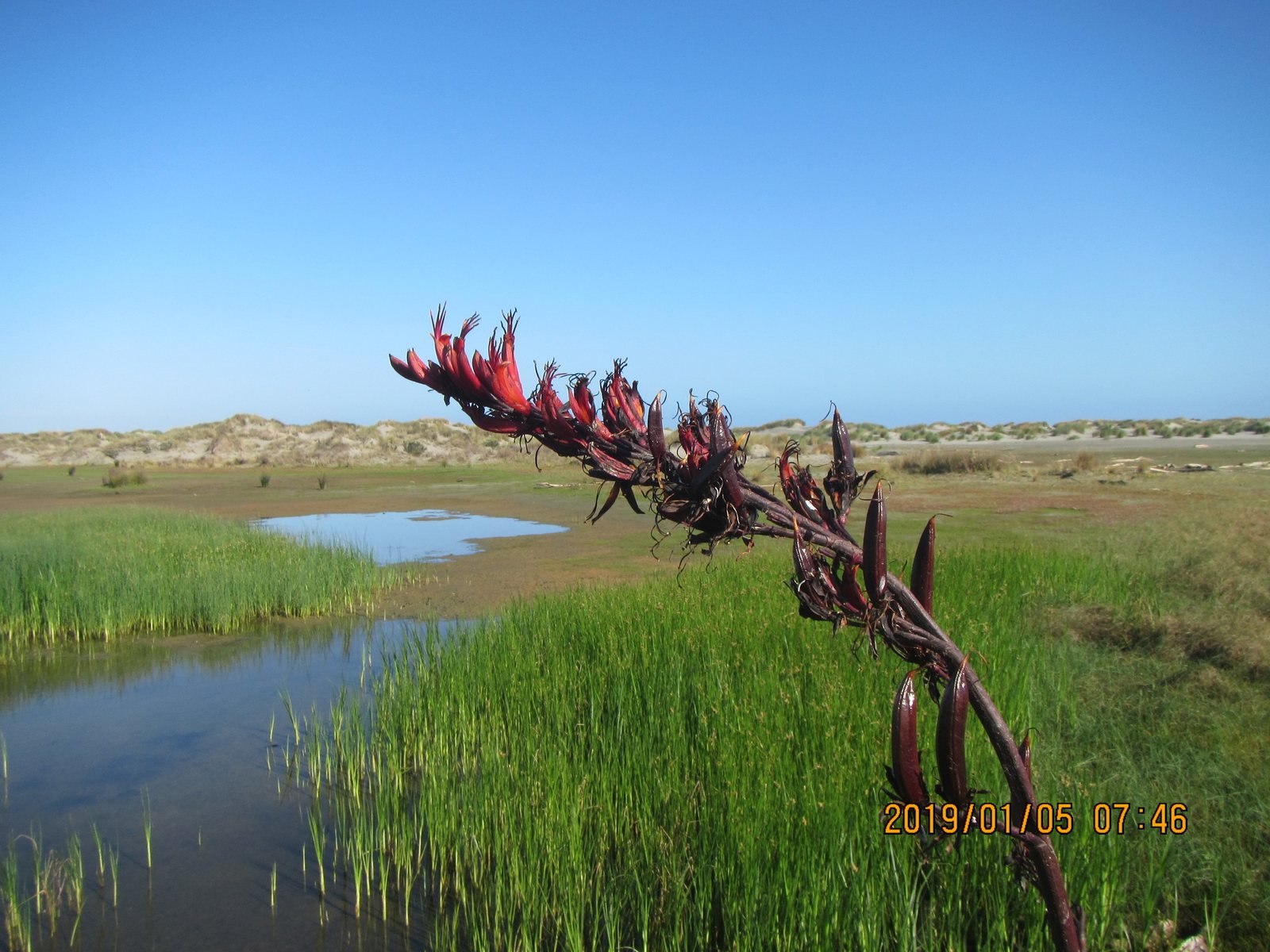
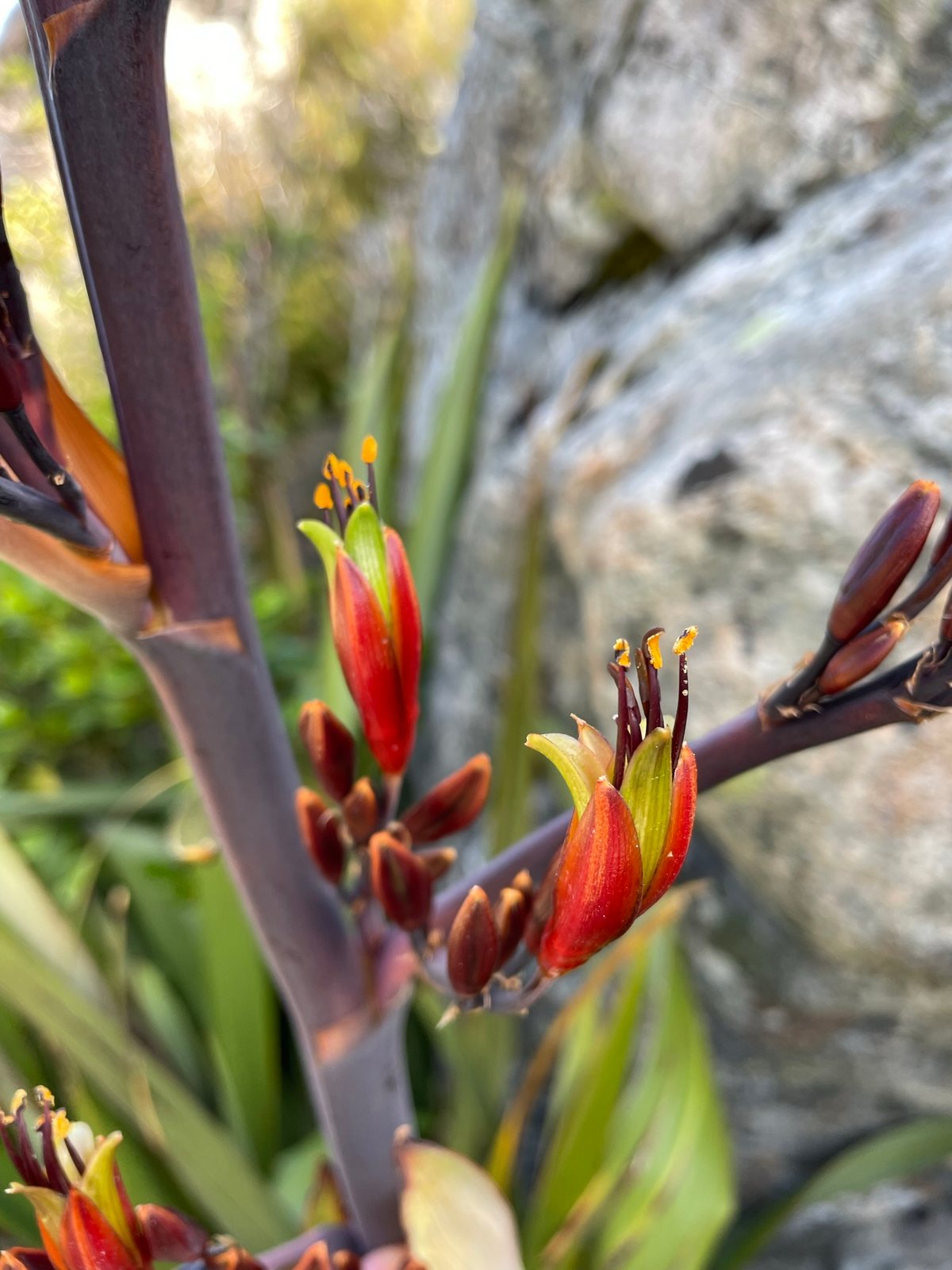
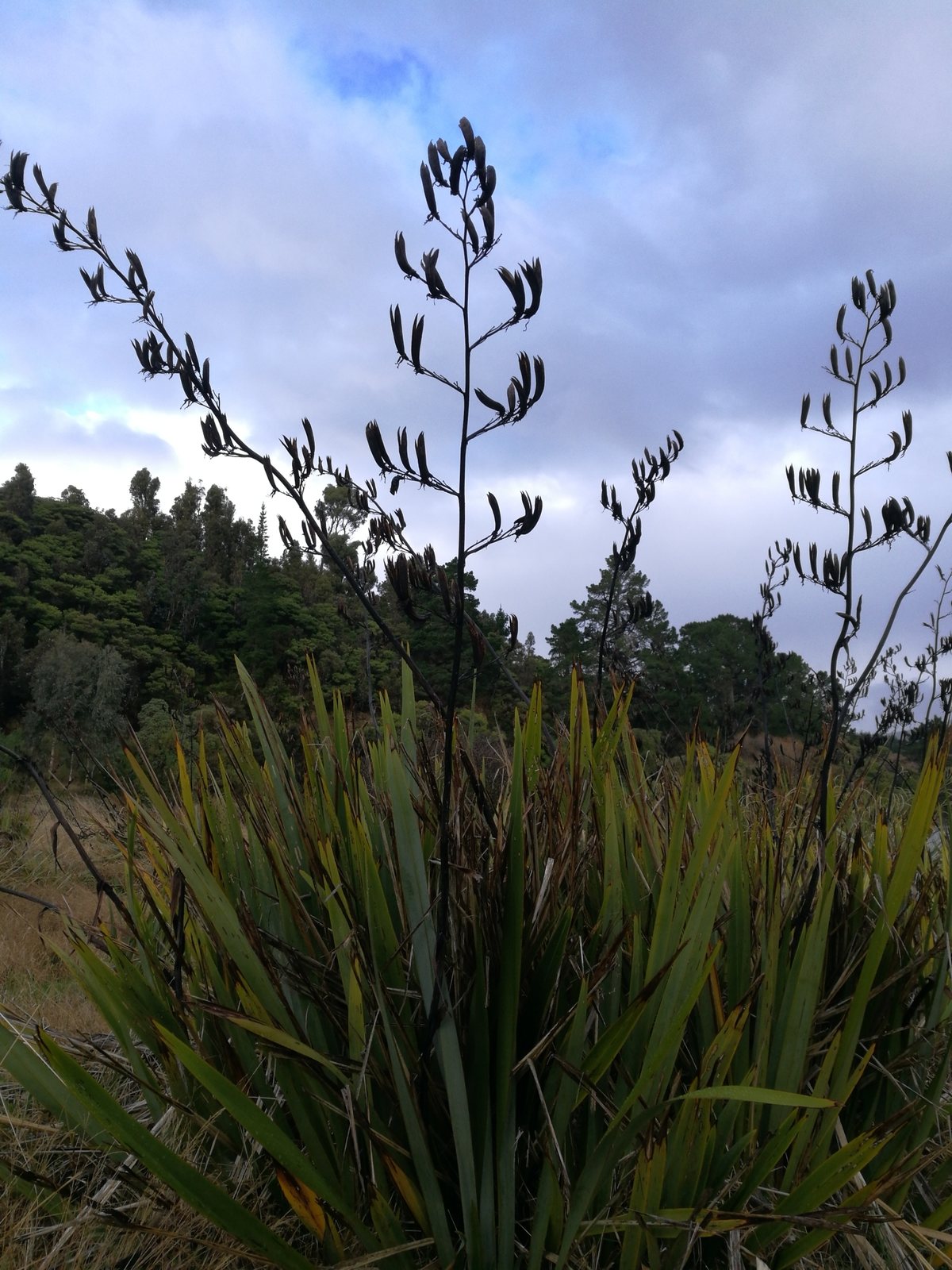
At a glance
- Sun
- Full sun to partial shade; leaf colour is usually strongest in good light. Give some afternoon shade in very hot, dry gardens.
- Water
- Water regularly during the first growing season. Established plants tolerate short dry spells, but look better with occasional deep watering; containers need more frequent attention.
- Soil
- Well-drained soil, including sandy or loamy soil; tolerates clay if drainage is good. Avoid sites that remain saturated in winter.
- Height
- 3-4 ft (0.9-1.2 m)
- Spread
- 3-4 ft (0.9-1.2 m)
- Foliage
- Evergreen. Broad, strap-shaped leaves with pink to coral central colouring and green to lime-green margins; mature leaves arch and may twist slightly.
- Growth
- Moderate
- Care needed
- Low
The year at a glance
- Deer resistant
- Drought tolerant
- Heat tolerant
- Low allergen
| J | F | M | A | M | J | J | A | S | O | N | D | |
|---|---|---|---|---|---|---|---|---|---|---|---|---|
| Plant |
Northern hemisphere months. In Australia, shift them by six.
- Difficulty
- Moderate
- Toughness
- Fairly tough
Will it suit your garden?
Pick your zone, country, light and whether you have pets.
Full sun is 6 or more hours of direct sun a day, part shade 3 to 6 hours, shade under 3.
How it grows
Planting day
1 ft (0.3 m)
After 1 year
1.8 ft (0.55 m)
After 2 years
2.6 ft (0.8 m)
After 3 years
3 ft (1.1 m)
full size
About 3 years to full size.
From a typical nursery size, at an average rate for this kind of plant. A rule of thumb, not a forecast.
Good to know
- Cats and dogs
- Safe
- Growth rate
- Moderate
Care
Jobs through the year
- WaterApr–May, Sep–Oct, every 14 days
- Water established plants if soil is drying during rainless weather; water first-year plants more often.
- WaterJun–Aug, every 10 days
- Give established plants an occasional deep soak during dry spells; check containers more frequently.
- WaterJan–Mar, Nov–Dec, every 21 days
- Check sheltered overwintering containers and water only enough to keep roots barely moist.
- FeedApr–May
- Apply one light spring dressing of balanced fertiliser; avoid heavy feeding.
- MulchMay
- Mulch around the clump without covering the crown or leaf bases.
- PruneApr–May
- Cut dead leaves and reverted green fans individually at their bases; never shear across the foliage.
- DivideMay–Jun
- Divide only crowded clumps, retaining healthy rooted fans; this is not needed annually.
- ProtectJan–Mar, Oct–Dec
- In zones 6–7, grow in a container and move into bright, frost-free shelter before hard frost.
- Plant after the risk of hard frost has passed, keeping the crown at soil level.
- Water deeply while establishing, then let the soil surface dry between waterings.
- Apply a light dressing of balanced fertiliser in spring; avoid heavy feeding.
- Mulch around the clump, leaving the bases of the leaves uncovered.
- In cold districts, grow in a container and move it to a bright, frost-free place for winter.
Pruning. In spring, cut dead or badly damaged leaves individually at their base, taking care not to injure new growth. Remove spent flower stalks at the base; do not shear across the leaves.
Through the year
- Spring
- Remove winter-damaged leaves and apply a light feed.
- Late spring
- Plant new specimens once hard frosts have passed; divide crowded clumps if needed.
- Summer
- Water new plants and containers during dry spells, checking moisture below the surface.
- Autumn
- Check that drainage is clear and remove fallen debris from around the crown.
- Late autumn
- Move container plants under cover where winter temperatures fall below their tolerance.
- Winter
- Keep sheltered container plants barely moist and protect outdoor crowns from prolonged hard frost.
In the garden
- Use a single plant in a large container to provide an architectural focal point.
- Repeat clumps through a sunny border to carry pink foliage colour between flowering plants.
- Pair with fine-textured grasses for contrast with its broad, arching leaves.
- Use in mild coastal gardens with gravel, rocks and other salt-tolerant planting.
Garden styles it suits: Architectural minimal, Contemporary minimal, Coastal, Modern tropical, Dry gravel garden and Winter interest.
Plant it with: Agapanthus, Lavender, Blue fescue, Purpletop vervain, African daisy and Lomandra.
Wildlife: If it flowers, the tall flower stalks can supply nectar to visiting birds and insects. Flowering is irregular, so it is not a dependable nectar plant.
Problems to watch for
- Winter crown rot: improve drainage, keep mulch away from the crown and avoid overwatering in cold weather.
- Frost damage: remove damaged leaves in spring and provide winter protection or move containers under cover.
- Mealybugs hidden between leaf bases: inspect closely and treat accessible colonies with insecticidal soap labelled for the pest, repeating as directed.
- Plain green shoots replacing variegated growth: remove the entire green fan at its base before it overtakes the coloured foliage.
Safety
Not known to be toxic to cats, dogs, horses or people. The tough leaves are not edible and can cause physical irritation if chewed; sap may irritate sensitive skin.
Easily confused with
New Zealand flax 'Sundowner' (Phormium 'Sundowner')
Usually taller and more upright, with bronze-green leaves edged in pink rather than the brighter pink-and-green colouring of 'Jester'.
Cabbage palm (Cordyline australis)
Develops a woody trunk topped by leaf tufts; 'Jester' remains a basal clump of overlapping leaf fans.
New Zealand flax (Phormium tenax)
The typical species is much larger, with mainly upright, plain green leaves rather than compact, arching pink-striped foliage.
The name
Phormium comes from a Greek word for a basket, referring to the useful leaf fibres, while New Zealand flax refers to the plant's origin and traditional use as a fibre plant.
Propagation. Divide established clumps in spring, keeping several healthy leaves and a good portion of roots on each division. Division preserves the cultivar; seedlings will not reliably match 'Jester'.
Checked against open data
- Accepted botanical name
- Phormium
Sources: GBIF (CC BY 4.0). The care and design notes are LandscapeGPT's own.
See it in your own yard.
Upload a photo of your yard and see it redesigned with plants that suit your climate, each checked against your zone.