Oleander
Nerium oleander. Family Apocynaceae. Shrub.
Also called Rose bay, Rose laurel.
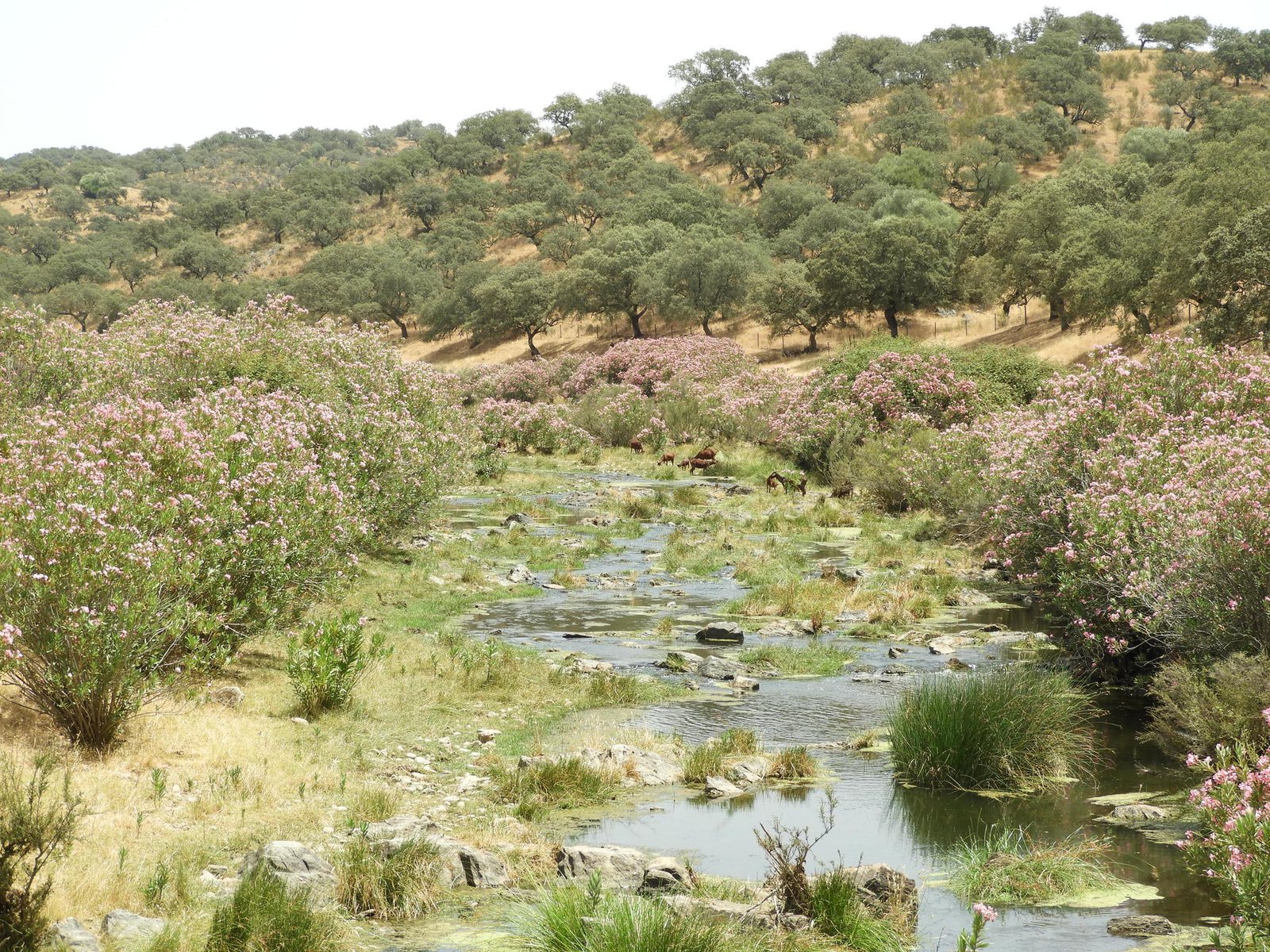
Oleander is a large evergreen shrub grown for its long summer flowering season and tolerance of heat, coastal exposure and dry conditions once established. It suits warm gardens and large containers, but needs frost-free winter shelter in most of the United Kingdom and Canada. Every part is highly poisonous, so avoid planting it where children, pets or livestock might chew it.
At a glance
- Sun
- Full sun gives the best flowering; light shade is tolerated but reduces blooms.
- Water
- Water deeply during establishment. Established plants tolerate drought, but flower better with occasional deep watering during prolonged dry weather; containers need more frequent watering.
- Soil
- Well-drained sandy, loamy or clay soil; tolerates alkaline soil and moderate salt exposure. Avoid permanently wet ground.
- Height
- 6-20 ft (1.8-6 m), depending on cultivar and climate
- Spread
- 6-12 ft (1.8-3.7 m)
- Flowers
- Late spring to autumn in warm climates; mainly summer in cooler areas. Flowers may be white, pink, red, salmon or pale yellow, depending on cultivar.
- Foliage
- Evergreen. Leathery, narrow, dark green leaves, usually arranged in pairs or whorls of three.
- Growth
- Fast in warm conditions with adequate water.
- Care needed
- Medium
The year at a glance
- Deer resistant
- Drought tolerant
- Heat tolerant
- Wildlife
- Low allergen
| J | F | M | A | M | J | J | A | S | O | N | D | |
|---|---|---|---|---|---|---|---|---|---|---|---|---|
| Flowers | ||||||||||||
| Plant |
Northern hemisphere months. In Australia, shift them by six.
- Difficulty
- Moderate
- Toughness
- Fairly tough
Will it suit your garden?
Pick your zone, country, light and whether you have pets.
Full sun is 6 or more hours of direct sun a day, part shade 3 to 6 hours, shade under 3.
How it grows
Planting day
1.6 ft (0.5 m)
After 1 year
5 ft (1.5 m)
After 2 years
9 ft (2.6 m)
After 3 years
12 ft (3.6 m)
After 5 years
13 ft (3.9 m)
full size
About 3 years to full size.
From a typical nursery size, at an average rate for this kind of plant. A rule of thumb, not a forecast.
Good to know
- Cats and dogs
- Toxic
- Invasive in
- Australia
- Growth rate
- Fast
Care
Jobs through the year
- WaterApr–May, Sep, every 7 days
- Grow in a movable pot in this climate; water deeply when the upper compost dries and drain fully.
- WaterJun–Aug, every 3 days
- Check pots daily in heat and water when the surface dries; large or exposed plants may need more.
- WaterJan–Mar, Oct–Dec, every 21 days
- Under cool frost-free cover, water sparingly without allowing the root ball to dry completely.
- FeedMay–Aug, every 14 days
- Feed container plants with flowering-plant fertiliser at the label rate.
- PruneMar–Apr
- Remove dead wood and thin selected stems; wear gloves, keep cuttings from animals and never burn them.
- ProtectSep–Oct
- Move pots into a bright frost-free place before frost; all parts are highly toxic if eaten.
- ProtectMay–Jun
- Return outdoors after frost risk passes, gradually acclimatising foliage to direct sun.
- ProtectJun–Sep, every 7 days
- Inspect new shoots and leaf undersides for aphids, scale and caterpillars.
- Water newly planted shrubs deeply whenever the root zone begins to dry; allow excess water to drain away.
- Apply a 2-3 in (5-8 cm) mulch layer over the roots, keeping it away from the stems.
- Feed container plants with a balanced flowering-plant fertiliser during active growth, following the label; established plants in the ground rarely need feeding.
- In cold regions, grow in a pot and move it into a bright, frost-free place before autumn frosts; water sparingly through winter.
- Wear gloves when handling or pruning, keep cuttings away from animals, and never burn the prunings.
Pruning. In late winter or early spring, remove dead or frost-damaged wood and thin crowded stems at their base. Shorten selected branches to control size rather than repeatedly shearing the whole shrub, which removes flowering shoots.
Through the year
- Late winter
- Inspect for frost damage and prune once the risk of severe frost has passed.
- Spring
- Plant into warming soil after frost risk has passed, or repot container plants if root-bound.
- Late spring
- Acclimatise overwintered plants gradually to outdoor sun and begin feeding container plants.
- Summer
- Water containers regularly and check new shoots and leaf undersides for aphids, scale and caterpillars.
- Late summer
- Take semi-ripe cuttings if you want plants matching the parent; handle sap with gloves.
- Autumn
- Move pots under bright, frost-free shelter before frost arrives in cold regions.
- Winter
- Keep sheltered plants on the dry side without allowing the root ball to dry out completely.
In the garden
- Use as an informal flowering screen along a sunny boundary where there is room for its mature width.
- Place a compact cultivar in a large courtyard container that can be moved under winter shelter.
- Combine with lavender, rosemary and rockrose in a sunny Mediterranean-style border.
- Use as a tall flowering backdrop in warm coastal gardens, away from play areas and livestock.
Garden styles it suits: Mediterranean, Modern Mediterranean, Coastal, Modern courtyard, Luxury resort and Desert / xeriscape.
Plant it with: Lavender, Rosemary, Rockrose, Santolina, Agapanthus and Olive.
Wildlife: Flowers attract some visiting insects, but provide little or no nectar and are not a strong choice for pollinator planting. Dense shrubs can provide cover for small birds.
Problems to watch for
- Aphids and scale insects: inspect shoots and leaf undersides; wash off aphids and treat persistent infestations with a labelled insecticidal soap or horticultural oil, avoiding hot sun.
- Oleander caterpillars, especially in the southeastern United States: inspect regularly and remove infested shoots with gloves, or use a locally approved caterpillar treatment while larvae are small.
- Oleander leaf scorch: this bacterial disease causes progressive yellowing, scorched leaf margins and branch death. There is no cure; seek local diagnosis and remove severely affected plants.
- Frost damage: leaves and stems may blacken or die back. Protect container plants before frost and wait until spring growth reveals living wood before cutting back.
Safety
Highly toxic to people, cats, dogs and horses. All parts, including flowers, leaves, stems, roots and dried clippings, contain cardiac glycosides; ingestion can cause fatal heart rhythm disturbances. Sap can irritate skin and eyes. Never burn prunings or use branches as cooking skewers, and keep clippings out of animal feed and drinking water. Suspected ingestion requires immediate medical or veterinary advice.
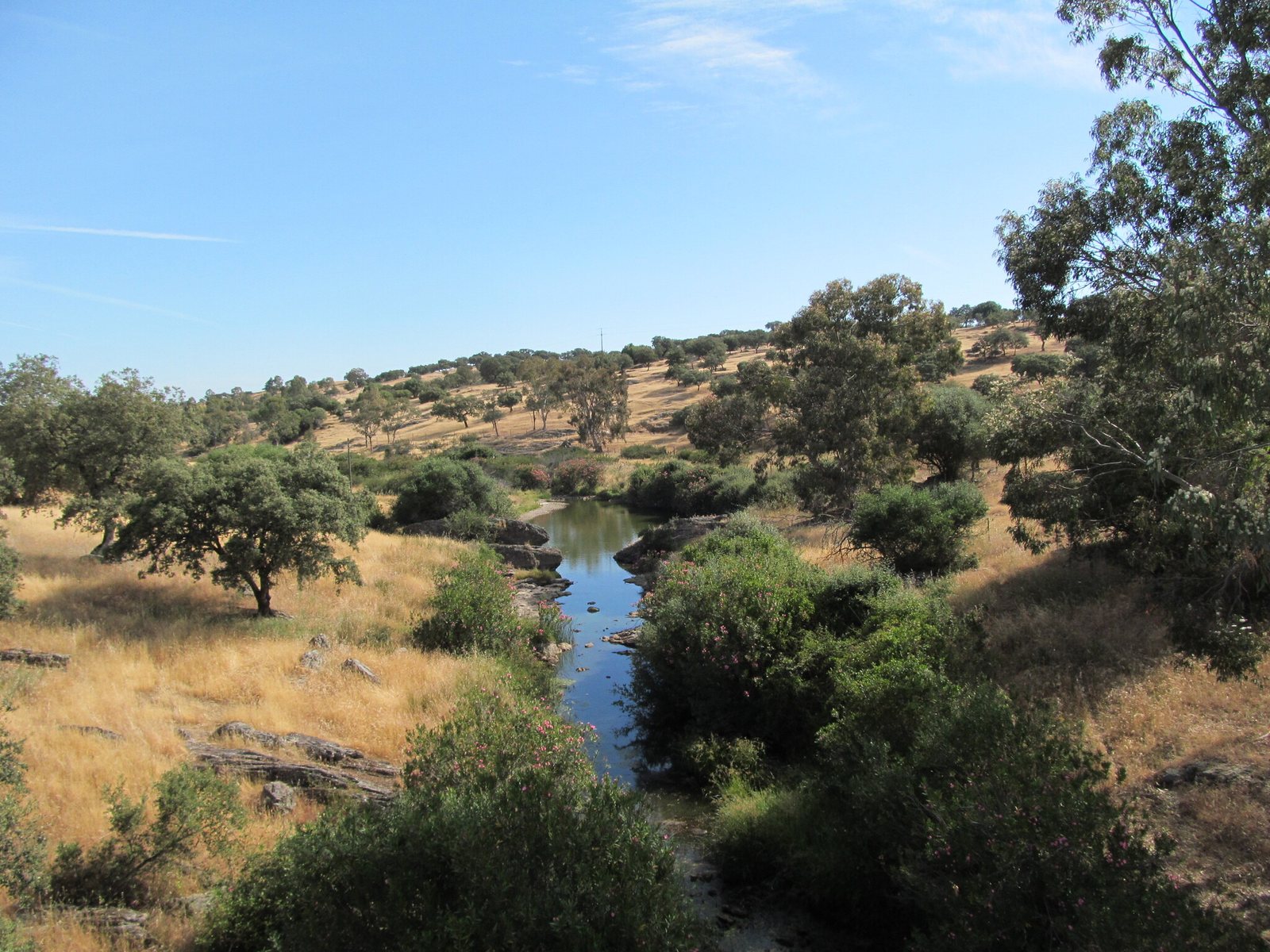
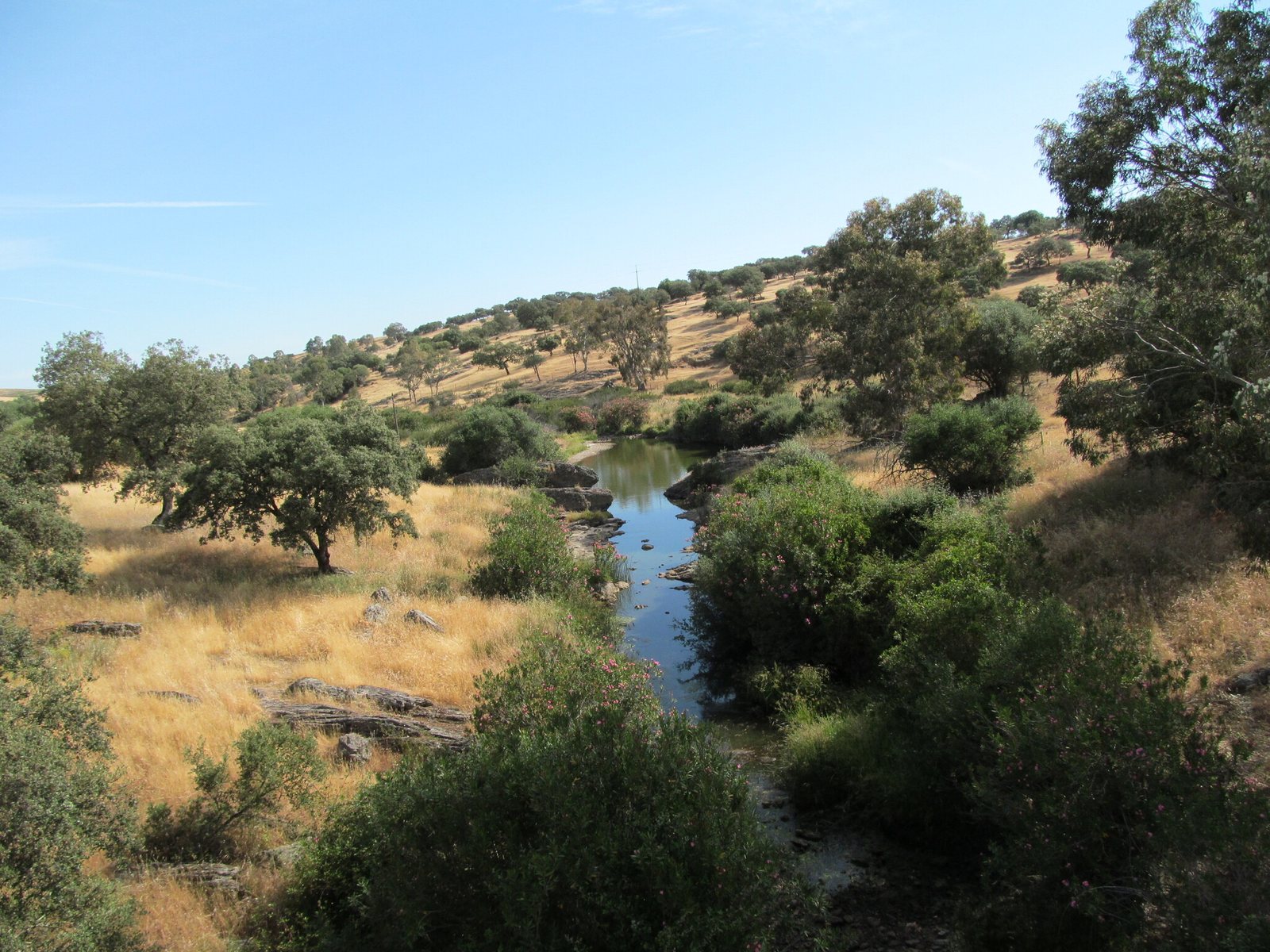
Where it spreads. Can spread along waterways and disturbed ground in warm regions; it is regarded as an environmental weed in parts of Queensland and New South Wales, Australia. Check local weed guidance before planting near natural areas or watercourses.
Easily confused with
Yellow oleander (Cascabela thevetia)
Has narrower, usually spirally arranged leaves, yellow funnel-shaped flowers and fleshy fruits rather than oleander's paired slender seed pods. It is also highly poisonous.
Desert rose (Adenium obesum)
Has a swollen succulent trunk and shorter, broader leaves clustered near branch tips; oleander has woody stems without a swollen base.
Rhododendron (Rhododendron spp.)
Most have broader, alternately arranged leaves and conspicuous terminal flower buds; oleander has narrow leaves in opposite pairs or whorls, often with long seed pods after flowering.
The name
Nerium comes from nerion, the ancient Greek name for oleander.
Propagation. Root semi-ripe stem cuttings in summer in a free-draining medium with gentle warmth. Cuttings retain the parent's flower characteristics; seed-grown plants may differ. Wear gloves and keep all propagation material away from children and animals.
Checked against open data
- Accepted botanical name
- Nerium oleander
- In the US and Canada
- Introduced in the lower 48 states, Pacific Basin, Puerto Rico and US Virgin Islands.
- Native range
- Afghanistan, Albania, Algeria, Baleares, Corse, Cyprus, East Aegean Is., France, Greece, Gulf States, India and Iran.
- Measured
- Soil pH 5.5 to 7.8. Average height 366 cm.
Sources: GBIF (CC BY 4.0), USDA PLANTS and Trefle (CC BY 4.0). The care and design notes are LandscapeGPT's own.
See it in your own yard.
Upload a photo of your yard and see it redesigned with plants that suit your climate, each checked against your zone.