Ornamental cabbage
Brassica oleracea 'Osaka'. Family Brassicaceae. Annual.
Also called Flowering cabbage, Osaka ornamental cabbage.
Ornamental cabbage is grown as an annual for its broad rosettes of colourful leaves rather than its flowers. Plants sold under the Osaka name belong to a series with relatively smooth, wavy-edged leaves and pink, red or creamy-white centres that develop their strongest colour in cool weather. It provides autumn and winter colour where winters are mild, but prolonged hard freezing can ruin the foliage.
At a glance
- Sun
- Full sun gives the best colour and compact growth; light afternoon shade helps in warmer climates.
- Water
- Keep the soil evenly moist but not waterlogged; containers need checking more often than beds.
- Soil
- Fertile, well-drained soil, preferably neutral to slightly alkaline.
- Height
- 1-1.5 ft (0.3-0.45 m)
- Spread
- 1-1.5 ft (0.3-0.45 m)
- Foliage
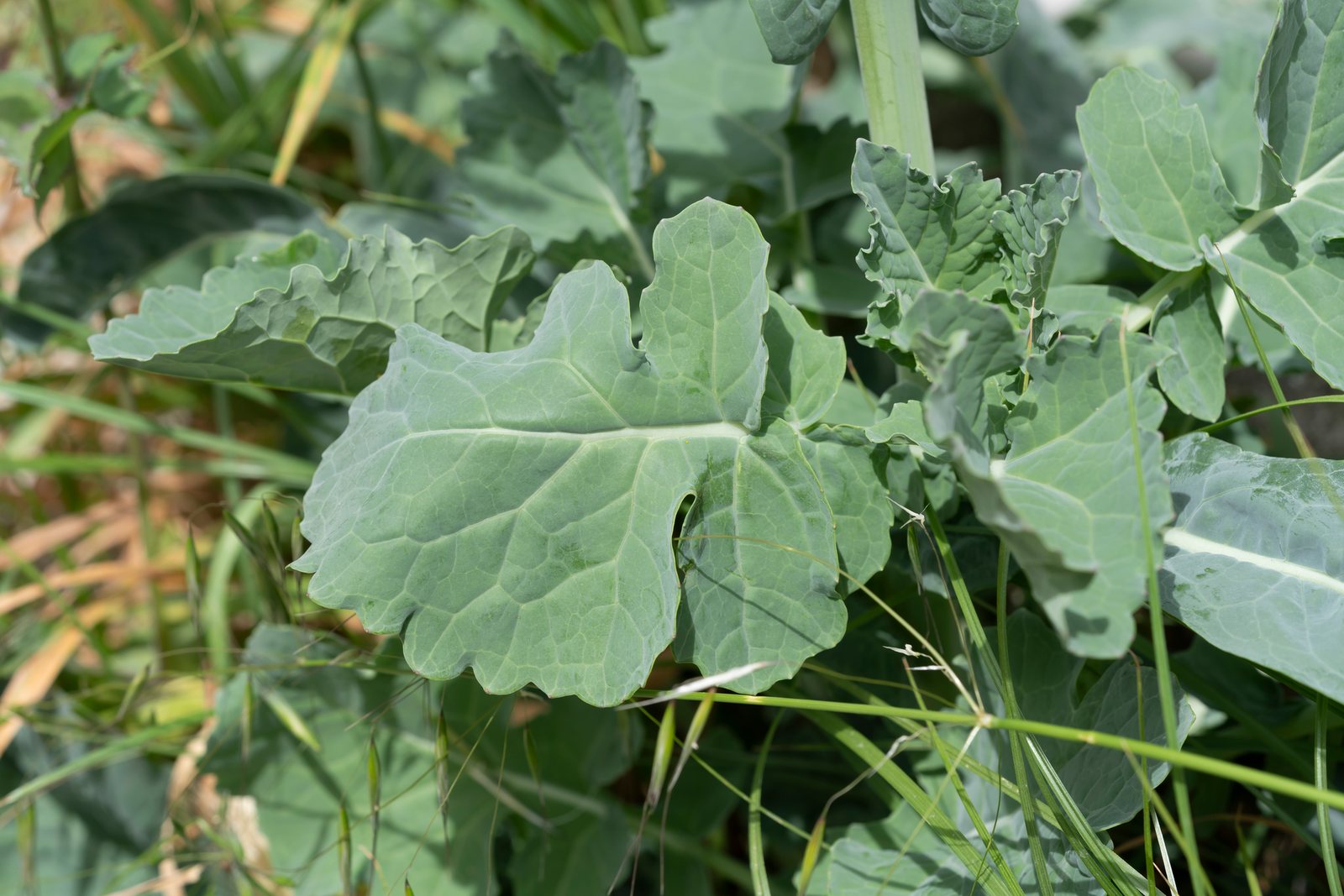
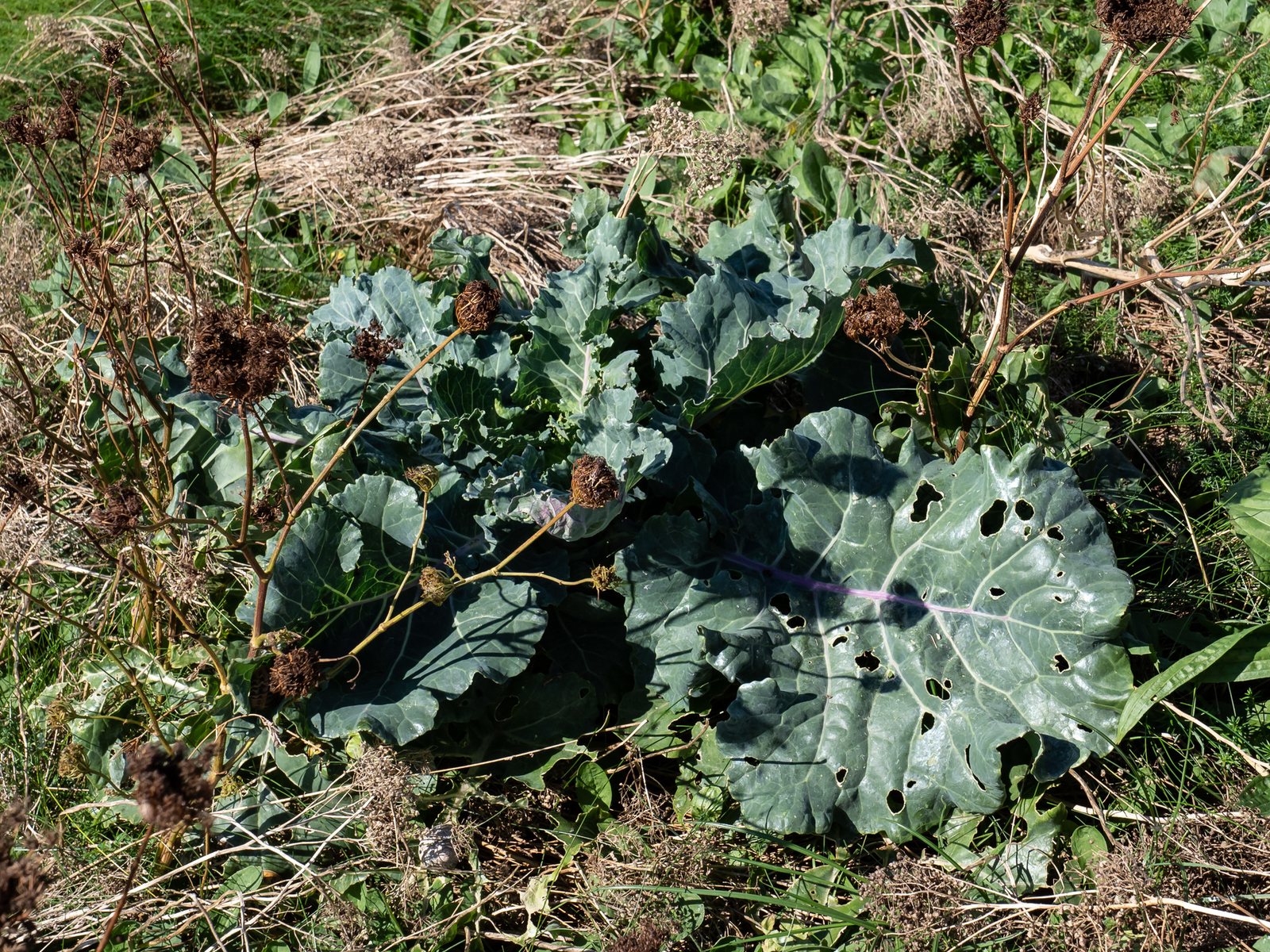
- Broad, rounded, overlapping leaves with gently wavy edges; green outer leaves surround pink, red or creamy-white centres, depending on the selection.
- Growth
- Fast in cool to mild weather.
- Care needed
- Low
The year at a glance
- Low allergen
| J | F | M | A | M | J | J | A | S | O | N | D | |
|---|---|---|---|---|---|---|---|---|---|---|---|---|
| Plant |
Northern hemisphere months. In Australia, shift them by six.
- Difficulty
- Easy
- Toughness
- Fairly tough
Will it suit your garden?
Pick your zone, country, light and whether you have pets.
Full sun is 6 or more hours of direct sun a day, part shade 3 to 6 hours, shade under 3.
How it grows
Planting day
0.5 ft (0.15 m)
After 1 year
1.2 ft (0.38 m)
full size
Full size in one season.
From a typical nursery size, at an average rate for this kind of plant. A rule of thumb, not a forecast.
Good to know
- Cats and dogs
- Safe
- Native to
- the UK
- Growth rate
- Fast
Care
Jobs through the year
- WaterJun–Aug, every 3 days
- Check established bedding plants and water when the surface dries; seedlings need closer attention.
- WaterSep–Oct, every 7 days
- Water at soil level during dry weather to keep moisture consistent.
- WaterJan–Feb, Nov–Dec, every 14 days
- Water only if soil is dry and unfrozen; skip watering when rainfall keeps it moist.
- MulchAug–Oct
- Apply a thin mulch after planting, keeping stems and lower leaves clear.
- PruneJan–Feb, Sep–Dec, every 14 days
- Remove yellow or rotting outer leaves without damaging the central rosette.
- ProtectJul–Oct, every 7 days
- Inspect for caterpillars, aphids and slugs; hand-remove pests before damage spreads.
- Plant in cool weather, spacing plants about 1-1.5 ft (0.3-0.45 m) apart; allow room for mature rosettes.
- Water at soil level whenever the surface begins to dry, keeping moisture consistent.
- Mix compost into poor soil before planting; feed container plants lightly with a balanced fertiliser according to its label.
- Apply a thin mulch around plants, keeping it away from the stem and lower leaves.
- Keep plants away from roof runoff and standing water, which encourage rotting.
Pruning. Remove yellowing, damaged or rotting outer leaves at their bases as needed, without cutting into the central rosette. Pull plants out when they become frost-damaged or send up a tall flower stalk in spring.
Through the year
- Summer
- Sow seed roughly 10-14 weeks before the desired autumn display, keeping seedlings bright and evenly moist.
- Late summer
- Harden off young plants and plant out as hot weather eases; choose compact nursery plants without damaged centres.
- Autumn
- Keep watering during dry spells and check leaf undersides for caterpillars and aphids.
- Late autumn
- Allow cool weather to bring out the leaf colour; remove fallen leaves caught inside the rosettes.
- Winter
- Reduce watering as growth slows, but do not let containers dry out completely; remove plants spoiled by severe frost.
- Spring
- Remove plants as they bolt or lose their shape and replace them with the next seasonal planting.
In the garden
- Repeat compact rosettes along the front of a cool-season border for a strong, regular pattern.
- Combine with pansies and violas in autumn and winter containers.
- Plant in blocks beside fine-textured grasses to contrast broad leaves with narrow blades.
- Use pale-centred selections in formal bedding or courtyard pots to brighten the shorter days.
Garden styles it suits: Formal, Modern courtyard, Potager (kitchen garden), Autumn colour, Winter interest and Small-space.
Plant it with: Pansies, Violas, Heathers, Coral bells, Carex and Dusty miller.
Wildlife: Leaves feed cabbage-white butterfly caterpillars and other brassica-feeding insects. Plants retained into spring can produce yellow flowers visited by bees, although flowering usually ends their usefulness as compact bedding plants.
Problems to watch for
- Cabbage caterpillars chew holes in the leaves: inspect frequently, hand-pick caterpillars, or use a labelled Bacillus thuringiensis product while larvae are small.
- Aphids gather on young leaves and in the centre: wash them off with water or apply insecticidal soap according to its label.
- Slugs and snails damage lower leaves: remove hiding places, hand-pick after dark, or use labelled iron-phosphate bait.
- Rot develops in saturated soil or water-filled rosettes: improve drainage, water at soil level and discard badly affected plants.
Safety
Not known to be poisonous to people, cats or dogs in ordinary small amounts; the leaves are edible but often bitter. Large amounts can cause digestive upset, and heavy brassica consumption can cause more serious problems in horses and other grazing livestock, so do not offer plants or trimmings as feed. Do not eat ornamental plants unless you know they have been grown with products approved for edible crops.
Easily confused with
Ornamental kale (Brassica oleracea)
Most ornamental kales have deeply frilled, curled or finely divided leaves; Osaka cabbage has broad, relatively smooth leaves forming a rounded rosette.
Heading cabbage (Brassica oleracea Capitata Group)
Vegetable heading cabbages form a firm, tightly packed head rather than the open, coloured central rosette typical of ornamental cabbage.
The name
Brassica is the Latin name for cabbage, oleracea means vegetable or kitchen-garden plant, and Osaka is the name of a Japanese city.
Propagation. Grow from seed, normally sown in summer for an autumn display. Buy named Osaka-series seed for predictable colours and form; saved seed may not resemble the parent plant. In Australia, use the same seasonal sequence rather than Northern Hemisphere calendar months.
Checked against open data
- Accepted botanical name
- Brassica oleracea
- In the US and Canada
- Introduced in the lower 48 states, Pacific Basin and Puerto Rico.
- Native range
- France, Great Britain and Spain.
- Measured
- Soil pH 7 to 7.5. Average height 50 cm.
Sources: GBIF (CC BY 4.0), USDA PLANTS and Trefle (CC BY 4.0). The care and design notes are LandscapeGPT's own.
See it in your own yard.
Upload a photo of your yard and see it redesigned with plants that suit your climate, each checked against your zone.