Ornamental pepper
Capsicum annuum 'Black Pearl'. Family Solanaceae. Annual.
Also called Black Pearl pepper, Ornamental chilli.
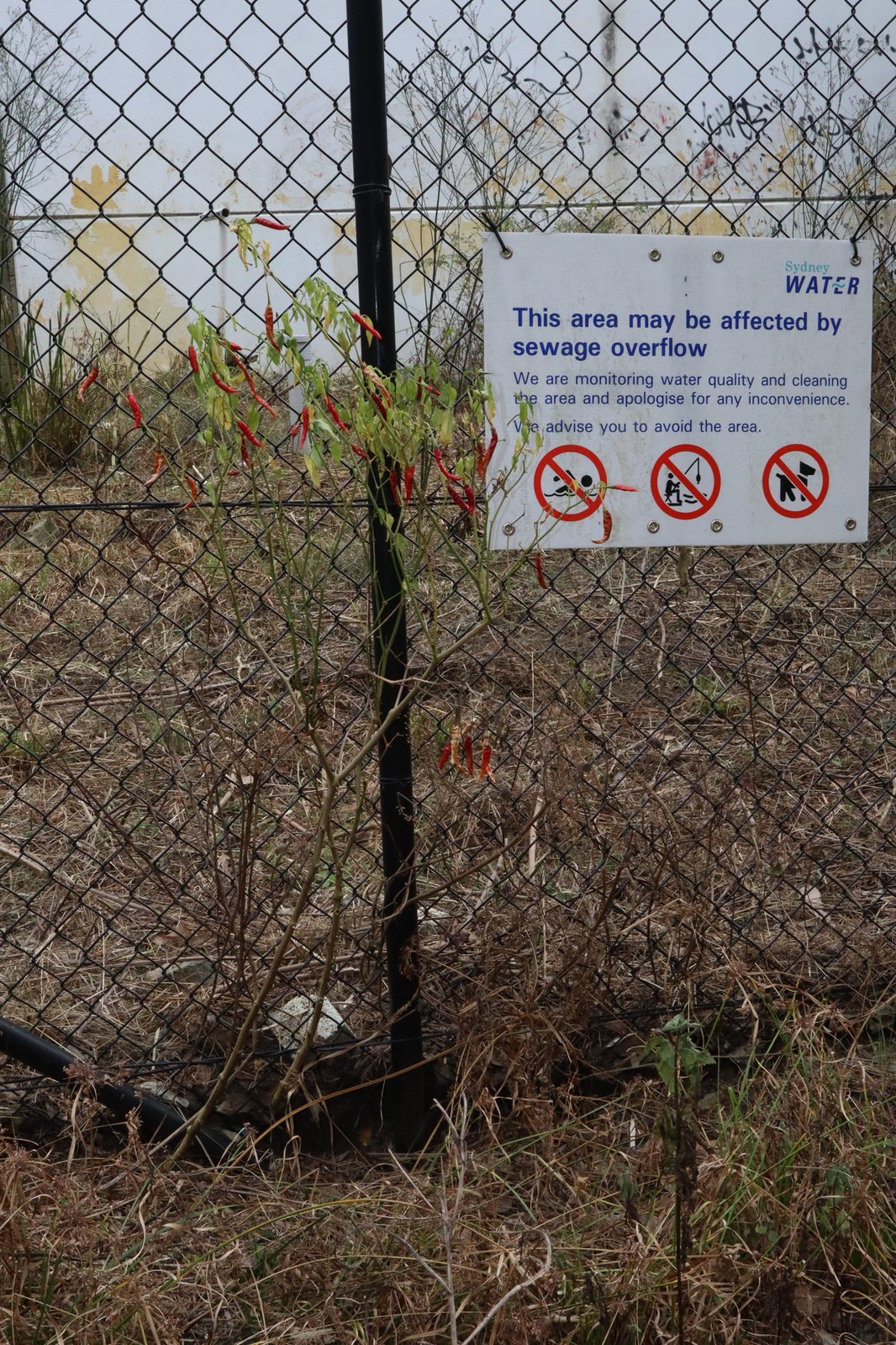
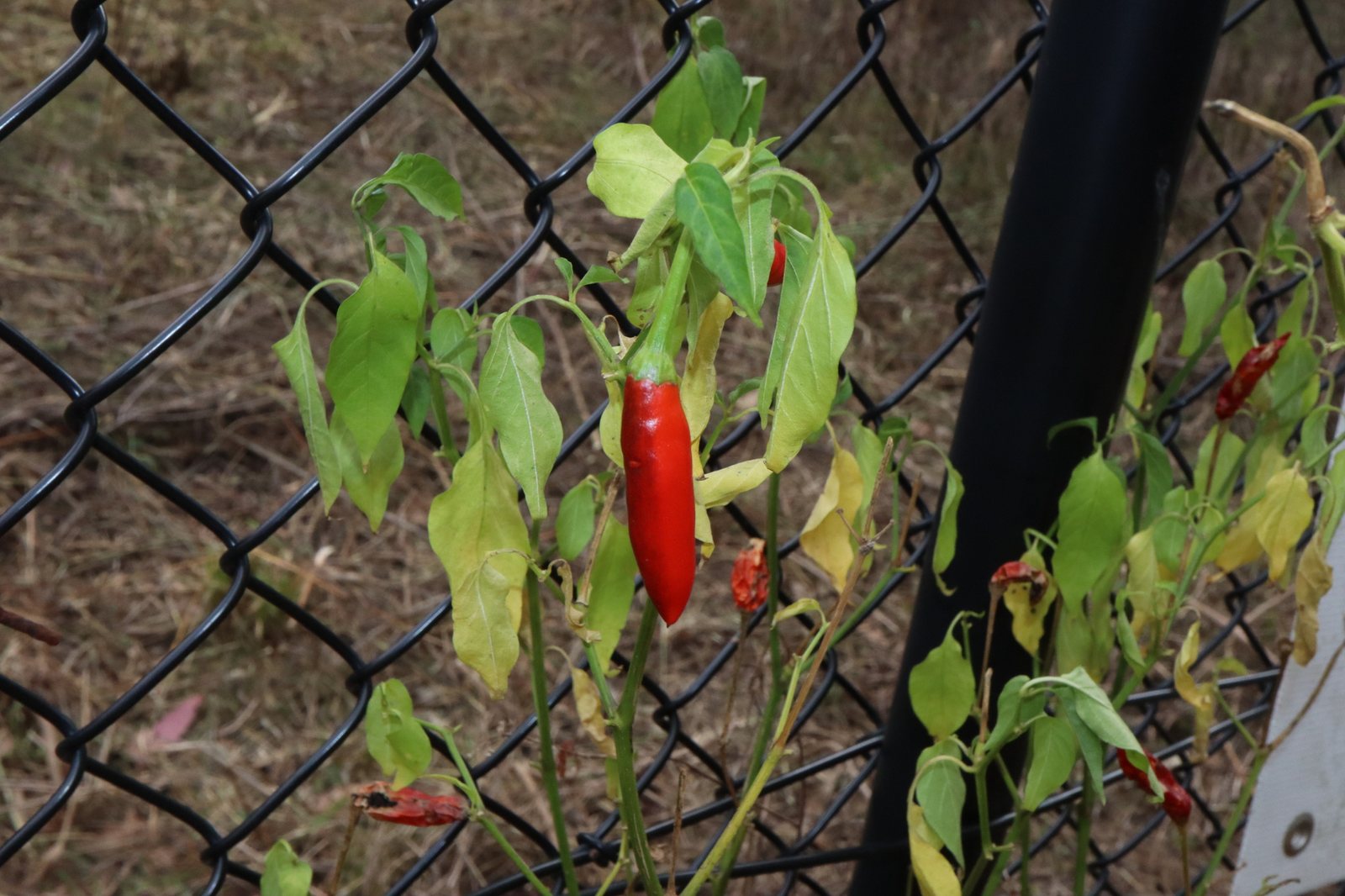
‘Black Pearl’ is a compact, frost-tender pepper grown as an annual for its glossy, almost black leaves and clusters of round fruits. The fruits start black and ripen bright red, giving a strong contrast in pots and sunny borders; they are edible but extremely hot.
At a glance
- Sun
- Full sun for the darkest foliage and best fruiting; tolerates light shade but becomes greener.
- Water
- Water regularly, allowing the soil surface to dry slightly between waterings; avoid waterlogged roots.
- Soil
- Fertile, well-drained soil; use free-draining potting mix in containers.
- Height
- 1-2 ft (0.3-0.6 m)
- Spread
- 1-1.5 ft (0.3-0.45 m)
- Flowers
- Small purple flowers from summer into autumn, followed by black fruits that ripen red.
- Foliage
- Glossy, pointed leaves emerge green and darken to purple-black in strong sunlight.
- Growth
- Fast in warm weather
- Care needed
- Low
The year at a glance
- Pollinators
- Heat tolerant
- Low allergen
| J | F | M | A | M | J | J | A | S | O | N | D | |
|---|---|---|---|---|---|---|---|---|---|---|---|---|
| Flowers | ||||||||||||
| Fruit | ||||||||||||
| Plant |
Northern hemisphere months. In Australia, shift them by six.
- Difficulty
- Easy
- Toughness
- Fairly tough
Will it suit your garden?
Pick your zone, country, light and whether you have pets.
Full sun is 6 or more hours of direct sun a day, part shade 3 to 6 hours, shade under 3.
How it grows
Planting day
0.5 ft (0.15 m)
After 1 year
1.5 ft (0.45 m)
full size
Full size in one season.
From a typical nursery size, at an average rate for this kind of plant. A rule of thumb, not a forecast.
Good to know
- Cats and dogs
- Toxic
- Native to
- the US
- Growth rate
- Fast
Care
Jobs through the year
- WaterMay–Jun, Sep, every 7 days
- Water established bedding plants when the surface dries; new plants and containers need more frequent checks.
- WaterJul–Aug, every 3 days
- Water ground-grown plants if the root zone is drying; check pots daily in heat and avoid waterlogging.
- FeedJun–Sep, every 14 days
- Feed container plants with balanced liquid fertilizer at the label rate; avoid excessive nitrogen.
- MulchJun
- Apply a light mulch once soil is warm, keeping it away from stems.
- ProtectMay–Jun
- Harden off plants and plant out only after frost risk passes and nights remain above 10°C.
- ProtectSep–Oct
- If keeping plants, move pots into bright, warm indoor shelter before cold nights or frost.
- Plant outside only after frost risk has passed and nights are consistently above 10°C (50°F).
- Check containers daily during hot weather and water thoroughly when the surface begins to dry.
- Feed container plants with a balanced liquid fertiliser at the label rate; avoid excessive nitrogen.
- Apply a light mulch to beds once the soil is warm, keeping it away from the stems.
- Shelter pots from cold winds and move them under cover before autumn frost if you want to keep the plants.
Pruning. Little pruning is needed. Pinch young shoot tips for a bushier plant if necessary, and remove damaged stems as they appear; leave healthy flowers and fruits for display.
Through the year
- Late winter
- Sow indoors 8-10 weeks before the expected last frost, providing bottom heat around 24-29°C (75-85°F).
- Spring
- Pot seedlings individually and grow them in bright light with steady warmth.
- Late spring
- Harden plants off gradually, then plant outside once frost has passed and nights are warm.
- Summer
- Water consistently and feed container plants; check shoot tips and leaf undersides for pests.
- Early autumn
- Enjoy the red-ripening fruit and move selected pots into a bright, warm indoor position before cold nights.
- Late autumn
- Remove frost-killed plants and clean containers before storing them.
In the garden
- Use a single plant in a pale or metallic container to emphasise the dark foliage and round fruits.
- Repeat along the front of a sunny summer border for a low, dark edging.
- Pair with lime-green sweet potato vine or golden creeping Jenny for strong foliage contrast.
- Mix with red salvias and orange marigolds in a warm-coloured seasonal display.
Garden styles it suits: Modern, Urban city garden, Modern courtyard, Potager (kitchen garden), Hot border and Small-space.
Plant it with: Sweet potato vine, Golden creeping Jenny, Scarlet sage, French marigold, Zinnia and Basil.
Wildlife: Flowers can attract bees. Birds may eat the ripe peppers, but this is not a substantial wildlife planting.
Problems to watch for
- Aphids gather on soft shoots: wash them off with water or use insecticidal soap according to the label.
- Spider mites cause fine stippling and webbing in hot, dry conditions: rinse leaf undersides and use a labelled treatment if needed.
- Root rot develops in persistently wet soil: improve drainage and let the surface dry slightly before watering again.
- Cold weather causes stalled growth, leaf drop or death: delay outdoor planting and protect plants before cold autumn nights.
Safety
The fruits are edible to people but extremely hot; capsaicin can burn the mouth and irritate eyes and skin. Keep fruits away from children and pets. Leaves and stems should not be eaten and can be toxic to people, cats, dogs and horses, causing digestive upset; seek medical or veterinary advice after ingestion. Wear gloves when cutting fruit and wash your hands afterwards.
Easily confused with
Purple Flash ornamental pepper (Capsicum annuum 'Purple Flash')
Its leaves have conspicuous white, green and purple variegation rather than the largely uniform purple-black foliage of ‘Black Pearl’.
Jerusalem cherry (Solanum pseudocapsicum)
It usually has green leaves, white flowers and orange to red berries, rather than purple flowers and black immature fruits. Its berries are poisonous, not edible peppers.
The name
The cultivar name ‘Black Pearl’ refers to its small, rounded, glossy black immature fruits.
Propagation. Sow seed indoors in warm conditions, covering lightly with seed compost. Use seed sold as ‘Black Pearl’ for predictable plants; saved seed may vary if flowers have cross-pollinated with other peppers. Softwood cuttings taken in warm weather can preserve an individual plant.
Checked against open data
- Accepted botanical name
- Capsicum annuum
- In the US and Canada
- Native in the lower 48 states. Introduced in Hawaii, the lower 48 states, Navassa Island, Pacific Basin, Puerto Rico and US Virgin Islands.
- Native range
- Guatemala, Mexico Central, Mexico Gulf, Mexico Northeast, Mexico Northwest, Mexico Southeast, Mexico Southwest, Bahamas, Belize, Bolivia, Brazil North and Brazil Northeast.
- Measured
- Average height 60 cm.
Sources: GBIF (CC BY 4.0), USDA PLANTS and Trefle (CC BY 4.0). The care and design notes are LandscapeGPT's own.
See it in your own yard.
Upload a photo of your yard and see it redesigned with plants that suit your climate, each checked against your zone.