Ornamental sweet potato vine 'Marguerite'
Ipomoea batatas 'Marguerite'. Family Convolvulaceae. Annual.
Also called Sweet potato vine 'Margarita', Golden sweet potato vine.
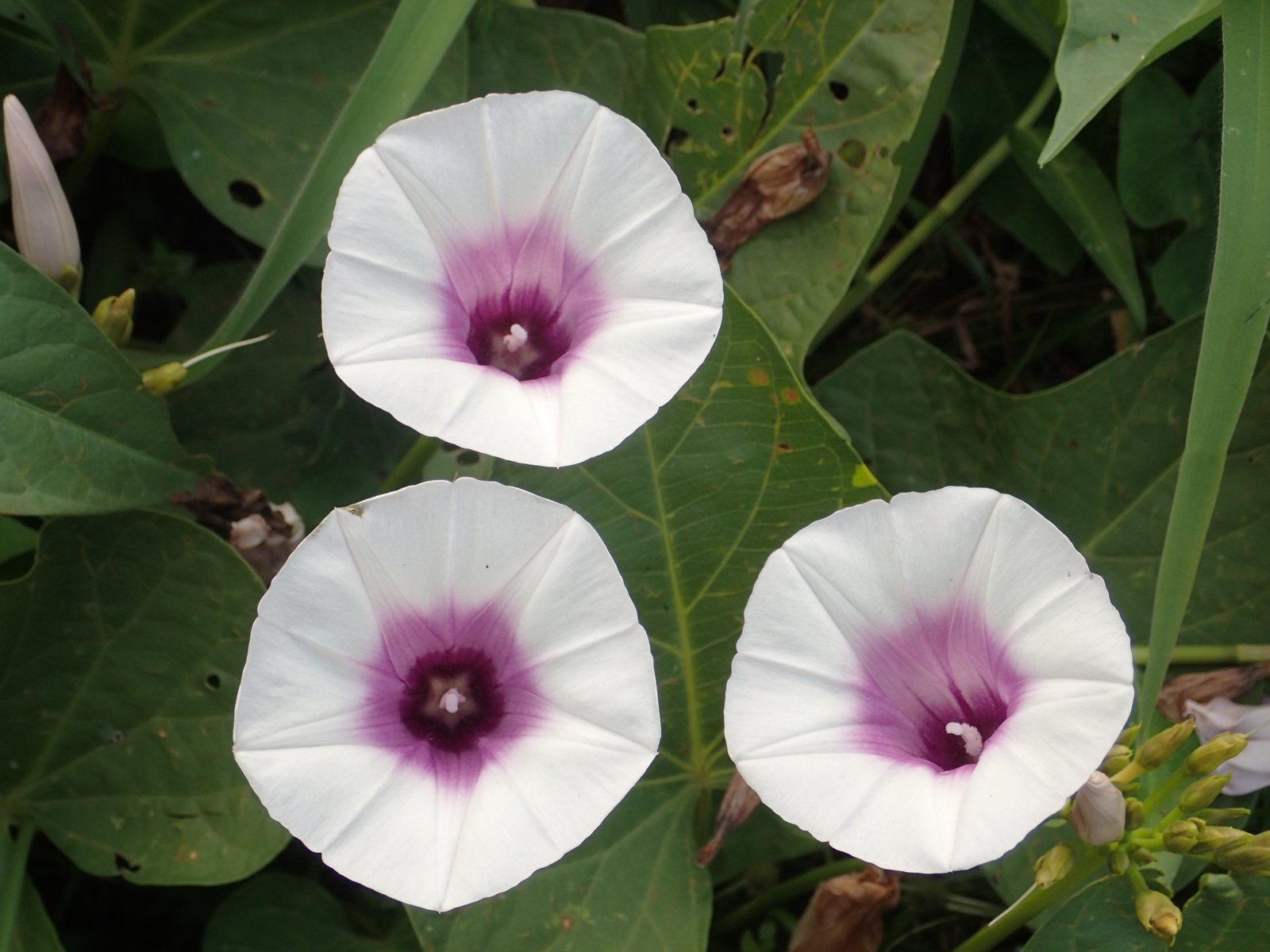
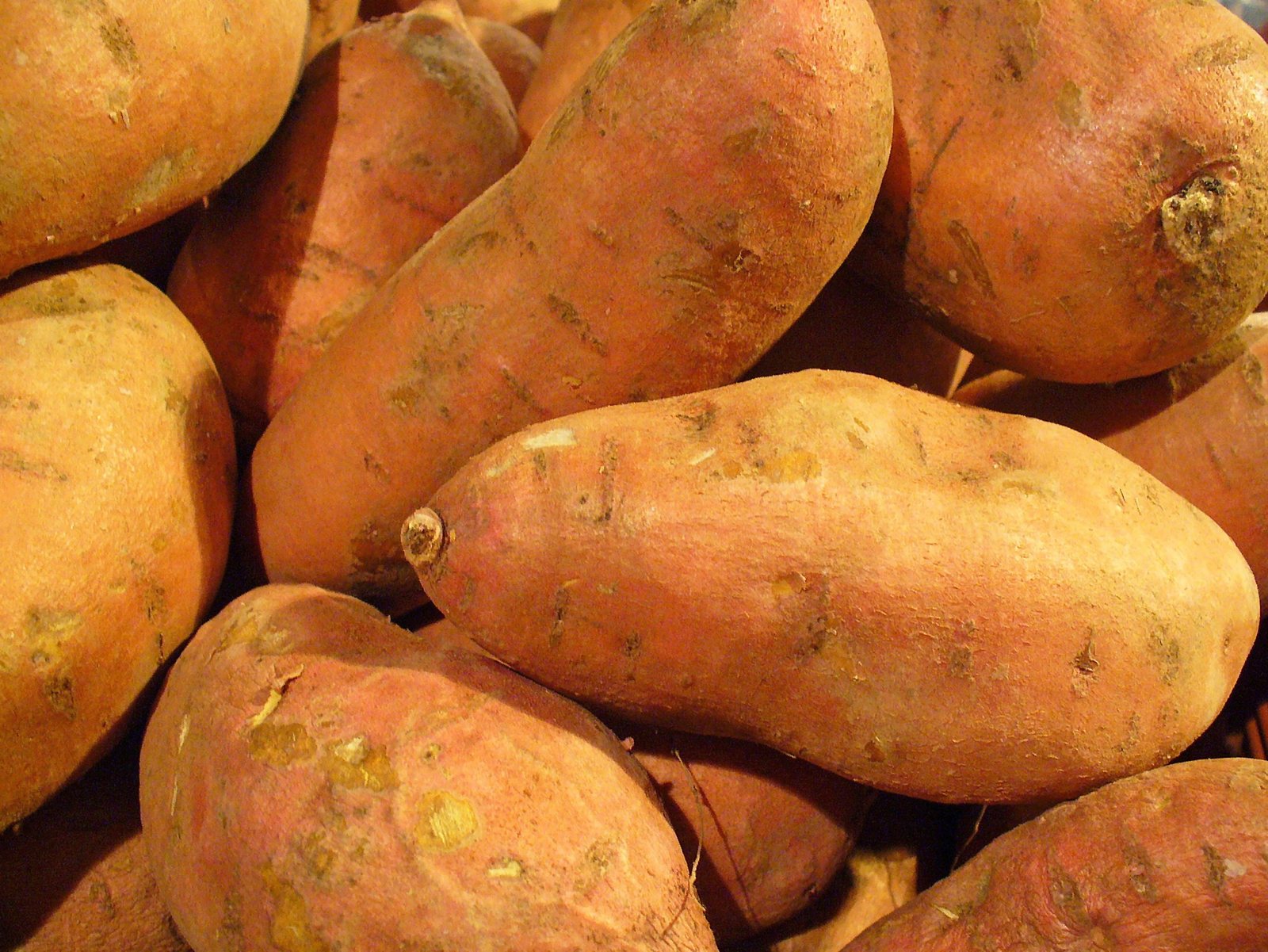
This tender, trailing sweet potato is grown for its bright chartreuse leaves rather than its flowers or edible roots. A tropical perennial, it is grown as an annual in most gardens, quickly spilling over containers or covering bare soil during warm weather.
At a glance
- Sun
- Full sun to partial shade; give afternoon shade in very hot climates if the leaves scorch.
- Water
- Keep evenly moist but not waterlogged. Containers may need daily watering in hot, windy weather.
- Soil
- Fertile, well-drained soil or a good-quality container compost; avoid ground that stays wet.
- Height
- 0.5-1 ft (0.15-0.3 m)
- Spread
- 3-6 ft (0.9-1.8 m)
- Foliage
- Evergreen. Large, heart-shaped to shallowly lobed leaves in bright lime green to chartreuse; colour is usually strongest in good light.
- Growth
- Fast in warm weather.
- Care needed
- Low
The year at a glance
- Heat tolerant
- Wildlife
- Low allergen
| J | F | M | A | M | J | J | A | S | O | N | D | |
|---|---|---|---|---|---|---|---|---|---|---|---|---|
| Plant |
Northern hemisphere months. In Australia, shift them by six.
- Difficulty
- Easy
- Toughness
- Fairly tough
Will it suit your garden?
Pick your zone, country, light and whether you have pets.
Full sun is 6 or more hours of direct sun a day, part shade 3 to 6 hours, shade under 3.
How it grows
Planting day
0.5 ft (0.15 m)
After 1 year
0.7 ft (0.22 m)
full size
Full size in one season.
From a typical nursery size, at an average rate for this kind of plant. A rule of thumb, not a forecast.
Good to know
- Cats and dogs
- Safe
- In the garden
- Spreads vigorously: plan to contain it.
- Growth rate
- Fast
Care
Jobs through the year
- WaterMay, Sep–Oct, every 7 days
- Water established beds when the surface starts drying, allowing for rain; water new plants more frequently.
- WaterJun–Aug, every 4 days
- Keep established beds moderately moist without saturation; check containers daily in hot weather.
- FeedJun–Sep, every 28 days
- Feed container plants with balanced liquid fertiliser at label strength; avoid routine feeding in fertile beds.
- PruneMay–Sep
- Pinch young tips and shorten spreading stems above a leaf joint before they smother neighbours.
- ProtectSep–Oct
- Bring selected plants or rooted cuttings into warm, bright, frost-free shelter before cold nights.
- Plant outside only after frost risk has passed and the soil has warmed.
- Water when the soil surface starts to dry; use containers with drainage holes.
- Feed container plants with a balanced liquid fertiliser at the label rate during active growth; avoid heavy feeding in fertile beds.
- Leave room for spreading stems and keep them from smothering smaller neighbours.
- Before frost, take cuttings indoors if you want to keep the plant for next year.
Pruning. Pinch young shoot tips to encourage branching. During the growing season, shorten trailing stems just above a leaf joint whenever they outgrow their space, and remove damaged foliage.
Through the year
- Early spring
- Pot up overwintered plants and keep them warm in bright light; take cuttings once new growth starts.
- Late spring
- Harden plants off and plant outside after the last frost, once nights are consistently mild.
- Early summer
- Pinch tips to build a fuller plant and begin feeding container-grown plants.
- Summer
- Check containers frequently for water and trim stems that cover neighbouring plants.
- Early autumn
- Take healthy stem cuttings before cold nights arrive if you want to overwinter plants.
- Winter
- Keep saved plants frost-free in bright light and water sparingly without letting the root ball dry completely.
In the garden
- Trail over large pots and hanging baskets beneath upright plants such as cannas or coleus.
- Use as a seasonal groundcover at the front of warm, sunny borders.
- Pair with purple foliage or deep blue flowers for strong colour contrast.
- Let stems spill over raised beds or low retaining walls to soften their edges.
Garden styles it suits: Modern tropical, Tropical, Urban city garden, Modern courtyard, Hot border and Small-space.
Plant it with: Coleus, Canna, Angelonia, Petunia, Purple fountain grass and Salvia.
Wildlife: Dense foliage can shelter small garden animals. Flowers are uncommon on this cultivar, so it offers little reliable nectar or pollen.
Problems to watch for
- Slugs and snails chew holes in leaves: remove hiding places, hand-pick at dusk, or use an approved iron-phosphate bait.
- Spider mites cause stippled leaves and fine webbing in hot, dry conditions: rinse leaf undersides and use insecticidal soap if needed, following the label.
- Root rot causes yellowing and collapse in wet soil: improve drainage and let the surface begin to dry between waterings.
- Cold damage blackens leaves and stops growth: delay spring planting and protect or bring plants indoors before frost.
Safety
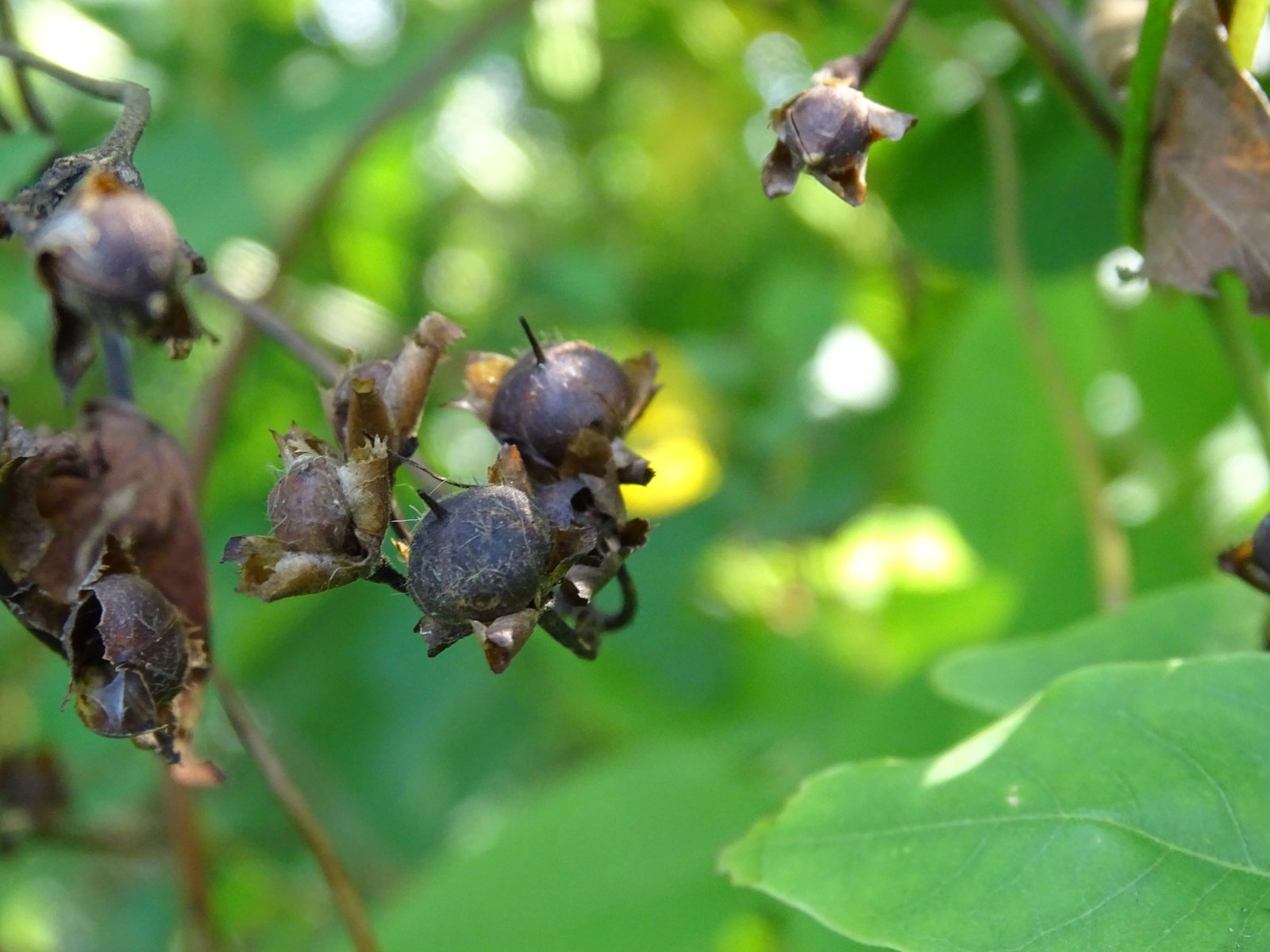
The leaves and storage roots are not known to be toxic to people, cats, dogs or horses. Eating a large amount may still cause digestive upset. This ornamental cultivar is not selected for eating, and nursery plants may have received pesticides unsuitable for food crops; do not eat seeds.
Where it spreads. In frost-free tropical gardens, including Hawaii and northern Australia, sweet potato vines can spread aggressively as stems root where they touch moist soil. Keep growth within the garden and do not dump stems in natural areas.
Easily confused with
Edible sweet potato (Ipomoea batatas)
It is the same species, but food cultivars are selected for useful storage roots and usually have green or purple-tinged foliage rather than uniformly chartreuse leaves.
Golden pothos (Epipremnum aureum)
Pothos has thicker, glossy leaves and conspicuous aerial roots at the nodes; 'Marguerite' has softer, thinner leaves and herbaceous trailing stems.
The name
Ipomoea comes from Greek words referring to a worm and resemblance, describing the twining habit, while batatas derives from an Indigenous Caribbean name for sweet potato.
Propagation. Take non-flowering stem cuttings during warm weather, remove the lower leaves and root them in water or moist propagation compost. Pot up promptly once roots form; cuttings preserve the cultivar's foliage colour and habit.
Checked against open data
- Accepted botanical name
- Ipomoea batatas
- In the US and Canada
- Introduced in Hawaii, the lower 48 states, Navassa Island, Pacific Basin, Puerto Rico, Puerto Rico, US Virgin Islands and US Virgin Islands.
- Native range
- Belize, Colombia, Costa Rica, Ecuador, El Salvador, Guatemala, Honduras, Mexico Gulf, Mexico Northeast, Mexico Southeast, Mexico Southwest and Nicaragua.
Sources: GBIF (CC BY 4.0), USDA PLANTS and Trefle (CC BY 4.0). The care and design notes are LandscapeGPT's own.
See it in your own yard.
Upload a photo of your yard and see it redesigned with plants that suit your climate, each checked against your zone.