Pecan
Carya illinoinensis. Family Juglandaceae. Tree.
Also called Pecan hickory.
Pecan is a large, deciduous North American tree grown for its edible nuts, broad shade and yellow autumn foliage. It needs ample space and a long, warm growing season to ripen nuts; winter survival alone does not guarantee a crop. Cropping is most dependable in suitable parts of the United States and Australia, while the UK and most of Canada are too cool for reliable harvests.
At a glance
- Sun
- Full sun; allow the crown open exposure for good flowering and nut development.
- Water
- Moderate to high; water deeply during dry weather, particularly while young and during nut development.
- Soil
- Deep, fertile, well-drained soil that retains moisture, ideally slightly acidic to neutral. Avoid shallow soil, permanent waterlogging and strongly alkaline ground.
- Height
- 60-100 ft (18-30 m)
- Spread
- 40-75 ft (12-23 m)
- Flowers
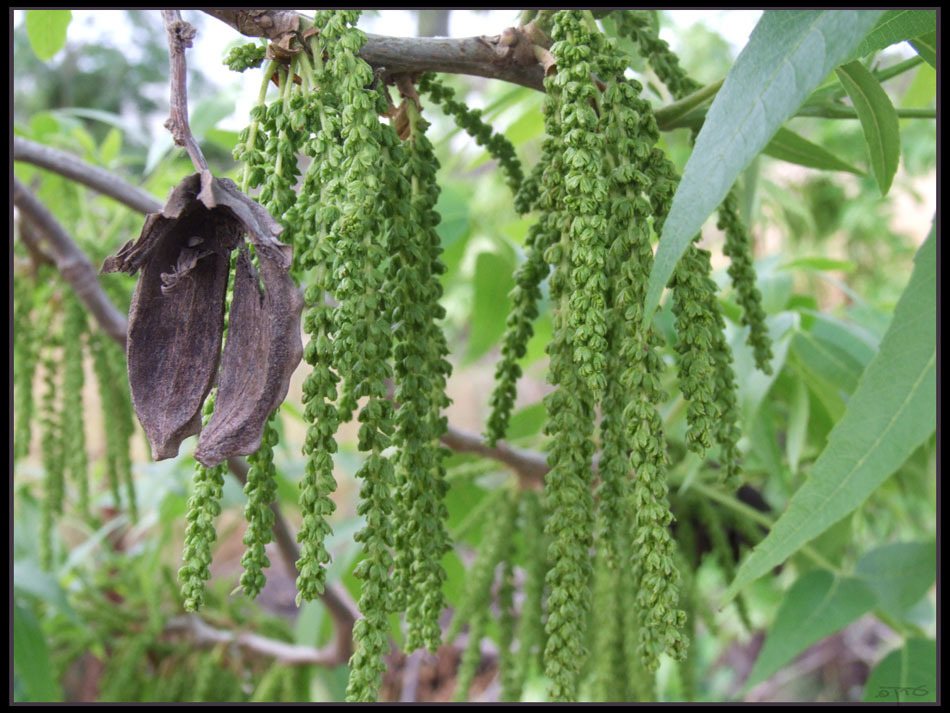
- Spring; yellow-green male catkins and small, inconspicuous green female flowers on the same tree.
- Foliage
- Large, alternate leaves divided into usually 9-17 narrow, toothed leaflets, often curved at the tips; green in summer and yellow to yellow-brown in autumn.
- Growth
- Moderate to fast in warm climates with adequate moisture.
- Care needed
- High
The year at a glance
- Heat tolerant
- Wildlife
- Edible
| J | F | M | A | M | J | J | A | S | O | N | D | |
|---|---|---|---|---|---|---|---|---|---|---|---|---|
| Flowers | ||||||||||||
| Fruit | ||||||||||||
| Plant |
Northern hemisphere months. In Australia, shift them by six.
- Difficulty
- Hard
- Toughness
- Fairly tough
Will it suit your garden?
Pick your zone, country, light and whether you have pets.
Full sun is 6 or more hours of direct sun a day, part shade 3 to 6 hours, shade under 3.
How it grows
Planting day
9 ft (2.9 m)
After 1 year
14 ft (4.2 m)
After 2 years
18 ft (5.5 m)
After 3 years
22 ft (6.8 m)
After 5 years
31 ft (9.5 m)
About 16 years to full size.
From a typical nursery size, at an average rate for this kind of plant. A rule of thumb, not a forecast.
Good to know
- Cats and dogs
- Safe
- Native to
- the US
- Growth rate
- Fast
Care
Jobs through the year
- WaterApr–May, Oct, every 14 days
- Water established trees deeply if soil is dry; young trees need more frequent root-zone checks.
- WaterJun–Sep, every 7 days
- Soak the root zone during dry weather, especially while nuts enlarge and kernels fill.
- PruneFeb–Mar
- Train young trees to a central leader; prune mature trees sparingly and use an arborist for large limbs.
- MulchMar–Apr
- Refresh organic mulch, keep it off the trunk and suppress grass around young trees.
- FeedMar–Apr
- Apply nutrients only as indicated by soil tests or local recommendations; confirm zinc deficiency before treatment.
- HarvestSep–Nov
- Collect fallen nuts as husks split; remove husks and air-dry until kernels snap rather than bend.
- ProtectNov
- Remove fallen husks and spoiled nuts to reduce pest carryover; keep mouldy nuts away from pets.
- Choose a grafted cultivar suited to your local season length; northern areas need early-ripening selections.
- For dependable crops, plant two compatible cultivars with overlapping pollen release and female flower receptivity, usually one Type I and one Type II.
- Water young trees deeply through dry spells, and prevent drought stress while established trees are filling nuts.
- Spread organic mulch over the root area, keeping it clear of the trunk; limit grass competition around young trees.
- Use soil tests to guide feeding. Have suspected zinc deficiency confirmed before treating, especially on alkaline soils.
- Allow room for the mature crown and keep the tree away from buildings, overhead wires and heavily used paved areas.
Pruning. Train young trees in late winter while dormant to a strong central leader with well-spaced branches, removing competing leaders and narrow forks. Prune mature trees sparingly to remove dead, damaged or crossing wood; use a qualified arborist for large limbs and never top the tree.
Harvest
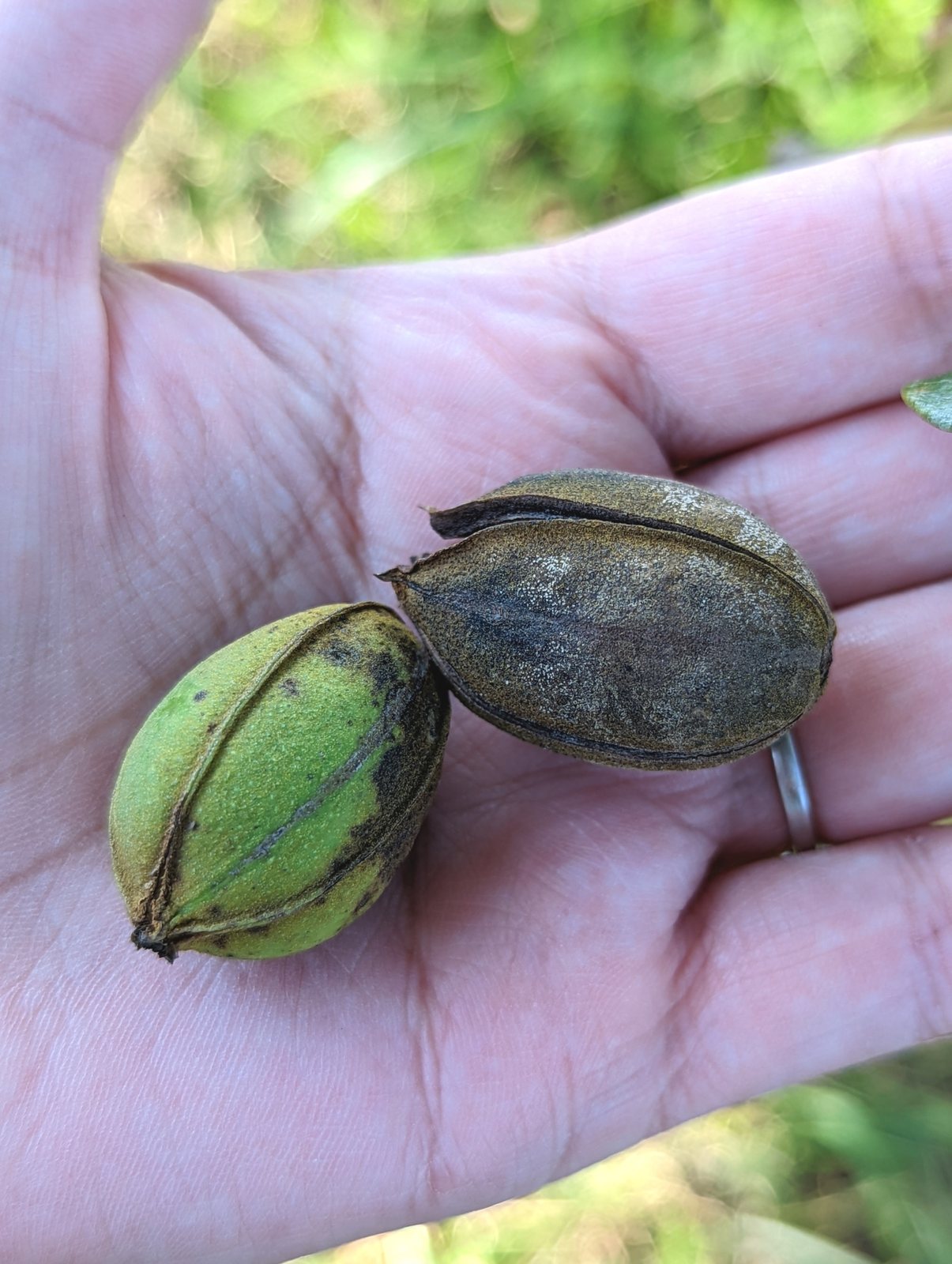
Harvest nuts when the green husks split and brown-shelled nuts fall: usually September–November in the US, October–November where they ripen in the UK or southern Canada, and March–May in Australia. Collect fallen nuts promptly, remove any remaining husks, and dry them in a single layer somewhere airy and sheltered until the kernels snap rather than bend.
Through the year
- Winter
- Choose locally suitable grafted cultivars and check that their pollination periods overlap.
- Late winter
- Plant dormant trees where soil is workable, and carry out light structural pruning before budbreak.
- Spring
- Refresh mulch, check irrigation and apply nutrients only as indicated by soil tests or local recommendations.
- Late spring
- Inspect developing leaves and nuts for scab and aphids, especially during humid weather.
- Summer
- Maintain deep watering during dry periods, particularly as nuts enlarge and kernels fill.
- Autumn
- Collect ripe nuts promptly as the husks split and nuts fall; dry them in a sheltered, well-ventilated place before storage.
- Late autumn
- Remove fallen husks and spoiled nuts to reduce pest carryover and keep mouldy material away from pets.
In the garden
- Use as a broad shade tree in a large lawn, well away from patios where falling nuts and twigs would be troublesome.
- Plant compatible cultivars in a spacious home orchard with access for watering and harvesting.
- Use as an upper-canopy tree in a large food forest, with smaller fruiting trees beyond its densest shade.
- Combine with native grasses and flowering perennials around the sunny edge of the canopy for a parkland effect.
Garden styles it suits: Backyard orchard, Edible landscape, Homestead, Grand estate, Southern and Food forest.
Plant it with: Eastern redbud, Pawpaw, Serviceberry, Switchgrass, Purple coneflower and Black-eyed Susan.
Wildlife: Nuts feed squirrels, other small mammals and some birds. The canopy supports insects and provides shelter and nesting sites; flowers are wind-pollinated rather than a major nectar source.
Problems to watch for
- Pecan scab causes dark lesions on leaves and husks and can ruin crops in humid regions. Choose locally proven resistant cultivars, maintain airflow and seek local advice before using a fungicide programme.
- Aphids cause sticky honeydew, sooty mould or yellow spotting. Encourage beneficial insects, avoid excess nitrogen and treat only damaging infestations with a locally approved product.
- Pecan weevils can leave empty or grub-infested nuts where this pest occurs. Collect and destroy damaged nuts and obtain local advice on monitoring and treatment timing.
- Poor or unfilled crops result from inadequate pollination, short cool summers or drought during kernel filling. Match early-ripening cultivars to your climate, provide compatible pollen and maintain summer moisture.
Safety
Sound kernels are edible for people, though pecans can cause severe reactions in people with tree-nut allergies. Fresh pecan foliage and wood are not known to be seriously toxic to cats, dogs or horses. Do not offer nuts or husks to pets or livestock: shells can cause choking or intestinal blockage, and mouldy nuts can contain toxins that cause tremors or seizures, particularly in dogs.
Easily confused with
Bitternut hickory (Carya cordiformis)
Has conspicuous sulphur-yellow winter buds, usually 7-9 leaflets and small, bitter nuts; pecan has longer nuts and usually more leaflets.
Black walnut (Juglans nigra)
Its nuts sit inside thick, rounded green husks that do not split neatly into four sections. Pecan nuts are elongated, with husks that split along four seams.
Shagbark hickory (Carya ovata)
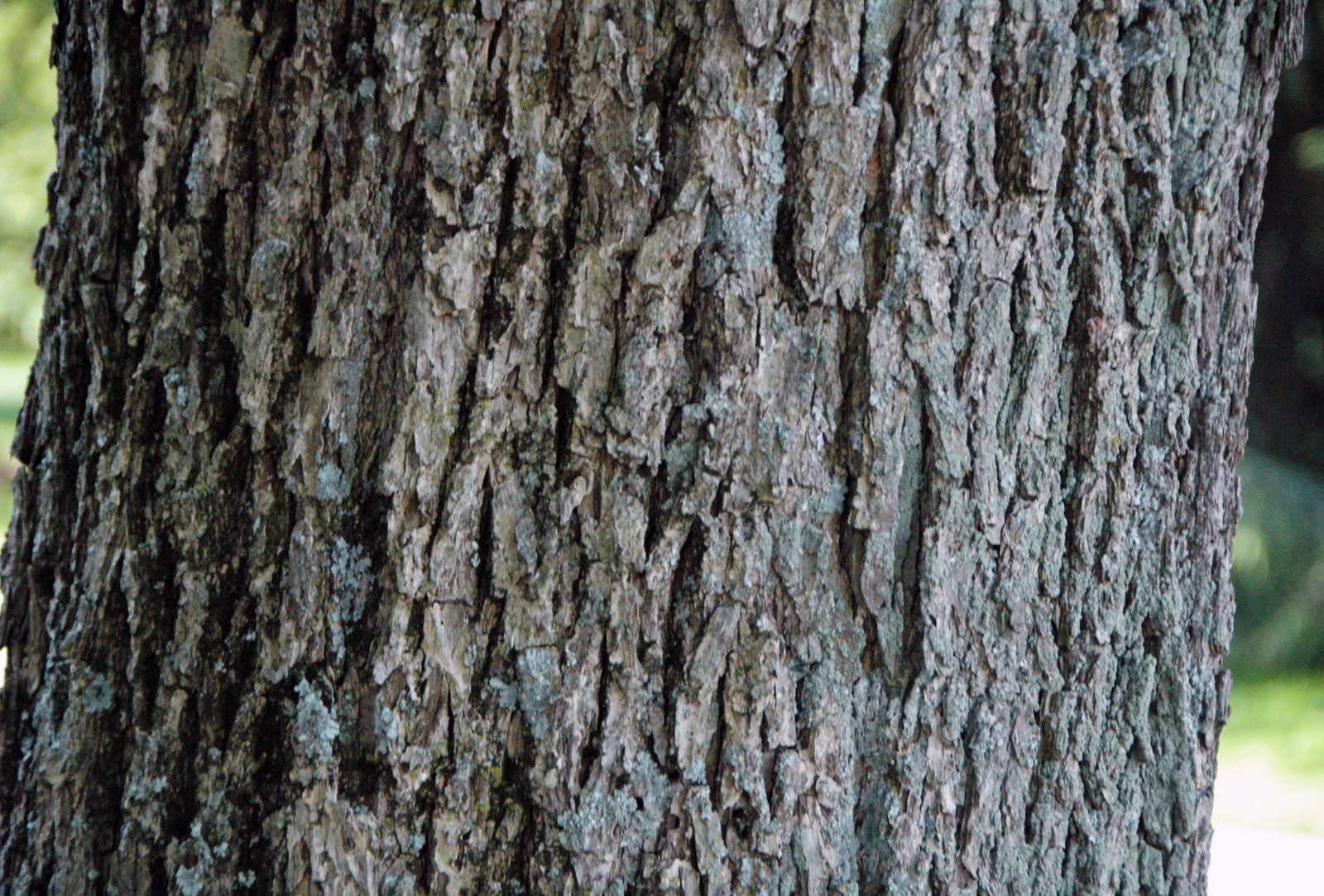
Mature bark peels in long, loose strips, and leaves usually have five leaflets. Pecan bark is ridged rather than conspicuously shaggy, and its leaves have many more leaflets.
The name
Carya comes from the Greek word for a nut tree, illinoinensis refers to Illinois, and pecan derives from an Algonquian word for a nut requiring a stone to crack.
Propagation. Sow fresh nuts after cold, moist stratification to raise seedlings, but expect variable nuts and a long wait for bearing. Named cultivars must be budded or grafted onto suitable rootstocks; buying a grafted tree is the practical choice for predictable harvests.
Checked against open data
- Accepted botanical name
- Carya illinoinensis
- In the US and Canada
- Native in the lower 48 states.
- Native range
- Arkansas, Illinois, Indiana, Iowa, Kansas, Kentucky, Louisiana, Mexico Central, Mexico Gulf, Mexico Northeast, Mexico Southwest and Mississippi.
- Measured
- Average height 1750 cm.
Sources: GBIF (CC BY 4.0), USDA PLANTS and Trefle (CC BY 4.0). The care and design notes are LandscapeGPT's own.
See it in your own yard.
Upload a photo of your yard and see it redesigned with plants that suit your climate, each checked against your zone.