Red campion
Silene dioica. Family Caryophyllaceae. Perennial.
Also called Red catchfly.
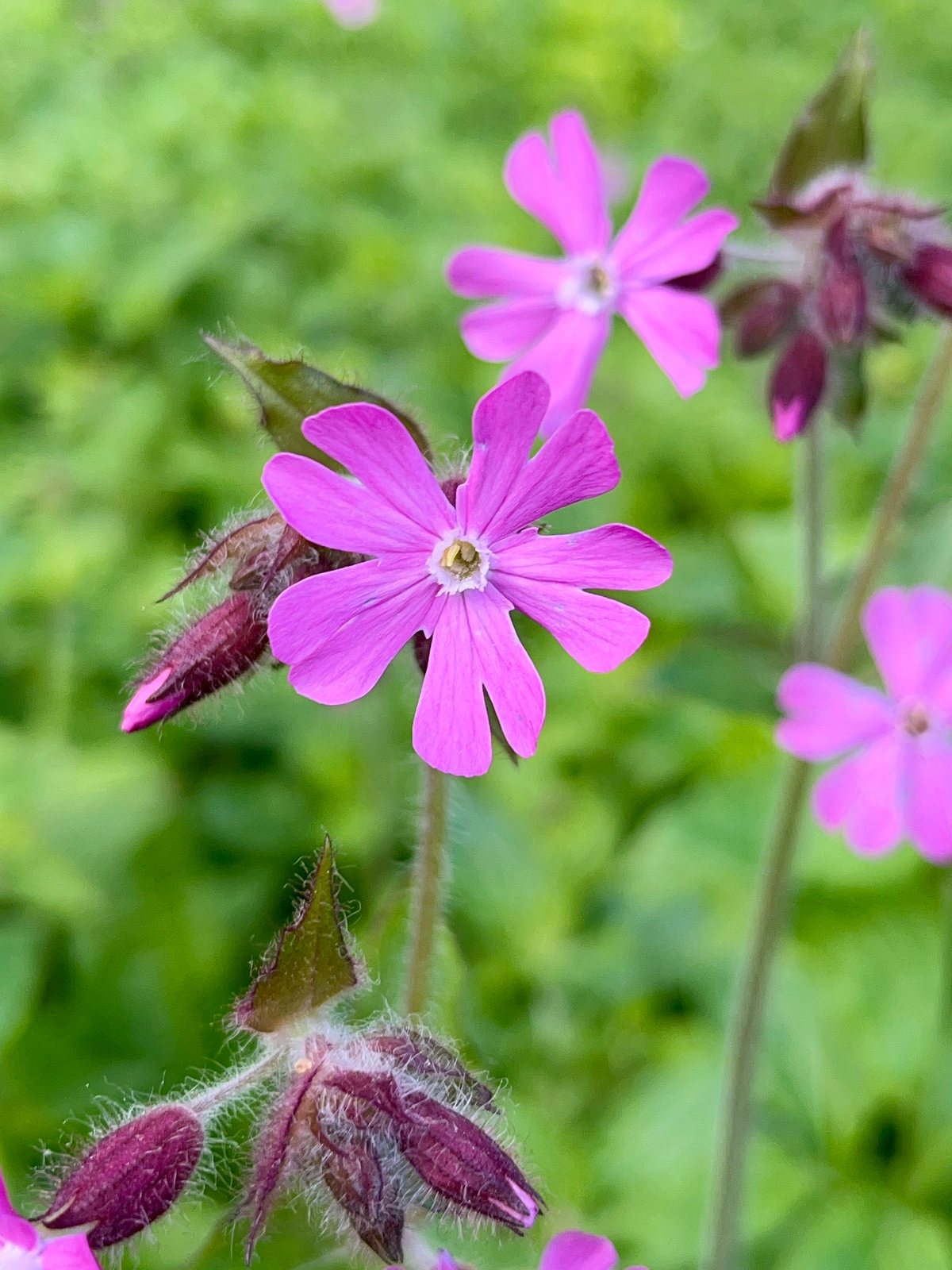
Red campion is a usually short-lived perennial native to Europe, grown for its loose clusters of rosy-pink flowers above softly hairy leaves. It suits moist woodland edges, informal borders and wildlife gardens, where it can renew itself by self-seeding.
At a glance
- Sun
- Partial shade or full sun where the soil stays moist; afternoon shade is helpful in warmer climates.
- Water
- Keep the soil moderately moist, especially while plants establish and during dry spells. Avoid prolonged waterlogging.
- Soil
- Humus-rich, moisture-retentive but well-drained soil; tolerates clay, loam and chalk and a broad range of soil pH.
- Height
- 1.5-3 ft (0.45-0.9 m)
- Spread
- 1-1.5 ft (0.3-0.45 m)
- Flowers
- Rosy-pink, deeply notched flowers from late spring through summer, sometimes continuing into early autumn.
- Foliage
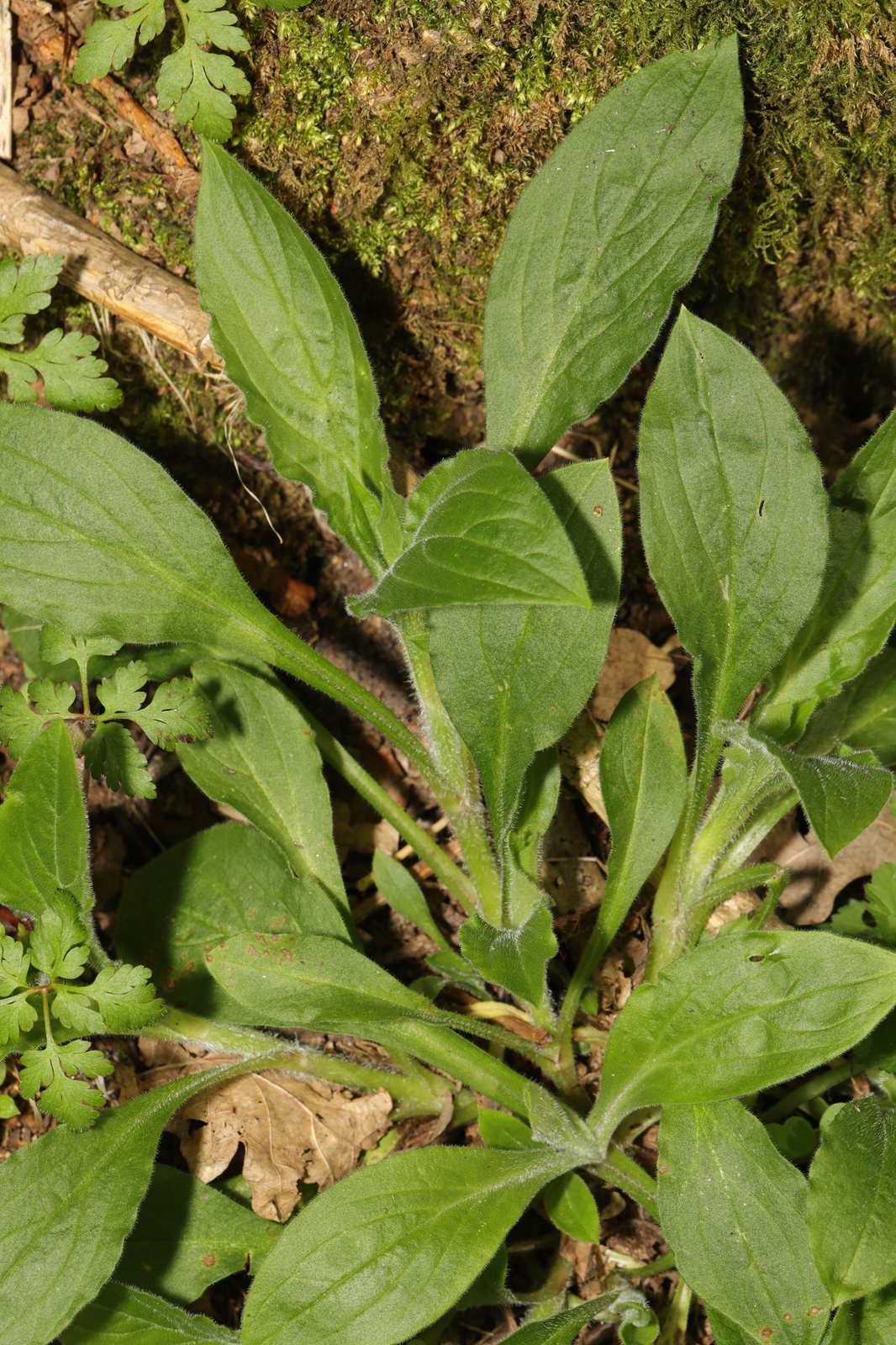
- Softly hairy, oval green leaves in opposite pairs, with lower leaves forming a basal clump.
- Growth
- Moderate to fast
- Care needed
- Low
The year at a glance
- Pollinators
- Wildlife
- Low allergen
| J | F | M | A | M | J | J | A | S | O | N | D | |
|---|---|---|---|---|---|---|---|---|---|---|---|---|
| Flowers | ||||||||||||
| Fruit | ||||||||||||
| Plant |
Northern hemisphere months. In Australia, shift them by six.
- Difficulty
- Easy
- Toughness
- Fairly tough
Will it suit your garden?
Pick your zone, country, light and whether you have pets.
Full sun is 6 or more hours of direct sun a day, part shade 3 to 6 hours, shade under 3.
How it grows
Planting day
1 ft (0.3 m)
After 1 year
1.5 ft (0.46 m)
After 2 years
2 ft (0.61 m)
After 3 years
2.2 ft (0.68 m)
full size
About 2 years to full size.
From a typical nursery size, at an average rate for this kind of plant. A rule of thumb, not a forecast.
Good to know
- Cats and dogs
- Mildly toxic: may upset a stomach
- Native to
- the UK
- In the garden
- Spreads vigorously: plan to contain it.
- Growth rate
- Fast
Care
Jobs through the year
- WaterApr–May, Sep–Oct, every 14 days
- Water established plants during dry spells; keep newly planted clumps moderately moist.
- WaterJun–Aug, every 7 days
- Water deeply during dry weather before the root zone dries out completely.
- FeedMar–Apr
- Apply a thin compost dressing; avoid rich or high-nitrogen feeding.
- MulchApr
- Apply a light moisture-conserving mulch, keeping crowns clear.
- PruneFeb–Mar
- Remove dead stems without damaging emerging basal growth.
- DeadheadJun–Aug, every 14 days
- Cut spent stems to basal leaves for possible repeat bloom; retain a few for seed if wanted.
- DivideMar–Apr
- Divide healthy clumps only when crowded or flowering declines.
- ProtectMar–May, every 7 days
- Check young growth for slugs and snails and control damage as needed.
- Water during prolonged dry weather rather than letting the root zone dry out completely.
- Apply a thin layer of compost in spring; rich feeding is usually unnecessary.
- Mulch around plants to conserve moisture, keeping mulch clear of the crowns.
- Remove unwanted seedlings while small, especially near smaller border plants.
- Divide healthy clumps in spring if they become crowded or flowering declines.
Pruning. Cut spent flower stems back to the basal leaves after the main flush to encourage fresh growth and possible repeat flowering. Leave a few stems to ripen seed if you want replacement plants, then remove dead growth in late winter.
Through the year
- Late winter
- Remove dead stems without damaging emerging basal growth.
- Spring
- Plant or divide clumps and water them in thoroughly.
- Spring
- Apply compost and a light mulch; thin crowded self-sown seedlings.
- Summer
- Water in dry spells and cut back spent stems for a possible second flush.
- Late summer
- Allow selected seed capsules to turn brown, then collect seed before they shed.
- Autumn
- Sow fresh seed in pots outdoors or in a prepared patch of soil.
In the garden
- Plant in loose groups along a lightly shaded woodland edge with ferns and primroses.
- Weave through cottage borders for informal pink flowers between larger perennials.
- Use in a moist wildflower planting where self-seeding is welcome.
- Plant beneath open deciduous shrubs to soften their edges and provide summer flowers.
Garden styles it suits: Cottage garden, Woodland, Wildflower, Wildlife garden, Pollinator garden and English country.
Plant it with: Foxglove, Primrose, Wood avens, Hardy geranium, Lady fern and Meadow cranesbill.
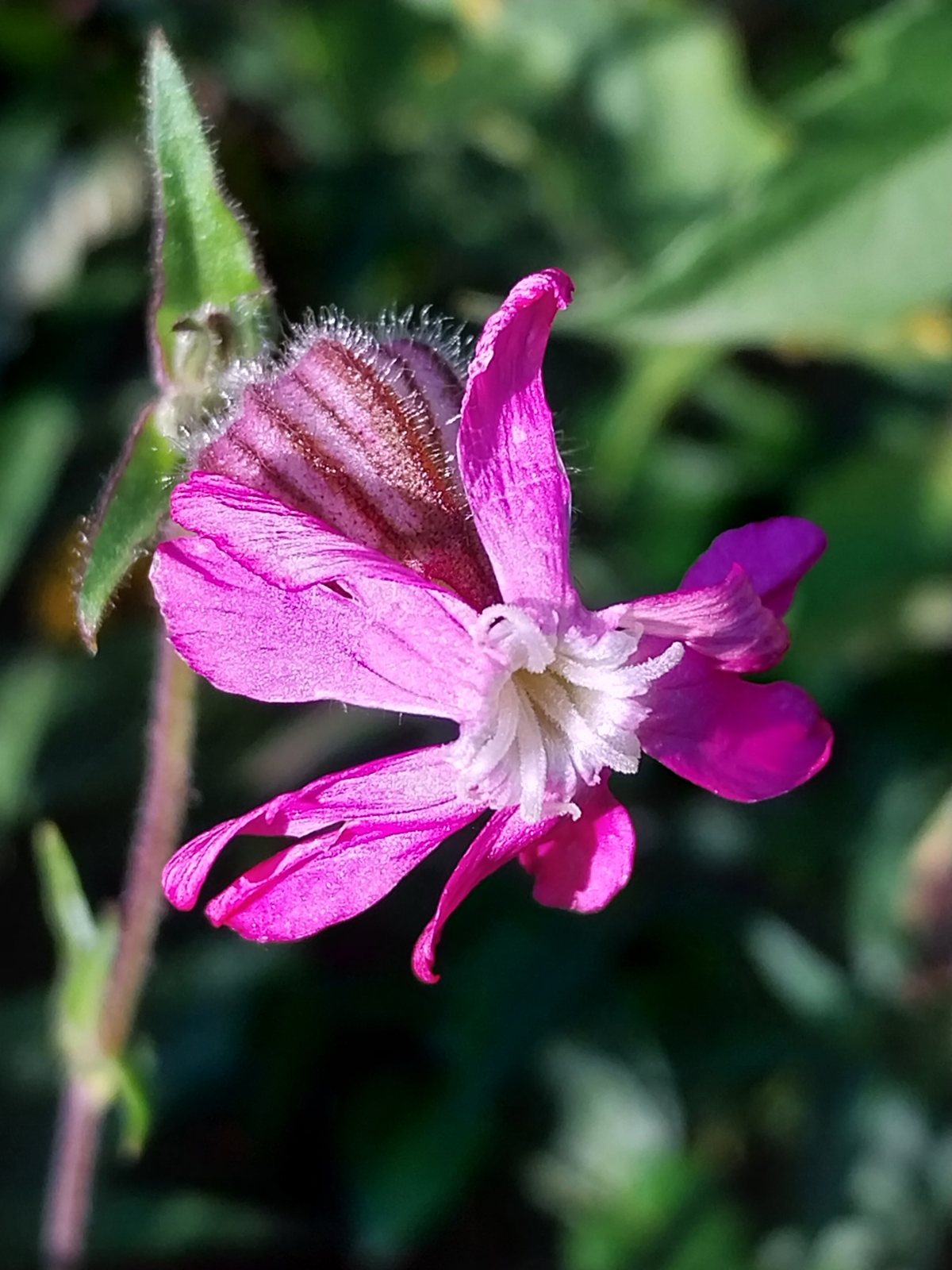
Wildlife: Flowers provide nectar and pollen for bees and other insects, including butterflies. Male and female flowers are usually carried on separate plants, so seed production normally requires both sexes nearby.
Problems to watch for
- Slugs and snails may eat young growth; check emerging plants after dark and use barriers or wildlife-conscious slug controls where needed.
- Aphids can gather on soft shoots; wash them off with water and encourage natural predators.
- Powdery mildew may affect crowded or drought-stressed plants; improve air circulation and water the soil during dry spells.
- Plants may flop or flower poorly in deep shade or heavily fertilized soil; move to brighter light and avoid high-nitrogen feeding.
Safety
Red campion is not generally known as a poisonous garden plant, but reliable species-specific information for cats, dogs, horses and people is limited. It contains saponins and should not be treated as edible; avoid ingestion of any part, as substantial amounts may cause digestive upset.
Where it spreads. Can self-seed freely in moist gardens, particularly in the UK and other cool, temperate regions. It is introduced and naturalized in parts of the United States and Canada; keep seedlings out of nearby natural vegetation where it is not native.
Easily confused with
White campion (Silene latifolia)
Usually has white rather than pink flowers, which are especially conspicuous and fragrant in the evening; hybrids with red campion may have pale pink flowers.
Ragged robin (Silene flos-cuculi)
Its pink petals are divided into narrow, ragged strips rather than the broad, two-lobed petals of red campion; its leaves are also narrower.
Rose campion (Silene coronaria)
Has conspicuously silvery, woolly leaves and stems, with flatter, usually stronger magenta flowers; red campion has green foliage.
The name
The species name dioica means 'two houses', referring to the male and female flowers usually growing on separate plants.
Propagation. Sow seed in pots outdoors in autumn or spring, covering it lightly; germination can be uneven. Divide established clumps in spring. Seedlings may vary, and red campion can hybridize with white campion where both grow.
Checked against open data
- Accepted botanical name
- Silene dioica
- In the US and Canada
- Introduced in Canada and the lower 48 states.
- Native range
- Austria, Baltic States, Belarus, Belgium, Bulgaria, Central European Rus, Czechoslovakia, Denmark, East European Russia, Finland, France and Føroyar.
- Measured
- Soil pH 7 to 7.5. Average height 30 cm.
Sources: GBIF (CC BY 4.0), USDA PLANTS and Trefle (CC BY 4.0). The care and design notes are LandscapeGPT's own.
See it in your own yard.
Upload a photo of your yard and see it redesigned with plants that suit your climate, each checked against your zone.