Red Russian kale
Brassica napus 'Red Russian'. Family Brassicaceae. Annual.
Also called Ragged Jack kale, Russian red kale.
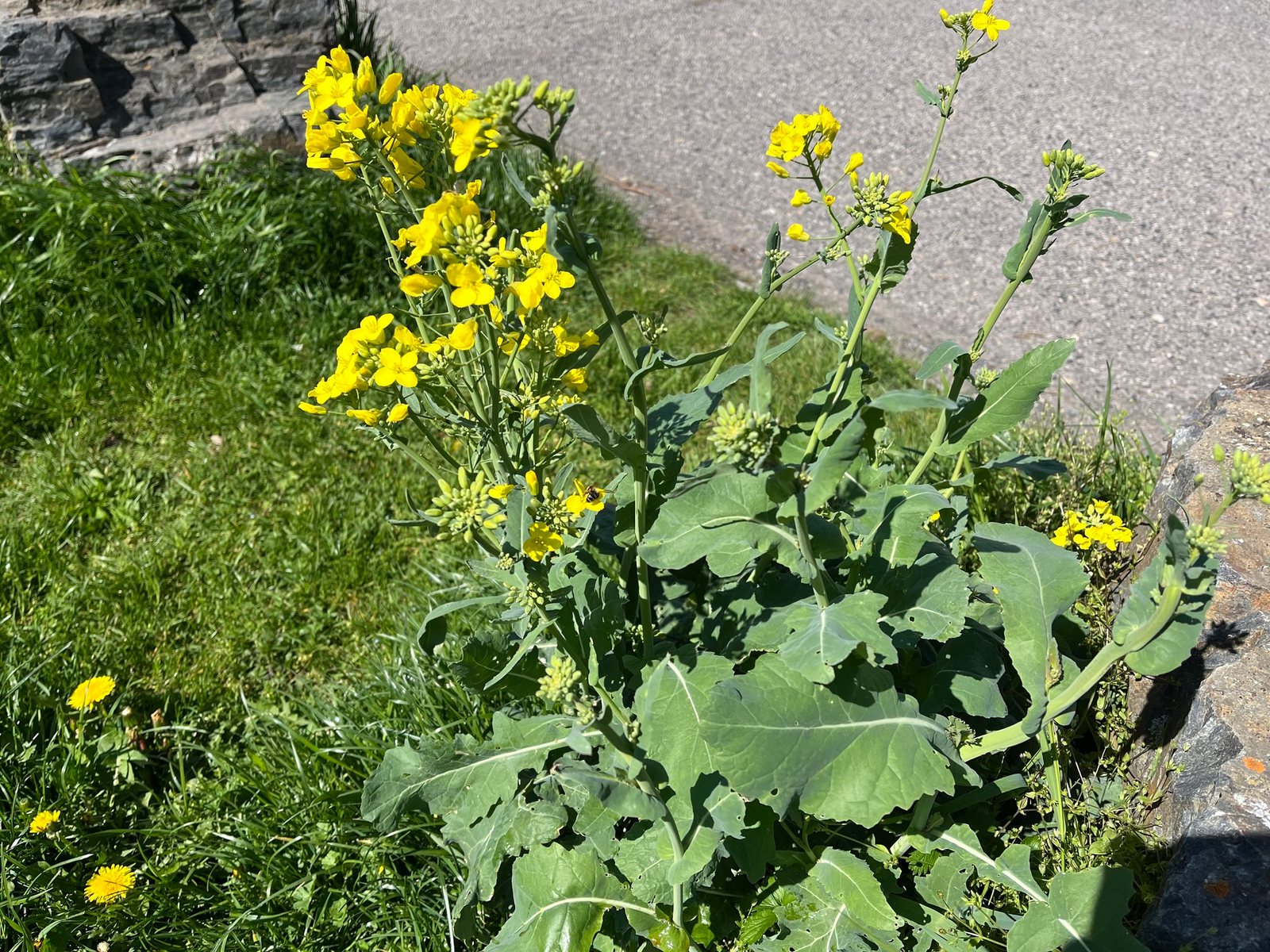
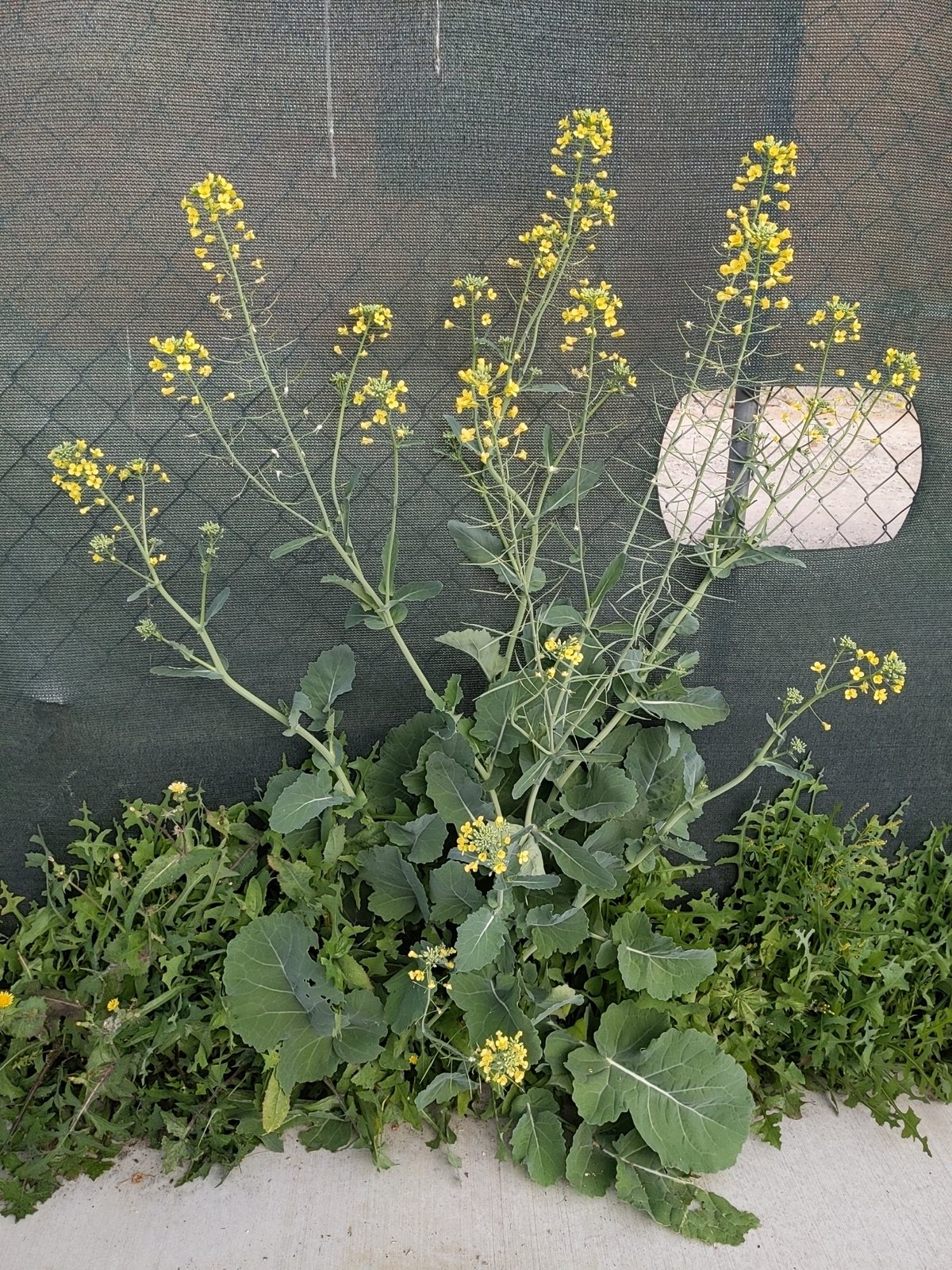
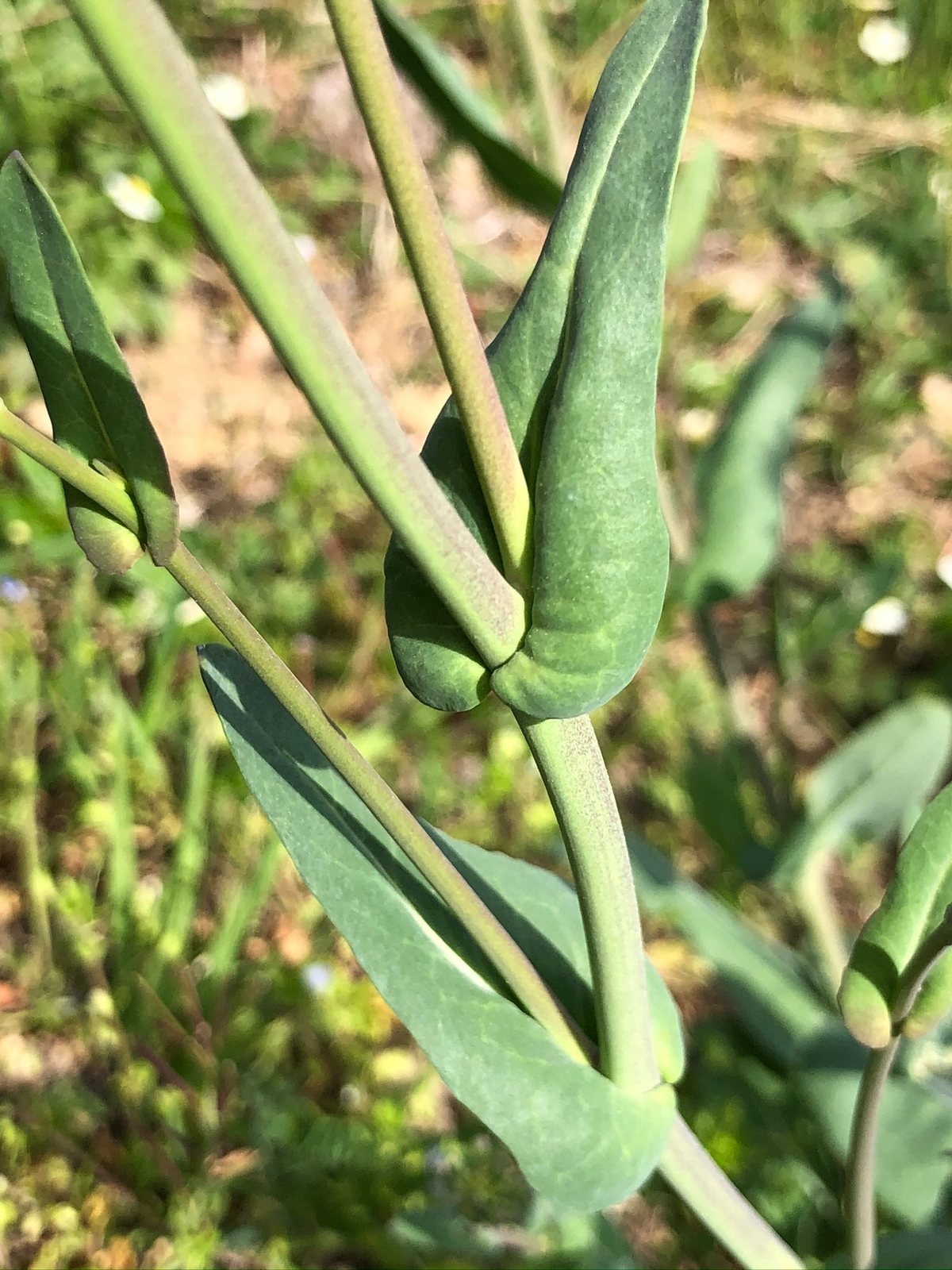
Red Russian kale is a leafy vegetable with flat, deeply lobed, grey-green leaves and purple-red stems and veins. Botanically a biennial, it is usually grown as an annual for tender young leaves and larger cooking greens; cool weather improves its flavour and colour.
At a glance
- Sun
- Full sun; light afternoon shade helps in hot climates.
- Water
- Keep evenly moist, providing about 1 in (2.5 cm) of water weekly in dry weather; containers may need watering more often.
- Soil
- Fertile, moisture-retentive but well-drained soil, ideally pH 6.0-7.5.
- Height
- 1.5-3 ft (0.45-0.9 m)
- Spread
- 1-2 ft (0.3-0.6 m)
- Foliage
- Flat, oak-like, deeply lobed leaves with softly ruffled edges, grey-green blades and purple-red veins and stalks; colour deepens in cool weather.
- Growth
- Fast; baby leaves are often ready in 25-35 days and larger leaves in 50-65 days, depending on conditions.
- Care needed
- Medium
The year at a glance
- Low allergen
- Edible
| J | F | M | A | M | J | J | A | S | O | N | D | |
|---|---|---|---|---|---|---|---|---|---|---|---|---|
| Fruit | ||||||||||||
| Plant |
Northern hemisphere months. In Australia, shift them by six.
- Difficulty
- Moderate
- Toughness
- Fairly tough
Will it suit your garden?
Pick your zone, country, light and whether you have pets.
Full sun is 6 or more hours of direct sun a day, part shade 3 to 6 hours, shade under 3.
How it grows
Planting day
0.5 ft (0.15 m)
After 1 year
2.2 ft (0.68 m)
full size
Full size in one season.
From a typical nursery size, at an average rate for this kind of plant. A rule of thumb, not a forecast.
Good to know
- Cats and dogs
- Mildly toxic: may upset a stomach
- Growth rate
- Fast
Care
Jobs through the year
- WaterMar–May, Sep–Nov, every 7 days
- For established plants, supply about 2.5 cm weekly including rain; water seedlings more often.
- WaterJun–Aug, every 3 days
- Check soil and water if drying, aiming for at least 2.5 cm weekly including rain.
- FeedMar–Apr, Jul–Sep
- Incorporate compost before planting; add a light nitrogen-rich feed only if growth is pale or slow.
- MulchMay, Aug–Sep
- Mulch planted beds with compost or clean straw, keeping stems clear.
- ProtectMar–Oct
- Cover crops with securely sealed insect mesh; inspect for trapped pests.
- ProtectJan–Mar, Nov–Dec
- Use fleece or a cold frame during severe freezes; survival depends on winter severity.
- PruneApr–Nov, every 14 days
- Remove damaged or yellow leaves and emerging flower stalks; replace plants once flowering reduces quality.
- HarvestJan–Feb, May–Dec, every 7 days
- Pick tender outer leaves, preserving the growing point; harvest winter survivors only when thawed.
- Space plants 12-18 in (30-45 cm) apart for repeated harvesting of full-sized leaves.
- Water at soil level before the root zone dries out; drought makes leaves tougher.
- Mix compost into the bed before planting and feed lightly with a nitrogen-rich fertiliser if growth becomes pale or slow.
- Mulch with compost or clean straw to conserve moisture, keeping it clear of the stems.
- Cover young plants with insect mesh, securing the edges against butterflies and flea beetles.
Pruning. Remove yellowing or damaged lower leaves as they appear. Cut out emerging flower stalks to briefly extend leaf picking, but replace plants once flowering reduces leaf quality.
Harvest
Pick baby leaves when they are about 3-4 in (7.5-10 cm) long, or harvest larger outer leaves while they are still tender, leaving the central growing point intact. Plants often provide full-sized leaves about 50-65 days after sowing; harvest regularly, preferably in cool conditions, and remove tough stalks from larger leaves before cooking.
Through the year
- Late winter
- In cold climates, sow indoors 4-6 weeks before the last expected frost.
- Early spring
- Harden off seedlings and plant out when the soil is workable; protect young plants from severe freezes.
- Late spring
- Thin direct-sown seedlings, mulch the bed and begin picking outer leaves.
- Summer
- Maintain moisture and inspect leaf undersides for eggs and caterpillars; sow an autumn crop roughly 8-10 weeks before the first expected frost.
- Autumn
- In mild-winter and hot-summer climates, sow or transplant for cool-season harvesting.
- Winter
- Harvest surviving plants during thawed conditions; use fleece or a cold frame where needed, and remove plants killed by prolonged freezing.
In the garden
- Plant in repeated groups through vegetable beds, using the purple stems to contrast with green lettuces.
- Edge a potager with closely spaced plants harvested regularly for young leaves.
- Combine with calendulas and chard in an edible border for contrasting leaf shapes and colours.
- Grow in large containers near the kitchen for convenient picking and cool-season foliage.
Garden styles it suits: Potager (kitchen garden), Edible landscape, Cottage garden, Homestead, Small-space and Autumn colour.
Plant it with: Lettuce, Spring onions, Beetroot, Swiss chard, Calendula and Dill.
Wildlife: Leaves feed cabbage white butterfly caterpillars and other brassica-feeding insects. If allowed to flower in its second season, its yellow flowers provide pollen and nectar for bees and hoverflies.
Problems to watch for
- Cabbage caterpillars chew holes and foul leaves: use well-sealed insect mesh, inspect regularly and hand-pick eggs and larvae.
- Aphids cluster on shoots and leaf undersides: dislodge with water, remove heavily infested leaves and use insecticidal soap if needed, following the label.
- Flea beetles pepper young leaves with small holes: protect seedlings with fine insect mesh and keep them growing steadily with adequate moisture.
- Clubroot causes swollen roots, stunting and wilting: remove affected plants, avoid moving contaminated soil and keep brassicas out of the bed for at least seven years; test soil before liming.
Safety
Leaves and tender stems are edible for people. Kale is not generally considered poisonous to cats or dogs in small food amounts, but large quantities can cause digestive upset. Brassicas can cause serious illness in horses and other grazing animals when eaten in quantity; do not offer kale plants or crop waste as fodder without veterinary advice.
Easily confused with
White Russian kale (Brassica napus 'White Russian')
Similar flat, lobed leaves, but the main stalks and veins are pale or white rather than purple-red.
Redbor kale (Brassica oleracea 'Redbor')
Leaves are densely curled and usually purple across most of the blade, unlike Red Russian's flatter grey-green leaves with coloured veins.
Siberian kale (Brassica napus)
Plants sold under this name usually have broader, more ruffled green leaves and green or pale stalks; seed strains vary.
The name
The name 'Red Russian' refers to its red-purple stems and veins and its association with Russian kale types.
Propagation. Grow from seed, sown about 0.25-0.5 in (0.6-1.3 cm) deep in modules or directly into the bed. For seed saving, overwinter healthy plants and isolate them from other flowering Brassica napus crops to reduce crossing.
Checked against open data
- Accepted botanical name
- Brassica napus
- In the US and Canada
- Introduced in Alaska, Canada, Greenland and the lower 48 states.
- Native range
- France.
- Measured
- Soil pH 6 to 7.2. Average height 39 cm.
Sources: GBIF (CC BY 4.0), USDA PLANTS and Trefle (CC BY 4.0). The care and design notes are LandscapeGPT's own.
See it in your own yard.
Upload a photo of your yard and see it redesigned with plants that suit your climate, each checked against your zone.