Redmond American linden
Tilia americana 'Redmond'. Family Malvaceae. Tree.
Also called Redmond basswood, Redmond American lime.
Redmond is a deciduous American linden selected for its straight trunk and dense, upright, broadly pyramidal crown. Gardeners grow it for summer shade, large heart-shaped leaves and fragrant flowers that attract bees. It needs a large garden and performs best where summers are not persistently hot and dry.
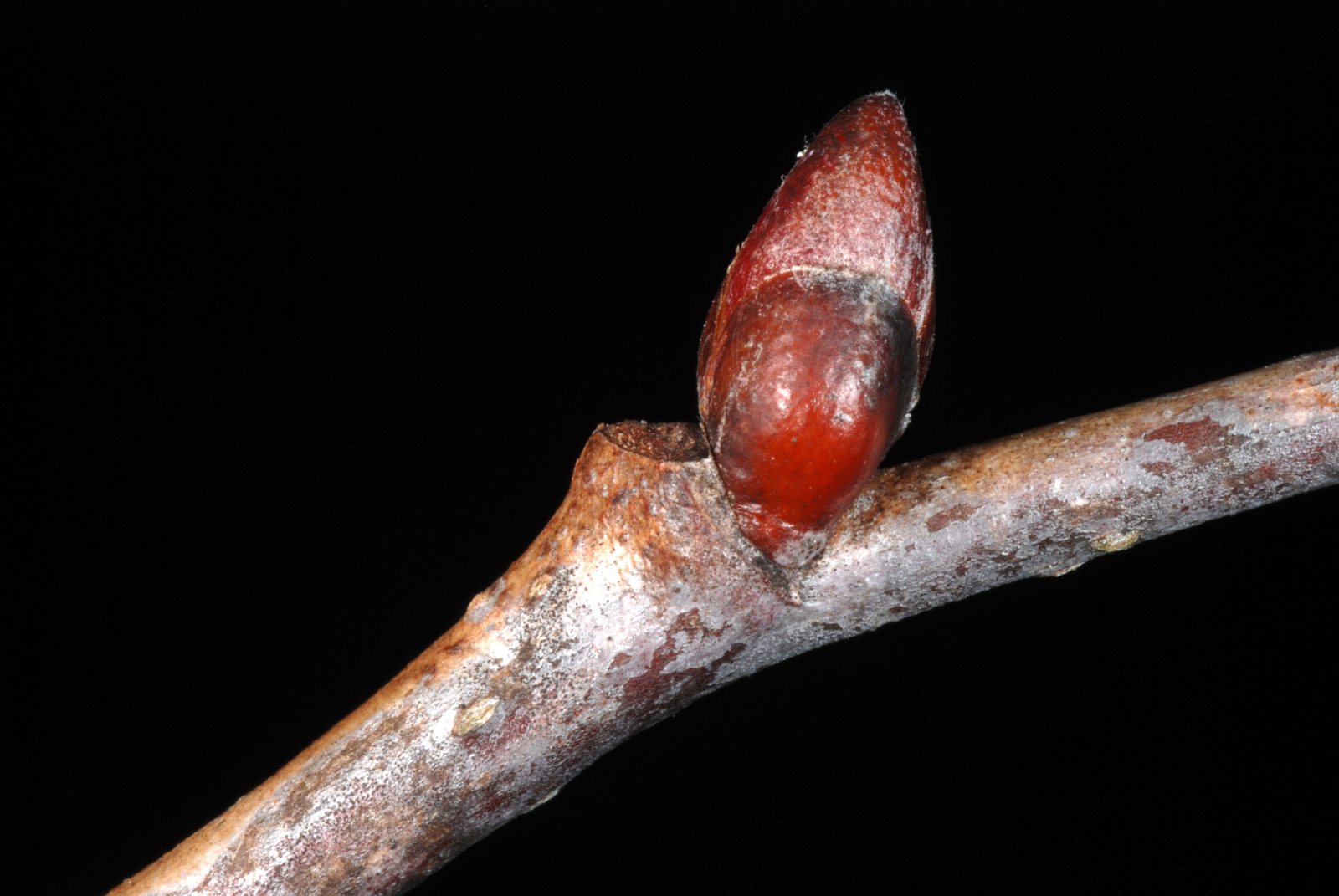
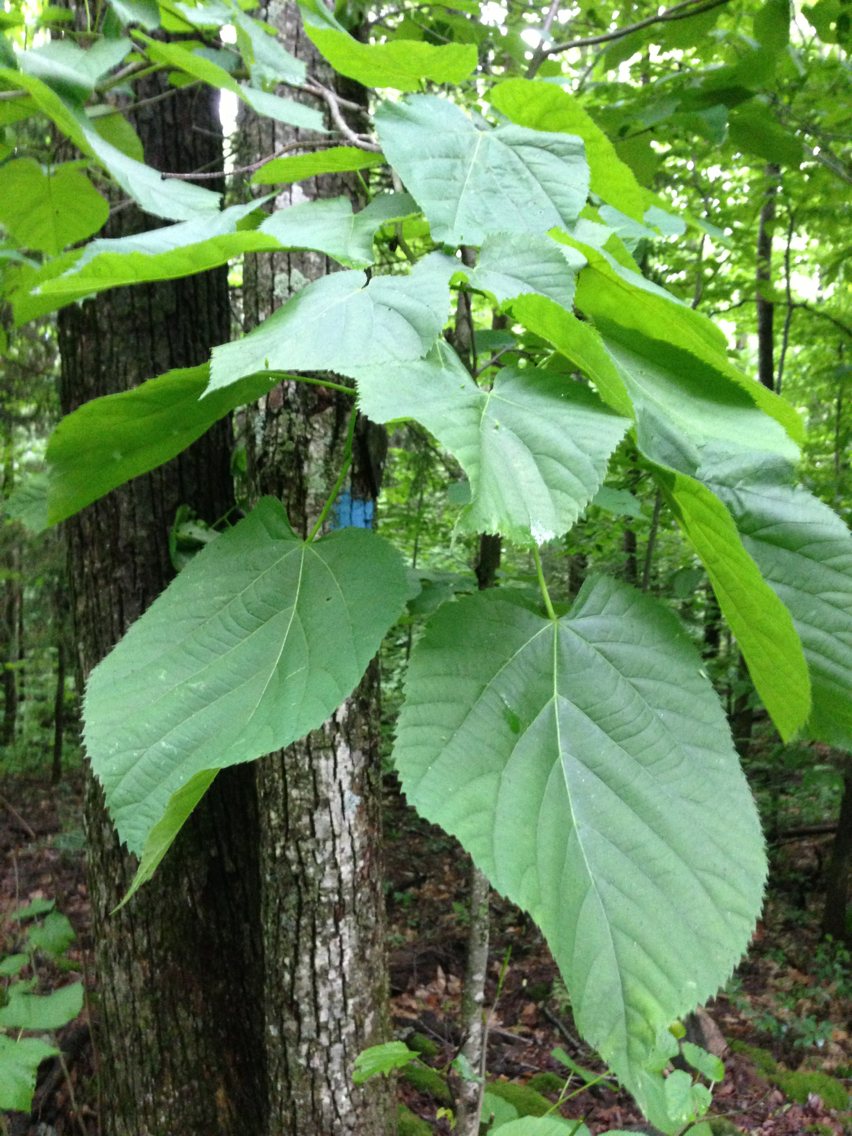
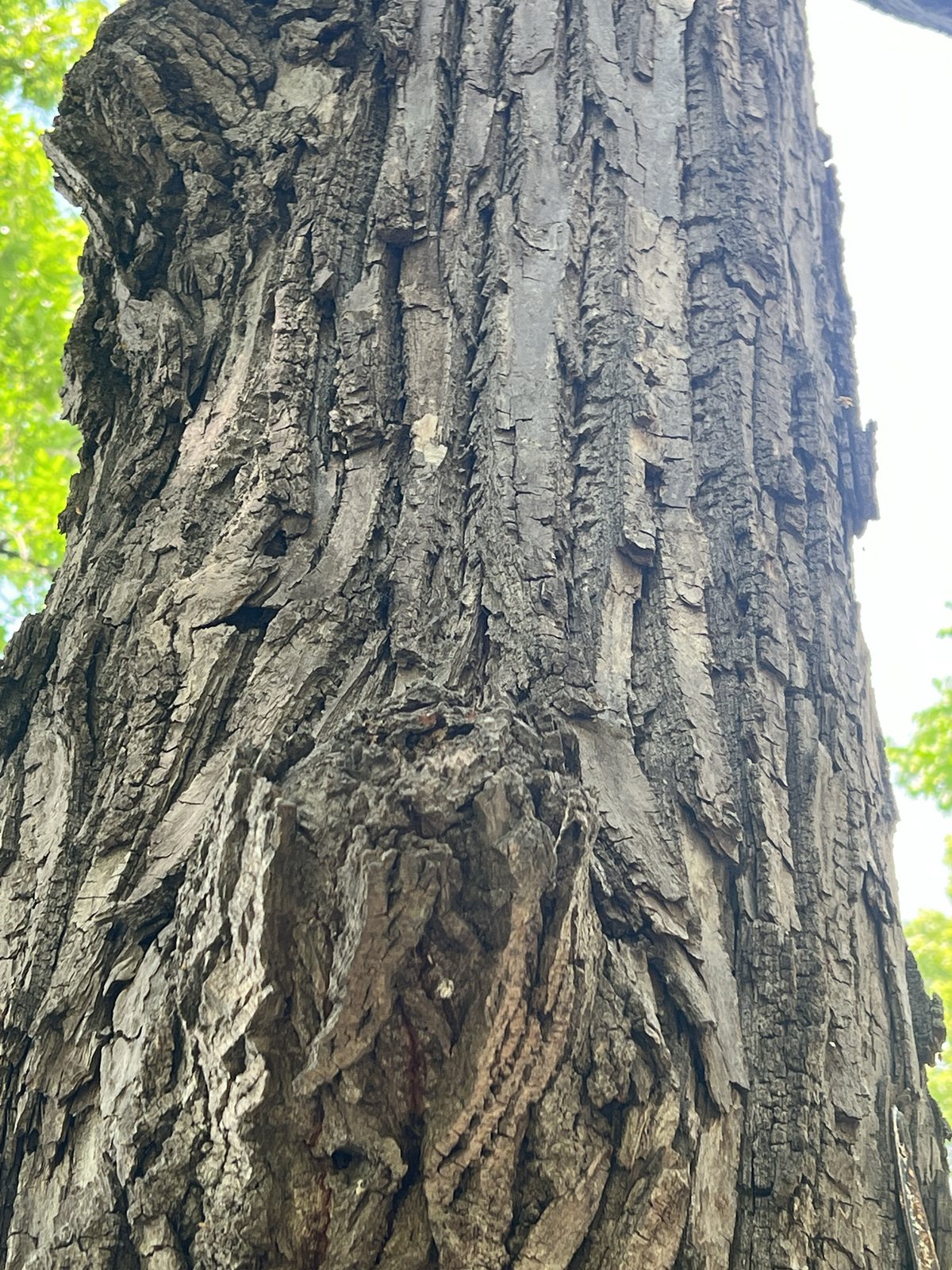
At a glance
- Sun
- Full sun to partial shade; the crown is densest in full sun.
- Water
- Moderate; prefers evenly moist soil. Established trees tolerate brief dry spells, but prolonged drought can scorch leaves.
- Soil
- Deep, fertile, well-drained soil, preferably loam; tolerates clay and mildly alkaline conditions but not prolonged waterlogging.
- Height
- 50-80 ft (15-24 m)
- Spread
- 30-45 ft (9-14 m)
- Flowers
- Early to midsummer; small, fragrant, pale yellow flowers hang in clusters beneath narrow, pale green bracts.
- Foliage
- Large, toothed, heart-shaped green leaves with pointed tips; usually yellow in autumn, though colour varies.
- Growth
- Moderate to fast with adequate moisture; slower in dry or compacted soil.
- Care needed
- Medium
The year at a glance
- Pollinators
- Cold hardy
- Wildlife
- Low allergen
- Fragrant
| J | F | M | A | M | J | J | A | S | O | N | D | |
|---|---|---|---|---|---|---|---|---|---|---|---|---|
| Flowers | ||||||||||||
| Fruit | ||||||||||||
| Plant |
Northern hemisphere months. In Australia, shift them by six.
- Difficulty
- Moderate
- Toughness
- Fairly tough
Will it suit your garden?
Pick your zone, country, light and whether you have pets.
Full sun is 6 or more hours of direct sun a day, part shade 3 to 6 hours, shade under 3.
How it grows
Planting day
8 ft (2.3 m)
After 1 year
10 ft (3.2 m)
After 2 years
13 ft (4.1 m)
After 3 years
16 ft (4.9 m)
After 5 years
22 ft (6.6 m)
About 20 years to full size.
From a typical nursery size, at an average rate for this kind of plant. A rule of thumb, not a forecast.
Good to know
- Cats and dogs
- Safe
- Native to
- the US and Canada
- Growth rate
- Moderate
Care
Jobs through the year
- WaterApr–May, Sep–Oct, every 14 days
- Deep-water established trees when soil is drying; check young trees more frequently.
- WaterJun–Aug, every 7 days
- Soak established trees during dry weather; young trees need closer moisture checks for three years.
- MulchMar–Apr
- Maintain 5–8 cm of organic mulch over the roots, clear of the trunk.
- PruneFeb
- Retain one leader; remove crossing branches and basal shoots without topping.
- ProtectOct–Nov
- Collect diseased fallen leaves to reduce overwintering infection.
- Plant with the root flare at soil level, allowing room for the full mature crown away from buildings and overhead wires.
- Water deeply through the first two or three growing seasons whenever the root zone begins to dry.
- Spread mulch 2-3 in (5-8 cm) deep over the root zone, keeping it clear of the trunk.
- During prolonged drought, soak the soil beneath the canopy rather than giving frequent shallow watering.
- Avoid routine feeding; use a soil test if growth is weak or leaves become unusually pale.
- Stake only if the root ball is unstable, and remove supports after the first growing season.
Pruning. Prune in late winter while dormant, retaining one main leader and removing competing leaders, crossing branches and basal shoots. Train young trees gradually; do not top mature trees or remove large limbs unnecessarily.
Through the year
- Autumn
- Plant while the soil is workable and moist; in very cold regions, wait until spring.
- Late winter
- Check young trees for competing leaders and prune lightly to establish a sound framework.
- Spring
- Refresh mulch, keeping the trunk clear, and check that stakes or ties are not rubbing.
- Early summer
- Inspect leaves for aphids and sticky honeydew; avoid spraying the flowers while bees are visiting.
- Summer
- Water young trees deeply during dry weather and inspect foliage for beetle damage or leaf scorch.
- Late autumn
- Water newly planted trees before the ground freezes if autumn has been dry, and remove fallen diseased leaves.
In the garden
- Use as a specimen shade tree in a large lawn, leaving space for its broad mature crown.
- Plant in evenly spaced rows along a wide drive or avenue for a formal, consistent outline.
- Place behind mixed shrub borders to provide height and a calm green backdrop.
- Underplant the outer canopy with shade-tolerant perennials and spring bulbs rather than maintaining lawn close to the trunk.
Garden styles it suits: Formal, Traditional, Grand estate, English country, Woodland and Pollinator garden.
Plant it with: Christmas fern, Wild ginger, Foamflower, Solomon's seal, Woodland phlox and Daffodils.
Wildlife: Fragrant flowers provide nectar and pollen for bees and other insects. The canopy offers nesting cover, and the small nutlets are eaten by some birds and small mammals.
Problems to watch for
- Aphids can leave sticky honeydew on paving, cars and furniture. Encourage natural predators and rinse reachable foliage with water; avoid placing seating or parking directly beneath the crown.
- Japanese beetles can skeletonize leaves in affected parts of North America. Hand-pick beetles from small trees; seek local advice for severe infestations rather than spraying flowering trees.
- Leaf scorch causes brown edges during drought, heat or root stress. Water deeply, mulch the root zone and avoid soil compaction or excavation beneath the canopy.
- Leaf spots and powdery mildew may mark foliage in humid weather. Collect affected fallen leaves and improve growing conditions; established trees rarely need fungicide.
Safety
Not known to be toxic to people, cats, dogs or horses. No part is generally recognized as poisonous, although chewing woody material or eating large amounts of any foliage can cause digestive upset.
Easily confused with
Littleleaf linden (Tilia cordata)
Usually has much smaller leaves, often with rusty tufts of hair in the vein angles underneath; Redmond has the large leaves typical of American linden.
Silver linden (Tilia tomentosa)
Its leaf undersides have a conspicuous silvery-white felt, especially noticeable when wind turns the leaves.
American linden (Tilia americana)
Seed-grown trees vary considerably in habit; Redmond is selected for a straight trunk and regular, upright crown. Shape alone cannot confirm the cultivar, so a reliable nursery label is important.
The name
The epithet americana refers to the species' North American origin, while basswood comes from bast, the fibrous inner bark traditionally used for cordage.
Propagation. Usually propagated commercially by budding or grafting onto compatible linden rootstocks. Seedlings do not reliably retain Redmond's shape or other cultivar traits; shoots arising below a graft belong to the rootstock.
Checked against open data
- Accepted botanical name
- Tilia americana
- In the US and Canada
- Native in Canada and the lower 48 states. Introduced in Canada.
- Native range
- Alabama, Arkansas, Connecticut, Delaware, District of Columbia, Florida, Georgia, Illinois, Indiana, Iowa, Kansas and Kentucky.
- Measured
- Soil pH 4.5 to 7.5. Average height 2020 cm.
Sources: GBIF (CC BY 4.0), USDA PLANTS and Trefle (CC BY 4.0). The care and design notes are LandscapeGPT's own.
See it in your own yard.
Upload a photo of your yard and see it redesigned with plants that suit your climate, each checked against your zone.