Roman chamomile
Chamaemelum nobile. Family Asteraceae. Perennial.
Also called English chamomile, Garden chamomile, Lawn chamomile.
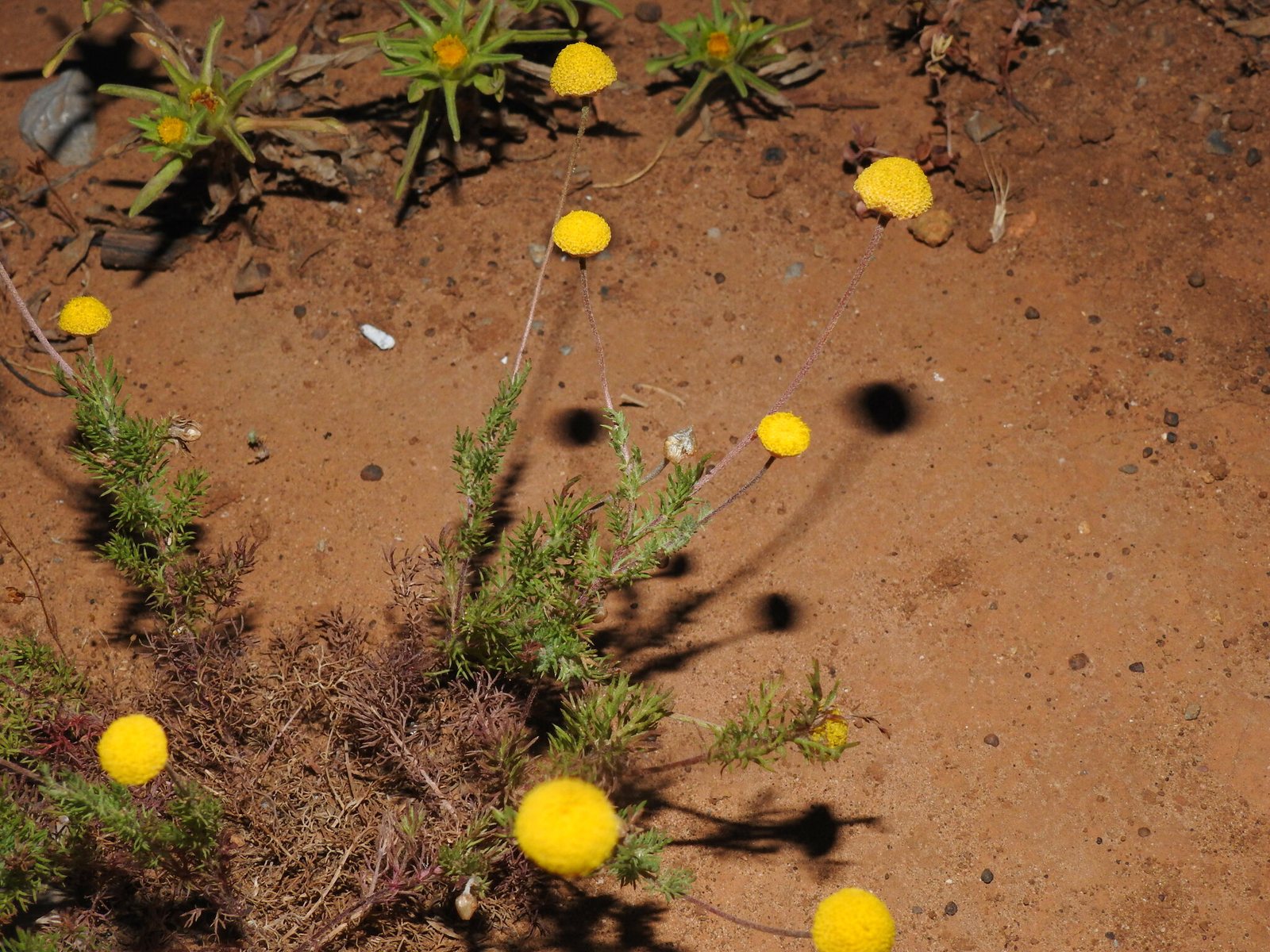
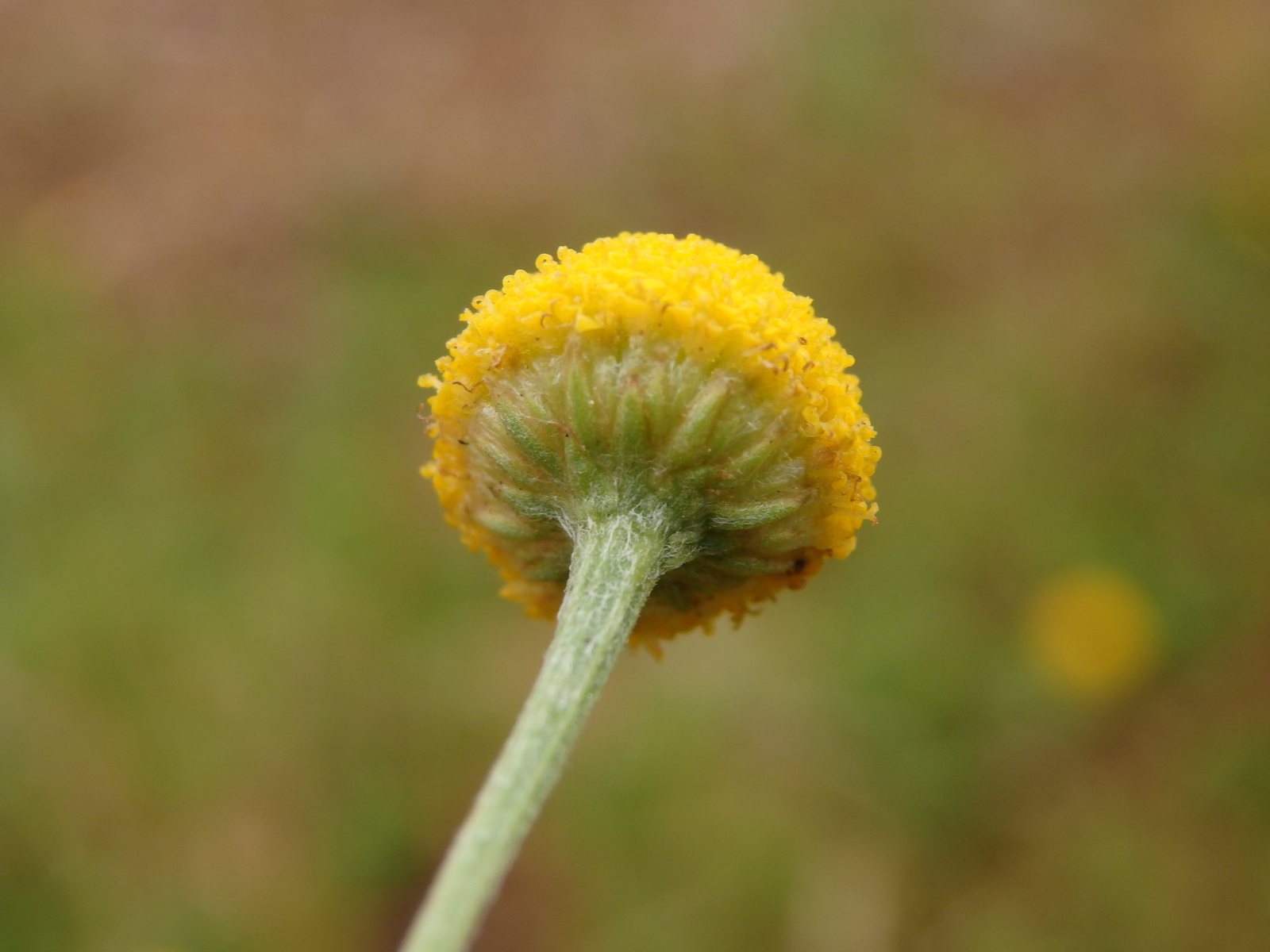
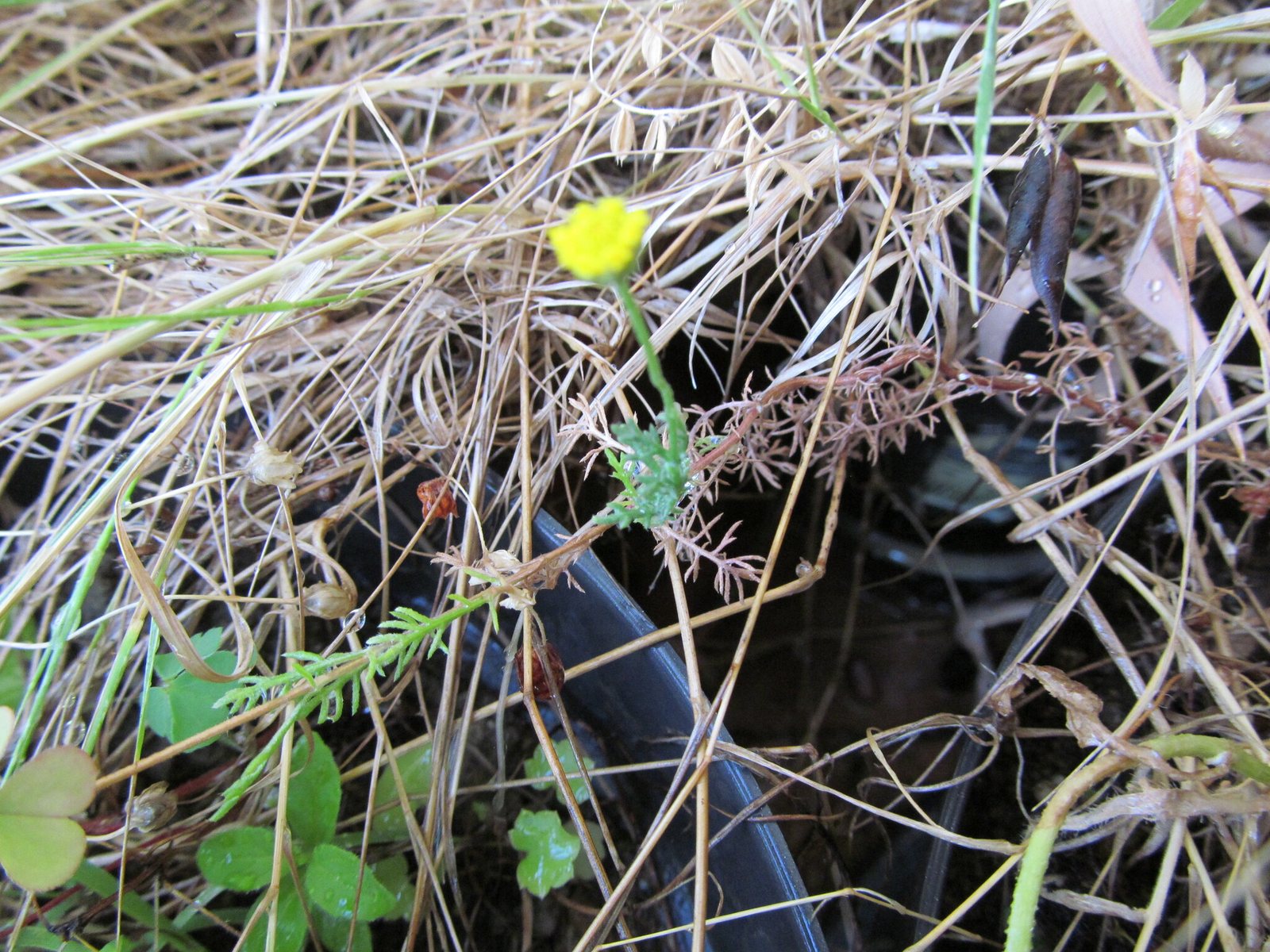
Roman chamomile is a low, spreading perennial with finely divided, apple-scented leaves and white, yellow-centred daisies. Grow it beside paths, in herb gardens or as a lightly walked lawn substitute; it will not withstand regular foot traffic. It stays evergreen in mild winters but may die back in colder gardens.
At a glance
- Sun
- Full sun; light afternoon shade helps in hot climates.
- Water
- Water regularly while establishing, then during prolonged dry spells. Avoid persistently wet soil.
- Soil
- Well-drained sandy or loamy soil with modest fertility; tolerates a range of soil pH.
- Height
- 0.5-1 ft (0.15-0.3 m), including flowers
- Spread
- 1-2 ft (0.3-0.6 m), spreading farther over time by rooting stems
- Flowers
- Late spring through summer; white petals around yellow centres.
- Foliage
- Evergreen. Soft, finely divided green leaves with an apple-like scent when brushed or crushed.
- Growth
- Moderate
- Care needed
- Medium
The year at a glance
- Pollinators
- Deer resistant
- Drought tolerant
- Cold hardy
- Fragrant
- Edible
| J | F | M | A | M | J | J | A | S | O | N | D | |
|---|---|---|---|---|---|---|---|---|---|---|---|---|
| Flowers | ||||||||||||
| Fruit | ||||||||||||
| Plant |
Northern hemisphere months. In Australia, shift them by six.
- Difficulty
- Moderate
- Toughness
- Fairly tough
Will it suit your garden?
Pick your zone, country, light and whether you have pets.
Full sun is 6 or more hours of direct sun a day, part shade 3 to 6 hours, shade under 3.
How it grows
Planting day
0.7 ft (0.22 m)
full size
About 3 years to full size.
From a typical nursery size, at an average rate for this kind of plant. A rule of thumb, not a forecast.
Good to know
- Cats and dogs
- Toxic
- Native to
- the UK
- In the garden
- Spreads vigorously: plan to contain it.
- Growth rate
- Moderate
Care
Jobs through the year
- WaterApr–May, Sep–Oct, every 14 days
- Water established mats only if soil is dry; keep new plants watered until rooted.
- WaterJun–Aug, every 14 days
- Water deeply during extended drought without saturating the soil.
- PruneMar–Apr
- Trim winter-damaged growth once new shoots appear; do not scalp leafy stems.
- DivideMar–May
- Divide thinning or bare-centred patches and replant healthy rooted edges.
- HarvestMay–Sep
- Pick fully open flower heads on dry mornings after dew has evaporated, before petals droop.
- PruneAug–Sep
- After flowering finishes, shear spent stems lightly to keep the mat compact.
- ProtectJan–Feb, Nov–Dec
- Keep drainage clear and avoid walking on frozen or waterlogged foliage.
- Water new plants when the soil surface begins to dry until they are well rooted.
- Water established plants during extended drought, without leaving the soil saturated.
- Avoid routine feeding; rich soil encourages loose, floppy growth.
- Keep weeds out while the mat fills in, and avoid heavy mulch over its creeping stems.
- Divide thinning or bare-centred patches in spring and replant the healthy rooted edges.
- Keep foot traffic light and avoid walking on frozen or waterlogged plants.
Pruning. Shear lightly after flowering to remove spent stems and keep the mat compact. For a chamomile lawn, clip flower stems as needed, but do not scalp the leafy growth.
Harvest
Pick the flower heads through summer and into early autumn, when fully open with yellow centres and white petals still spread out rather than drooping or browning. Harvest on a dry morning after the dew has evaporated, pinching or snipping just below each flower head, and check every few days for fresh blooms.
Through the year
- Spring
- Trim winter-damaged growth once new shoots appear.
- Spring
- Plant or divide established clumps; water divisions until rooted.
- Late spring
- Weed carefully between spreading stems before the canopy closes.
- Summer
- Water during prolonged dry spells and keep traffic off drought-stressed patches.
- After summer flowering
- Shear spent flower stems lightly to tidy the mat.
- Winter
- Keep drainage clear and avoid walking on wet or frozen foliage.
In the garden
- Edge a sunny herb bed or potager with a low, aromatic ribbon.
- Plant between widely spaced stepping stones where feet land mainly on the stones.
- Use as a small lawn substitute in sunny areas with only occasional foot traffic.
- Combine with thyme and compact lavender in a well-drained sensory garden.
- Set near seating or a path where brushing the leaves releases their scent.
Garden styles it suits: Cottage garden, English country, Herb parterre, Sensory garden, Potager (kitchen garden) and Mediterranean.
Plant it with: Creeping thyme, English lavender, Common sage, Chives, Hyssop and Santolina.
Wildlife: The open flowers provide pollen and nectar for bees, hoverflies and other small insects. Repeated clipping to prevent flowering removes this resource.
Problems to watch for
- Root and crown rot in wet soil: improve drainage, reduce watering and replace badly affected plants.
- Aphids on soft growth: wash off small colonies with water; use insecticidal soap if necessary, following the label.
- Bare patches from repeated trampling: redirect traffic onto stepping stones and repair gaps with rooted divisions.
- Thinning in hot, humid weather: provide good air circulation, avoid crowding and water the soil rather than the foliage.
Safety
Toxic to cats, dogs and horses if eaten; foliage and flowers contain compounds that can cause vomiting, diarrhoea and skin irritation. Repeated substantial ingestion can cause more serious illness. For people, the flowers are commonly used in tea and are not generally considered poisonous in ordinary food amounts, but the plant can cause contact dermatitis or allergic reactions, particularly in people sensitive to the daisy family.
Easily confused with
German chamomile (Matricaria chamomilla)
An upright annual rather than a creeping perennial. Its yellow flower centre becomes strongly conical and is hollow when cut lengthways; Roman chamomile has a solid centre.
Stinking chamomile (Anthemis cotula)
An upright annual with an unpleasant smell when crushed, rather than Roman chamomile's apple-like scent. Do not collect it as a tea substitute.
The name
Chamomile comes from Greek words meaning 'ground apple', referring to the plant's low growth and apple-like scent.
Propagation. Divide rooted mats in spring, or root short non-flowering shoots in late spring or summer. The species can also be grown from seed sown shallowly in spring. Propagate named cultivars by division or cuttings to preserve their characteristics.
Checked against open data
- Accepted botanical name
- Chamaemelum nobile
- In the US and Canada
- Introduced in the lower 48 states.
- Native range
- Algeria, Azores, Great Britain, Ireland, Morocco, Portugal, Spain and France.
- Measured
- Soil pH 5 to 5.5. Average height 16 cm.
Sources: GBIF (CC BY 4.0), USDA PLANTS and Trefle (CC BY 4.0). The care and design notes are LandscapeGPT's own.
See it in your own yard.
Upload a photo of your yard and see it redesigned with plants that suit your climate, each checked against your zone.