Ruby Spice summersweet
Clethra alnifolia 'Ruby Spice'. Family Clethraceae. Shrub.
Also called Ruby Spice sweet pepperbush, Pink summersweet, Clethra alnifolia 'Ruby Spice'.
Ruby Spice summersweet is a deciduous shrub grown for upright spikes of fragrant, deep pink flowers in mid- to late summer. It brings colour and pollinators to moist borders and woodland edges, then turns yellow in autumn. It spreads gradually by suckers where conditions suit it.
At a glance
- Sun
- Full sun to partial shade; tolerates deeper shade but flowers less freely. Afternoon shade is helpful in hot climates.
- Water
- Keep the root zone consistently moist, especially during establishment and hot weather. Tolerates periodically wet ground but performs poorly in prolonged drought.
- Soil
- Moist, humus-rich, acidic soil is best. Tolerates clay and occasional waterlogging; avoid dry, chalky or strongly alkaline soil.
- Height
- 4-6 ft (1.2-1.8 m)
- Spread
- 3-5 ft (0.9-1.5 m), eventually wider if suckers are left to grow
- Flowers
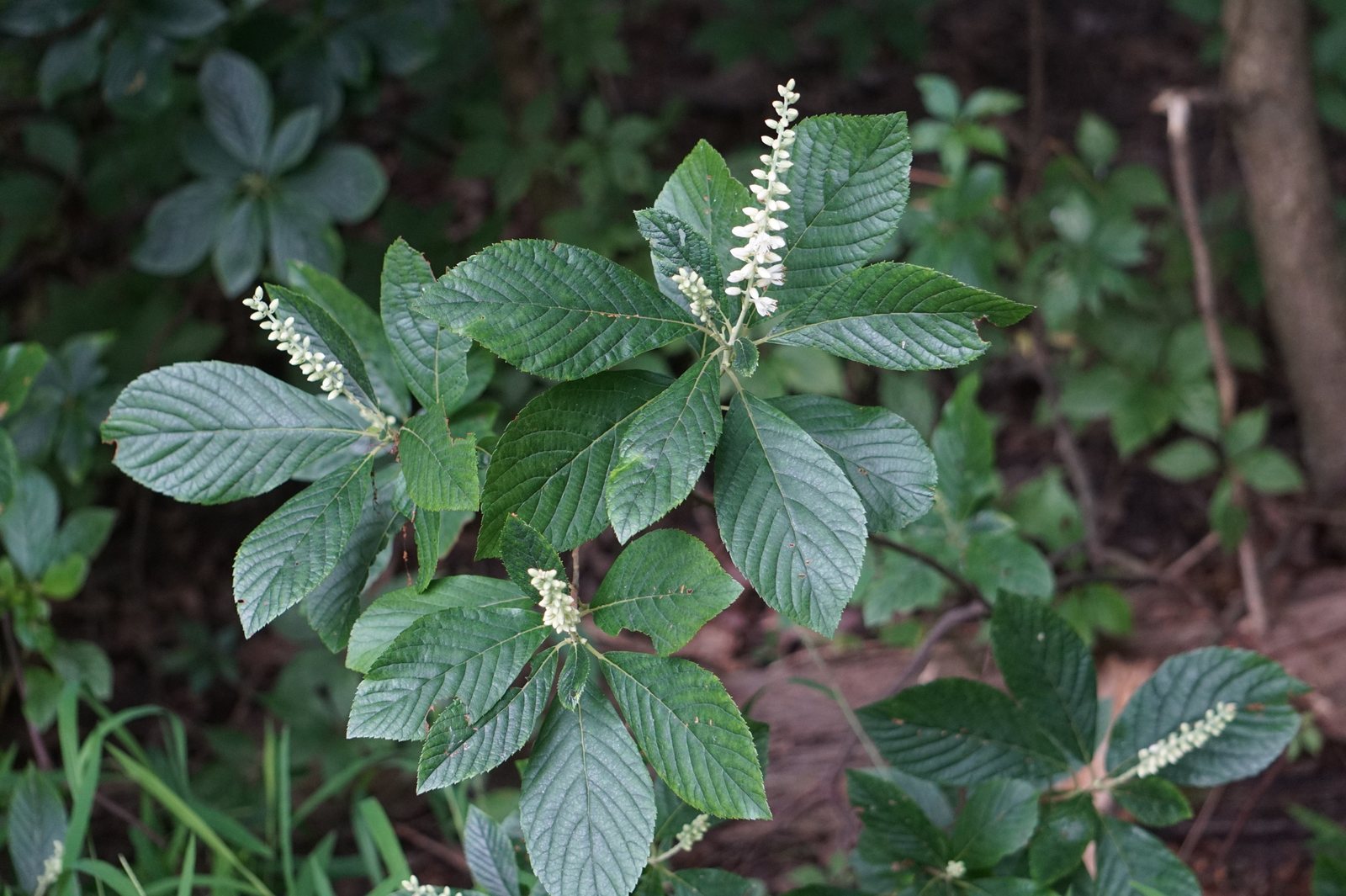
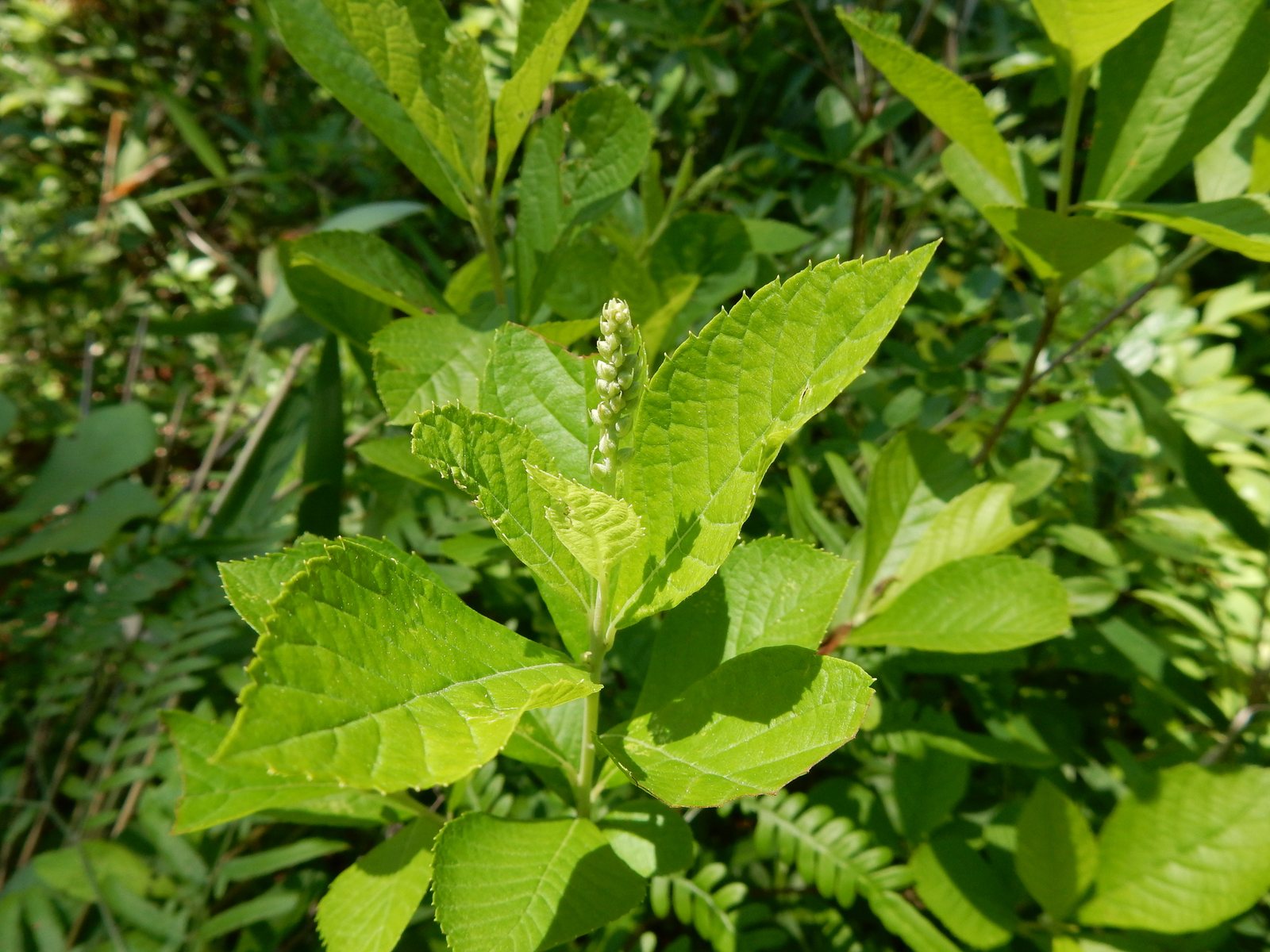
- Mid- to late summer; fragrant, deep pink flowers in upright spikes, retaining their pink colour as they age.
- Foliage
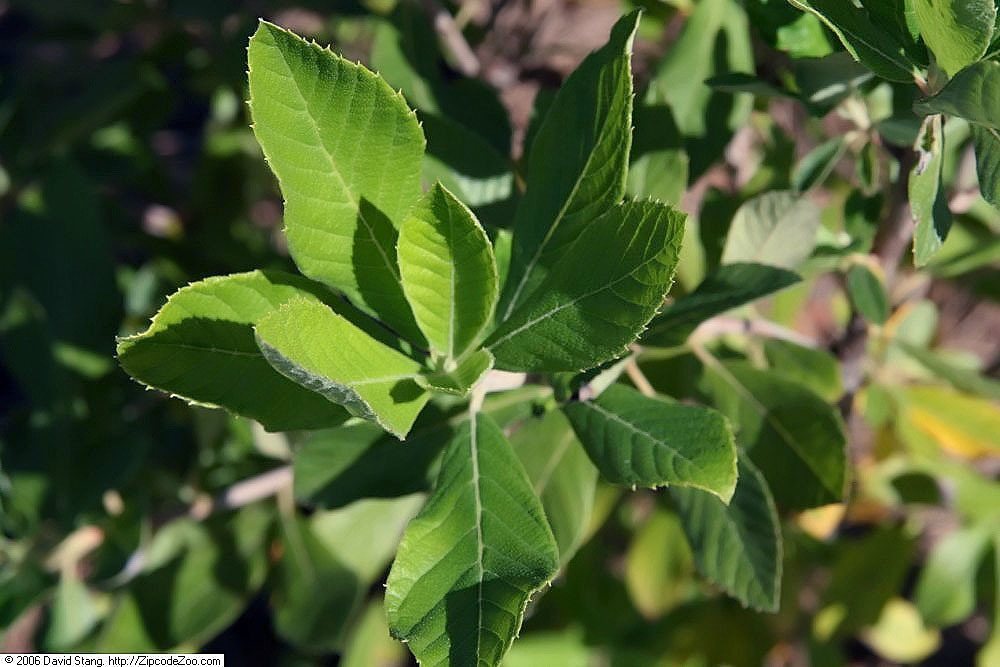
- Oval, toothed green leaves turn yellow to golden brown in autumn. Leaves emerge relatively late in spring.
- Growth
- Slow to moderate
- Care needed
- Low
The year at a glance
- Pollinators
- Deer resistant
- Cold hardy
- Heat tolerant
- Wildlife
- Low allergen
- Fragrant
| J | F | M | A | M | J | J | A | S | O | N | D | |
|---|---|---|---|---|---|---|---|---|---|---|---|---|
| Flowers | ||||||||||||
| Fruit | ||||||||||||
| Plant |
Northern hemisphere months. In Australia, shift them by six.
- Difficulty
- Easy
- Toughness
- Fairly tough
Will it suit your garden?
Pick your zone, country, light and whether you have pets.
Full sun is 6 or more hours of direct sun a day, part shade 3 to 6 hours, shade under 3.
How it grows
Planting day
1.6 ft (0.5 m)
After 1 year
2.1 ft (0.65 m)
After 2 years
2.7 ft (0.81 m)
After 3 years
3 ft (0.96 m)
After 5 years
4 ft (1.3 m)
About 7 years to full size.
From a typical nursery size, at an average rate for this kind of plant. A rule of thumb, not a forecast.
Good to know
- Cats and dogs
- Safe
- Native to
- the US and Canada
- In the garden
- Spreads vigorously: plan to contain it.
- Growth rate
- Slow
Care
Jobs through the year
- WaterApr–May, Sep–Oct, every 14 days
- Water established shrubs when rain is insufficient to keep soil moist; new plants need closer attention.
- WaterJun–Aug, every 7 days
- Soak deeply during dry weather, keeping the root zone consistently moist.
- PruneFeb–Mar
- Remove dead or crossing stems and a few old stems; avoid pruning later new growth.
- PruneOct
- Remove unwanted suckers at their point of origin.
- MulchMar–Apr, Oct
- Top-dress with compost and maintain 5–8 cm of leaf mould or bark, clear of stems.
- FeedApr
- Use an acid-loving plant fertilizer only if growth is weak; investigate alkaline soil if leaves yellow.
- Water deeply during dry spells; do not let newly planted shrubs dry out.
- Apply 2-3 in (5-8 cm) of leaf mould or composted bark over the root zone, keeping it clear of the stems.
- In spring, top-dress with compost; use an acid-loving plant fertiliser only if growth is weak.
- Remove unwanted suckers at their point of origin to keep the clump within bounds.
- Leave room for its mature width rather than repeatedly clipping it into a tight shape.
Pruning. Prune in late winter or early spring, removing dead, damaged or crossing stems and, if needed, a few of the oldest stems at ground level. Flowers form on the current season's growth, so avoid pruning new shoots later in spring or summer.
Through the year
- Late winter
- Thin crowded growth and remove dead or damaged stems before new growth begins.
- Spring
- Plant when the ground is workable, water thoroughly and mulch the root zone.
- Late spring
- Check moisture as growth starts; allow for naturally late leaf emergence before assuming stems are dead.
- Summer
- Water during dry periods, particularly while flower spikes are developing.
- Late summer
- Enjoy the flowers; deadheading is optional and is not needed for plant health.
- Autumn
- Remove unwanted suckers and replenish mulch after the soil has been moistened by rain.
In the garden
- Plant beside a path or seating area where the summer fragrance can be appreciated.
- Group along a moist woodland edge with ferns and shade-tolerant perennials.
- Use as an informal flowering hedge, allowing enough width for its spreading habit.
- Include in a rain garden on ground that stays moist but is not permanently submerged.
- Combine with white-flowered shrubs and dark green foliage to make the pink flower spikes stand out.
Garden styles it suits: Woodland, Wildlife garden, Pollinator garden, Sensory garden, Cottage garden and Bog garden.
Plant it with: Virginia sweetspire, Oakleaf hydrangea, Cinnamon fern, Royal fern, Astilbe and Sedges.
Wildlife: The fragrant flowers attract bees, butterflies and other nectar-feeding insects. Dense growth offers cover for small wildlife, and birds may take some of the seeds.
Problems to watch for
- Drought stress causes wilting, scorched leaf edges and poor flowering: water deeply and maintain an organic mulch.
- Yellow leaves with greener veins can indicate alkaline soil: check soil pH and relocate to acidic soil if necessary rather than repeatedly feeding.
- Spider mites may cause fine stippling and webbing during hot, dry weather: improve watering and rinse leaf undersides with water.
- Sparse flowering often follows deep shade or late pruning: provide more light and restrict pruning to late winter or early spring.
Safety
Not known to be toxic to cats, dogs, horses or people. No part is recognised as a serious poisoning hazard, but it is an ornamental plant rather than a food plant.
Easily confused with
Virginia sweetspire (Itea virginica)
Usually flowers earlier, with arching or drooping white flower spikes rather than upright pink spikes; its autumn foliage is often red or purple.
Japanese clethra (Clethra barbinervis)
Becomes a much larger shrub or small tree with conspicuously peeling, mottled bark and branching clusters of white flowers rather than pink spikes.
The name
Clethra comes from the Greek name for alder, and alnifolia means alder-leaved, both referring to the resemblance of its foliage to alder leaves.
Propagation. Take softwood cuttings in late spring or early summer, or detach well-rooted suckers during dormancy. Vegetative propagation preserves 'Ruby Spice'; seedlings will not reliably match the cultivar.
Checked against open data
- Accepted botanical name
- Clethra alnifolia
- In the US and Canada
- Native in Canada and the lower 48 states.
- Native range
- Alabama, Connecticut, Delaware, Florida, Georgia, Louisiana, Maine, Maryland, Masachusettes, Mississippi, New Hampshire and New Jersey.
- Measured
- Soil pH 4.5 to 7. Average height 394 cm.
Sources: GBIF (CC BY 4.0), USDA PLANTS and Trefle (CC BY 4.0). The care and design notes are LandscapeGPT's own.
See it in your own yard.
Upload a photo of your yard and see it redesigned with plants that suit your climate, each checked against your zone.