Russet Burbank potato
Solanum tuberosum 'Russet Burbank'. Family Solanaceae. Annual.
Also called Idaho potato, Netted Gem.
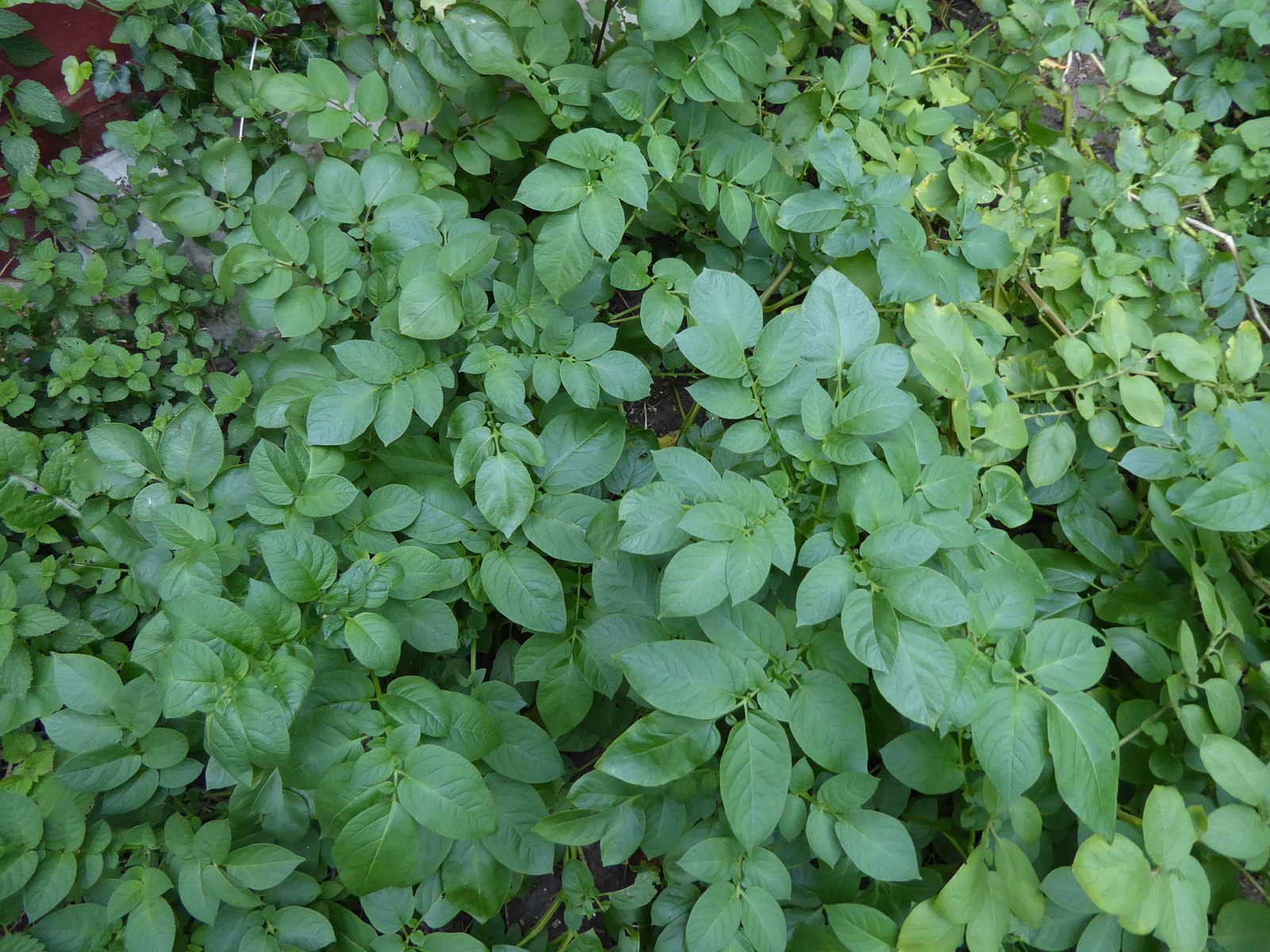
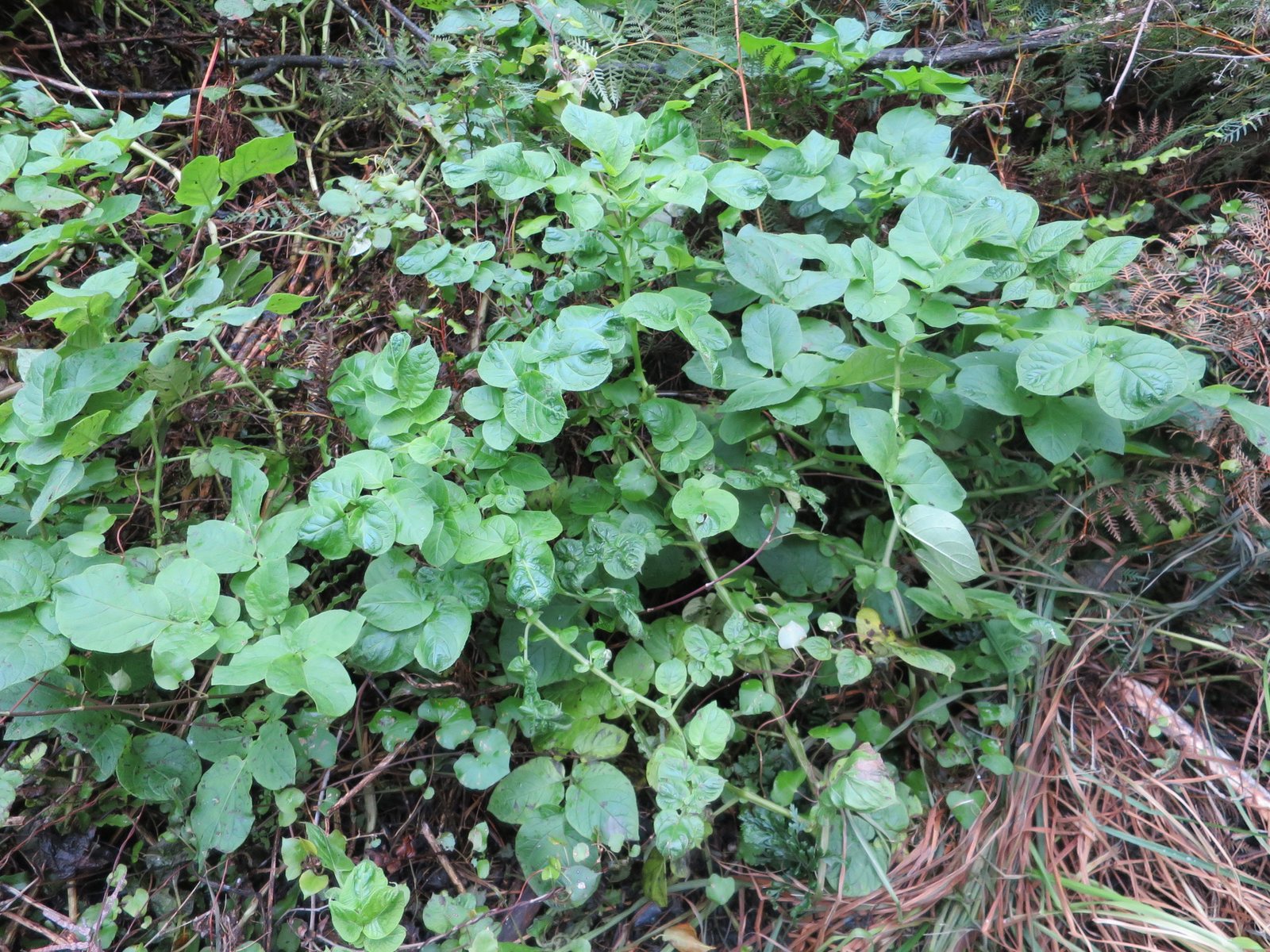
Russet Burbank is grown as an annual for its long, brown, netted-skinned potatoes with dry, white flesh suited to baking, roasting and chips or fries. It needs a long, relatively cool growing season and consistent moisture; drought and uneven watering can produce misshapen or hollow tubers. Not every potato sold as an Idaho potato is this cultivar.
At a glance
- Sun
- Full sun, ideally at least 6-8 hours daily.
- Water
- Keep evenly moist, especially during flowering and tuber enlargement. Supply about 1-2 in (25-50 mm) of water weekly, including rain, adjusting for soil and weather; avoid waterlogging.
- Soil
- Deep, loose, well-drained sandy loam with a pH around 5.0-6.0. Avoid compacted ground, freshly manured soil and recently limed beds.
- Height
- 2-3 ft (0.6-0.9 m)
- Spread
- 1.5-2 ft (0.45-0.6 m)
- Flowers
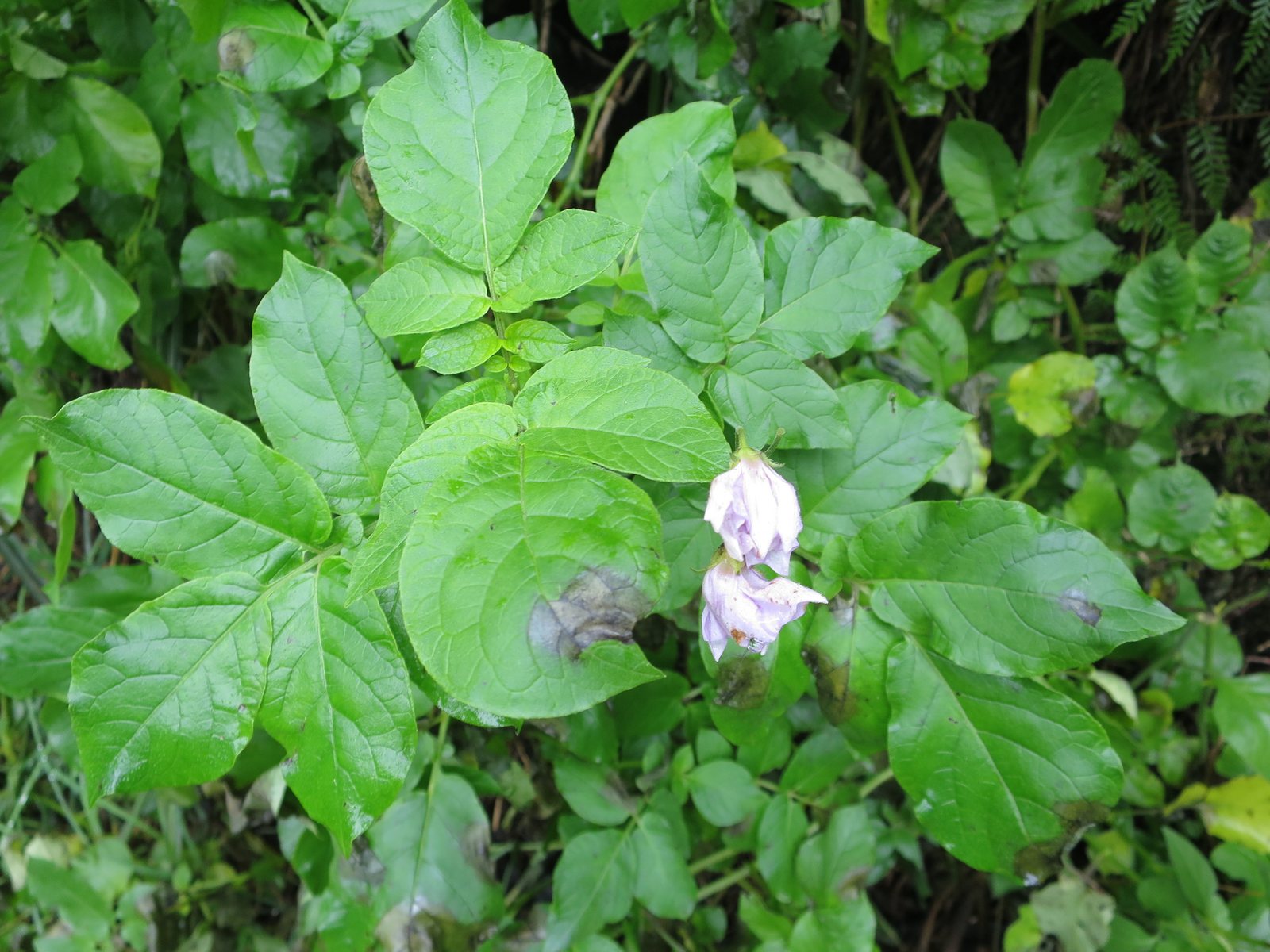
- White flowers in summer; flowering may be sparse or absent.
- Foliage
- Green, compound leaves on upright to sprawling, fleshy stems; foliage dies back as the crop matures.
- Growth
- Fast in cool, frost-free weather; typically takes about 120-150 days from planting to a mature crop.
- Care needed
- Medium
The year at a glance
- Low allergen
- Edible
| J | F | M | A | M | J | J | A | S | O | N | D | |
|---|---|---|---|---|---|---|---|---|---|---|---|---|
| Flowers | ||||||||||||
| Fruit | ||||||||||||
| Plant |
Northern hemisphere months. In Australia, shift them by six.
- Difficulty
- Moderate
- Toughness
- Needs looking after
Will it suit your garden?
Pick your zone, country, light and whether you have pets.
Full sun is 6 or more hours of direct sun a day, part shade 3 to 6 hours, shade under 3.
How it grows
Planting day
0.5 ft (0.15 m)
After 1 year
2.5 ft (0.75 m)
full size
Full size in one season.
From a typical nursery size, at an average rate for this kind of plant. A rule of thumb, not a forecast.
Good to know
- Cats and dogs
- Toxic
- Growth rate
- Fast
Care
Jobs through the year
- FeedMar–May
- At planting, apply balanced vegetable fertilizer according to soil tests or label directions.
- WaterApr–May, every 7 days
- Check soil moisture and water when dry, accounting for rainfall.
- WaterJun–Aug, every 3 days
- Check moisture; provide 25–50 mm weekly including rain, avoiding alternating drought and soaking.
- WaterSep, every 7 days
- Water only while foliage remains green and soil is dry; stop as the crop dies back.
- ProtectMar–May
- Protect emerging shoots with fleece or soil when late frost is forecast.
- ProtectApr–Jul, every 14 days
- Hill soil around growing stems as needed to keep developing tubers fully covered.
- MulchMay–Jun
- Mulch between rows to conserve moisture; check for slugs beneath the mulch.
- PruneAug–Oct
- Remove naturally dead foliage if needed; leave healthy foliage intact while tubers develop.
- HarvestJul–Oct
- Lift new potatoes early if wanted; lift mature crops after skins set, before hard frost, and cure in darkness.
- Plant certified seed potatoes once soil reaches about 45°F (7°C), allowing for protection of emerging shoots from frost.
- Space plants 12-15 in (30-38 cm) apart in rows 30-36 in (0.75-0.9 m) apart.
- Hill soil around stems as they grow, keeping developing tubers fully covered to prevent greening.
- Water deeply and consistently at soil level; mulch between rows to conserve moisture.
- Use a balanced vegetable fertilizer according to a soil test or label directions; excessive nitrogen encourages leaves at the expense of tubers.
- Rotate away from potatoes, tomatoes, peppers and aubergines or eggplants for at least three years.
Pruning. Routine pruning is unnecessary. Once foliage has naturally yellowed and died, cut it off at soil level if needed and leave sound tubers underground for about two weeks to let their skins firm before lifting.
Harvest
For the main crop, lift tubers after the foliage dies back and the skins resist rubbing off with a thumb, usually about 120-150 days after planting. Use a garden fork well outside the plant to avoid spearing tubers, then dry and cure sound potatoes in a dark, ventilated, frost-free place before cool, dark storage. Small new potatoes can be lifted earlier, but their thin skins do not store well.
Through the year
- Late winter
- Order certified seed potatoes and prepare a sunny bed; in short-season areas, sprout seed potatoes in a cool, bright, frost-free place.
- Spring
- Plant when soil is workable and warming; protect emerging growth from late frost.
- Late spring
- Hill soil around growing stems and remove weeds before the canopy closes.
- Summer
- Maintain even moisture, keep tubers covered and inspect foliage for pests and blight.
- Late summer
- As foliage yellows naturally, reduce watering and check whether tuber skins have set.
- Autumn
- Lift the mature crop before hard frost or prolonged wet weather, cure sound tubers and remove missed potatoes from the bed.
In the garden
- Grow in straight rows in a dedicated vegetable plot, allowing room for hilling and harvesting.
- Use in large, deep raised beds where loose soil makes tuber development and lifting easier.
- Include in a rotating potager bed with early lettuce along the edges, harvested before potato foliage fills the space.
- Plant in a separate block within an edible landscape so harvesting does not disturb permanent plants.
Garden styles it suits: Potager (kitchen garden), Homestead, Farmhouse, Edible landscape, Traditional and Cottage garden.
Plant it with: Lettuce, Radishes, Cabbage, Bush beans and Coriander.
Wildlife: Flowers may attract pollen-collecting bees when present. Leaves support several insect herbivores; this is a food crop rather than a particularly valuable wildlife planting.
Problems to watch for
- Late blight: rapidly spreading dark leaf lesions and rotting tubers are a serious risk in damp weather. Use certified seed, avoid wetting foliage, remove affected growth promptly and follow local blight warnings and approved treatment guidance.
- Common scab: corky patches develop on tubers, especially in dry or alkaline soil. Avoid liming the potato bed and maintain steady moisture during early tuber formation.
- Colorado potato beetle, especially in North America: striped adults and red larvae strip leaves. Inspect leaf undersides, remove egg clusters and hand-pick beetles and larvae; use locally approved controls if needed.
- Misshapen, cracked or hollow tubers: uneven watering, heat and excessive feeding can disrupt growth. Keep moisture steady, mulch the soil and avoid heavy nitrogen feeding.
Safety
Leaves, stems, sprouts and any berries contain toxic glycoalkaloids and can poison people, cats, dogs and horses. Green, damaged or strongly sprouted tubers can also contain unsafe levels; serious poisoning can cause digestive and neurological symptoms. Do not eat green or bitter potatoes, and do not rely on cooking to make them safe. Sound, non-green tubers are edible when properly prepared and cooked.
Easily confused with
Russet Norkotah potato (Solanum tuberosum 'Russet Norkotah')
Both produce elongated, brown, russet-skinned tubers and can be difficult to distinguish by appearance. Russet Norkotah generally matures earlier, but a reliable seed label is the best way to confirm identity.
The name
Russet refers to the rough brown skin, Burbank refers to the original potato developed by Luther Burbank, and tuberosum means tuber-bearing.
Propagation. Grow from certified seed tubers, not true seed, to retain the cultivar. Plant small tubers whole, or cut larger ones into pieces with at least one or two healthy eyes each and let cut surfaces dry before planting; whole seed tubers reduce the risk of decay in cold, wet soil.
Checked against open data
- Accepted botanical name
- Solanum tuberosum
- In the US and Canada
- Introduced in Hawaii, the lower 48 states and Puerto Rico.
- Native range
- Argentina Northwest, Argentina South, Bolivia, Chile Central, Chile North, Chile South, Colombia, Ecuador, Peru and Venezuela.
- Measured
- Soil pH 7.5 to 8. Average height 37 cm.
Sources: GBIF (CC BY 4.0), USDA PLANTS and Trefle (CC BY 4.0). The care and design notes are LandscapeGPT's own.
See it in your own yard.
Upload a photo of your yard and see it redesigned with plants that suit your climate, each checked against your zone.