Schip laurel
Prunus laurocerasus 'Schipkaensis'. Family Rosaceae. Shrub.
Also called Skip laurel, Schipka cherry laurel, Prunus laurocerasus 'Schipkaensis'.
An upright evergreen cherry laurel with narrow, glossy leaves, grown mainly for dense hedges and year-round screening. It tolerates shade and regular pruning, but needs room to develop and is unsuitable where its poisonous foliage could be eaten by livestock.
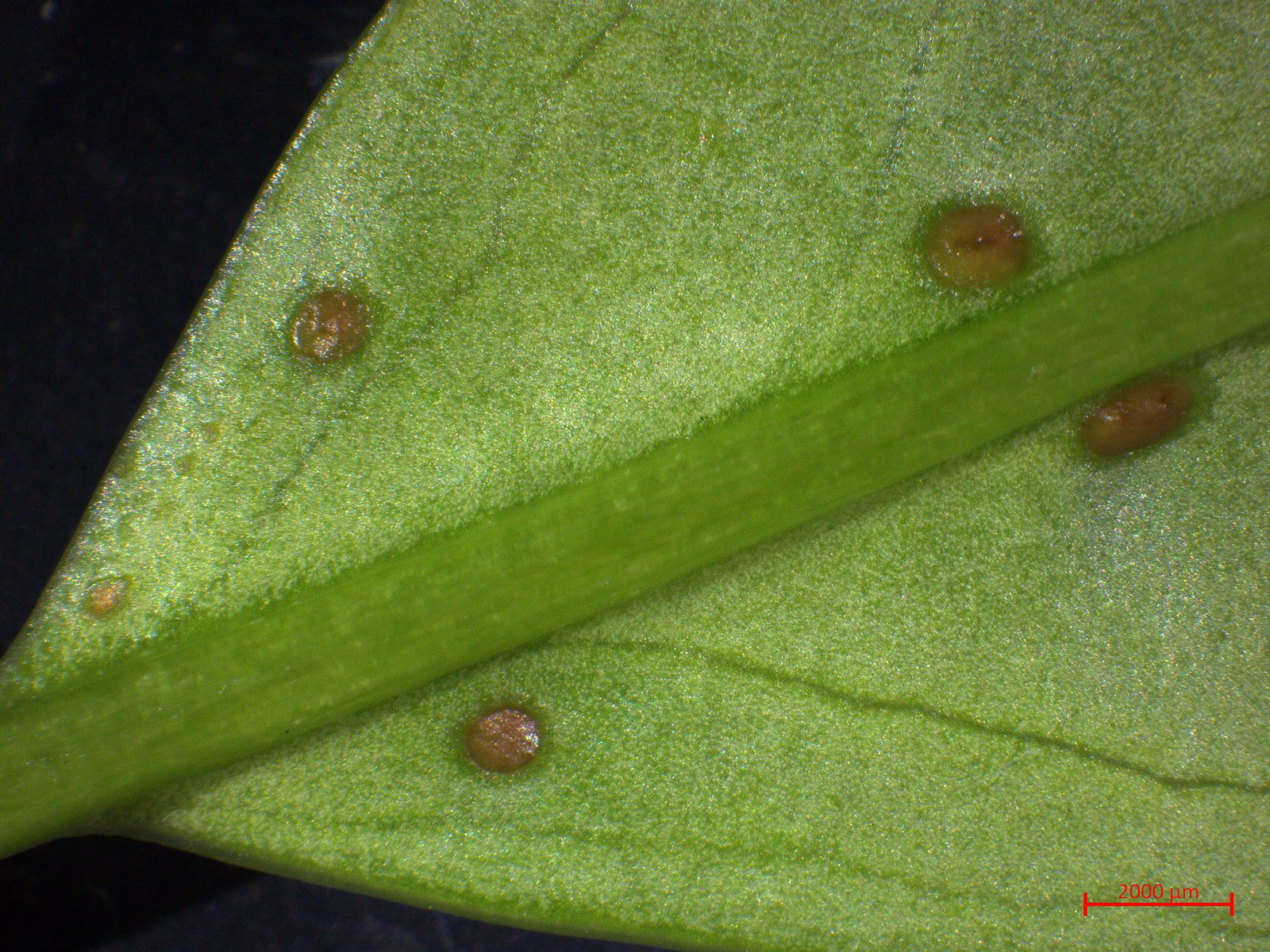
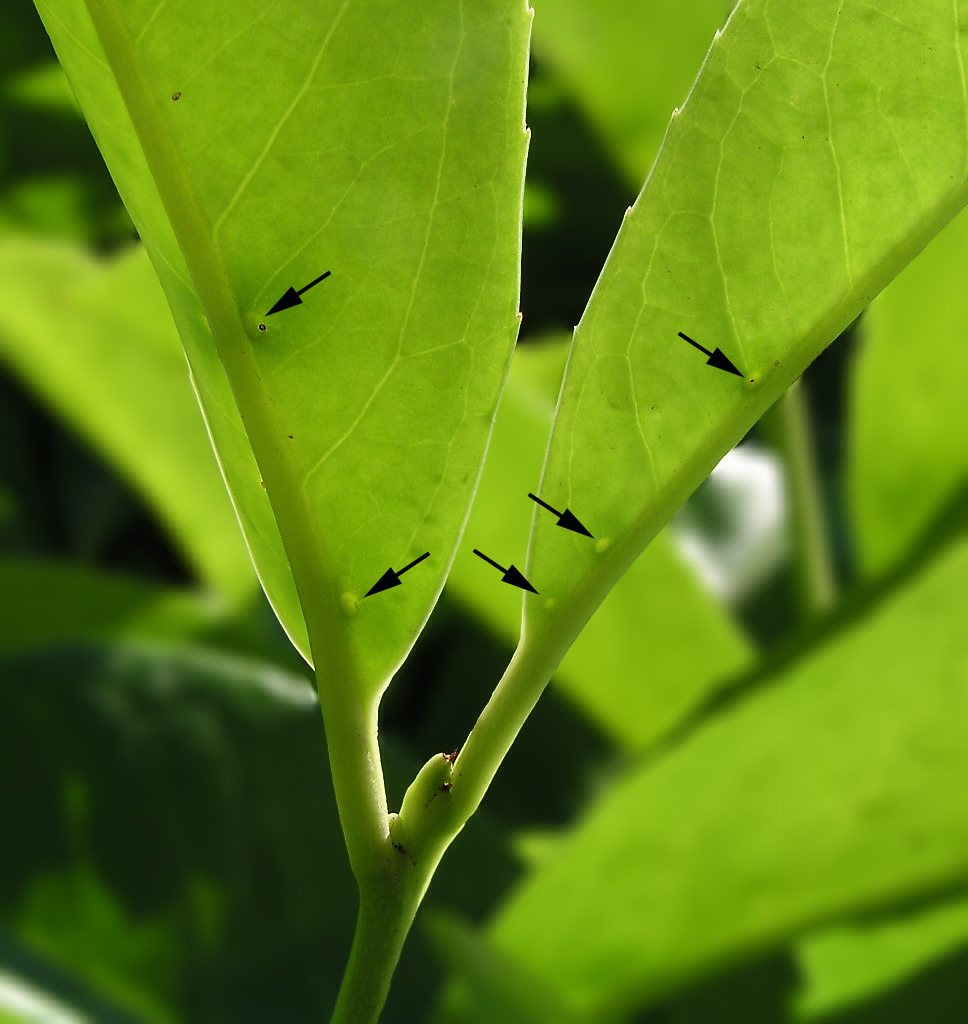
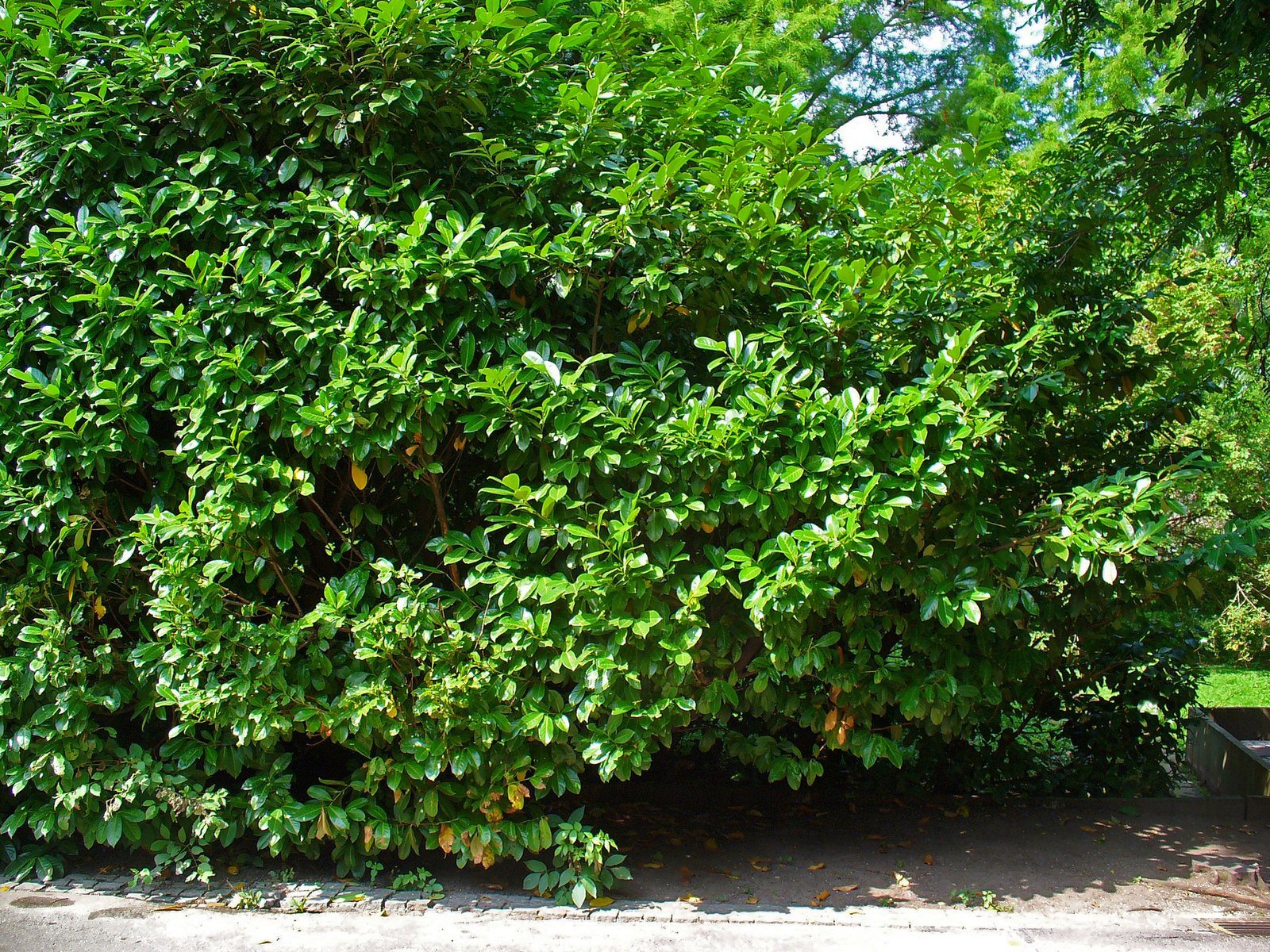
At a glance
- Sun
- Full sun to partial shade; tolerates deeper shade but grows less densely. Shelter from cold, drying winds and intense afternoon sun in hot, dry climates.
- Water
- Keep the root zone evenly moist during establishment. Established plants tolerate short dry spells, but benefit from deep watering during prolonged drought; avoid waterlogged soil.
- Soil
- Moist, well-drained soil with organic matter. Tolerates clay if drainage is adequate; strongly alkaline soil can cause yellowing.
- Height
- 10-15 ft (3-4.6 m) unpruned; occasionally taller
- Spread
- 5-8 ft (1.5-2.4 m)
- Flowers
- Upright clusters of small, fragrant white flowers in spring, followed by fruits that ripen from red to black.
- Foliage
- Evergreen. Leathery, glossy dark-green leaves, narrower than those of many other cherry laurels.
- Growth
- Moderate to fast once established, often 1-2 ft (0.3-0.6 m) a year in favourable conditions.
- Care needed
- Medium
The year at a glance
- Pollinators
- Heat tolerant
- Wildlife
- Low allergen
- Fragrant
| J | F | M | A | M | J | J | A | S | O | N | D | |
|---|---|---|---|---|---|---|---|---|---|---|---|---|
| Flowers | ||||||||||||
| Fruit | ||||||||||||
| Plant |
Northern hemisphere months. In Australia, shift them by six.
- Difficulty
- Easy
- Toughness
- Fairly tough
Will it suit your garden?
Pick your zone, country, light and whether you have pets.
Full sun is 6 or more hours of direct sun a day, part shade 3 to 6 hours, shade under 3.
How it grows
Planting day
1.6 ft (0.5 m)
After 1 year
4 ft (1.3 m)
After 2 years
7 ft (2.2 m)
After 3 years
10 ft (3 m)
After 5 years
12 ft (3.8 m)
full size
About 4 years to full size.
From a typical nursery size, at an average rate for this kind of plant. A rule of thumb, not a forecast.
Good to know
- Cats and dogs
- Toxic
- Invasive in
- the US, Canada and the UK
- In the garden
- Spreads vigorously: plan to contain it.
- Growth rate
- Fast
Care
Jobs through the year
- WaterMar–May, Sep–Oct, every 14 days
- Water established shrubs deeply only when roots are drying; young shrubs need closer attention for two years.
- WaterJun–Aug, every 7 days
- During prolonged dry weather, soak established roots at soil level; skip if soil remains moist.
- WaterJan–Feb, Nov–Dec, every 21 days
- Check during winter drought and water only if soil is dry and unfrozen.
- MulchMar–Apr
- Maintain 5–8 cm of organic mulch over roots, keeping stems clear.
- FeedMar–Apr
- Use balanced slow-release fertilizer only if growth is weak or soil is poor.
- PruneMay–Jun
- Trim after flowering with secateurs; keep hedge bases wider than their tops and check for nesting birds.
- ProtectJan–Feb, Nov–Dec
- Shelter young plants from cold, drying winds; water dry soil before freezing weather.
- Water deeply through the first two growing seasons whenever the root zone begins to dry.
- Spread 2-3 in (5-8 cm) of organic mulch over the roots, keeping it clear of the stems.
- Apply a balanced slow-release fertiliser in spring only if growth is weak or the soil is poor.
- Water at soil level rather than repeatedly wetting the foliage.
- Leave enough room for the mature width, especially beside paths, walls and windows.
Pruning. Prune after flowering in late spring or early summer, using secateurs where practical to avoid leaving conspicuous cut leaf edges. For a hedge, keep the base slightly wider than the top; renovate overgrown plants in early spring, preferably over two or three years.
Through the year
- Early spring
- Check for winter scorch and remove dead or damaged wood once new growth makes the damage clear.
- Spring
- Refresh mulch and feed only if needed; plant in colder regions once the soil is workable.
- Late spring
- Trim after flowering to maintain the hedge outline or remove misplaced shoots.
- Summer
- Check soil moisture during dry spells and water deeply rather than little and often.
- Late summer
- Take semi-ripe cuttings and remove unwanted fruit where seed spread is a concern.
- Autumn
- Plant in mild regions while the soil is still warm, and remove seedlings outside the intended planting.
- Winter
- Check young plants after storms and water during frost-free dry spells if the soil is dry.
In the garden
- A clipped evergreen boundary hedge where a dense, relatively narrow screen is needed.
- An informal screen behind mixed shrub borders, allowing space for its full width.
- A dark-green backdrop for pale hydrangeas, spring bulbs and shade perennials.
- Repeated upright shrubs beside a broad path or entrance, kept clear of windows and access routes.
Garden styles it suits: Formal, Traditional, English country, Woodland, Green on green and Winter interest.
Plant it with: Oakleaf hydrangea, Japanese anemone, Hellebore, Epimedium, Japanese forest grass and Soft shield fern.
Wildlife: Flowers provide nectar and pollen for insects, birds eat the ripe fruit, and dense foliage offers shelter and nesting cover. Birds can also carry seeds into nearby woodland.
Problems to watch for
- Shot-hole symptoms: fungal or bacterial leaf diseases leave brown spots that fall out. Remove fallen leaves, avoid overhead watering and improve airflow; established plants often tolerate minor damage.
- Root rot: persistently wet soil causes yellowing, wilting and dieback. Correct drainage and avoid overwatering; badly affected plants may need replacement.
- Vine weevil: adults notch leaf edges and larvae eat roots, particularly in containers. Inspect roots and use suitable biological controls when soil temperatures allow.
- Winter scorch: cold wind, frozen soil and winter sun can brown leaves. Shelter exposed plants, water before the ground freezes if dry, and wait until spring to assess pruning.
Safety
Toxic to people, cats, dogs and horses. Leaves, shoots and seeds contain cyanogenic compounds that can release cyanide when chewed; ingestion can be serious or fatal. Wilted or damaged foliage remains hazardous, especially to livestock. Do not treat the fruit as edible cherries, and keep hedge clippings away from animals.
Where it spreads. Cherry laurel can spread by bird-carried seed and form dense shade in woodland. It is invasive in parts of the United Kingdom and Ireland and is an invasive concern in the Pacific Northwest of North America, including Washington, Oregon and southwestern British Columbia. This cultivar can also produce seed; check local guidance before planting near natural areas.
Easily confused with
Portuguese laurel (Prunus lusitanica)
Usually has smaller, more sharply toothed leaves and conspicuously red young stems or leaf stalks.
Bay laurel (Laurus nobilis)
Has aromatic, often wavy-edged leaves and small yellowish flowers rather than upright white flower spikes. Do not use cherry laurel leaves as a substitute for culinary bay.
Other cherry laurel cultivars (Prunus laurocerasus)
Many have broader leaves or a wider, lower habit. 'Schipkaensis' is relatively upright with narrow leaves, but a reliable nursery label is the safest way to confirm the cultivar.
The name
The cultivar name 'Schipkaensis' refers to the Shipka Pass area of Bulgaria, while cherry laurel describes its cherry-like fruit and laurel-like evergreen leaves.
Propagation. Take semi-ripe cuttings in late summer and root them in a free-draining medium under humid conditions. Seedlings do not reliably retain the cultivar's characteristics.
Checked against open data
- Accepted botanical name
- Prunus laurocerasus
- In the US and Canada
- Introduced in Canada and the lower 48 states.
- Native range
- Albania, Bulgaria, Iran, Libya, North Caucasus, Romania, Tadzhikistan, Transcaucasus, Turkey, Turkey-in-Europe and Yugoslavia.
- Measured
- Soil pH 5.5 to 6.5. Average height 500 cm.
Sources: GBIF (CC BY 4.0), USDA PLANTS and Trefle (CC BY 4.0). The care and design notes are LandscapeGPT's own.
See it in your own yard.
Upload a photo of your yard and see it redesigned with plants that suit your climate, each checked against your zone.