Shishito pepper
Capsicum annuum 'Shishito'. Family Solanaceae. Annual.
Also called Shishito, Japanese sweet pepper.
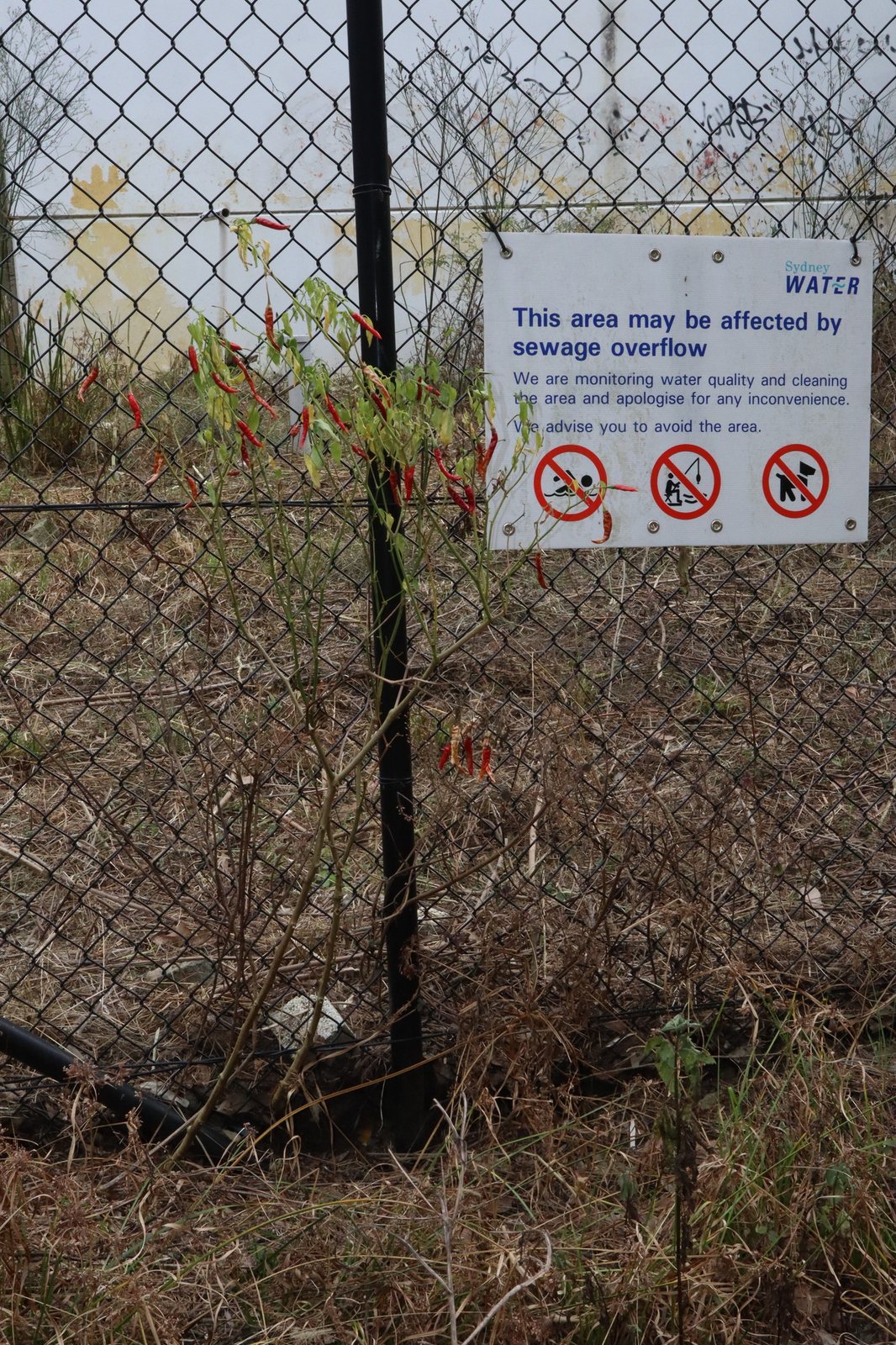
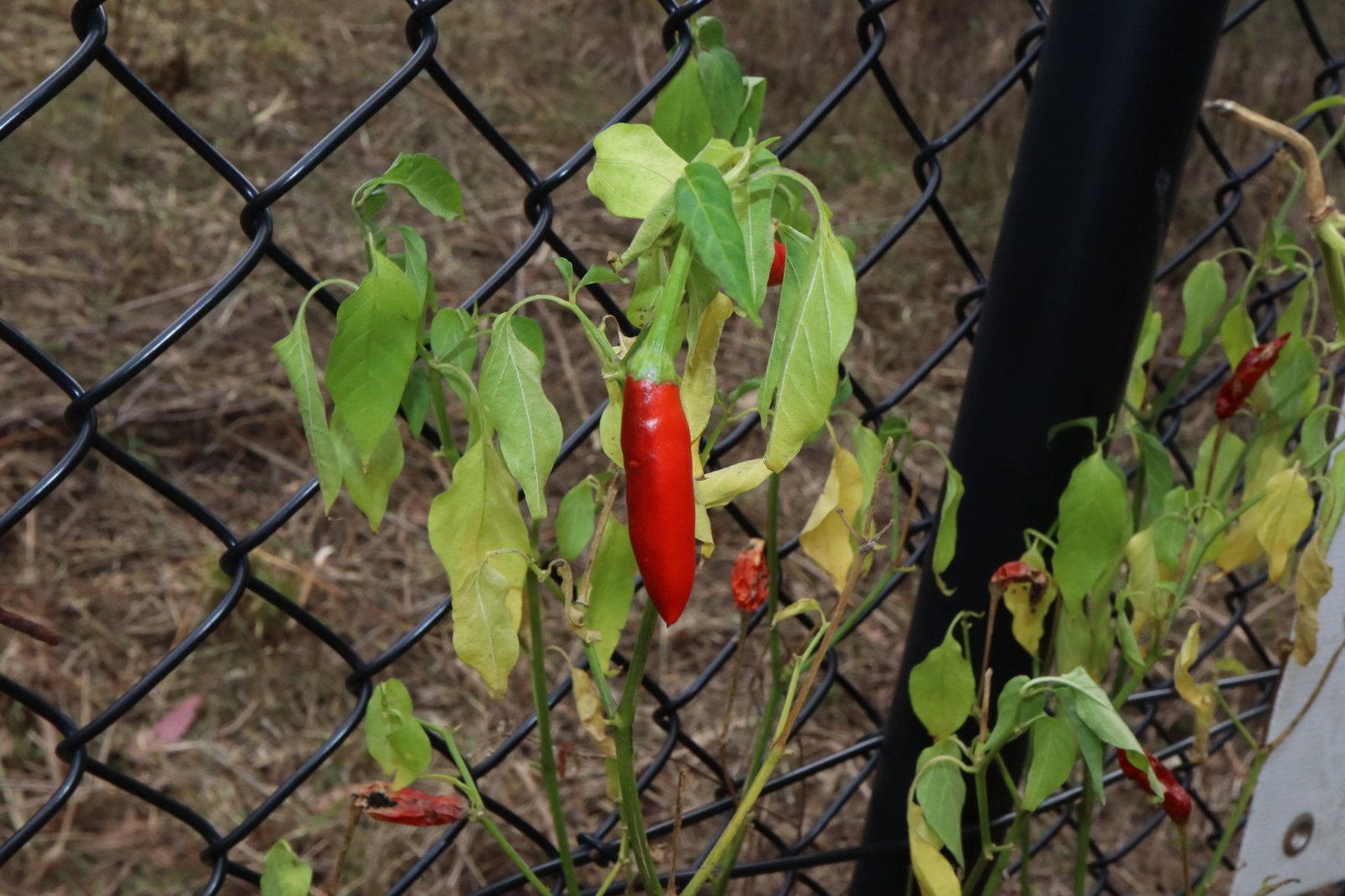
Shishito is a Japanese pepper grown for its slender, wrinkled green fruits, usually picked young for frying or grilling. It is grown as an annual and needs a warm, sunny growing season; most fruits are mild, but occasional ones are noticeably hot. In cool parts of the United Kingdom and Canada, a greenhouse or sheltered container position gives more reliable crops.
At a glance
- Sun
- Full sun, ideally at least 6-8 hours daily; light afternoon shade can help in very hot Australian and southern US gardens.
- Water
- Water deeply when the soil surface starts to dry, keeping the root zone evenly moist but never waterlogged. Containers may need daily watering in hot weather.
- Soil
- Fertile, well-drained soil with plenty of organic matter; ideally pH 6.0-7.0. Use a good-quality potting mix in containers.
- Height
- 2-3 ft (0.6-0.9 m)
- Spread
- 1.5-2 ft (0.45-0.6 m)
- Flowers
- Small white flowers from late spring through summer, continuing into autumn where conditions stay warm.
- Foliage
- Smooth, pointed, medium-green leaves on branching, somewhat brittle stems.
- Growth
- Fast in warm weather; slow in cool soil.
- Care needed
- Medium
The year at a glance
- Pollinators
- Heat tolerant
- Low allergen
- Edible
| J | F | M | A | M | J | J | A | S | O | N | D | |
|---|---|---|---|---|---|---|---|---|---|---|---|---|
| Flowers | ||||||||||||
| Fruit | ||||||||||||
| Plant |
Northern hemisphere months. In Australia, shift them by six.
- Difficulty
- Moderate
- Toughness
- Fairly tough
Will it suit your garden?
Pick your zone, country, light and whether you have pets.
Full sun is 6 or more hours of direct sun a day, part shade 3 to 6 hours, shade under 3.
How it grows
Planting day
0.5 ft (0.15 m)
After 1 year
2.5 ft (0.75 m)
full size
Full size in one season.
From a typical nursery size, at an average rate for this kind of plant. A rule of thumb, not a forecast.
Good to know
- Cats and dogs
- Mildly toxic: may upset a stomach
- Native to
- the US
- Growth rate
- Moderate
Care
Jobs through the year
- WaterMay–Jun, every 4 days
- For established in-ground plants, water when the surface dries; new transplants need closer checks.
- WaterJul–Aug, every 3 days
- Keep established in-ground roots evenly moist; adjust for rain and check containers daily.
- WaterSep–Oct, every 7 days
- Water in-ground plants as soil dries, reducing watering in cool or rainy weather.
- FeedMay–Jun
- Apply balanced fertilizer at planting according to the label; avoid excess nitrogen.
- FeedJul–Sep, every 14 days
- Feed only as soil fertility and growth require; container plants need regular label-directed feeding.
- MulchJun
- Mulch once soil is warm, leaving a gap around each stem.
- ProtectMay–Jun
- Harden off before planting after frost, with nights above 13°C; install a short stake or cage.
- HarvestJul–Oct
- Snip glossy green peppers 5–10 cm long; pick remaining usable fruit before frost.
- Plant out after frost danger has passed, when nights are consistently above about 55°F (13°C) and the soil has warmed.
- Space plants 1.5-2 ft (0.45-0.6 m) apart, or grow one plant in a container holding at least 5 US gal (19 L).
- Water at soil level and avoid repeated cycles of severe drying and soaking.
- Apply a balanced fertilizer at planting; feed container plants regularly according to the product label, avoiding excessive nitrogen.
- Mulch once the soil is warm, keeping mulch clear of the stem.
- Add a short stake or small cage before fruit-laden branches begin to lean.
Pruning. Routine pruning is unnecessary. Remove damaged or diseased growth with clean tools, and avoid heavy pruning that exposes fruit to sunscald.
Harvest
Pick fruits when glossy green, wrinkled and about 2-4 in (5-10 cm) long, commonly around 60-80 days after transplanting in warm conditions. Snip the stalk rather than pulling, and harvest frequently to encourage further cropping. Fruits left on the plant turn red and remain edible; heat varies between fruits.
Through the year
- Late winter
- Sow indoors 8-10 weeks before your expected planting-out date; provide warm compost, ideally 77-86°F (25-30°C), for germination.
- Early spring
- Pot seedlings individually once they have true leaves and grow them in strong light.
- Late spring
- Harden plants off gradually, then transplant after frost and cold nights have passed.
- Early summer
- Install supports, mulch warmed soil and begin regular feeding for container plants.
- Summer
- Water consistently, check leaf undersides for pests and pick green peppers frequently.
- Autumn
- Harvest remaining usable fruit before frost and remove plants when cropping finishes.
In the garden
- Plant in a sunny raised vegetable bed where the compact bushes are easy to reach for frequent picking.
- Grow in generous patio pots beside basil and parsley for a practical kitchen garden.
- Repeat plants along the front of a potager bed, using their green fruit and occasional red peppers as seasonal colour.
- Combine with low marigolds or sweet alyssum in an edible border, leaving enough space for airflow.
Garden styles it suits: Potager (kitchen garden), Edible landscape, Modern courtyard, Small-space, Homestead and Japanese.
Plant it with: Basil, Parsley, French marigold, Sweet alyssum, Lettuce and Spring onion.
Wildlife: Flowers can attract bees, although peppers are self-fertile. Aphid colonies may attract ladybirds, lacewings and hoverflies; avoid spraying open flowers.
Problems to watch for
- Aphids: inspect soft shoot tips and leaf undersides; wash off small colonies with water or use insecticidal soap labelled for edible crops.
- Spider mites: watch for fine stippling and webbing during hot, dry weather; rinse leaf undersides and use a labelled treatment if needed.
- Blossom-end rot: dark, sunken patches at the blossom end usually follow disrupted calcium uptake; maintain even moisture and avoid excessive fertilizer rather than adding calcium without a soil test.
- Flower drop or poor fruit set: cold nights and extreme heat can interrupt cropping; provide shelter in cool climates, light afternoon shade in extreme heat and wait for more suitable temperatures.
Safety
The fruits are edible for people, but occasional hot fruits can irritate the mouth, eyes and skin. Plain sweet pepper flesh is not known to be toxic to cats, dogs or horses, but hot fruits can cause irritation and digestive upset and should not be offered to pets. Leaves and stems are not edible and may be harmful if eaten by people or animals; keep pets and children from chewing them.
Easily confused with
Padrón pepper (Capsicum annuum 'Padrón')
Padrón fruits are usually shorter and broader at the shoulder, while Shishito fruits are generally longer, narrower and more deeply wrinkled. Fruit shape overlaps, so a reliable label is the best guide.
Fushimi sweet pepper (Capsicum annuum 'Fushimi')
Fushimi usually has longer, slimmer and smoother fruits with a more tapered tip; Shishito is more wrinkled and often blunt-ended.
The name
Shishito comes from Japanese words referring to a lion and a pepper, because the fruit's crumpled tip is said to resemble a lion's head.
Propagation. Sow seed indoors in warm conditions, covering lightly with seed compost. Germination commonly takes 1-3 weeks. Seed saved from fully red, ripe fruits may not come true if other pepper varieties flower nearby.
Checked against open data
- Accepted botanical name
- Capsicum annuum
- In the US and Canada
- Native in the lower 48 states. Introduced in Hawaii, the lower 48 states, Navassa Island, Pacific Basin, Puerto Rico and US Virgin Islands.
- Native range
- Guatemala, Mexico Central, Mexico Gulf, Mexico Northeast, Mexico Northwest, Mexico Southeast, Mexico Southwest, Bahamas, Belize, Bolivia, Brazil North and Brazil Northeast.
- Measured
- Average height 60 cm.
Sources: GBIF (CC BY 4.0), USDA PLANTS and Trefle (CC BY 4.0). The care and design notes are LandscapeGPT's own.
See it in your own yard.
Upload a photo of your yard and see it redesigned with plants that suit your climate, each checked against your zone.