Slicing cucumber 'Marketmore 76'
Cucumis sativus 'Marketmore 76'. Family Cucurbitaceae. Annual.
Also called Marketmore 76 cucumber.
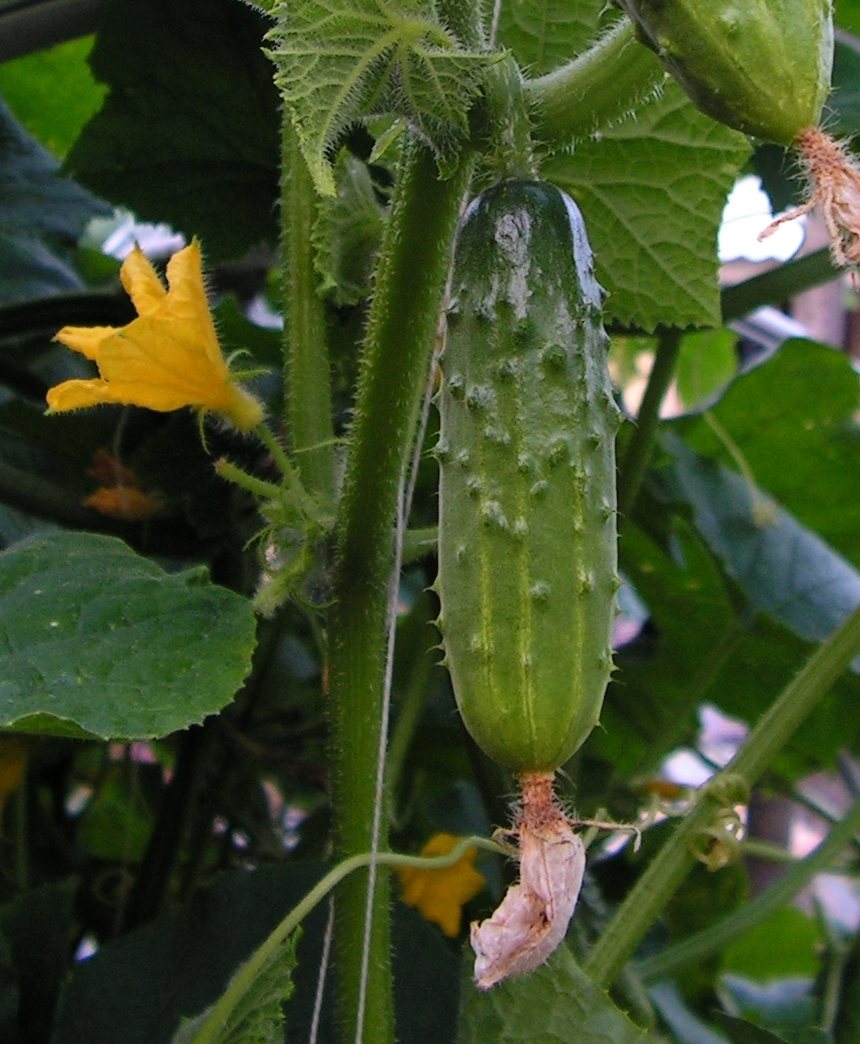
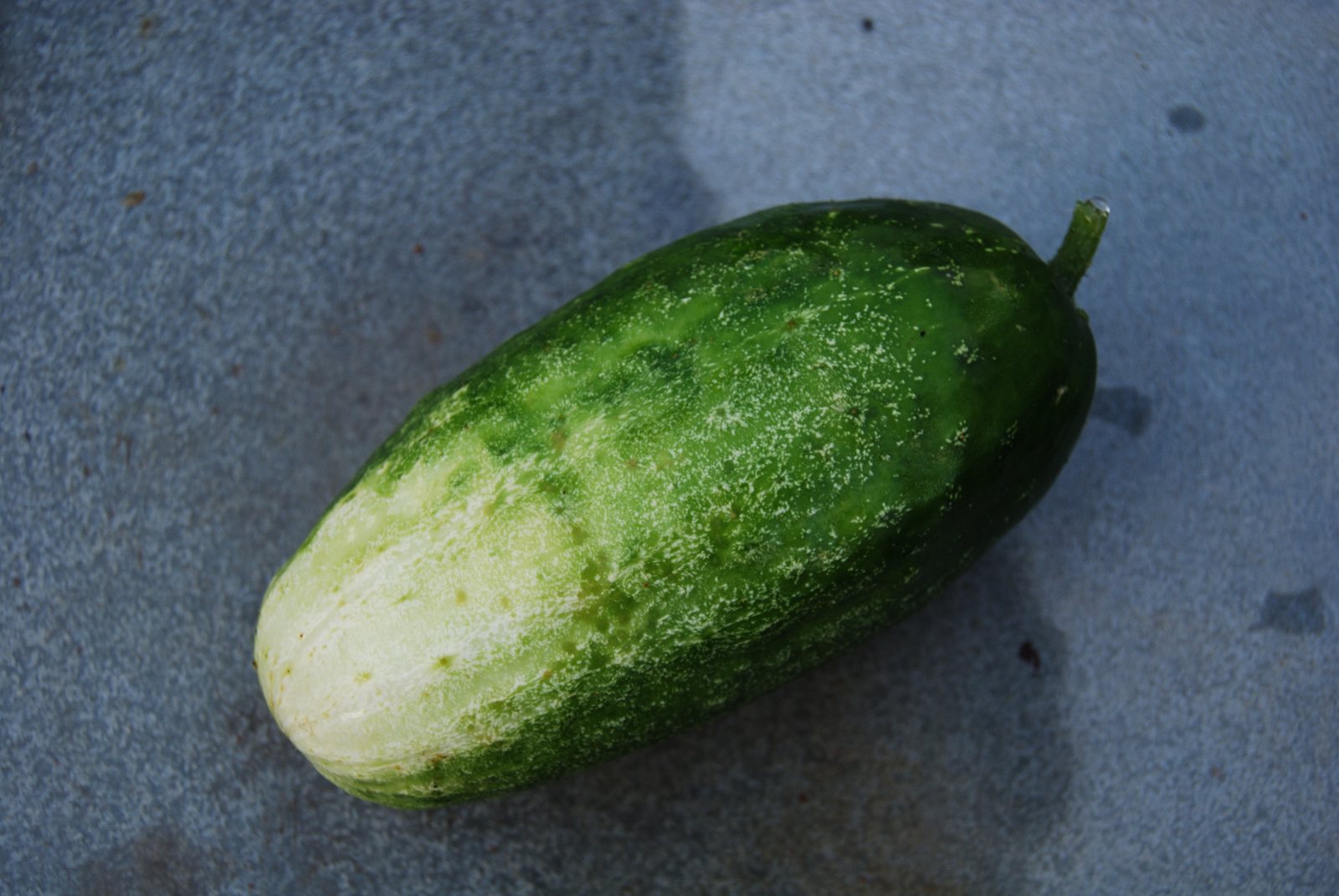
'Marketmore 76' is an open-pollinated slicing cucumber grown as an annual for its dark green, straight fruits with crisp flesh. Its vigorous vines suit outdoor vegetable beds and trellises, provided they have warm soil, regular moisture and insect pollination.
At a glance
- Sun
- Full sun, ideally at least 6-8 hours daily; light afternoon shade can help in very hot climates.
- Water
- Keep soil evenly moist, especially during flowering and fruit growth. Supply roughly 1-2 in (25-50 mm) of water weekly, including rain, adjusting for heat, soil and container size.
- Soil
- Fertile, well-drained soil enriched with compost; slightly acidic to neutral soil, around pH 6.0-7.0, is suitable.
- Height
- 1-2 ft (0.3-0.6 m) trailing; 5-6 ft (1.5-1.8 m) on a support
- Spread
- 4-6 ft (1.2-1.8 m) if allowed to trail
- Flowers
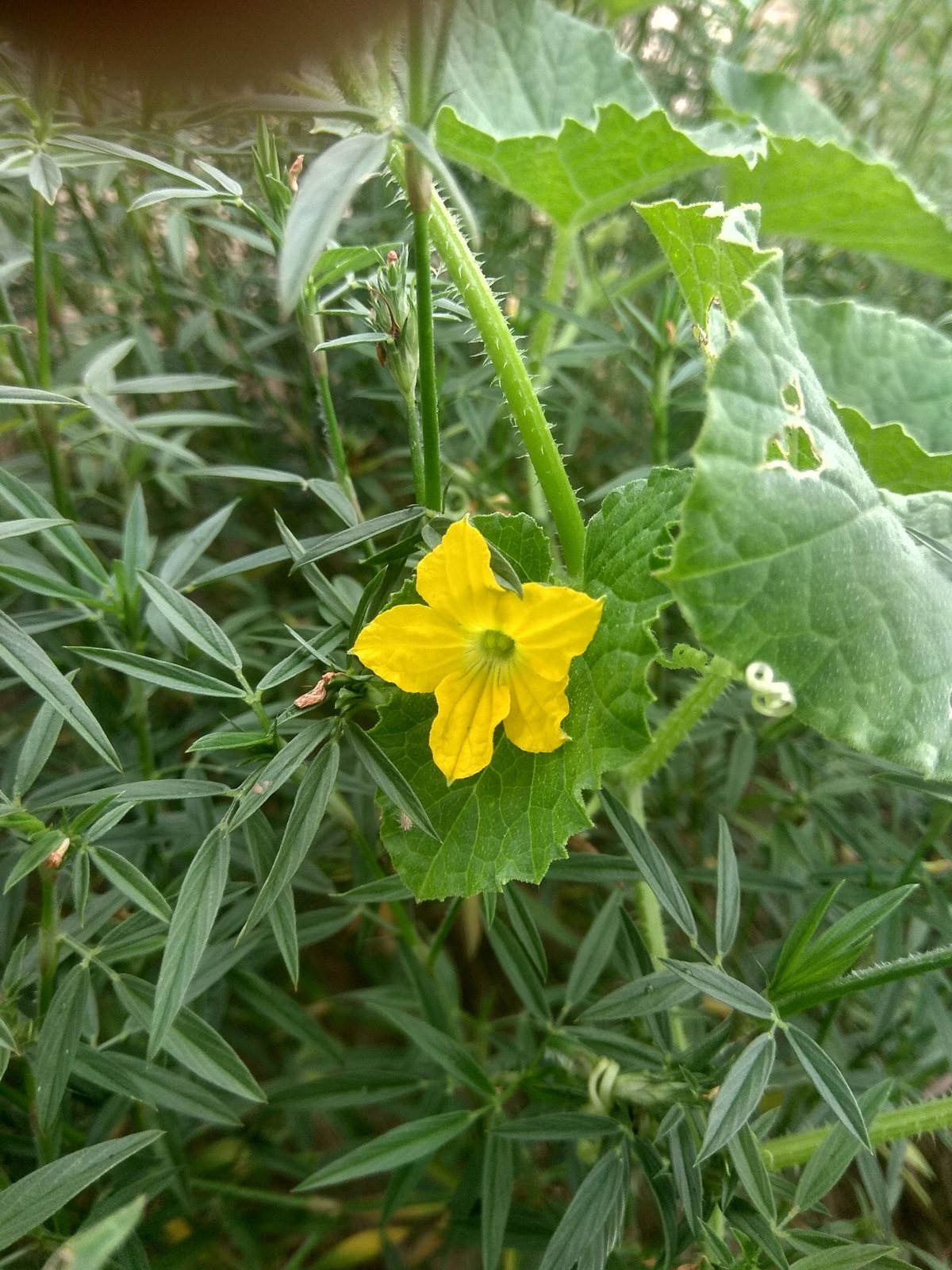
- Yellow male and female flowers from late spring or summer until cold weather stops growth.
- Foliage
- Rough, hairy, green leaves with shallow lobes; climbing stems attach to supports with tendrils.
- Growth
- Fast in warm weather; first harvest usually about 65-75 days from sowing under good conditions.
- Care needed
- Medium
The year at a glance
- Pollinators
- Heat tolerant
- Disease resistant
- Low allergen
- Edible
| J | F | M | A | M | J | J | A | S | O | N | D | |
|---|---|---|---|---|---|---|---|---|---|---|---|---|
| Flowers | ||||||||||||
| Fruit | ||||||||||||
| Plant |
Northern hemisphere months. In Australia, shift them by six.
- Difficulty
- Moderate
- Toughness
- Needs looking after
Will it suit your garden?
Pick your zone, country, light and whether you have pets.
Full sun is 6 or more hours of direct sun a day, part shade 3 to 6 hours, shade under 3.
How it grows
Planting day
0.5 ft (0.15 m)
After 1 year
1.5 ft (0.45 m)
full size
Full size in one season.
From a typical nursery size, at an average rate for this kind of plant. A rule of thumb, not a forecast.
Good to know
- Cats and dogs
- Safe
- Growth rate
- Fast
Care
Jobs through the year
- WaterMay–Jun, every 3 days
- Water in-ground plants at soil level when needed to keep soil evenly moist.
- WaterJul–Aug, every 2 days
- Keep soil evenly moist; aim for 25–50 mm weekly including rain.
- WaterSep–Oct, every 4 days
- Water while vines remain productive, reducing frequency in cool or wet weather.
- FeedApr–May
- Mix mature compost into the bed before sowing or planting.
- FeedJul–Sep, every 14 days
- Feed cropping plants with vegetable fertiliser at the label rate and interval.
- MulchJun
- Mulch once soil warms to retain moisture and keep trailing fruit clean.
- ProtectMay–Jun
- Use insect mesh against beetles where needed; remove at flowering for bee access.
- HarvestJul–Oct
- Cut firm dark-green cucumbers at 20–23 cm, before yellowing or seed hardening.
- Sow or plant out after frost, once soil reaches at least 60°F (16°C); warmer soil gives faster establishment.
- Install a sturdy trellis at planting and guide young shoots onto it; space trellised plants about 18-24 in (45-60 cm) apart.
- Water at soil level and avoid repeated drying out while fruits develop.
- Mulch after the soil warms to conserve moisture and keep trailing fruit clean.
- Mix compost into the bed before planting; feed with a vegetable fertiliser as cropping begins, following the label.
- Allow bees access to flowers; remove insect netting when flowering starts unless you will hand-pollinate.
Pruning. Routine pruning is unnecessary. During growth, remove dead or badly diseased leaves and redirect wandering shoots rather than repeatedly cutting healthy vines.
Harvest
Pick firm, evenly dark green cucumbers when about 8-9 in (20-23 cm) long, before they yellow or develop large, hard seeds. Check vines every day or two during peak production and cut fruit off with scissors or secateurs, leaving a short stalk.
Through the year
- Early spring
- Prepare a sunny bed with compost and plan a trellis; delay sowing if planting-out weather is still many weeks away.
- Mid to late spring
- Sow indoors in individual pots about 3-4 weeks before your expected frost-free planting date.
- Late spring
- Harden off seedlings and plant into warm soil after frost, or direct-sow where the growing season is long enough.
- Early summer
- Mulch warm soil, guide vines onto supports and ensure pollinators can reach the flowers.
- Summer
- Water consistently, feed as needed and harvest frequently before fruits become oversized.
- Autumn
- Remove exhausted or frost-killed vines and clean supports before storage.
In the garden
- Train up a trellis at the back of a vegetable bed to keep fruit accessible and save ground space.
- Grow on a sunny kitchen-garden fence as a temporary leafy screen.
- Include in a potager with bush beans and low flowers, leaving enough space for airflow.
- Grow one plant in a large container with a secure support on a sunny patio, where watering is easy to manage.
Garden styles it suits: Potager (kitchen garden), Edible landscape, Homestead, Cottage garden, Family-friendly and Small-space.
Plant it with: Bush beans, Lettuce, Radishes, Dill, Calendula and Sweet alyssum.
Wildlife: Bees visit the flowers and are needed to transfer pollen between male and female flowers. Slugs and snails may damage seedlings.
Problems to watch for
- Powdery mildew: pale powdery patches develop on leaves, often late in the season. This cultivar has resistance, not immunity; maintain airflow, avoid drought stress and remove badly affected leaves.
- Aphids: clusters on soft growth can distort leaves and spread viruses. Wash off small colonies with water and encourage natural predators; remove severely virus-affected plants.
- Cucumber beetles, especially in North America: adults chew leaves and may transmit bacterial wilt. Protect young plants with insect mesh, removing it at flowering for pollination, and remove beetles by hand.
- Poor fruit set or misshapen fruit: inadequate pollination, heat or uneven watering may be responsible. Keep moisture steady, avoid spraying insecticides around flowers and hand-pollinate female flowers if bee visits are scarce.
Safety
Ordinary cultivated cucumber fruit and foliage are not known to be toxic to people, cats, dogs or horses. Exceptionally bitter fruits can contain elevated cucurbitacins, which may cause serious vomiting, diarrhoea and abdominal pain; discard any unusually bitter cucumber rather than eating it or feeding it to animals.
Easily confused with
Zucchini or courgette (Cucurbita pepo)
Young elongated fruit can look similar, but zucchini has much larger flowers, thicker fruit stalks and usually a bushier plant with larger leaves.
Armenian cucumber (Cucumis melo Flexuosus Group)
Usually bears longer, paler, deeply ridged fruit; it is botanically a melon rather than a true cucumber.
The name
Cucumis is the Latin name for cucumber, and sativus means cultivated or sown.
Propagation. Grow from seed, either direct-sown into warm soil or started in individual pots indoors. It is open-pollinated, but saved seed may cross with other Cucumis sativus cultivars flowering nearby; isolate flowers and hand-pollinate if you need seed that remains true to type.
Checked against open data
- Accepted botanical name
- Cucumis sativus
- In the US and Canada
- Introduced in Hawaii, the lower 48 states, Pacific Basin and Puerto Rico.
- Native range
- Assam, Bangladesh, China South-Central, China Southeast, East Himalaya, Myanmar, Nepal, Thailand and West Himalaya.
- Measured
- Average height 200 cm.
Sources: GBIF (CC BY 4.0), USDA PLANTS and Trefle (CC BY 4.0). The care and design notes are LandscapeGPT's own.
See it in your own yard.
Upload a photo of your yard and see it redesigned with plants that suit your climate, each checked against your zone.