Stone pine
Pinus pinea. Family Pinaceae. Tree.
Also called Italian stone pine, Umbrella pine, Parasol pine.
Stone pine is a large evergreen conifer that develops a broad, umbrella-shaped crown with age. Gardeners grow it for its architectural outline, shade and edible pine nuts, although useful nut crops take years to develop and are not dependable in cool climates. It needs a spacious site with warm summers and freely draining soil.
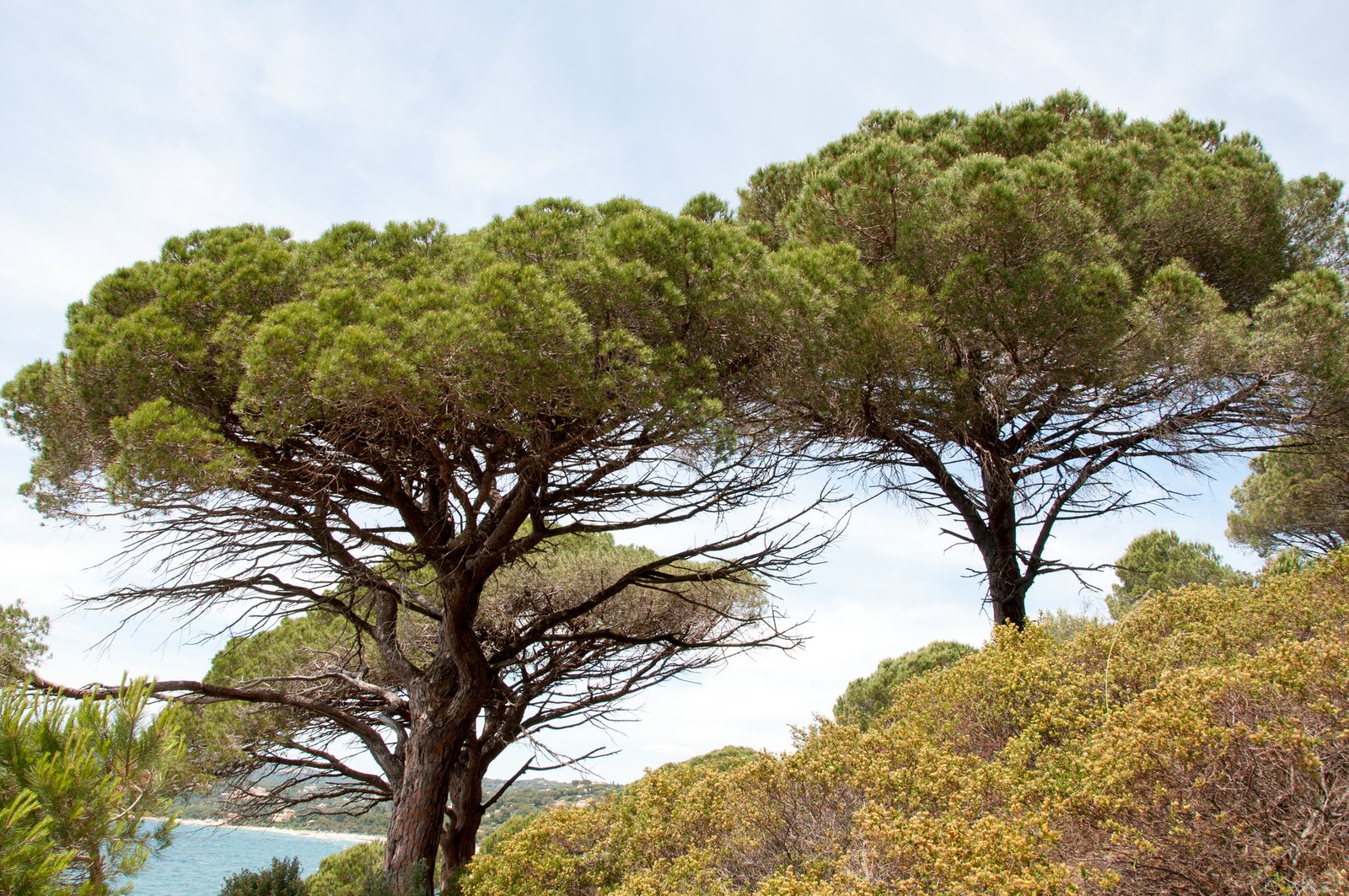
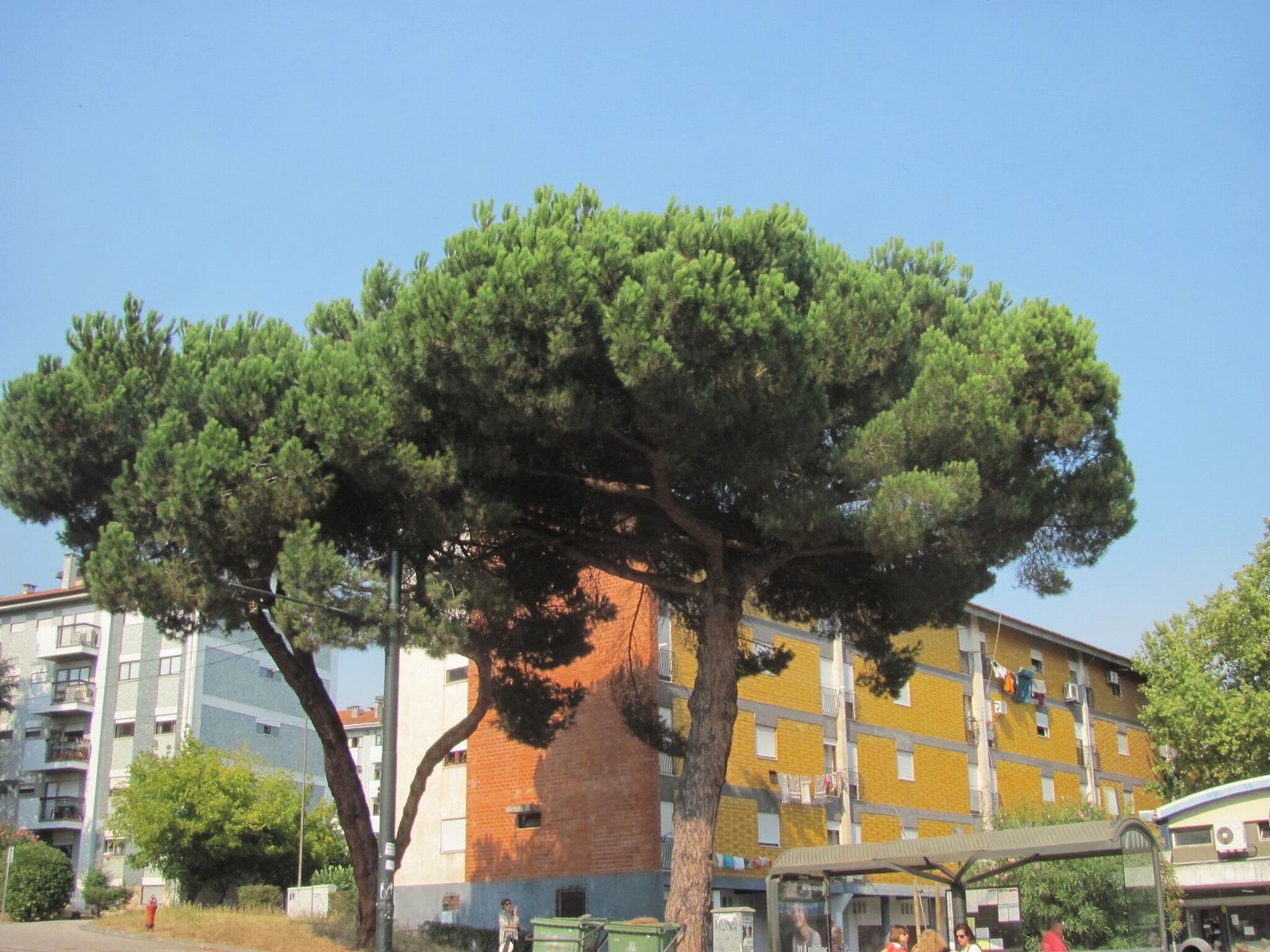
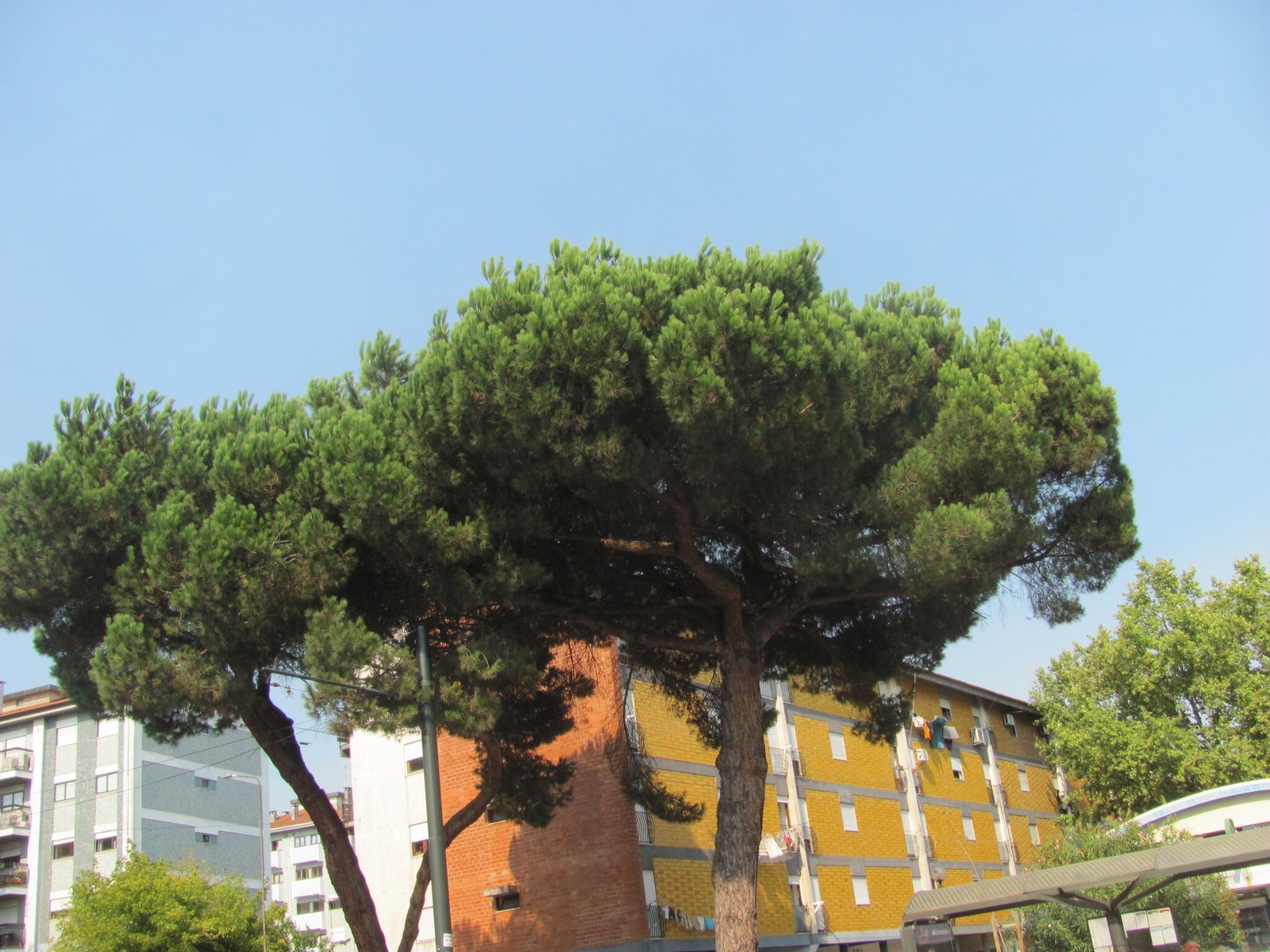
At a glance
- Sun
- Full sun; choose a warm, sheltered position near the colder end of its range.
- Water
- Water regularly while establishing; established trees tolerate drought but dislike waterlogged soil.
- Soil
- Freely draining sandy, gravelly or loamy soil; tolerates poor fertility and moderately alkaline conditions.
- Height
- 40-65 ft (12-20 m)
- Spread
- 30-50 ft (9-15 m)
- Flowers
- Spring: yellow pollen cones and small reddish to green female cones; not showy flowers.
- Foliage
- Evergreen. Stiff, medium-green needles in pairs, usually 4-8 in (10-20 cm) long. Young plants have shorter, softer, blue-green juvenile needles.
- Growth
- Moderate, faster in warm conditions with adequate moisture.
- Care needed
- Low
The year at a glance
- Deer resistant
- Drought tolerant
- Heat tolerant
- Wildlife
| J | F | M | A | M | J | J | A | S | O | N | D | |
|---|---|---|---|---|---|---|---|---|---|---|---|---|
| Fruit | ||||||||||||
| Plant |
Northern hemisphere months. In Australia, shift them by six.
- Difficulty
- Hard
- Toughness
- Fairly tough
Will it suit your garden?
Pick your zone, country, light and whether you have pets.
Full sun is 6 or more hours of direct sun a day, part shade 3 to 6 hours, shade under 3.
How it grows
Planting day
7 ft (2 m)
After 1 year
9 ft (2.9 m)
After 2 years
12 ft (3.8 m)
After 3 years
15 ft (4.6 m)
After 5 years
21 ft (6.4 m)
About 16 years to full size.
From a typical nursery size, at an average rate for this kind of plant. A rule of thumb, not a forecast.
Good to know
- Cats and dogs
- Mildly toxic: may upset a stomach
- Growth rate
- Fast
Care
Jobs through the year
- WaterApr–May, Sep–Oct, every 21 days
- Water established trees only if deeply dry; young trees need regular watering for two to three years.
- WaterJun–Aug, every 14 days
- Deep-water established trees during prolonged drought; avoid frequent light sprinkling.
- PruneFeb–Mar
- Remove small dead or damaged branches only; preserve the leader and use an arborist for large limbs.
- MulchApr–May
- Maintain 5–8 cm of organic mulch over the roots, keeping it clear of the trunk.
- ProtectJan–Mar, Nov–Dec
- Not reliably hardy in zones 6–7; overwinter young container trees frost-free or choose a hardier pine.
- Plant with the root flare at soil level and leave enough room for the mature crown, well away from buildings and overhead wires.
- Water deeply during dry spells for the first two or three growing seasons; let the soil begin to dry between waterings.
- Apply 2-3 in (5-8 cm) of organic mulch over the root area, keeping it clear of the trunk.
- Avoid routine feeding; use a modest slow-release fertiliser only where poor growth indicates a need.
- Stake only if the root ball moves in wind, and remove supports once the tree is securely rooted.
Pruning. Remove dead, damaged or crossing branches in late winter to early spring, cutting just outside the branch collar. Preserve the main leader, avoid topping or cutting into bare old wood, and use a qualified arborist for large limbs.
Through the year
- Late winter
- Inspect the crown and remove small dead or damaged branches before new growth begins.
- Spring
- Plant in colder districts once the soil is workable; water thoroughly and mulch.
- Late spring
- Check young shoots for aphids and distorted growth; inspect needles for browning or bands.
- Summer
- Deep-water young trees during prolonged dry spells rather than giving frequent light sprinklings.
- Autumn
- Plant in mild-winter districts and collect mature brown cones if growing the tree for nuts.
- Winter
- Check drainage and loosen any tight tree ties; protect newly planted trees from severe cold, drying winds.
In the garden
- Use as a specimen tree in a large lawn or gravel garden, where its mature umbrella crown can be seen clearly.
- Combine with olive trees, lavender and rosemary for a Mediterranean planting in suitable climates.
- Set behind a generous terrace to provide high shade as the tree matures; keep seating clear of falling cones.
- Plant in spacious groups on a large property for a grove with open trunks and a broad evergreen canopy.
Garden styles it suits: Mediterranean, Modern Mediterranean, Italian / Tuscan, Tuscan villa, Architectural minimal and Dry gravel garden.
Plant it with: Olive, Lavender, Rosemary, Rockrose, Santolina and Strawberry tree.
Wildlife: The crown offers shelter and nesting places for birds, while squirrels and some birds eat the seeds. Wind-pollinated cones provide no nectar for pollinators.
Problems to watch for
- Root rot and decline in wet soil: improve drainage before planting and avoid low, waterlogged sites; severely affected trees may need removal.
- Needle blight, including Dothistroma: seek a diagnosis if needles develop bands and die back; avoid overhead watering and remove heavily affected young trees when advised.
- Aphids and scale insects: inspect sticky or sooty foliage, encourage natural predators and use a locally approved treatment only for damaging infestations.
- Pine processionary caterpillars in affected regions: their hairs can seriously injure people and pets; keep clear of nests and caterpillar trails and arrange specialist removal.
Safety
Stone pine is not known to be toxic to people, cats, dogs or horses. The shelled seeds are edible for people but can cause serious allergic reactions in susceptible individuals. Needles, resin and woody cones are not food: chewing them may cause mouth irritation, stomach upset or a blockage in pets.
Where it spreads. Can self-seed into natural vegetation in parts of South Africa, including the Western Cape, where it has been recorded as invasive. Check local guidance before planting near natural habitats.
Easily confused with
Maritime pine (Pinus pinaster)
Also has long needles in pairs, but its cones are more elongated and have conspicuously pointed scale tips; stone pine has broad, rounded cones and a more regularly umbrella-shaped mature crown.
Aleppo pine (Pinus halepensis)
Has finer, generally shorter needles and smaller, elongated cones that often remain on branches for years; its crown is usually more irregular.
Japanese umbrella pine (Sciadopitys verticillata)
Has thick, glossy green leaflike structures arranged in conspicuous umbrella-like whorls, rather than true pine needles in pairs.
The name
Pinus is the Latin name for pine, while stone pine refers to the hard shells surrounding its edible seeds.
Propagation. Grow from fresh seed sown in deep pots of freely draining compost. Protect seeds and seedlings from rodents, provide good light, and plant out while young before roots become crowded; seed-grown trees may take well over a decade to produce useful nut crops.
Checked against open data
- Accepted botanical name
- Pinus pinea
- In the US and Canada
- Introduced in the lower 48 states.
- Native range
- Albania, Baleares, Corse, Cyprus, East Aegean Is., France, Greece, Italy, Kriti, Lebanon-Syria, Portugal and Sicilia.
- Measured
- Soil pH 7 to 7.5. Average height 1250 cm.
Sources: GBIF (CC BY 4.0), USDA PLANTS and Trefle (CC BY 4.0). The care and design notes are LandscapeGPT's own.
See it in your own yard.
Upload a photo of your yard and see it redesigned with plants that suit your climate, each checked against your zone.