Sunshine Blue blueberry
Vaccinium corymbosum 'Sunshine Blue'. Family Ericaceae. Shrub.
Also called Sunshine Blue southern highbush blueberry.
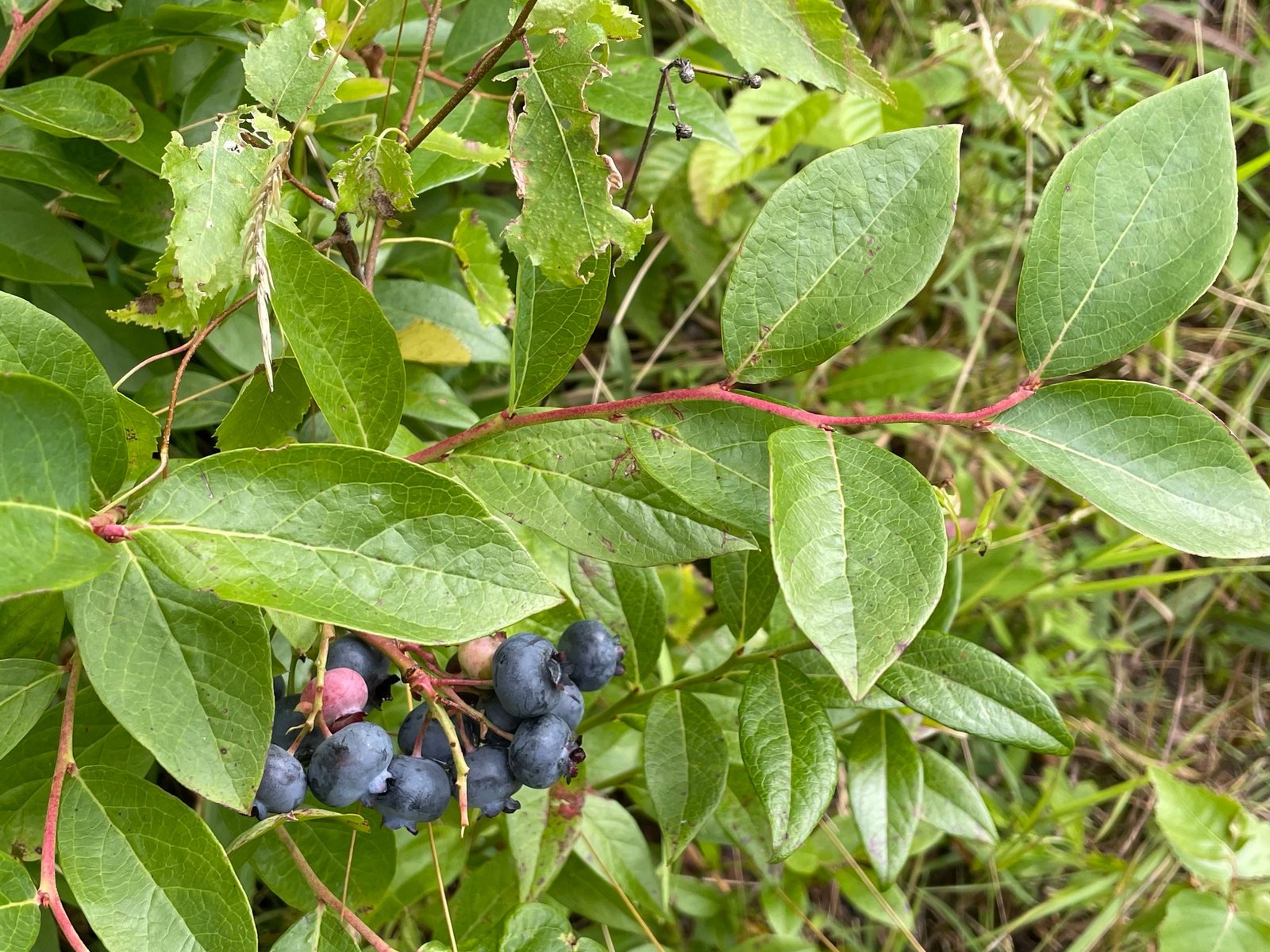
Sunshine Blue is a compact southern highbush blueberry grown for sweet blue berries, pink spring flowers and blue-green foliage. It needs acidic soil and relatively little winter chilling, making it useful in mild-winter gardens and containers. It is self-fertile, though another compatible blueberry flowering at the same time can improve cropping.
At a glance
- Sun
- Full sun for the best crops; light afternoon shade is helpful in very hot climates.
- Water
- Keep the shallow root zone consistently moist but not waterlogged, especially during flowering and fruit development. Containers may need daily checks in hot weather.
- Soil
- Acidic, humus-rich, well-drained soil, ideally pH 4.5-5.5. Use ericaceous potting mix in containers where garden soil is alkaline.
- Height
- 3-4 ft (0.9-1.2 m)
- Spread
- 3-4 ft (0.9-1.2 m)
- Flowers
- Spring; small, bell-shaped pink flowers, often fading paler.
- Foliage
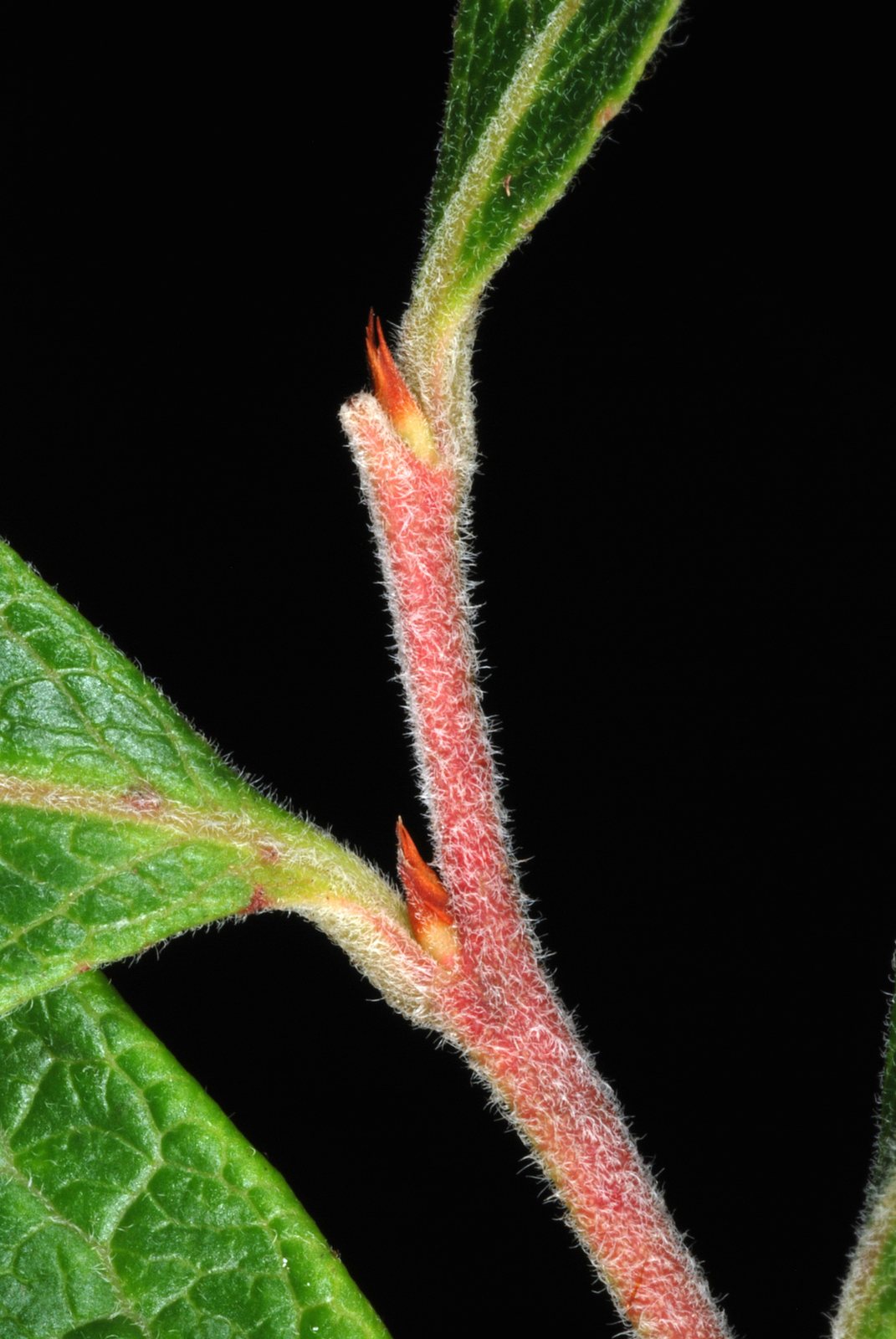
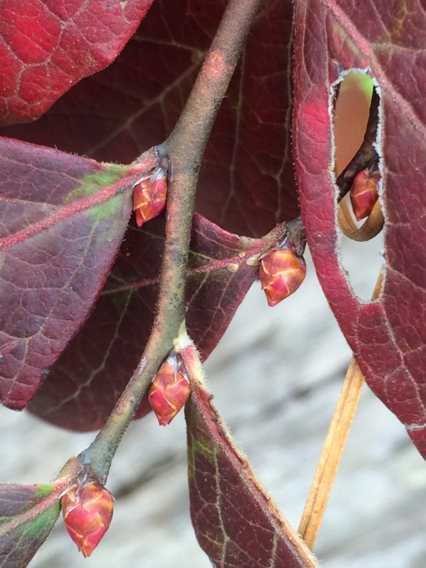
- Small, oval, blue-green leaves, sometimes turning reddish-purple in autumn. Evergreen to semi-evergreen in mild climates; may lose most or all leaves in cold winters.
- Growth
- Slow to moderate
- Care needed
- Medium
The year at a glance
- Pollinators
- Heat tolerant
- Wildlife
- Low allergen
- Edible
| J | F | M | A | M | J | J | A | S | O | N | D | |
|---|---|---|---|---|---|---|---|---|---|---|---|---|
| Flowers | ||||||||||||
| Fruit | ||||||||||||
| Plant |
Northern hemisphere months. In Australia, shift them by six.
- Difficulty
- Moderate
- Toughness
- Fairly tough
Will it suit your garden?
Pick your zone, country, light and whether you have pets.
Full sun is 6 or more hours of direct sun a day, part shade 3 to 6 hours, shade under 3.
How it grows
Planting day
1.6 ft (0.5 m)
After 1 year
1.9 ft (0.58 m)
After 2 years
2.2 ft (0.67 m)
After 3 years
2.5 ft (0.75 m)
After 5 years
3 ft (0.92 m)
About 7 years to full size.
From a typical nursery size, at an average rate for this kind of plant. A rule of thumb, not a forecast.
Good to know
- Cats and dogs
- Safe
- Native to
- the US and Canada
- Growth rate
- Slow
Care
Jobs through the year
- WaterMar–May, Sep–Oct, every 7 days
- Check established plants and water if rain is insufficient; keep shallow roots moist, using rainwater where tap water is hard.
- WaterJun–Aug, every 3 days
- Check moisture and water as needed after rainfall; young plants and containers need more frequent checks.
- FeedMar–Apr
- Apply a light feed formulated for blueberries or acid-loving plants.
- MulchApr
- Apply 5-8 cm of pine bark, keeping it clear of stems.
- PruneFeb–Mar
- Before growth starts, remove damaged wood and a little of the oldest established wood; do not shear.
- ProtectApr–May
- Cover open flowers with fleece on frosty nights; uncover during the day.
- ProtectJun–Aug
- Fit taut, wildlife-safe netting before berries colour and check daily for trapped wildlife.
- HarvestJul–Aug
- Pick fully blue berries that detach easily; allow a few days after colouring for sweetness.
- ProtectJan–Feb, Nov–Dec
- Shelter containers and insulate pots during severe cold without blocking drainage.
- Water before the root zone dries out; use rainwater where tap water is hard.
- Feed lightly in spring with a fertiliser labelled for blueberries or acid-loving plants; avoid overfeeding.
- Apply 2-3 in (5-8 cm) of pine bark or another suitable organic mulch, keeping it clear of the stems.
- Grow in a large container with drainage holes if your soil is alkaline; do not leave the pot standing in water.
- Cover ripening fruit with securely fitted wildlife-safe netting, checking it regularly for trapped animals.
- Shelter container-grown plants from severe winter cold because their roots are less insulated than roots in the ground.
Pruning. Prune in late winter before growth starts, removing dead, damaged and crossing stems. Once established, remove a little of the oldest wood at ground level each year, retaining strong younger stems and avoiding hard shearing.
Harvest
Pick berries in summer when they are fully blue, including around the stalk, and come away easily; leaving them a few days after colouring improves sweetness. Harvest repeatedly as the clusters ripen unevenly. Expect the first worthwhile crop about 2-3 years after planting, with larger crops as the bush matures.
Through the year
- Late winter
- Prune established bushes lightly and remove dead or damaged stems.
- Early spring
- Plant when the ground is workable, check soil acidity and apply a light feed.
- Spring
- Refresh mulch and protect open flowers from forecast late frosts with horticultural fleece.
- Late spring
- Check moisture frequently as fruit develops; fit netting before berries begin colouring.
- Summer
- Pick ripe berries regularly and keep containers evenly watered.
- Autumn
- Remove fallen diseased fruit and leaves, and move exposed pots to a sheltered position before severe cold.
In the garden
- Use in large patio containers where flowers, foliage and fruit can be enjoyed close up.
- Plant as a low, informal edging around an acidic-soil kitchen garden.
- Group with compact azaleas and other acid-loving shrubs for spring flowers and contrasting foliage.
- Include in a small edible border with other compatible blueberries for a longer picking season.
Garden styles it suits: Edible landscape, Potager (kitchen garden), Small-space, Modern courtyard, Cottage garden and Wildlife garden.
Plant it with: Azaleas, Rhododendrons, Lingonberries, Wintergreen, Japanese pieris and Other southern highbush blueberries.
Wildlife: Flowers provide nectar and pollen for bees, especially bumblebees. Birds eat the berries, and the branching growth offers some shelter for small garden wildlife.
Problems to watch for
- Yellow leaves with green veins usually indicate iron becoming unavailable in soil that is too alkaline: test pH and correct the growing conditions, or move the plant into ericaceous compost.
- Root rot and dieback can follow waterlogging: improve drainage and never leave containers sitting in water.
- Birds can strip ripening berries: use securely supported wildlife-safe netting and inspect it frequently.
- Spotted wing drosophila can cause soft, leaking berries where this pest occurs: pick promptly, remove overripe fruit and use suitable fine insect mesh after flowering.
Safety
Not known to be toxic to people, cats, dogs or horses. Ripe berries are edible; the leaves and woody stems are not normally eaten.
Easily confused with
Bilberry (Vaccinium myrtillus)
Bilberry has green, angular stems and usually bears individual berries with dark purple flesh; Sunshine Blue bears clusters of berries with pale flesh.
Rabbiteye blueberry (Vaccinium virgatum)
Rabbiteye blueberries usually grow much taller and their unripe berries often turn pink before blue. Similar-looking cultivars can be difficult to identify reliably without a label.
The name
The common name blueberry refers to the blue skin of the ripe fruit, while corymbosum refers to its clustered flowers.
Propagation. Take softwood cuttings in late spring or early summer and root them in an acidic, free-draining medium under humid conditions. Seedlings will not reliably retain the characteristics of Sunshine Blue.
Checked against open data
- Accepted botanical name
- Vaccinium corymbosum
- In the US and Canada
- Native in Canada and the lower 48 states.
- Native range
- Alabama, Connecticut, Delaware, Florida, Georgia, Illinois, Indiana, Kentucky, Louisiana, Maine, Maryland and Masachusettes.
- Measured
- Soil pH 4.7 to 7.5. Average height 250 cm.
Sources: GBIF (CC BY 4.0), USDA PLANTS and Trefle (CC BY 4.0). The care and design notes are LandscapeGPT's own.
See it in your own yard.
Upload a photo of your yard and see it redesigned with plants that suit your climate, each checked against your zone.