Swamp azalea
Rhododendron viscosum. Family Ericaceae. Shrub.
Also called Clammy azalea, Swamp honeysuckle.
Swamp azalea is a deciduous shrub native to eastern North America, grown for its strongly fragrant white flowers in early summer. It suits moist, acidic gardens and pond margins, where its loose, branching growth can gradually form a suckering colony.
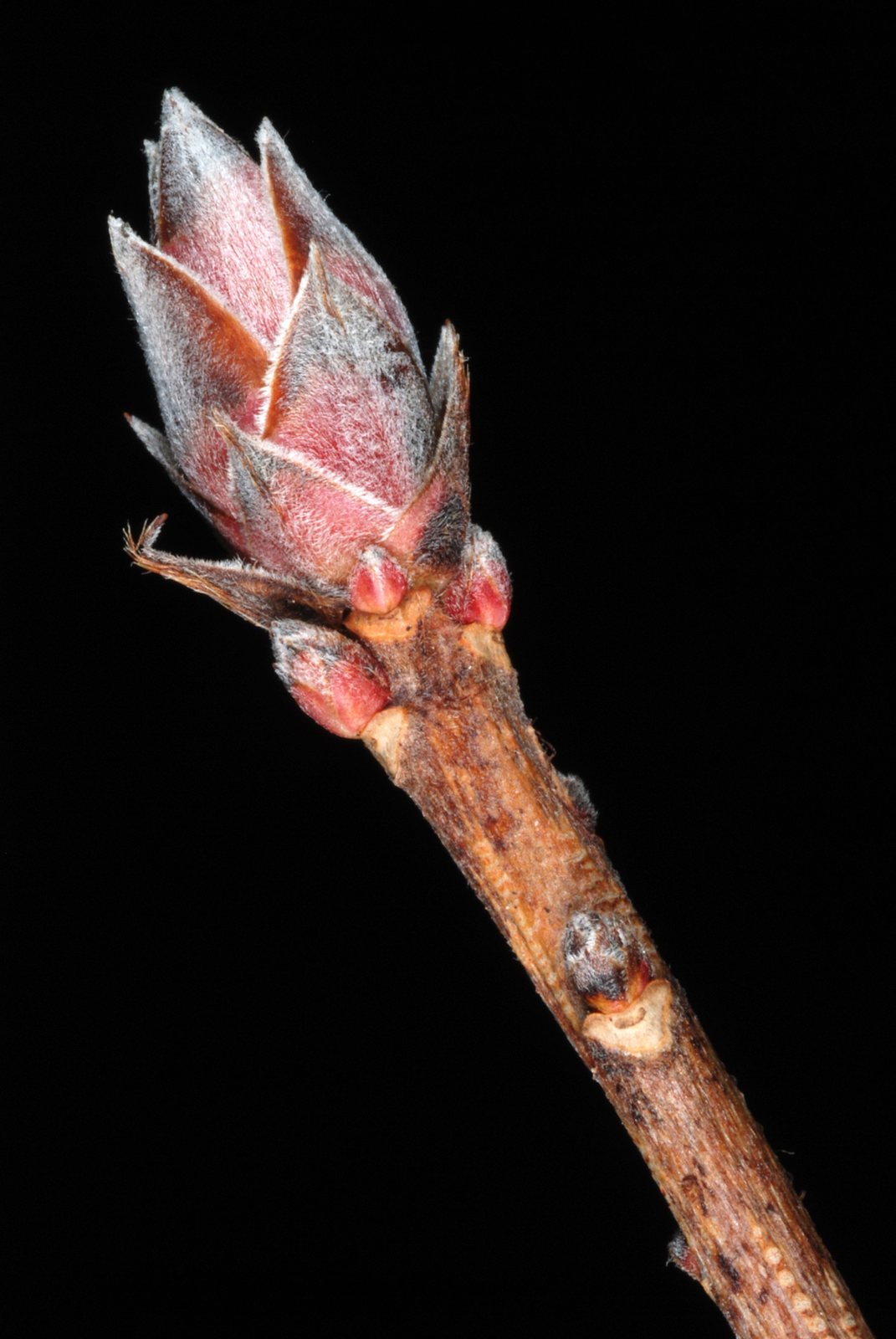
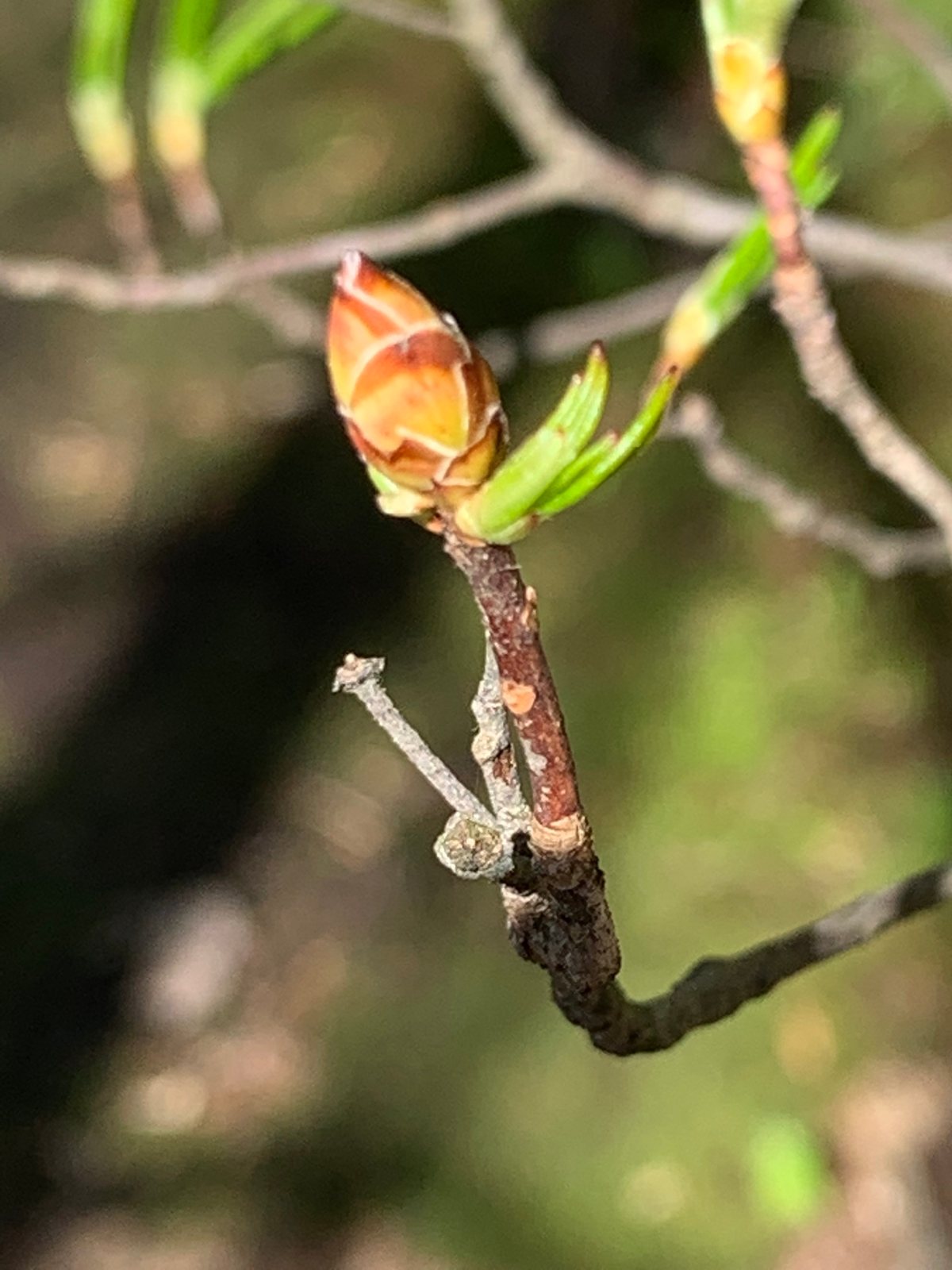
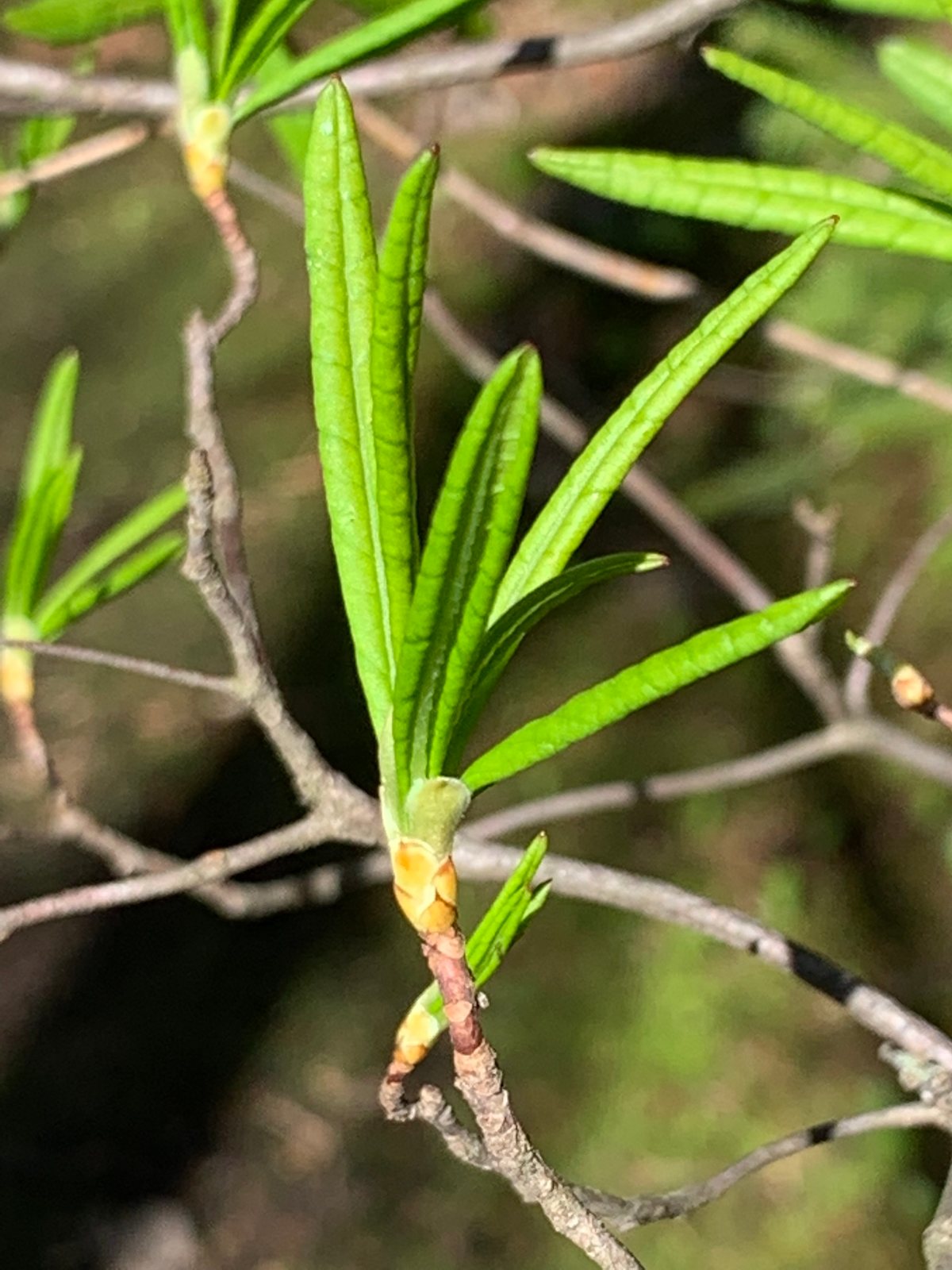
At a glance
- Sun
- Partial shade is best, especially in hot climates; tolerates full sun where the soil stays moist.
- Water
- Keep consistently moist. Tolerates seasonal wetness but avoid permanently stagnant, waterlogged soil.
- Soil
- Acidic, humus-rich soil, ideally pH 4.5-6.0; sandy or peaty soil with reliable moisture suits it well.
- Height
- 3-6 ft (0.9-1.8 m), occasionally 10 ft (3 m)
- Spread
- 3-6 ft (0.9-1.8 m), becoming wider through suckering
- Flowers
- Late spring to midsummer, depending on climate; fragrant white, sometimes pink-tinged tubular flowers appear after the leaves open.
- Foliage
- Small oval green leaves, often pale or slightly hairy beneath, turning yellow, orange or reddish purple in autumn.
- Growth
- Slow to moderate
- Care needed
- Medium
The year at a glance
- Pollinators
- Cold hardy
- Heat tolerant
- Wildlife
- Low allergen
- Fragrant
| J | F | M | A | M | J | J | A | S | O | N | D | |
|---|---|---|---|---|---|---|---|---|---|---|---|---|
| Flowers | ||||||||||||
| Plant |
Northern hemisphere months. In Australia, shift them by six.
- Difficulty
- Moderate
- Toughness
- Fairly tough
Will it suit your garden?
Pick your zone, country, light and whether you have pets.
Full sun is 6 or more hours of direct sun a day, part shade 3 to 6 hours, shade under 3.
How it grows
Planting day
1.6 ft (0.5 m)
After 1 year
2.1 ft (0.63 m)
After 2 years
2.5 ft (0.76 m)
After 3 years
2.9 ft (0.89 m)
After 5 years
4 ft (1.2 m)
About 7 years to full size.
From a typical nursery size, at an average rate for this kind of plant. A rule of thumb, not a forecast.
Good to know
- Cats and dogs
- Toxic
- Native to
- the US
- Growth rate
- Slow
Care
Jobs through the year
- WaterMar–May, Sep–Oct, every 7 days
- Check established shrubs and water if needed to keep soil consistently moist; young plants need closer attention.
- WaterJun–Aug, every 3 days
- Check moisture and water deeply before roots dry; skip watering if soil is already moist.
- MulchMar, Oct
- Maintain 5–8 cm of leaf mould or composted pine bark, clear of the stems.
- FeedMar–Apr
- Apply a light acid-loving shrub feed only if growth is weak.
- PruneJul
- Prune lightly immediately after flowering; remove damaged wood and unwanted suckers.
- ProtectJun–Aug, every 14 days
- Inspect leaf undersides for lace bugs; treat substantial infestations with locally approved insecticidal soap.
- ProtectJan–Feb, Nov–Dec
- Check drainage and prevent stagnant water collecting around the shallow roots.
- Plant with the top of the root ball level with the soil surface; do not bury the shallow roots.
- Water deeply during dry spells, particularly during the first two growing seasons.
- Apply 2-3 in (5-8 cm) of leaf mould or composted pine bark, keeping it clear of the stems.
- If growth is weak, feed lightly in spring with a fertiliser formulated for acid-loving shrubs; avoid heavy feeding.
- Remove unwanted suckers if you need to keep the shrub within a defined space.
Pruning. Prune lightly just after flowering, removing dead or damaged wood and shortening only branches that need controlling. Avoid routine shearing or late-season pruning, which removes next year's flower buds.
Through the year
- Early spring
- Check soil moisture, refresh mulch and apply a light acid-loving plant feed only if needed.
- Spring
- Plant container-grown shrubs while conditions are cool, and water thoroughly.
- Early summer
- Enjoy the fragrant flowers, then carry out any light shaping immediately after flowering.
- Summer
- Water during dry spells and check leaf undersides for lace bugs.
- Autumn
- Plant or transplant after leaf fall where winters are mild; in cold regions, wait until spring.
- Winter
- Check that mulch remains in place and that the root area is not sitting in stagnant water.
In the garden
- Plant beside a pond or stream, above the permanently submerged margin.
- Group beneath an open canopy of deciduous trees with ferns and other acid-loving shrubs.
- Place near a path or seating area where the early-summer fragrance can be appreciated.
- Use in a moist native shrub border, allowing room for a loose colony to develop.
- Combine with white-flowered plants for a softly lit evening garden.
Garden styles it suits: Woodland, Bog garden, Sensory garden, Wildlife garden, White garden and New England.
Plant it with: Cinnamon fern, Royal fern, Summersweet, Highbush blueberry, Mountain laurel and Foamflower.
Wildlife: Flowers attract bees and butterflies; the branching growth provides shelter for small birds. Deer may browse the foliage and buds.
Problems to watch for
- Yellow leaves with green veins usually indicate soil that is too alkaline: test the pH, avoid lime and alkaline irrigation water, and move to an acidic bed if necessary.
- Lace bugs cause pale stippling and dark specks beneath leaves: reduce drought stress, provide afternoon shade and use insecticidal soap on leaf undersides if infestation is substantial.
- Root rot can develop in stagnant, poorly aerated soil: improve drainage or relocate the shrub, and do not plant it deeper than its original root level.
- Drought and hot afternoon sun can scorch leaves and reduce flowering: water deeply, mulch the root area and provide light shade.
Safety
All parts are toxic to people, cats, dogs and horses if eaten. Grayanotoxins can cause vomiting, weakness, dangerous heart disturbances and potentially death; seek urgent medical or veterinary advice after ingestion.
Easily confused with
Sweet azalea (Rhododendron arborescens)
Also has fragrant white summer flowers, but its young twigs are generally smooth rather than hairy, and its conspicuously red stamens and style contrast with the petals.
Pinxterbloom azalea (Rhododendron periclymenoides)
Usually flowers pink in spring before or as its leaves unfold; swamp azalea normally flowers white later, after leaf expansion.
Coast azalea (Rhododendron atlanticum)
Usually stays lower, has distinctly blue-green foliage and flowers before or with the emerging leaves, rather than after them.
The name
The epithet viscosum means sticky, referring to the glandular hairs on the flower tubes, while swamp azalea describes its preference for wet habitats.
Propagation. Sow seed on the surface of a moist, acidic seed mix without burying it. Layer low branches or take softwood cuttings in early summer; rooted suckers can sometimes be separated while dormant.
Checked against open data
- Accepted botanical name
- Rhododendron viscosum
- In the US and Canada
- Native in the lower 48 states.
- Native range
- Alabama, Arkansas, Connecticut, Delaware, Florida, Georgia, Louisiana, Maine, Maryland, Masachusettes, Mississippi and New Hampshire.
- Measured
- Soil pH 4 to 7. Average height 448 cm.
Sources: GBIF (CC BY 4.0), USDA PLANTS and Trefle (CC BY 4.0). The care and design notes are LandscapeGPT's own.
See it in your own yard.
Upload a photo of your yard and see it redesigned with plants that suit your climate, each checked against your zone.