Sweet marjoram
Origanum majorana. Family Lamiaceae. Perennial.
Also called Marjoram, Knotted marjoram.
Sweet marjoram is a tender, bushy perennial grown for its small, aromatic leaves, which have a sweeter, milder flavour than oregano. It is grown as an annual in colder climates, or kept in a pot and overwintered somewhere bright and frost-free.
At a glance
- Sun
- Full sun; light afternoon shade is useful in very hot climates.
- Water
- Water young plants regularly until established, then let the soil surface dry between waterings. Avoid constantly wet soil, especially in winter.
- Soil
- Well-drained, light soil, preferably neutral to alkaline. Use a free-draining potting mix in containers.
- Height
- 1-2 ft (0.3-0.6 m)
- Spread
- 1-1.5 ft (0.3-0.45 m)
- Flowers
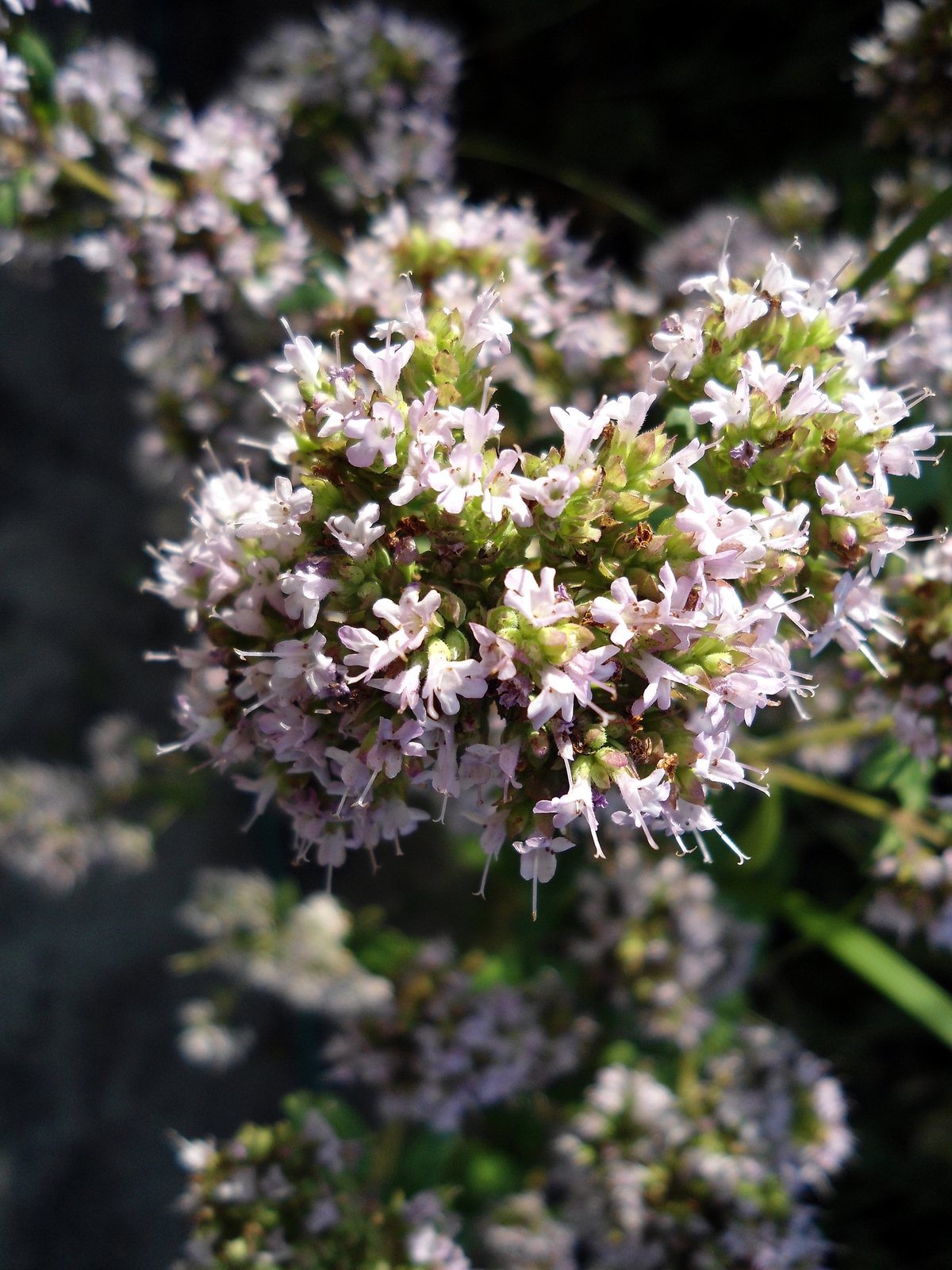
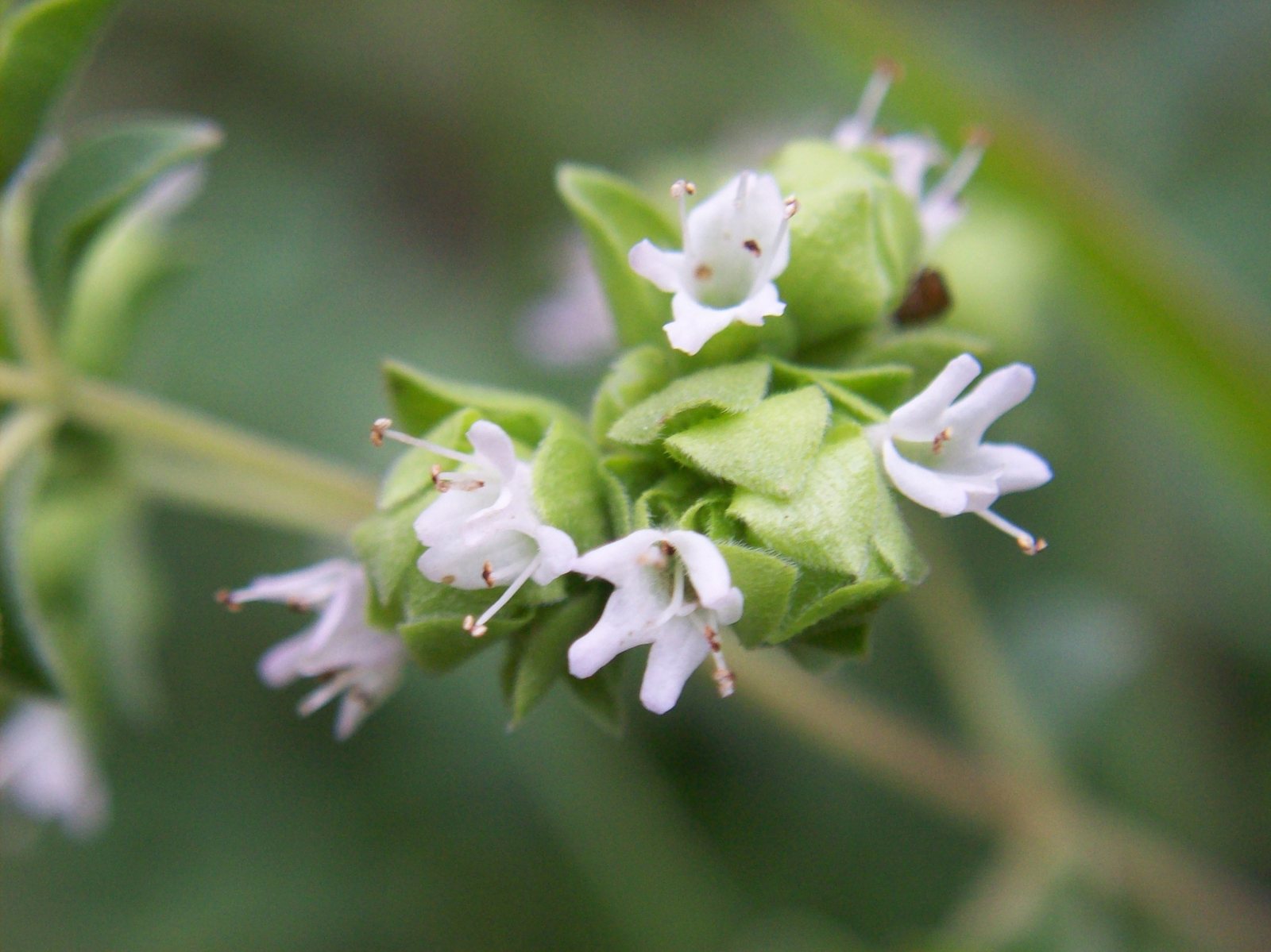
- Summer to early autumn; tiny white to pale pink flowers emerge from rounded, knot-like clusters of bracts.
- Foliage
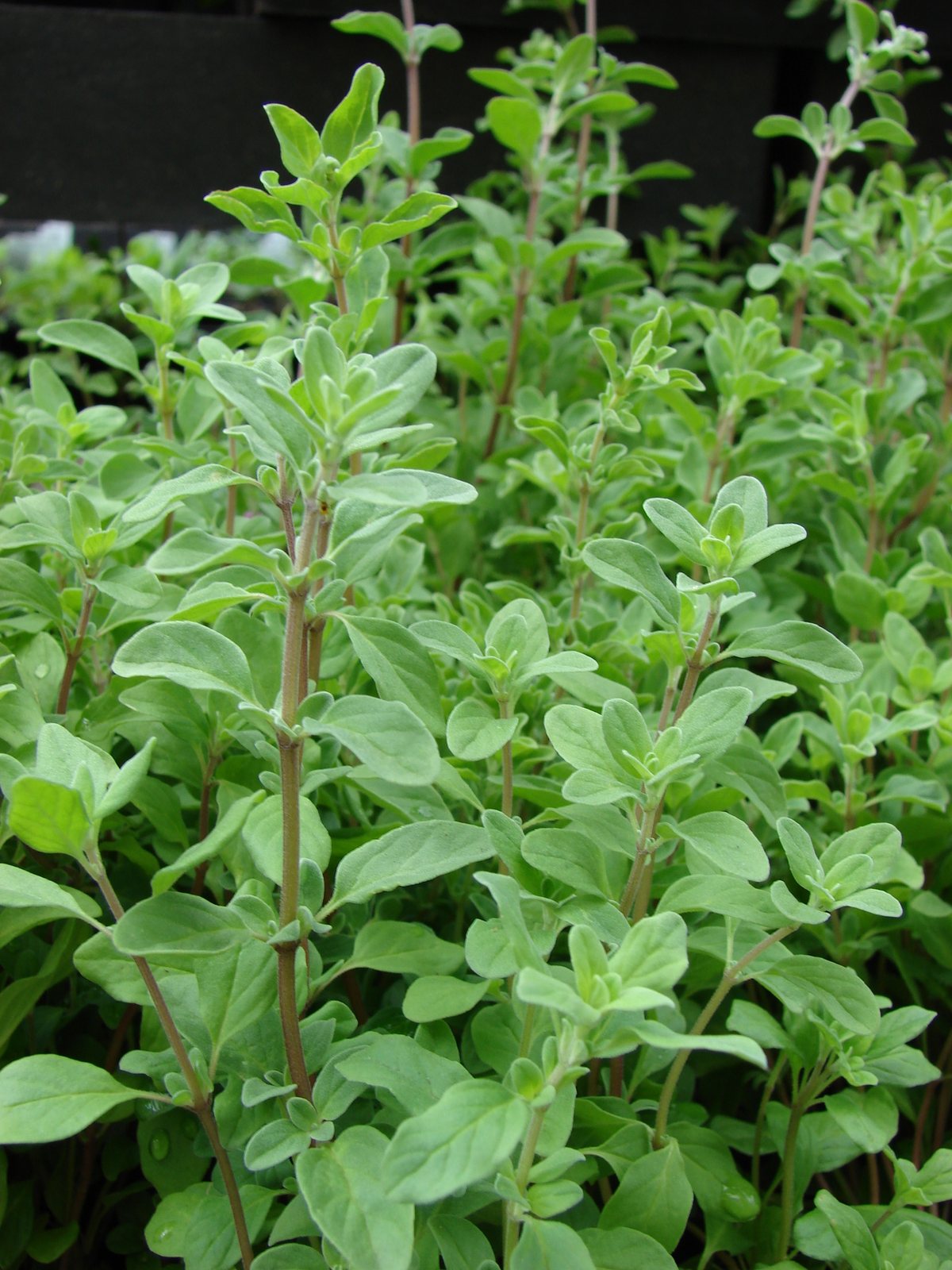
- Evergreen. Small, oval, softly hairy grey-green leaves with a warm, sweet herbal scent.
- Growth
- Moderate
- Care needed
- Low
The year at a glance
- Pollinators
- Deer resistant
- Drought tolerant
- Heat tolerant
- Low allergen
- Fragrant
- Edible
| J | F | M | A | M | J | J | A | S | O | N | D | |
|---|---|---|---|---|---|---|---|---|---|---|---|---|
| Flowers | ||||||||||||
| Plant |
Northern hemisphere months. In Australia, shift them by six.
- Difficulty
- Easy
- Toughness
- Fairly tough
Will it suit your garden?
Pick your zone, country, light and whether you have pets.
Full sun is 6 or more hours of direct sun a day, part shade 3 to 6 hours, shade under 3.
How it grows
Planting day
1 ft (0.3 m)
After 1 year
1.1 ft (0.35 m)
After 2 years
1.3 ft (0.4 m)
After 3 years
1.5 ft (0.45 m)
full size
About 3 years to full size.
From a typical nursery size, at an average rate for this kind of plant. A rule of thumb, not a forecast.
Good to know
- Cats and dogs
- Toxic
- Growth rate
- Moderate
Care
Jobs through the year
- WaterMay–Jun, Sep, every 10 days
- Water established outdoor plants only when surface soil dries; water young plants more often.
- WaterJul–Aug, every 7 days
- Water deeply during dry weather, allowing the soil surface to dry between waterings.
- PruneApr–May
- On overwintered plants, shorten straggly stems to leafy growth once growth resumes.
- PruneJun–Aug, every 14 days
- Pinch shoot tips to encourage branching, retaining plenty of foliage.
- HarvestJun–Sep, every 7 days
- Pick leafy tips lightly; cut stems just before flowering for drying.
- ProtectSep–Oct
- Before frost, move pots to bright, frost-free shelter or take cuttings; outdoor plants will not overwinter.
- Plant out after frost risk has passed and the soil has warmed.
- Water at soil level and allow the surface to dry before watering again.
- Feed sparingly; give container plants an occasional dilute balanced feed during active growth.
- Keep mulch away from the crown and avoid moisture-retentive winter mulches.
- Move pots to a bright, frost-free place before cold weather; water sparingly over winter.
Pruning. Pinch out shoot tips regularly from late spring through summer to encourage branching. Shorten straggly stems in spring once new growth appears, cutting above leafy growth rather than into bare woody stems.
Harvest
Pick leafy shoot tips once plants are established and producing plenty of new growth, leaving enough foliage for regrowth. For drying, cut stems just before the flowers open, preferably on a dry morning after the dew has cleared, and hang small bunches somewhere airy and shaded.
Through the year
- Early spring
- Sow seed thinly indoors on the surface of seed compost, covering only very lightly; keep warm and bright.
- Late spring
- Harden off young plants and plant outside after the last frost.
- Early summer
- Pinch shoot tips and begin light harvesting once plants are growing strongly.
- Summer
- Harvest stems for drying before flowering; leave some flowers for visiting insects.
- Autumn
- Bring container plants indoors before frost, or take cuttings to overwinter under cover.
- Winter
- Keep overwintering plants bright, frost-free and barely moist.
In the garden
- Edge a sunny herb bed or kitchen garden with its compact, grey-green foliage.
- Grow in pots beside a kitchen door where leaves are easy to pick.
- Combine with thyme, sage and lavender in a well-drained Mediterranean planting.
- Use in small herb-parterre compartments, clipping lightly to maintain a rounded outline.
Garden styles it suits: Mediterranean, Potager (kitchen garden), Herb parterre, Cottage garden, Sensory garden and Small-space.
Plant it with: Thyme, Sage, Lavender, Rosemary and Winter savory.
Wildlife: The small flowers provide nectar for bees and other pollinating insects; leave a few stems unharvested to flower.
Problems to watch for
- Root and crown rot in wet soil: improve drainage, avoid overwatering and discard badly affected plants.
- Aphids on soft shoots: rinse off with water or pinch out heavily infested tips.
- Spider mites on hot, dry indoor plants: check for fine webbing and stippled leaves, rinse foliage thoroughly and repeat as needed.
- Frost damage: grow as a seasonal herb in cold regions or move pots under frost-free cover before temperatures fall.
Safety
Listed as toxic to cats, dogs and horses; eating the foliage can cause vomiting or diarrhoea. The leaves are not known to be toxic to people in normal culinary quantities, but concentrated essential oil should not be treated as a food or given to pets.
Easily confused with
Oregano (Origanum vulgare)
Usually has a stronger, sharper scent, greener leaves and more open clusters of pink-purple flowers; sweet marjoram has softer grey-green leaves and compact, knot-like flower clusters.
Pot marjoram (Origanum onites)
Generally more upright, with larger, firmer leaves and broad, flatter clusters of white flowers rather than sweet marjoram's small rounded knots.
The name
The name Origanum comes from Greek words traditionally interpreted as 'joy of the mountain'.
Propagation. Sow seed indoors in spring or take softwood cuttings from healthy, non-flowering shoots in late spring or summer. Root cuttings in a free-draining medium under bright, indirect light.
Checked against open data
- Accepted botanical name
- Origanum majorana
- In the US and Canada
- Introduced in the lower 48 states.
- Native range
- Cyprus and Turkey.
- Measured
- Soil pH 7.5 to 8. Average height 40 cm.
Sources: GBIF (CC BY 4.0), USDA PLANTS and Trefle (CC BY 4.0). The care and design notes are LandscapeGPT's own.
See it in your own yard.
Upload a photo of your yard and see it redesigned with plants that suit your climate, each checked against your zone.