Teddy bear palm
Dypsis leptocheilos. Family Arecaceae. Tree.
Also called Redneck palm, Red-neck palm.
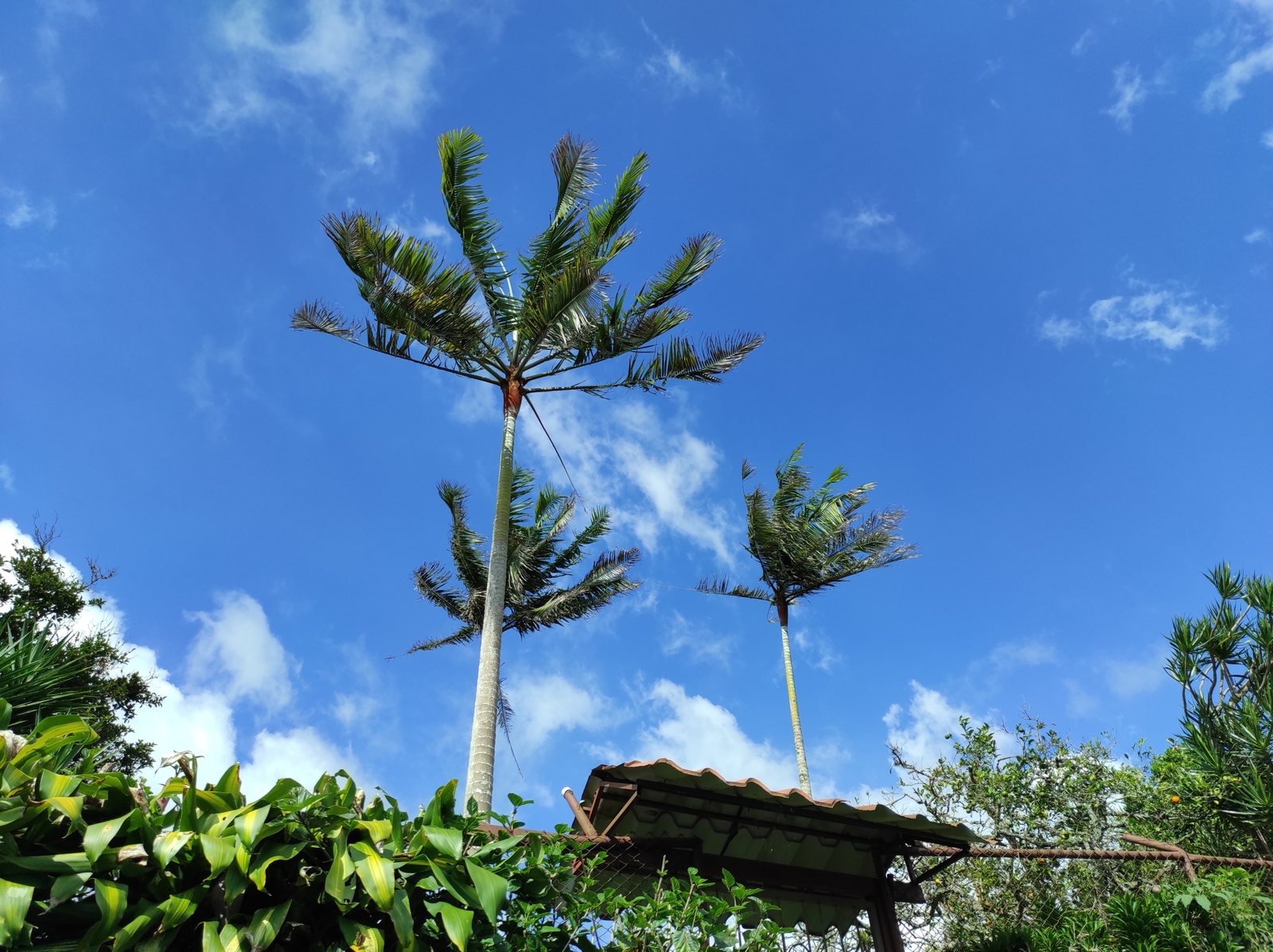
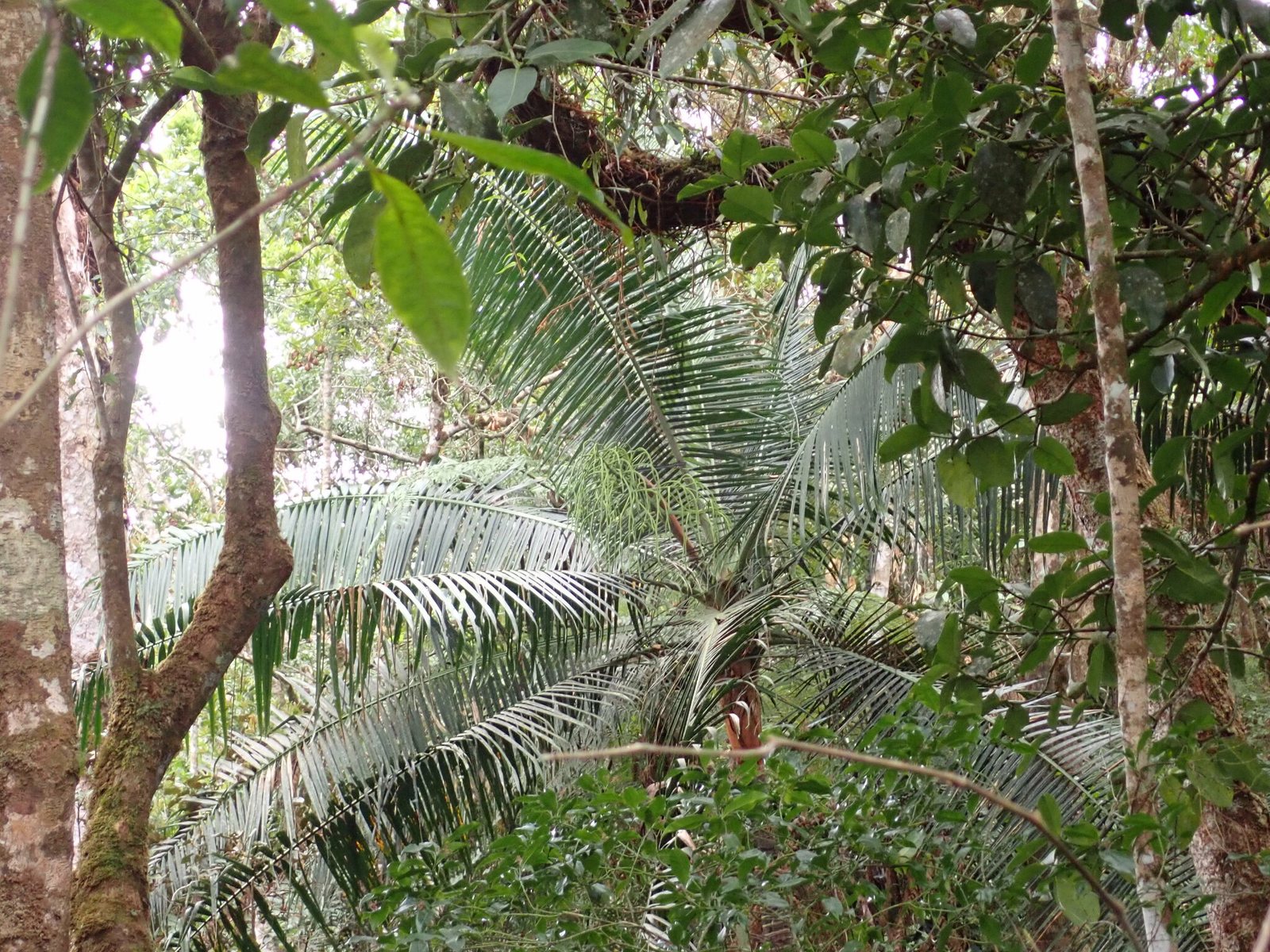
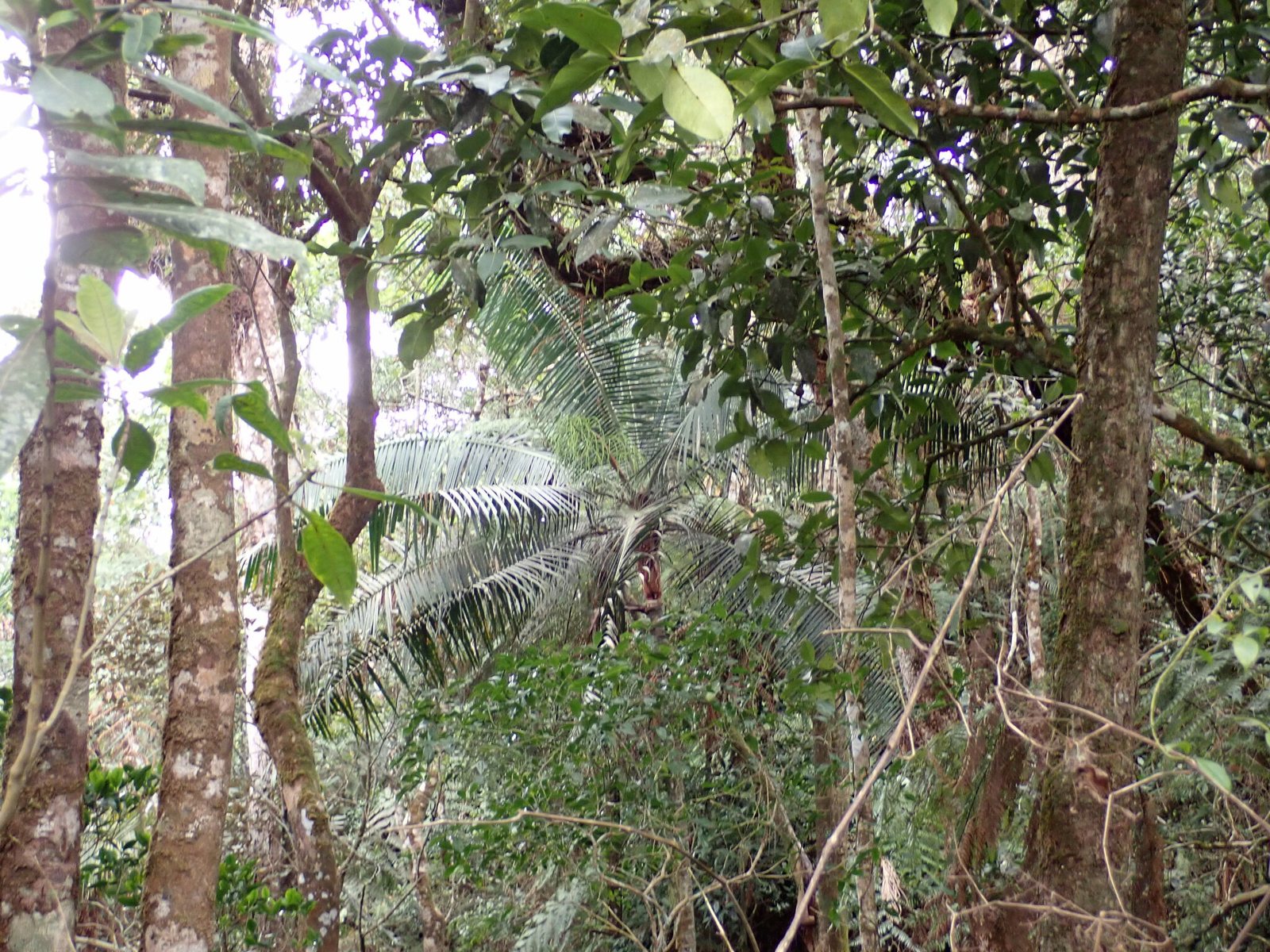
This single-trunked palm from Madagascar has arching, feather-shaped leaves and a crownshaft covered in soft, reddish-brown fuzz. Gardeners grow it as a specimen in frost-free tropical and subtropical gardens; in the UK and most of Canada, it needs a tall, heated conservatory or greenhouse.
At a glance
- Sun
- Full sun to partial shade; young plants benefit from light shade and gradual exposure to stronger sun.
- Water
- Keep the root zone evenly moist during warm weather, allowing the surface to dry slightly between waterings. Water less in cool weather, but do not let the root ball dry out completely.
- Soil
- Fertile, well-drained soil with organic matter; slightly acidic to neutral soil is best. Avoid persistently waterlogged ground.
- Height
- 20-30 ft (6-9 m)
- Spread
- 12-18 ft (3.7-5.5 m)
- Foliage
- Evergreen. Long, arching, dark green, feather-shaped fronds above a pale trunk and a conspicuous rusty-brown, velvety crownshaft.
- Growth
- Moderate in warm, humid conditions; slow in cool climates or containers.
- Care needed
- Medium
The year at a glance
- Heat tolerant
| J | F | M | A | M | J | J | A | S | O | N | D | |
|---|---|---|---|---|---|---|---|---|---|---|---|---|
| Plant |
Northern hemisphere months. In Australia, shift them by six.
- Difficulty
- Moderate
- Toughness
- Needs looking after
Will it suit your garden?
Pick your zone, country, light and whether you have pets.
Full sun is 6 or more hours of direct sun a day, part shade 3 to 6 hours, shade under 3.
How it grows
Planting day
7 ft (2 m)
After 1 year
7 ft (2.2 m)
After 2 years
8 ft (2.4 m)
After 3 years
9 ft (2.6 m)
After 5 years
10 ft (3.1 m)
About 26 years to full size.
From a typical nursery size, at an average rate for this kind of plant. A rule of thumb, not a forecast.
Good to know
- Cats and dogs
- Safe
- Growth rate
- Slow
Care
Jobs through the year
- WaterJun–Aug, every 4 days
- Grow in a pot in this climate; check moisture and water as the surface dries slightly, draining freely.
- WaterMar–May, Sep–Oct, every 7 days
- Check pots weekly and keep the root ball lightly moist without standing water.
- WaterJan–Feb, Nov–Dec, every 14 days
- Check sheltered pots fortnightly; water sooner if needed before the root ball dries completely.
- FeedMay
- Apply slow-release palm fertiliser with magnesium and micronutrients; repeat only as directed on the label.
- PruneJun–Sep
- Remove only fully brown fronds without injuring the fuzzy crownshaft or central growing spear.
- ProtectJan–May, Sep–Dec
- Move pots into bright, heated, frost-free shelter before cold nights; inspect regularly for mites.
- ProtectJun–Aug
- Acclimatise gradually to outdoor sun and shelter from strong, drying winds.
- Water deeply during warm, dry spells, keeping the soil moist but not saturated.
- Apply a slow-release palm fertiliser with magnesium and micronutrients during active growth, following the label.
- Spread organic mulch over the root zone, keeping it clear of the trunk.
- Plant where the mature crown has room to spread and is sheltered from strong, drying winds.
- Keep container plants in bright light under frost-free cover before cold weather arrives; provide good drainage and reduce winter watering.
Pruning. Remove fully brown fronds when needed, cutting the leaf stalk without damaging the trunk or fuzzy crownshaft. Leave green and partly green fronds in place, and never cut the central growing spear.
Through the year
- Spring
- Feed as active growth resumes and check older leaves for signs of nutrient deficiency.
- Late spring
- Plant or repot once conditions are consistently warm, keeping the palm at its previous planting depth.
- Summer
- Water deeply during dry weather and check that container drainage holes remain clear.
- Late summer
- Remove fully dead fronds and inspect leaf undersides for scale insects.
- Autumn
- Move container-grown palms into bright, frost-free shelter before nights become cold.
- Winter
- Reduce watering under cover, avoid standing water and inspect for spider mites.
In the garden
- Use as a specimen in a sheltered lawn or broad planting bed where the fuzzy crownshaft can be seen.
- Frame a wide entrance with a pair, allowing enough room for the mature crowns.
- Combine with broad-leaved tropical plants for contrasting foliage shapes.
- Place behind low planting near a terrace to provide height without hiding the trunk.
Garden styles it suits: Modern tropical, Tropical, Luxury resort, Architectural minimal, Balinese and Florida subtropical.
Plant it with: Philodendrons, Gingers, Bromeliads, Bird of paradise and Cast-iron plant.
Wildlife: Flowers can attract visiting insects, and ripe fruits may attract birds in warm climates.
Problems to watch for
- Cold damage: frost can scorch fronds or kill the growing point. Choose a frost-free site and move potted plants under heated cover.
- Root rot: poor drainage and prolonged saturation can cause decline. Improve drainage and avoid leaving containers in water-filled saucers.
- Nutrient deficiency: yellowing or spotting on older fronds may indicate potassium or magnesium shortage. Use a balanced palm fertiliser rather than lawn fertiliser.
- Scale insects and spider mites: inspect fronds regularly, especially under glass. Wash off mites and treat persistent infestations with a labelled insecticidal soap or horticultural oil.
Safety
Not known to be toxic to people, cats, dogs or horses, but species-specific safety information is limited. Do not treat the fruit or other parts as edible; swallowed fruits or seeds may also pose a choking risk.
Easily confused with
Red neck palm (Dypsis lastelliana)
Also has reddish-brown crownshaft hairs, but usually has a more upright crown and less strongly arching leaves; young plants can be difficult to distinguish.
Triangle palm (Dypsis decaryi)
Its leaf bases form a conspicuous three-sided arrangement, and its leaves are generally greyer and more upright.
The name
The common name refers to the teddy-bear-like reddish-brown fuzz covering the crownshaft.
Propagation. Grow from fresh seed, removing the fruit pulp first and sowing in a warm, moist, free-draining medium. Germination can be slow and uneven; this single-trunked palm cannot be divided.
Checked against open data
- Accepted botanical name
- Dypsis leptocheilos
Sources: GBIF (CC BY 4.0). The care and design notes are LandscapeGPT's own.
See it in your own yard.
Upload a photo of your yard and see it redesigned with plants that suit your climate, each checked against your zone.