Totally Tangerine avens
Geum 'Totally Tangerine'. Family Rosaceae. Perennial.
Also called Geum 'Totally Tangerine', Totally Tangerine geum.
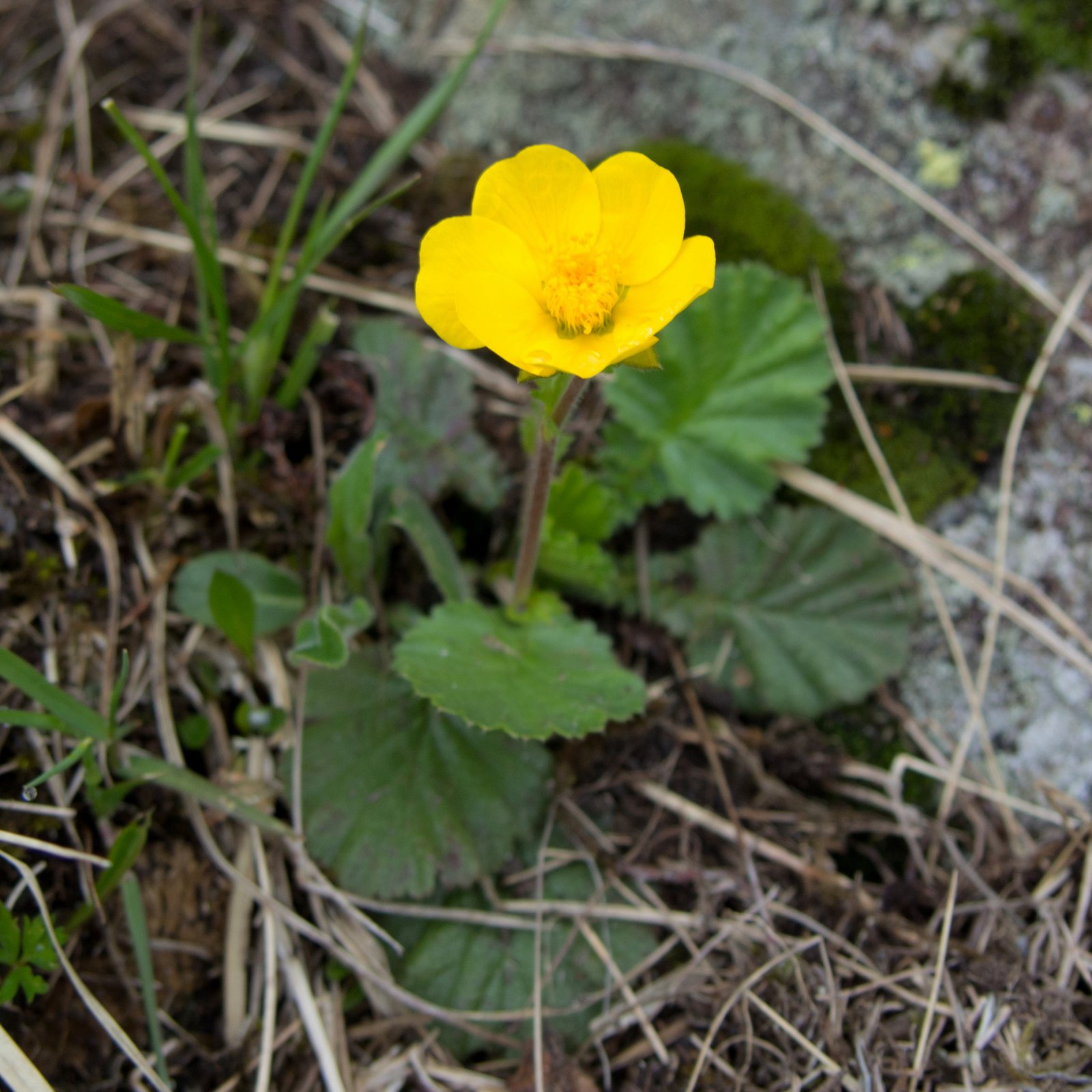
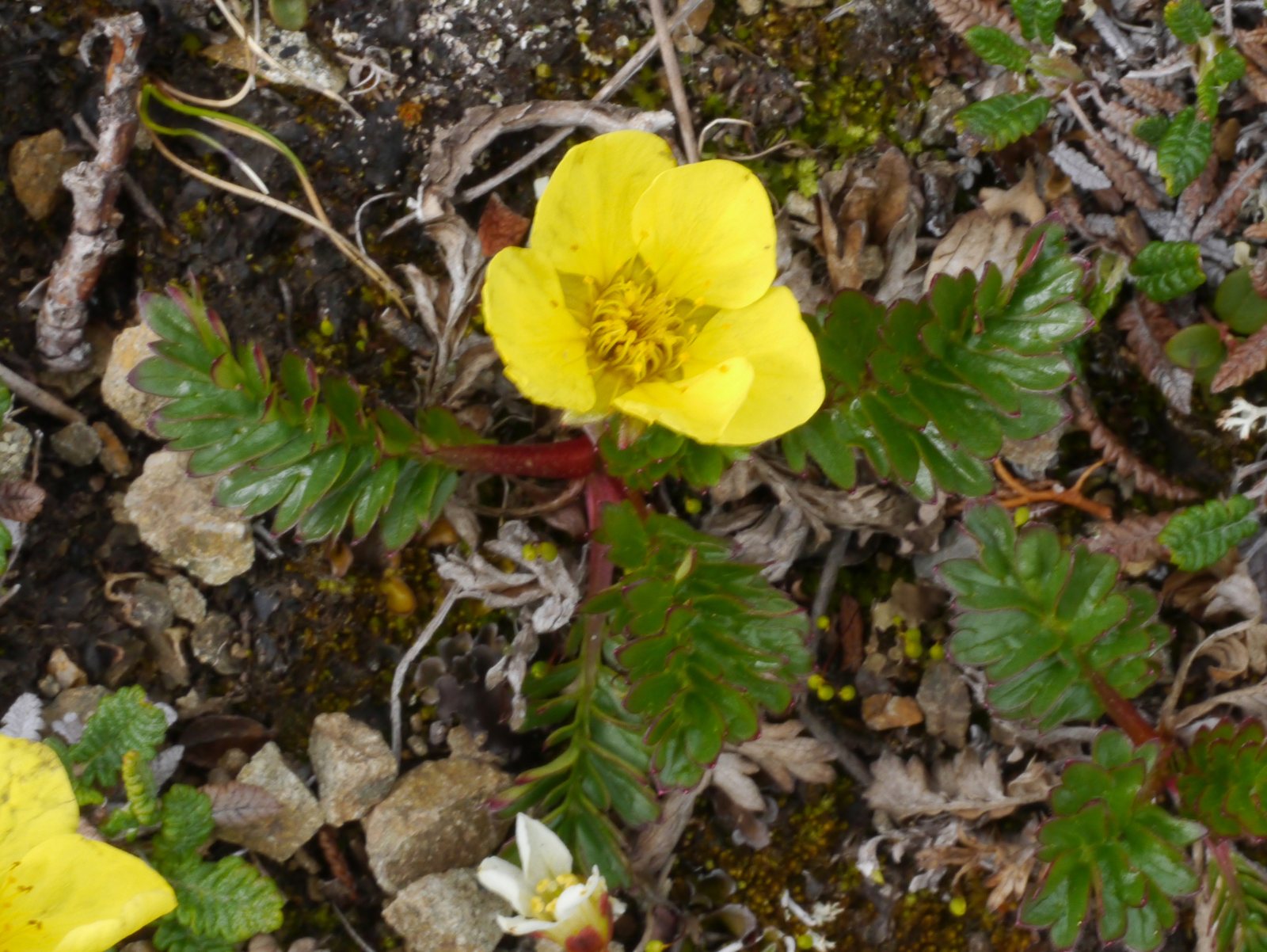
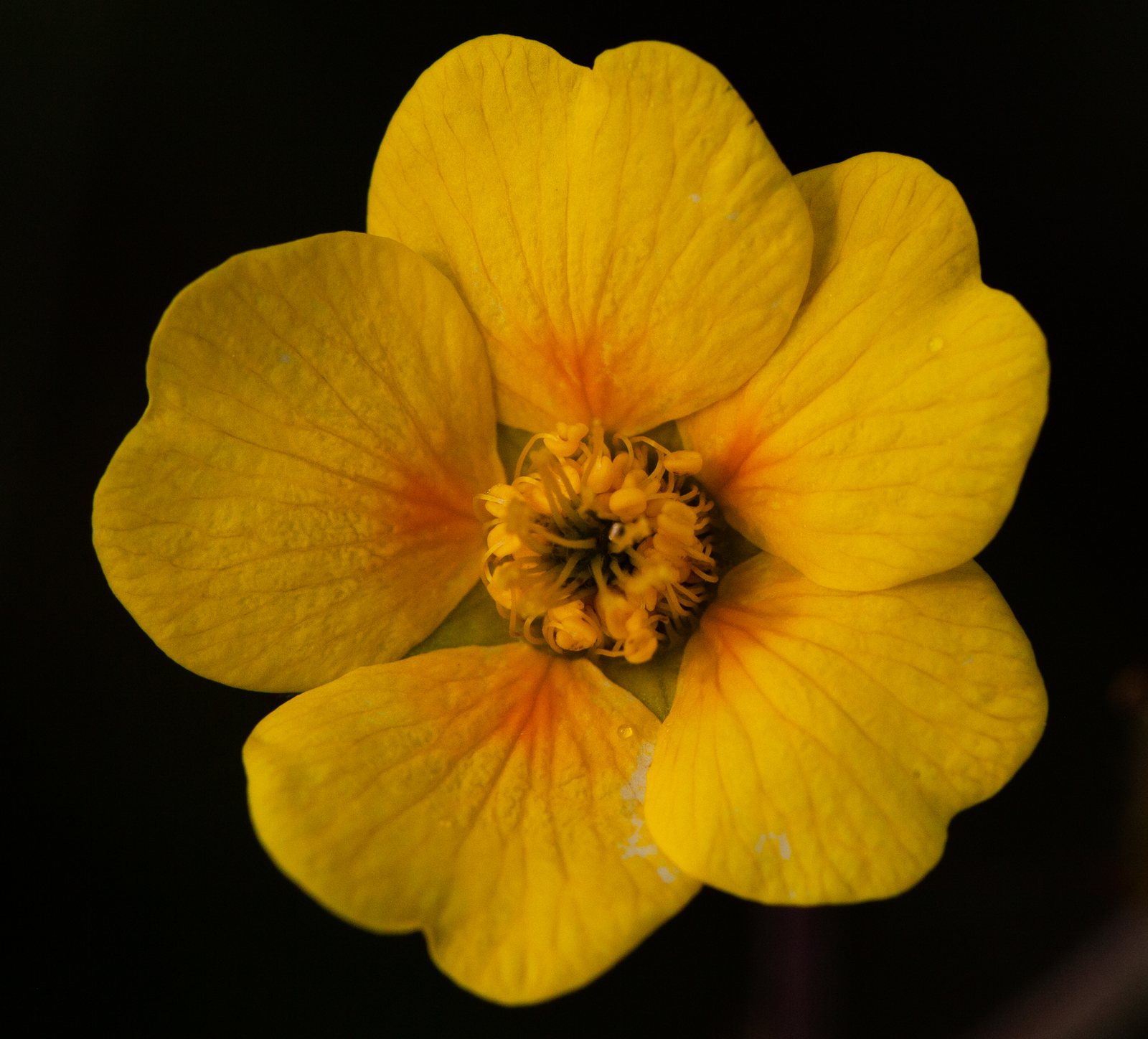
Geum 'Totally Tangerine' is a clump-forming perennial with apricot-orange flowers held on tall, branching stems above low green foliage. Gardeners grow it for its long flowering season and airy habit, which lets it mingle with neighbouring plants without hiding them.
At a glance
- Sun
- Full sun to partial shade; afternoon shade helps in hot summers.
- Water
- Keep the soil moderately moist, especially during establishment and flowering. Avoid both prolonged drought and waterlogged ground.
- Soil
- Fertile, moisture-retentive but well-drained soil; tolerates a range of soil pH. Improve heavy clay drainage before planting.
- Height
- 2-3 ft (0.6-0.9 m), including flower stems
- Spread
- 1-2 ft (0.3-0.6 m)
- Flowers
- Apricot to tangerine-orange flowers from late spring through summer, with scattered flowers into autumn where conditions remain cool and moist.
- Foliage
- Low rosettes of green, lobed, slightly hairy leaves. Foliage may remain through mild winters but dies back in colder areas.
- Growth
- Moderate; usually forms a substantial flowering clump within two growing seasons.
- Care needed
- Low
The year at a glance
- Pollinators
- Deer resistant
- Cold hardy
- Low allergen
| J | F | M | A | M | J | J | A | S | O | N | D | |
|---|---|---|---|---|---|---|---|---|---|---|---|---|
| Flowers | ||||||||||||
| Plant |
Northern hemisphere months. In Australia, shift them by six.
- Difficulty
- Easy
- Toughness
- Fairly tough
Will it suit your garden?
Pick your zone, country, light and whether you have pets.
Full sun is 6 or more hours of direct sun a day, part shade 3 to 6 hours, shade under 3.
How it grows
Planting day
1 ft (0.3 m)
After 1 year
1.5 ft (0.45 m)
After 2 years
2 ft (0.6 m)
After 3 years
2.5 ft (0.75 m)
full size
About 3 years to full size.
From a typical nursery size, at an average rate for this kind of plant. A rule of thumb, not a forecast.
Good to know
- Cats and dogs
- Safe
- Growth rate
- Moderate
Care
Jobs through the year
- WaterApr–May, Sep–Oct, every 10 days
- Water established clumps deeply when rain is insufficient; water new plants more often.
- WaterJun–Aug, every 7 days
- Keep established clumps moderately moist during flowering, watering deeply in dry weather.
- MulchMar–May
- Apply a thin compost mulch, leaving the crown uncovered at soil level.
- PruneFeb–Mar
- Remove dead and winter-damaged leaves without cutting into the crown.
- DeadheadMay–Oct, every 7 days
- Cut faded flower stems back to their base to encourage further blooms.
- DivideMar–Apr, Sep
- Divide crowded or declining clumps every three to four years; use September only where winters allow establishment.
- ProtectJan–Feb, Nov–Dec
- Keep water from collecting around the crown and retain healthy basal foliage.
- Water deeply during dry spells rather than giving frequent light sprinkles.
- Work compost into the planting area and top-dress with a thin layer each spring.
- Mulch around the clump to conserve moisture, keeping mulch clear of the crown.
- Keep the crown at soil level and avoid sites that stay wet in winter.
- Divide crowded or declining clumps every three to four years in spring or early autumn.
Pruning. Remove faded flower stems back to their base to keep the clump tidy and encourage further flowering. In late winter or early spring, remove dead leaves without cutting into the central crown.
Through the year
- Early spring
- Remove winter-damaged leaves and top-dress with compost.
- Spring
- Plant new specimens or divide established clumps; water thoroughly afterwards.
- Late spring
- Apply mulch before the soil dries, leaving the crown uncovered.
- Summer
- Remove spent flower stems and water during dry spells.
- Early autumn
- Divide congested clumps in mild climates, allowing time for roots to establish before winter.
- Winter
- Check that water drains freely around the crown; leave healthy foliage in place.
In the garden
- Plant in small groups through mixed borders, where the tall stems rise above lower perennials.
- Pair with blue or violet catmint and hardy geraniums for a clear orange-and-blue contrast.
- Weave among fine-textured ornamental grasses for an informal, airy planting.
- Use beside paths where the flowers can be seen closely, allowing room for stems to lean outward.
Garden styles it suits: Cottage garden, English country, New perennial (prairie), Pollinator garden, Hot border and Modern rustic.
Plant it with: Catmint, Hardy geranium, Meadow sage, Lady's mantle, Masterwort and Tufted hair grass.
Wildlife: The open flowers provide pollen and nectar for bees and other visiting insects. This cultivar is generally sterile, so it offers little seed for birds and does not normally self-sow.
Problems to watch for
- Crown or root rot in saturated soil: improve drainage or move the plant to a better-drained position, keeping the crown at soil level.
- Powdery mildew during dry, stressful weather: water the root zone consistently, improve air circulation and remove badly affected leaves.
- Vine weevil larvae, especially in containers: inspect roots of wilting plants and use an appropriate biological control where available.
- Scorched foliage and reduced flowering in hot, dry summers: provide afternoon shade and consistent moisture.
Safety
Not known to be toxic to people, cats, dogs or horses. No particular plant part is recognised as poisonous, although specific information for this cultivar is limited; it is not an edible plant.
Easily confused with
Boris avens (Geum coccineum 'Borisii')
Also has orange flowers, but usually forms a shorter plant with a more concentrated early-summer display rather than the tall, airy, prolonged flowering of 'Totally Tangerine'.
Mrs Bradshaw avens (Geum 'Mrs J. Bradshaw')
Has scarlet-red, usually semi-double flowers rather than the open apricot-orange flowers of 'Totally Tangerine'.
The name
The cultivar name 'Totally Tangerine' refers to its orange flowers.
Propagation. Divide established clumps in spring or early autumn, retaining healthy roots and growing points on each piece. This generally sterile cultivar is not reliably propagated from seed; check local plant breeders' rights or patent restrictions before propagating.
Checked against open data
- Accepted botanical name
- Geum
Sources: GBIF (CC BY 4.0). The care and design notes are LandscapeGPT's own.
See it in your own yard.
Upload a photo of your yard and see it redesigned with plants that suit your climate, each checked against your zone.