Visions astilbe
Astilbe chinensis 'Visions'. Family Saxifragaceae. Perennial.
Also called Chinese astilbe 'Visions', False spirea 'Visions'.
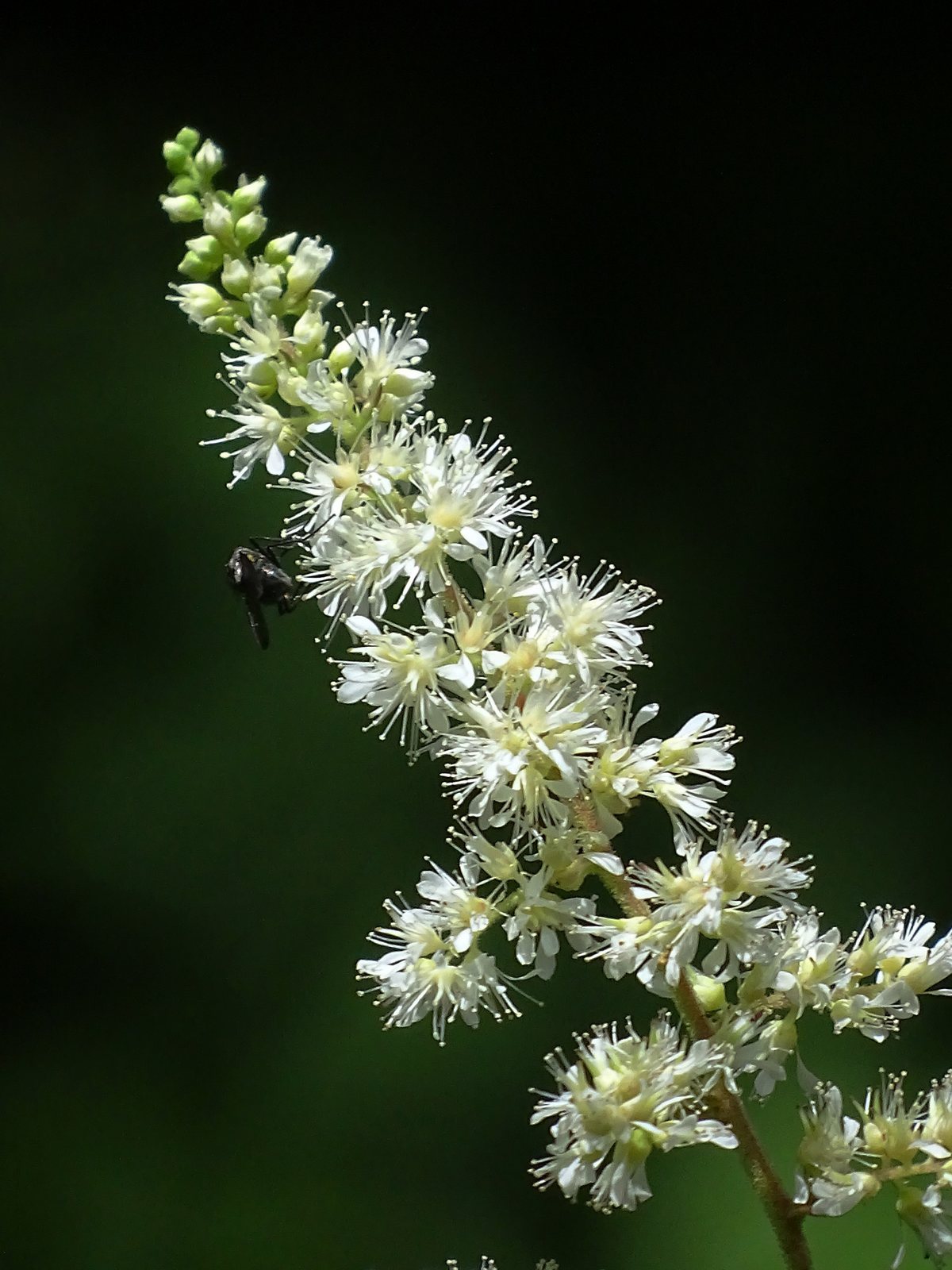
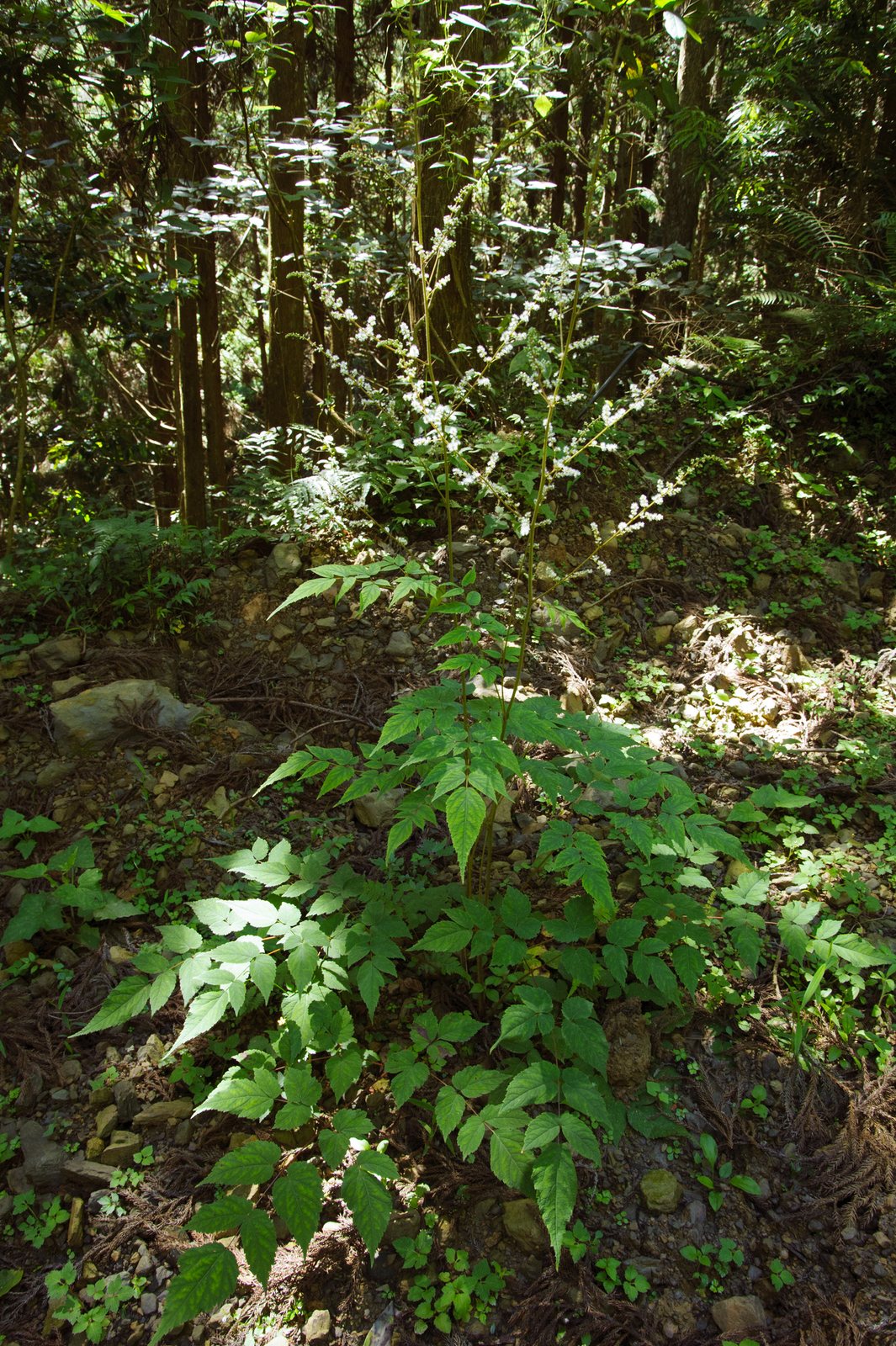
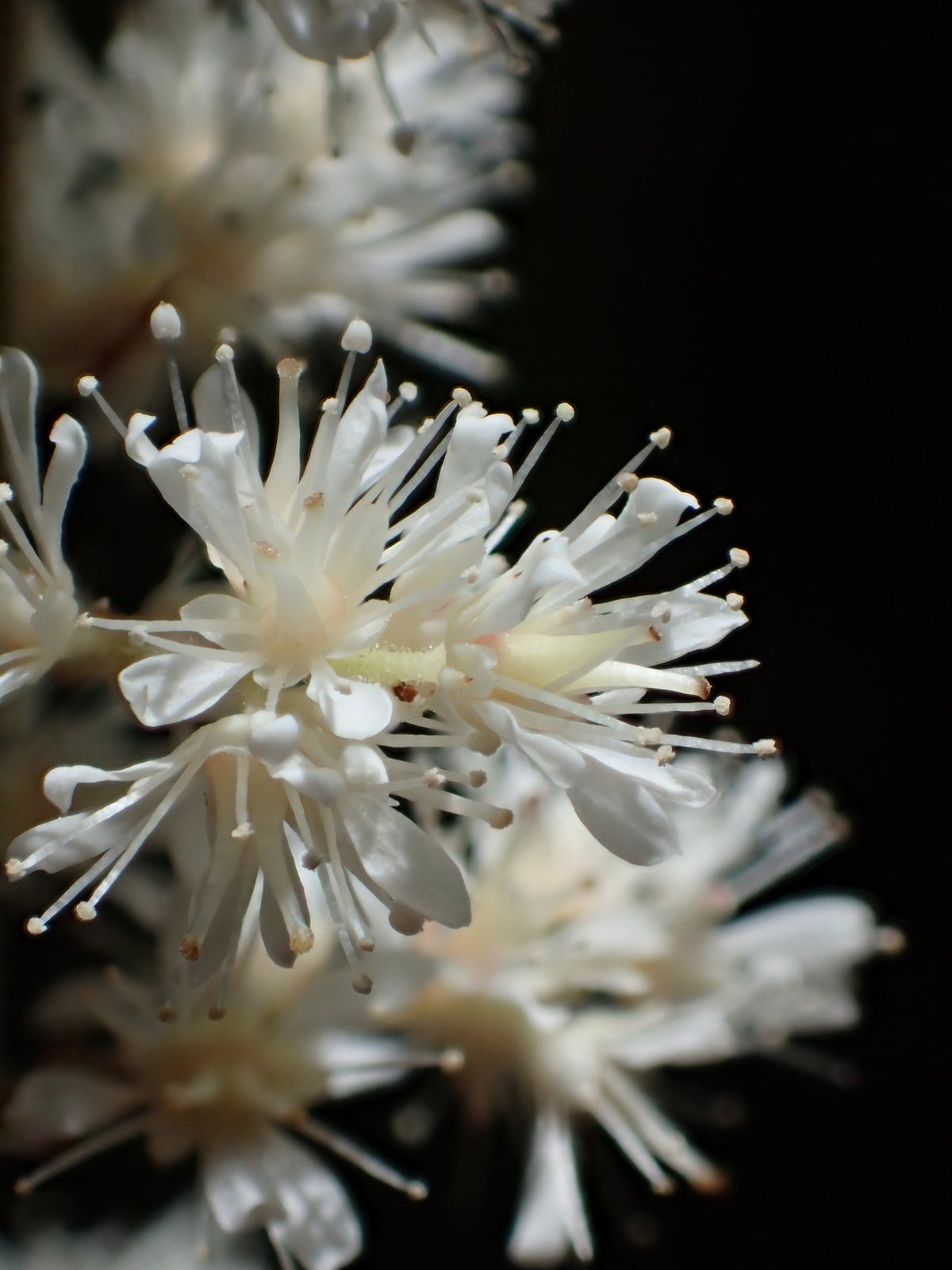
Visions astilbe is a compact, clump-forming perennial grown for its dense raspberry-pink flower plumes and divided green leaves. It brings summer colour to moist, partly shaded borders and dies back in winter. Although more tolerant of brief dry spells than many astilbes, it still needs soil that stays moist.
At a glance
- Sun
- Partial shade is best; morning sun is suitable where the soil stays moist. Avoid strong afternoon sun in hot climates.
- Water
- Keep evenly moist, especially during establishment and flowering. Water deeply during dry spells; do not leave the roots in stagnant, waterlogged soil.
- Soil
- Humus-rich, moisture-retentive but well-drained soil, preferably slightly acidic to neutral. Improve sandy or heavy soils with compost before planting.
- Height
- 1-2 ft (0.3-0.6 m), including flower stems
- Spread
- 1-1.5 ft (0.3-0.45 m)
- Flowers
- Dense raspberry-pink to rosy-purple plumes in mid- to late summer.
- Foliage
- Divided, toothed green leaves form a low mound; young growth can have bronze tones. Deciduous.
- Growth
- Moderate; forms a substantial clump in about 2-3 years.
- Care needed
- Medium
The year at a glance
- Pollinators
- Deer resistant
- Cold hardy
- Low allergen
| J | F | M | A | M | J | J | A | S | O | N | D | |
|---|---|---|---|---|---|---|---|---|---|---|---|---|
| Flowers | ||||||||||||
| Fruit | ||||||||||||
| Plant |
Northern hemisphere months. In Australia, shift them by six.
- Difficulty
- Moderate
- Toughness
- Fairly tough
Will it suit your garden?
Pick your zone, country, light and whether you have pets.
Full sun is 6 or more hours of direct sun a day, part shade 3 to 6 hours, shade under 3.
How it grows
Planting day
1 ft (0.3 m)
After 1 year
1.1 ft (0.35 m)
After 2 years
1.3 ft (0.4 m)
After 3 years
1.5 ft (0.45 m)
full size
About 3 years to full size.
From a typical nursery size, at an average rate for this kind of plant. A rule of thumb, not a forecast.
Good to know
- Cats and dogs
- Safe
- Growth rate
- Moderate
Care
Jobs through the year
- WaterApr–May, Sep–Oct, every 7 days
- Water established plants when soil starts drying; keep new plants consistently moist.
- WaterJun–Aug, every 3 days
- Check moisture and water deeply as needed; never let the root zone dry out.
- FeedMar–Apr
- Apply compost; add balanced slow-release fertiliser only on poor soil or for weak growth.
- MulchApr
- Apply 5 cm of leaf mould or compost, keeping emerging shoots clear.
- PruneFeb–Mar
- Cut dead foliage and old flower stems to ground level before new growth.
- DivideMar–Apr, Sep
- Divide congested clumps every 3–4 years if flowering declines; water divisions well.
- Water at soil level whenever the soil begins to dry; do not let the root ball dry out.
- Apply compost in spring; use a balanced, slow-release fertiliser only if growth is weak or soil is poor.
- Mulch with 2 in (5 cm) of leaf mould or compost, keeping it clear of emerging shoots.
- Divide congested clumps every 3-4 years if flowering declines or the centre becomes sparse.
- Leave space between plants for airflow; staking is normally unnecessary.
Pruning. Leave faded plumes for their seedhead texture, or cut the flower stems to the base after flowering; deadheading does not normally produce another flush. Cut dead foliage close to the ground in late winter or early spring before new shoots appear.
Through the year
- Late winter
- Cut away dead foliage and old flower stems before fresh growth starts.
- Early spring
- Plant or divide clumps, replanting at their original depth and watering thoroughly.
- Spring
- Top-dress with compost and renew the moisture-retaining mulch.
- Summer
- Check soil moisture regularly and water deeply during dry weather.
- Late summer
- Remove spent flower stems if you prefer a tidy finish, or leave them standing.
- Autumn
- Plant new specimens while the soil is moist and workable; retain healthy dead stems for winter texture if desired.
In the garden
- Plant in repeated groups along a partly shaded border for a band of pink summer colour.
- Combine with hostas and ferns to contrast upright flower plumes with broad leaves and arching fronds.
- Use beside a pond or stream where the soil stays moist but the crown is not submerged.
- Place near the front of a woodland-edge planting, away from dense tree roots that dry the soil.
Garden styles it suits: Woodland, Cottage garden, Romantic rose garden, Blues and silvers, Japanese and Pacific Northwest woodland.
Plant it with: Hosta, Japanese painted fern, Siberian bugloss, Coral bells, Japanese forest grass and Rodgersia.
Wildlife: The flowers attract bees and other visiting insects. Deer and rabbits often leave astilbes alone, although browsing is still possible.
Problems to watch for
- Brown leaf edges or scorched foliage: usually caused by dry soil, hot sun or drying wind; water deeply, mulch and provide afternoon shade.
- Poor flowering: check for deep shade, drought or overcrowding; improve moisture, move to brighter filtered light or divide the clump.
- Powdery mildew: improve airflow, avoid drought stress and remove badly affected foliage.
- Root or crown rot: avoid waterlogged sites and planting too deeply; remove rotted plants and improve drainage before replanting.
Safety
Astilbe is not known to be toxic to people, cats, dogs or horses; no part is recognised as poisonous. It is an ornamental rather than a food plant, and eating plant material may still cause stomach upset.
Easily confused with
Goat's beard (Aruncus dioicus)
Usually much taller, with large, loose ivory-white flower plumes rather than compact raspberry-pink heads.
Queen of the prairie (Filipendula rubra)
Has broad, deeply lobed leaflets and much taller stems topped with airy pink flower clouds, rather than the low mound and dense plumes of Visions.
The name
Astilbe comes from Greek words meaning 'without lustre', referring to the small individual flowers, while chinensis means 'from China'.
Propagation. Divide established clumps in early spring or early autumn, keeping several healthy buds and roots on each section. Water divisions well while they establish. Seed does not reliably reproduce the named cultivar.
Checked against open data
- Accepted botanical name
- Astilbe rubra Astilbe chinensis 'Visions' is an older name for Astilbe rubra.
- Native range
- Assam, China South-Central, East Himalaya, Myanmar and Tibet.
- Measured
- Average height 80 cm.
Sources: GBIF (CC BY 4.0) and Trefle (CC BY 4.0). The care and design notes are LandscapeGPT's own.
See it in your own yard.
Upload a photo of your yard and see it redesigned with plants that suit your climate, each checked against your zone.