Water gum
Tristaniopsis laurina. Family Myrtaceae. Tree.
Also called Kanooka, Kanooka gum.
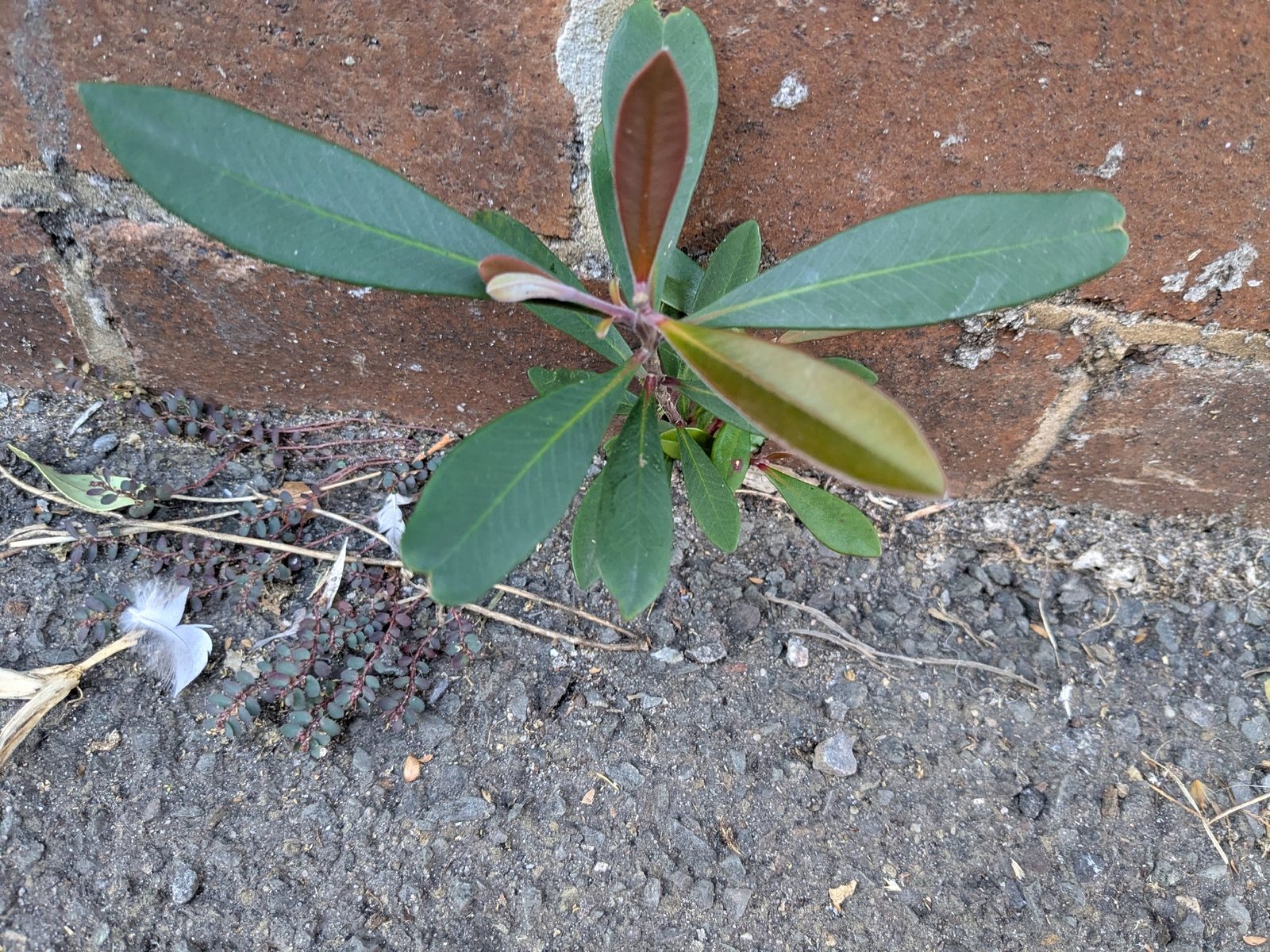
Water gum is an evergreen tree from eastern Australia, grown for its glossy leaves, rounded canopy and pale, peeling bark. Small yellow summer flowers attract insects, and established trees tolerate urban conditions well. It suits mild climates; prolonged freezing can damage or kill it.
At a glance
- Sun
- Full sun to partial shade; the canopy is usually denser in good light.
- Water
- Water regularly while establishing. Established trees tolerate some dry weather but grow best with deep watering during prolonged dry spells.
- Soil
- Moist, well-drained soil, preferably slightly acidic to neutral. Tolerates clay and occasional flooding, but avoid permanently stagnant, waterlogged ground.
- Height
- 20-40 ft (6-12 m) in gardens; potentially taller in favourable conditions
- Spread
- 15-30 ft (4.5-9 m)
- Flowers
- Small yellow flowers in clusters in summer, typically November-February in Australia and June-August in the Northern Hemisphere.
- Foliage
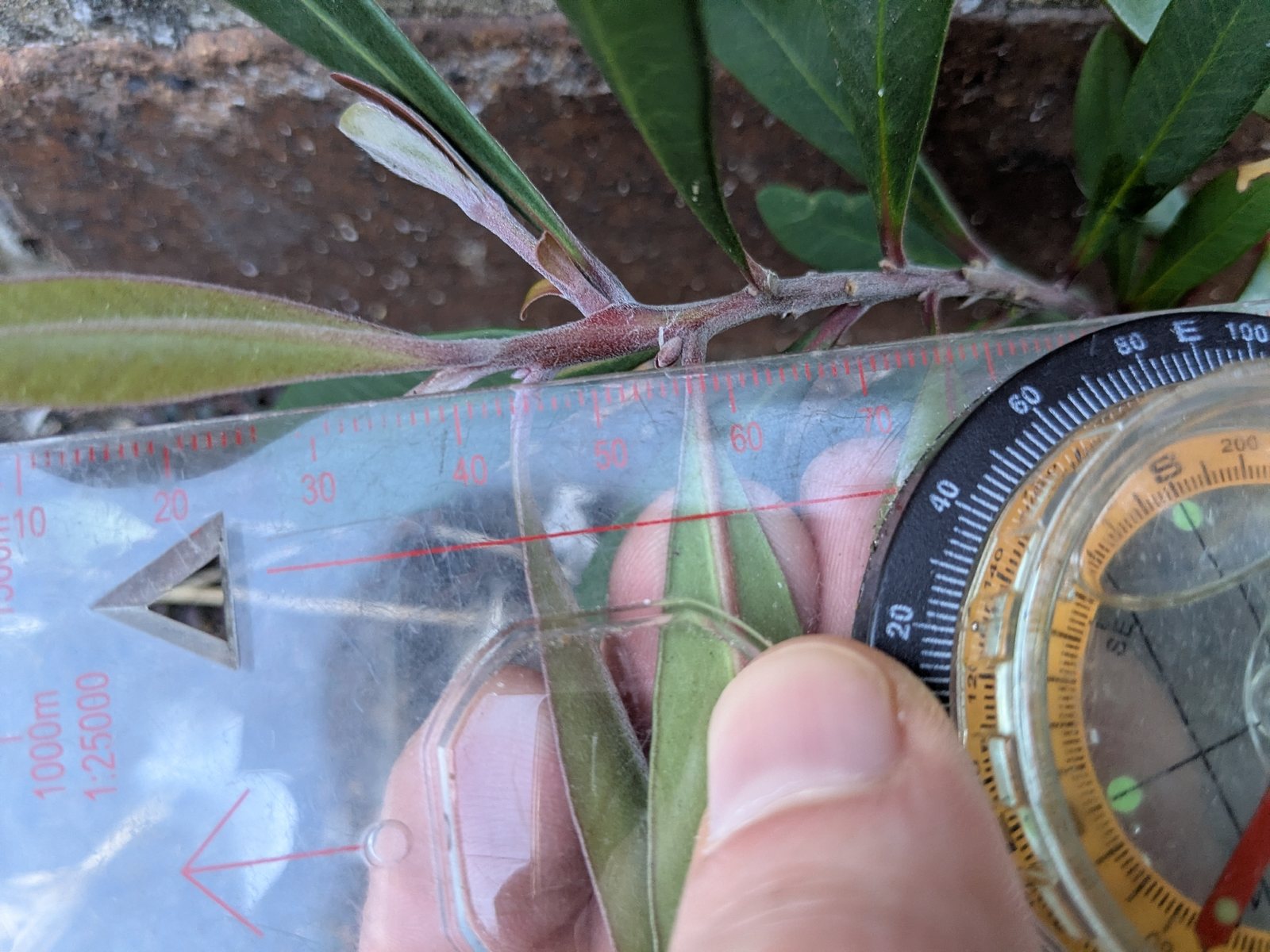
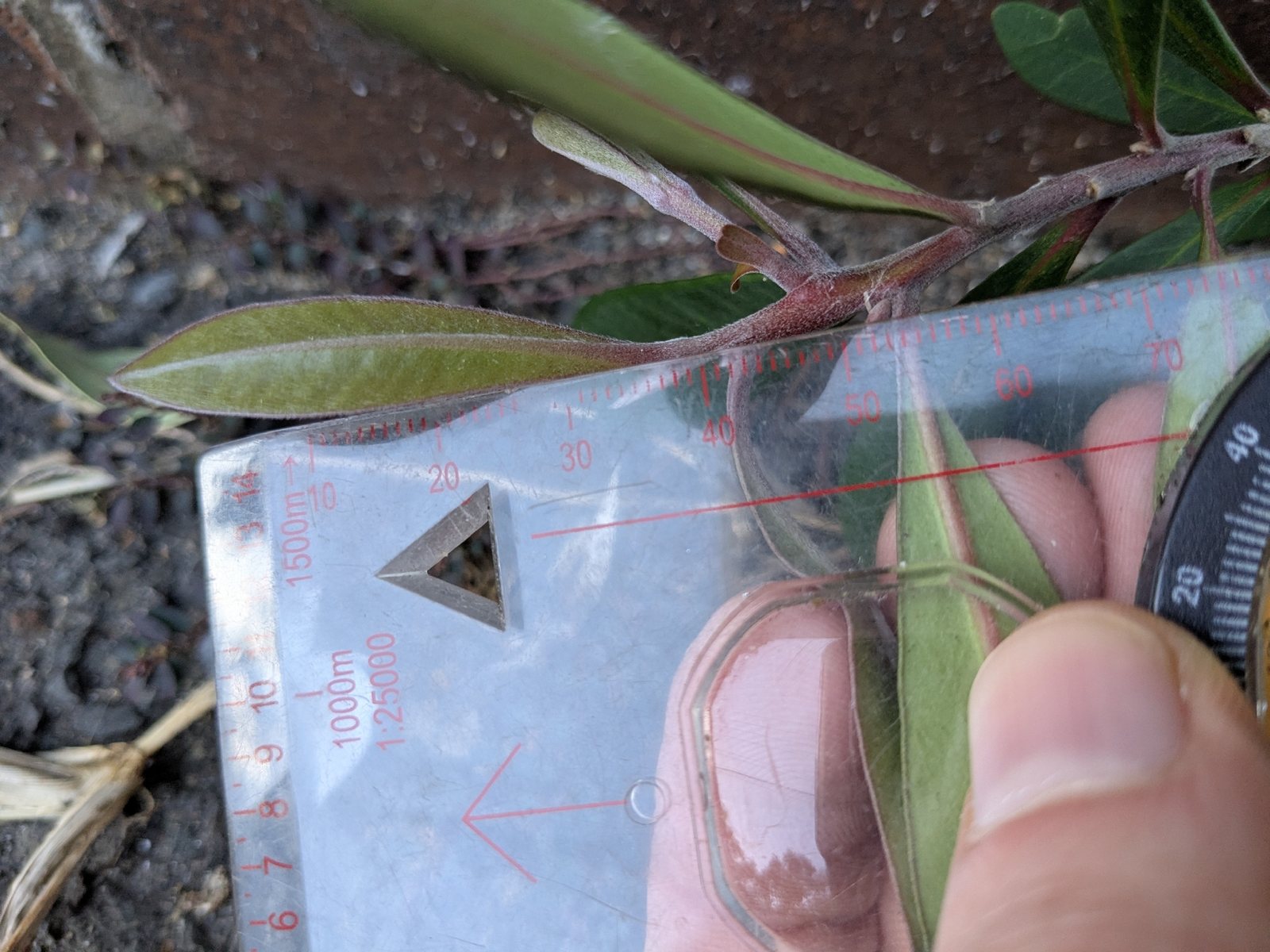
- Evergreen. Glossy, narrow oval, dark green leaves with paler undersides; young growth is often bronze or reddish.
- Growth
- Moderate with adequate moisture; slower in dry or cool conditions.
- Care needed
- Low
The year at a glance
- Pollinators
- Heat tolerant
- Wildlife
- Low allergen
| J | F | M | A | M | J | J | A | S | O | N | D | |
|---|---|---|---|---|---|---|---|---|---|---|---|---|
| Flowers | ||||||||||||
| Plant |
Northern hemisphere months. In Australia, shift them by six.
- Difficulty
- Hard
- Toughness
- Needs looking after
Will it suit your garden?
Pick your zone, country, light and whether you have pets.
Full sun is 6 or more hours of direct sun a day, part shade 3 to 6 hours, shade under 3.
How it grows
Planting day
7 ft (2 m)
After 1 year
7 ft (2.3 m)
After 2 years
8 ft (2.5 m)
After 3 years
9 ft (2.8 m)
After 5 years
11 ft (3.3 m)
About 26 years to full size.
From a typical nursery size, at an average rate for this kind of plant. A rule of thumb, not a forecast.
Good to know
- Cats and dogs
- Safe
- Native to
- Australia
- Growth rate
- Slow
Care
Jobs through the year
- WaterApr–May, Sep–Oct, every 14 days
- For established trees in frost-free ground, water deeply if soil is drying; young and container plants need more frequent checks.
- WaterJun–Aug, every 7 days
- Water established trees deeply during dry spells, letting the surface begin drying between soakings.
- MulchApr–May
- Apply 5–8 cm of organic mulch, keeping it away from the trunk.
- PruneApr–May
- After frost risk passes and damage is clear, remove dead or crossing branches; avoid topping.
- ProtectJan–Apr, Oct–Dec
- Not winter-hardy outdoors in zones 6–7; grow in a movable container and overwinter in bright, frost-free shelter.
- Water deeply through the first two growing seasons, allowing the surface soil to begin drying between waterings.
- Spread 2-3 in (5-8 cm) of organic mulch over the root area, keeping it clear of the trunk.
- Choose a sheltered position away from frost pockets, especially near the cool edge of its range.
- Feed lightly in spring only if growth is weak or the soil is poor; avoid heavy fertilising.
- Stake only if the root ball moves in wind, using flexible ties and removing support once the tree is stable.
Pruning. In late winter or early spring, remove dead, damaged and crossing branches and gradually establish a sound framework on young trees. Avoid topping or removing large limbs unnecessarily; allow space for the mature canopy.
Through the year
- Spring
- Plant after the risk of damaging frost has passed, setting the root flare at soil level.
- Spring
- Refresh mulch and check that stakes and ties are not rubbing or constricting the trunk.
- Summer
- Check soil moisture during hot weather and water young trees deeply rather than sprinkling daily.
- Autumn
- In mild, frost-free areas, plant while the soil is warm and autumn rain can help establishment.
- Winter
- Protect young trees with horticultural fleece during forecast frosts near the cool limit of their range.
- Late winter
- Inspect the branch structure and remove damaged or poorly placed small branches before spring growth.
In the garden
- Use as a shade tree beside a lawn or terrace, leaving room for the mature crown and roots.
- Plant as a street or driveway tree where soil volume and overhead clearance are adequate.
- Combine with lomandra and native violet for a layered Australian-native garden.
- Use its evergreen canopy and pale bark as a backdrop to a contemporary courtyard large enough to accommodate it.
Garden styles it suits: Australian native, Modern, Urban city garden, Woodland, Wildlife garden and Green on green.
Plant it with: Lomandra, Dianella, Native violet, Bird's nest fern, Clivia and Cast-iron plant.
Wildlife: Flowers provide pollen and nectar for bees and other insects. The evergreen crown offers shelter and potential nesting sites for small birds.
Problems to watch for
- Frost damage: young shoots may blacken after freezing weather. Protect young trees and wait until spring growth reveals the extent of damage before pruning.
- Scale insects: inspect stems and leaf undersides if foliage becomes sticky or develops sooty mould. Treat small infestations with horticultural oil according to the label and control ants tending the scale.
- Root decline in stagnant soil: improve drainage and avoid frequent watering where the root zone remains saturated.
- Leaf scorch or premature leaf drop during drought: water deeply over the root area and maintain mulch, especially around recently planted trees.
Safety
Not known to be toxic to people, cats, dogs or horses. Species-specific toxicity information is limited, and no part should be treated as edible.
Easily confused with
Lemon myrtle (Backhousia citriodora)
Lemon myrtle has opposite leaves with a strong lemon scent when crushed and creamy-white flowers; water gum has alternate leaves and yellow flowers.
Sweet bay (Laurus nobilis)
Sweet bay leaves have a distinctive culinary bay scent when crushed, and female plants can carry black berries. Water gum has small woody seed capsules and bark that flakes in patches.
The name
Tristaniopsis means resembling Tristania, laurina means laurel-like, and water gum refers to its frequent occurrence beside streams.
Propagation. Sow fresh seed in a free-draining seed-raising mix and keep it moist and warm. Semi-ripe cuttings can also be tried, though rooting may be slow; named cultivars need vegetative propagation to retain their characteristics.
Checked against open data
- Accepted botanical name
- Tristaniopsis laurina
- Native range
- New South Wales, Queensland and Victoria.
Sources: GBIF (CC BY 4.0) and Trefle (CC BY 4.0). The care and design notes are LandscapeGPT's own.
See it in your own yard.
Upload a photo of your yard and see it redesigned with plants that suit your climate, each checked against your zone.