Winecups
Callirhoe involucrata. Family Malvaceae. Perennial.
Also called Purple poppy mallow, Buffalo rose.
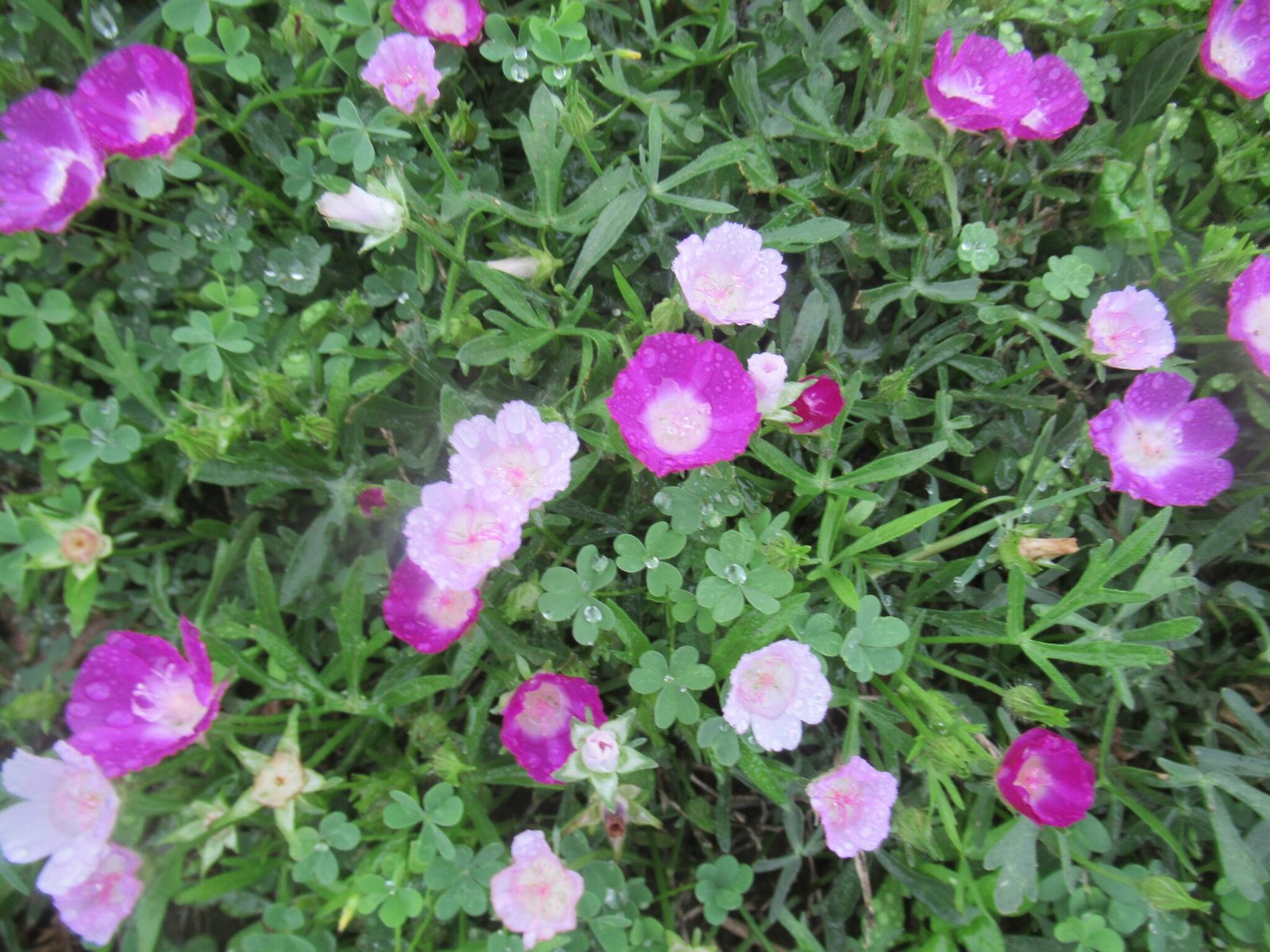
Winecups is a low, spreading perennial native to the central United States, with trailing stems and vivid magenta, cup-shaped flowers. Gardeners grow it to weave through sunny borders, soften gravel gardens and cover dry banks without much watering once established.
At a glance
- Sun
- Full sun; flowering is poorer and stems looser in shade.
- Water
- Low once established. Water regularly during establishment, then during prolonged dry spells if you want continued flowering.
- Soil
- Well-drained sandy, gravelly or loamy soil; tolerates poor soil and some clay if drainage is good. Avoid sites that stay wet in winter.
- Height
- 0.5-1 ft (0.15-0.3 m)
- Spread
- 1.5-3 ft (0.45-0.9 m)
- Flowers
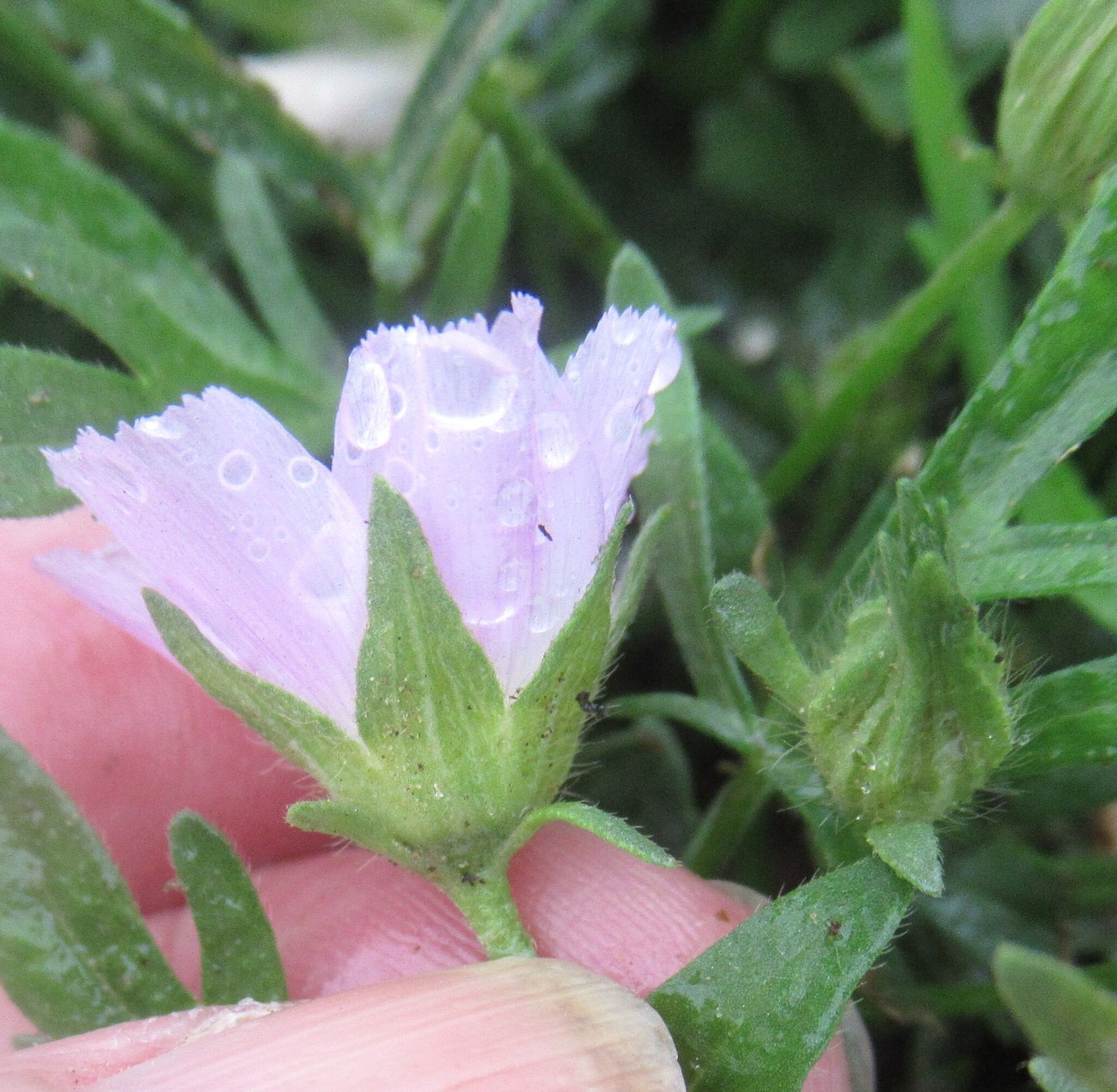
- Late spring through summer, sometimes into autumn with sufficient moisture; magenta to purple-pink cups with a pale centre. Flowers close at night.
- Foliage
- Green, rounded leaves deeply divided into finger-like lobes, carried on trailing, lightly hairy stems.
- Growth
- Moderate to fast during the growing season.
- Care needed
- Low
The year at a glance
- Pollinators
- Deer resistant
- Drought tolerant
- Heat tolerant
- Low allergen
| J | F | M | A | M | J | J | A | S | O | N | D | |
|---|---|---|---|---|---|---|---|---|---|---|---|---|
| Flowers | ||||||||||||
| Fruit | ||||||||||||
| Plant |
Northern hemisphere months. In Australia, shift them by six.
- Difficulty
- Easy
- Toughness
- Very tough
Will it suit your garden?
Pick your zone, country, light and whether you have pets.
Full sun is 6 or more hours of direct sun a day, part shade 3 to 6 hours, shade under 3.
How it grows
Planting day
0.7 ft (0.22 m)
full size
About 2 years to full size.
From a typical nursery size, at an average rate for this kind of plant. A rule of thumb, not a forecast.
Good to know
- Cats and dogs
- Safe
- Native to
- the US
- Growth rate
- Fast
Care
Jobs through the year
- WaterApr–May, Sep, every 21 days
- Water established plants only during extended drought; water new plants more frequently.
- WaterJun–Aug, every 14 days
- Water deeply only during prolonged drought to sustain flowering.
- PruneFeb–Mar
- Remove dead stems before new shoots develop.
- PruneJul–Aug
- Lightly shorten untidy stems after the main flush to encourage fresh growth.
- MulchApr
- Use a light gravel mulch if needed, keeping the crown exposed.
- ProtectOct–Nov
- Clear wet leaves from the crown and correct winter drainage problems.
- Plant young specimens in their permanent position; the deep taproot makes established plants difficult to move.
- Water deeply during the first growing season, letting the surface soil dry between waterings.
- Once established, water only during extended drought; avoid frequent shallow watering.
- Do not routinely feed; rich soil and heavy feeding encourage floppy growth.
- Keep the crown clear of thick organic mulch; a light gravel mulch suits dry sites.
Pruning. After the main flush of flowers, shorten untidy stems lightly to encourage fresh growth and possible repeat bloom. Remove dead stems in late winter or early spring before new shoots develop.
Through the year
- Early spring
- Remove dead stems and check that the crown has not become buried under wet mulch.
- Spring
- Plant young plants once the soil is workable, allowing room for trailing stems.
- Late spring
- Weed around developing shoots before the foliage spreads.
- Summer
- Water newly planted specimens deeply during dry weather; lightly trim sprawling stems after flowering.
- Late summer
- Collect dry, mature seed if you want to raise more plants.
- Autumn
- Clear fallen leaves from the crown and correct any drainage problems before winter.
In the garden
- Let stems trail over a low retaining wall or the edge of a raised bed.
- Plant among gravel and rocks for bright summer colour without a dense, bulky canopy.
- Weave through prairie-style planting beneath upright grasses and flowering perennials.
- Use along the sunny front of a border, where its spreading stems can soften the edge.
Garden styles it suits: Dry gravel garden, Desert / xeriscape, Native meadow, Pollinator garden, Midwest prairie and Texas Hill Country.
Plant it with: Little bluestem, Prairie dropseed, Butterfly weed, Lanceleaf coreopsis, Purple coneflower and Russian sage.
Wildlife: Flowers provide pollen for bees, including native bees. Deer and rabbits often leave established plants alone, although browsing is still possible.
Problems to watch for
- Root or crown rot in wet soil: improve drainage or move young plants to a raised position; avoid winter waterlogging.
- Slugs and snails eating young shoots: inspect during damp evenings and use wildlife-conscious controls where needed.
- Rust causing spotted leaves and orange-brown pustules: remove affected foliage, improve airflow and avoid wetting leaves when watering.
- Sparse flowering and floppy stems: provide full sun and stop unnecessary feeding.
Safety
Not known to be toxic to people, cats, dogs or horses. No particular poisonous part is recognised, but species-specific safety information is limited; do not treat it as an edible plant.
Easily confused with
Bush's poppy mallow (Callirhoe bushii)
Has similar magenta flowers but a more upright, taller habit rather than the low, trailing mat of winecups.
White poppy mallow (Callirhoe alcaeoides)
Usually has white to pale pink flowers and more upright stems, rather than strongly magenta flowers on sprawling stems.
The name
The common name winecups refers to the wine-coloured flowers and their cup-like shape.
Propagation. Grow from seed; the hard seed coat benefits from careful scarification, and a period of cold, moist conditions can improve germination. Autumn sowing outdoors is an option where winters are cold. Avoid dividing established plants because of their deep taproots.
Checked against open data
- Accepted botanical name
- Callirhoe involucrata
- In the US and Canada
- Native in the lower 48 states.
- Native range
- Arkansas, Colorado, Iowa, Kansas, Mexico Northeast, Minnesota, Missouri, Nebraska, New Mexico, Oklahoma and Texas.
Sources: GBIF (CC BY 4.0), USDA PLANTS and Trefle (CC BY 4.0). The care and design notes are LandscapeGPT's own.
See it in your own yard.
Upload a photo of your yard and see it redesigned with plants that suit your climate, each checked against your zone.