Winter heath
Erica carnea. Family Ericaceae. Shrub.
Also called Winter-flowering heather, Spring heath, Alpine heath.
Winter heath (Erica carnea) is a low, spreading evergreen shrub grown for its small bell-shaped flowers in winter and early spring. It makes a useful groundcover in sunny, well-drained beds and tolerates more lime in the soil than most heathers, but struggles in hot, humid climates.
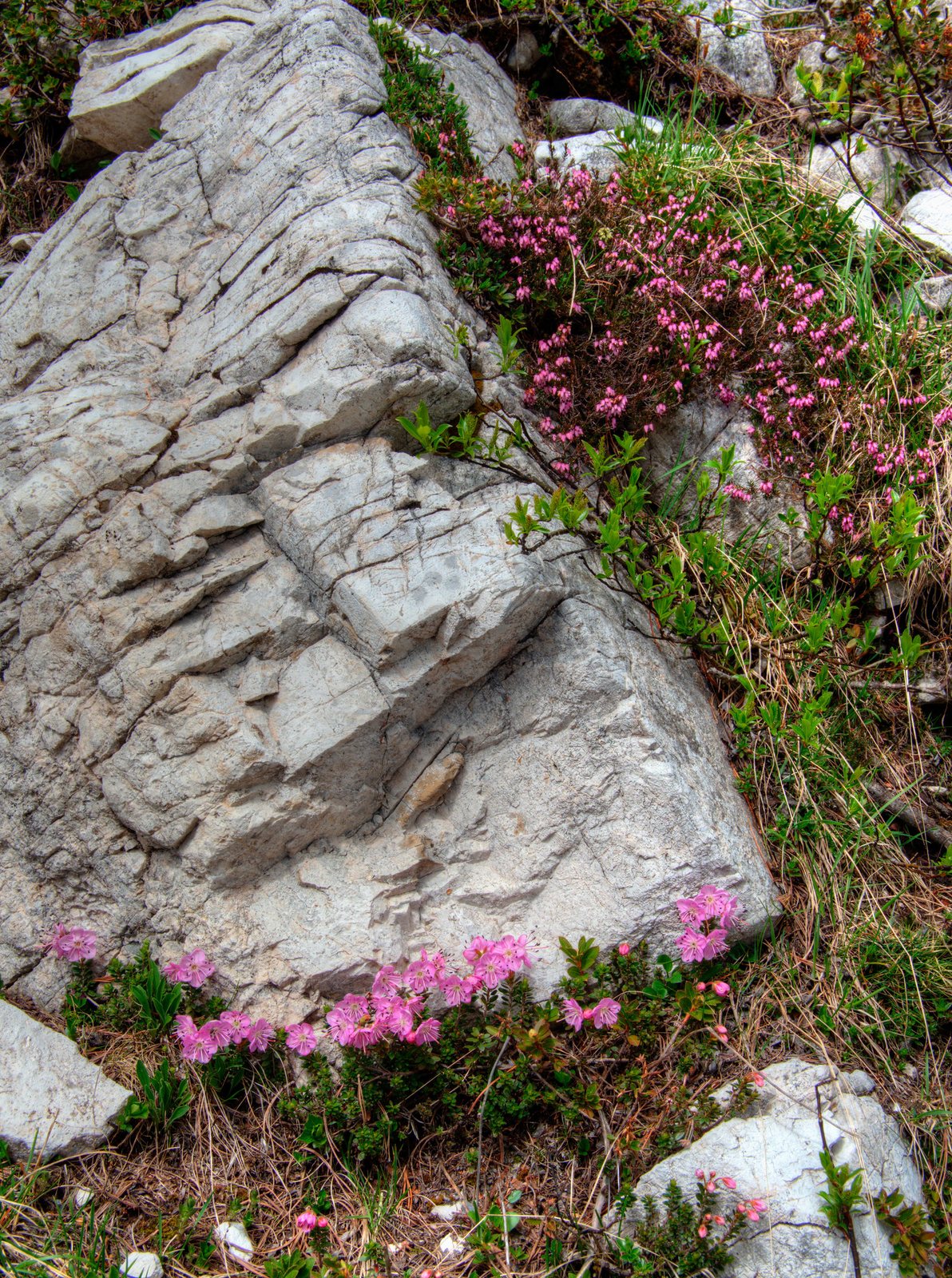
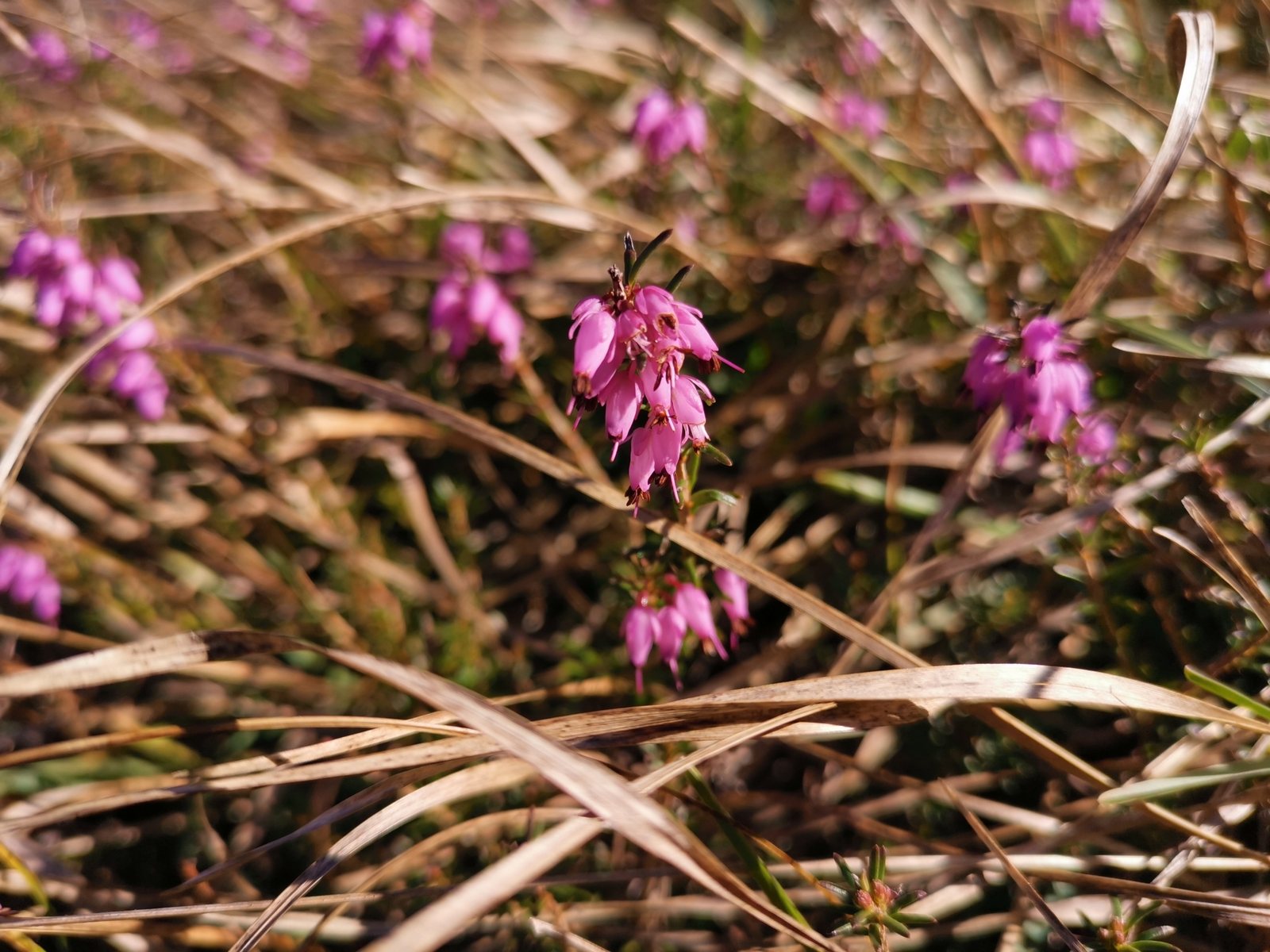
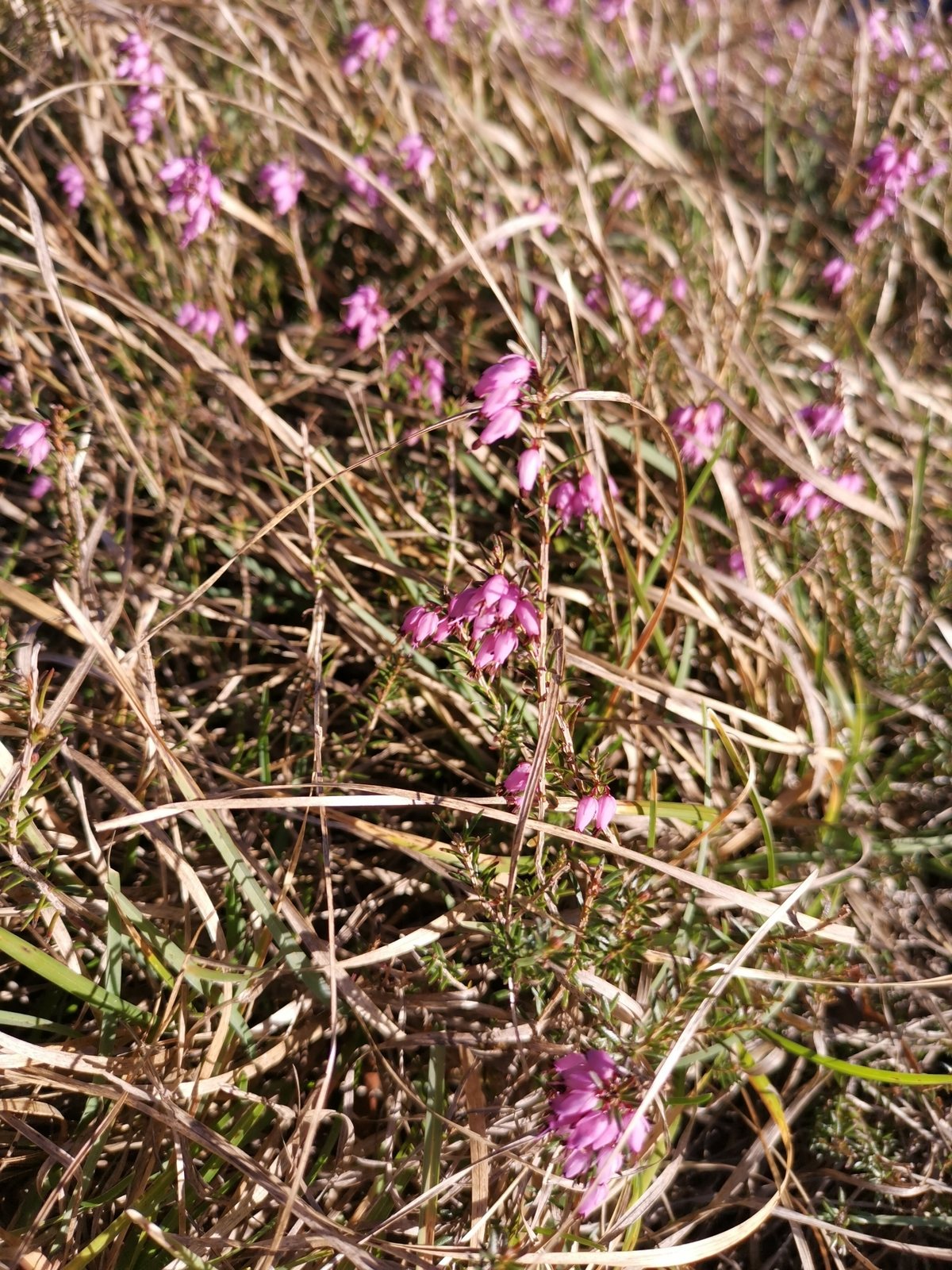
At a glance
- Sun
- Full sun to light partial shade; some afternoon shade helps near the warmer end of its range.
- Water
- Keep evenly moist while establishing; afterward, water during prolonged dry spells. Avoid waterlogged soil.
- Soil
- Well-drained, humus-rich sandy or loamy soil. Acid to neutral soil is ideal, but moderately alkaline soil is usually tolerated.
- Height
- 0.5-1 ft (0.15-0.3 m)
- Spread
- 1-2 ft (0.3-0.6 m)
- Flowers
- Winter to early spring, sometimes beginning in late autumn; pink, rose-purple or white, depending on the cultivar.
- Foliage
- Short, needle-like evergreen leaves in whorls; usually dark green, with bronze or golden foliage in some cultivars.
- Growth
- Slow to moderate
- Care needed
- Low
The year at a glance
- Pollinators
- Deer resistant
- Wildlife
- Low allergen
| J | F | M | A | M | J | J | A | S | O | N | D | |
|---|---|---|---|---|---|---|---|---|---|---|---|---|
| Flowers | ||||||||||||
| Plant |
Northern hemisphere months. In Australia, shift them by six.
- Difficulty
- Easy
- Toughness
- Fairly tough
Will it suit your garden?
Pick your zone, country, light and whether you have pets.
Full sun is 6 or more hours of direct sun a day, part shade 3 to 6 hours, shade under 3.
How it grows
Planting day
0.7 ft (0.22 m)
full size
About 7 years to full size.
From a typical nursery size, at an average rate for this kind of plant. A rule of thumb, not a forecast.
Good to know
- Cats and dogs
- Safe
- Growth rate
- Slow
Care
Jobs through the year
- WaterApr–May, Sep–Oct, every 14 days
- Water established plants during dry spells; keep first-year plants evenly moist.
- WaterJun–Aug, every 7 days
- Water deeply during prolonged drought without waterlogging shallow roots.
- PruneApr–May
- Trim just below spent flowers immediately after blooming; never cut into bare old wood.
- FeedApr
- Only if growth is weak, apply a light dose of slow-release fertilizer.
- MulchOct
- Apply a thin layer of leaf mould or fine bark, keeping central stems clear.
- ProtectOct–Dec
- Remove fallen leaves and weeds that smother foliage, and keep drainage clear.
- Plant with the root ball level with the surrounding soil, leaving room for its spreading branches.
- Water regularly through the first growing season, then during extended dry weather.
- Apply a thin mulch of leaf mould or fine bark, keeping it clear of the central stems.
- Feed only if growth is weak; use a light application of slow-release fertilizer in spring.
- Keep fallen leaves and weeds from smothering the low foliage.
Pruning. Immediately after flowering, lightly trim the flowered shoots to just below the spent blooms, keeping cuts within leafy growth. Do not cut into bare old wood, which may not regrow.
Through the year
- Early spring
- Enjoy the flowers and check that winter rain or snowmelt is draining away.
- Spring
- After flowering, lightly trim spent flower stems without cutting into bare wood.
- Late spring
- Plant new specimens and water thoroughly; spring planting is safest in colder regions.
- Summer
- Water young plants during dry spells and check for browning caused by drought or poor drainage.
- Late summer
- Take semi-ripe cuttings from healthy, non-flowering shoots.
- Autumn
- Remove fallen leaves from the foliage and refresh a thin mulch around the plants.
In the garden
- Plant in broad groups along sunny paths for low evergreen structure and winter flowers.
- Use on well-drained banks, allowing plants to knit together as groundcover.
- Combine with dwarf conifers and rocks for an alpine-style planting with contrasting textures.
- Underplant an open, sunny shrub border with winter heath, snowdrops and crocuses for an early display.
Garden styles it suits: Winter interest, Alpine rock garden, Cottage garden, Pollinator garden, Low-maintenance and Dry gravel garden.
Plant it with: Snowdrops, Crocuses, Dwarf conifers, Dwarf irises, Hellebores and Heather.
Wildlife: Flowers provide nectar and pollen for bees during mild winter and early spring weather, when other flowers may be scarce. The dense foliage offers shelter for small invertebrates.
Problems to watch for
- Root rot: yellowing, wilting or dieback in wet soil usually calls for better drainage; remove badly affected plants and avoid replanting in the same saturated spot.
- Drought browning: shallow roots can dry out quickly, especially in new plantings; water deeply during dry spells and mulch lightly.
- Spider mites: fine stippling and webbing may occur in hot, dry conditions; rinse the foliage and avoid drought stress.
- Leggy, bare growth: too much shade or missed trimming can leave woody gaps; improve light and trim lightly after flowering, replacing plants that have become bare.
Safety
Winter heath is not known to be toxic to cats, dogs, horses or people. No part is recognized as poisonous, though it is not a food plant and eating substantial amounts may cause digestive upset.
Easily confused with
Darley Dale heath (Erica × darleyensis)
Also flowers in winter, but usually grows taller and broader, with longer shoots and somewhat larger leaves. Small plants can be difficult to distinguish reliably without a label.
Heather (Calluna vulgaris)
Has tiny, overlapping scale-like leaves rather than distinct needle-like leaves, and usually flowers in summer or autumn.
Bell heather (Erica cinerea)
Usually flowers in summer, with larger purple bell-shaped flowers and leaves mainly in whorls of three; winter heath generally has leaves in whorls of four.
The name
Erica comes from the ancient Greek name for heath, while carnea means flesh-coloured, referring to the pink flowers.
Propagation. Take semi-ripe cuttings in late summer and root them in a free-draining medium under humid conditions. Low branches can also be layered; named cultivars should be propagated vegetatively to retain their characteristics.
Checked against open data
- Accepted botanical name
- Erica carnea
- Native range
- Albania, Austria, Czechoslovakia, France, Germany, Greece, Italy, Switzerland and Yugoslavia.
- Measured
- Soil pH 7 to 7.5. Average height 18 cm.
Sources: GBIF (CC BY 4.0) and Trefle (CC BY 4.0). The care and design notes are LandscapeGPT's own.
See it in your own yard.
Upload a photo of your yard and see it redesigned with plants that suit your climate, each checked against your zone.