Winter Red winterberry
Ilex verticillata 'Winter Red'. Family Aquifoliaceae. Shrub.
Also called Winter Red winterberry holly, Deciduous holly.
Winter Red is a deciduous female holly grown for heavy crops of bright red berries that remain on its bare branches into winter, until birds eat them. It needs a compatible male winterberry nearby to produce fruit and grows best in moist, acidic soil.
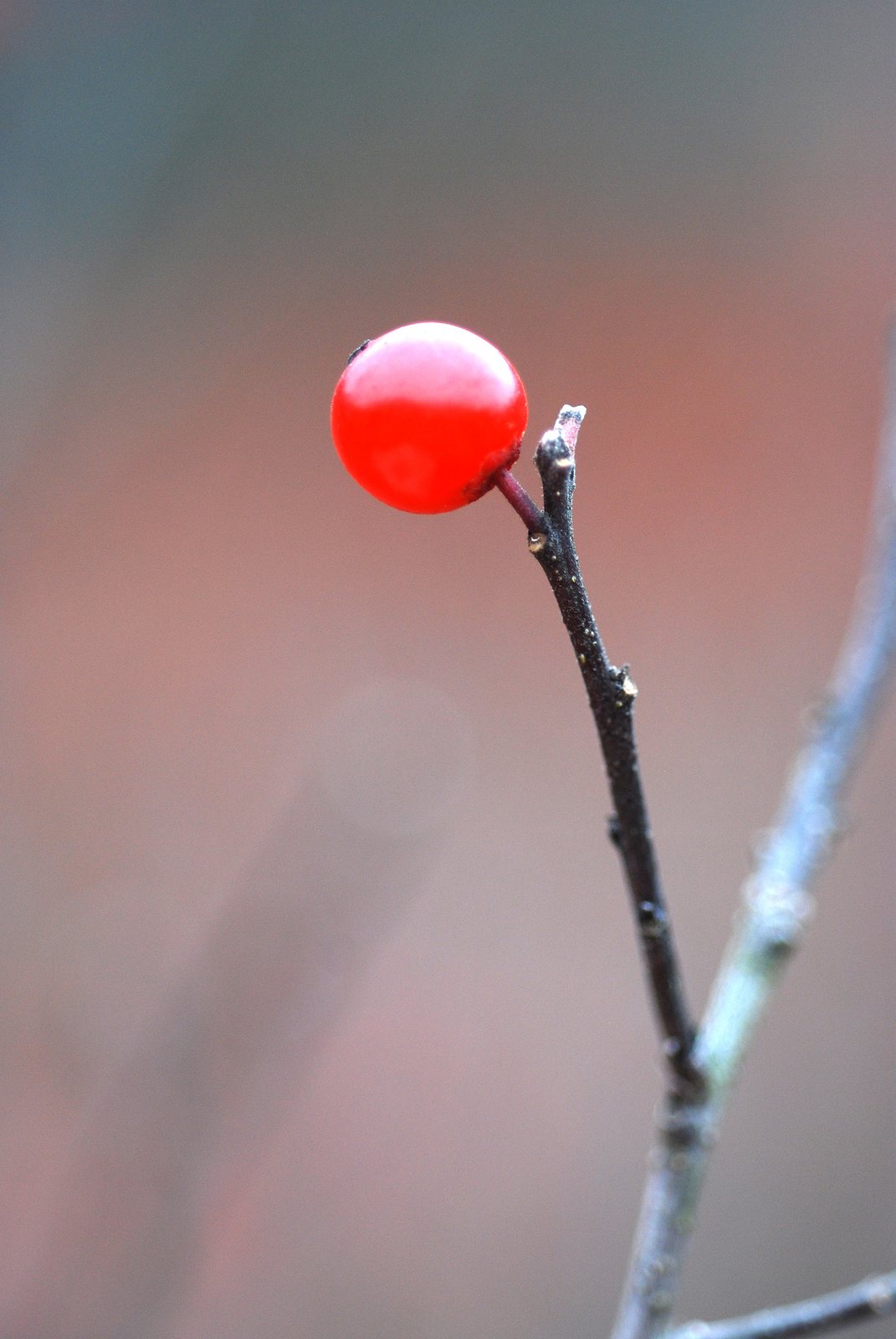
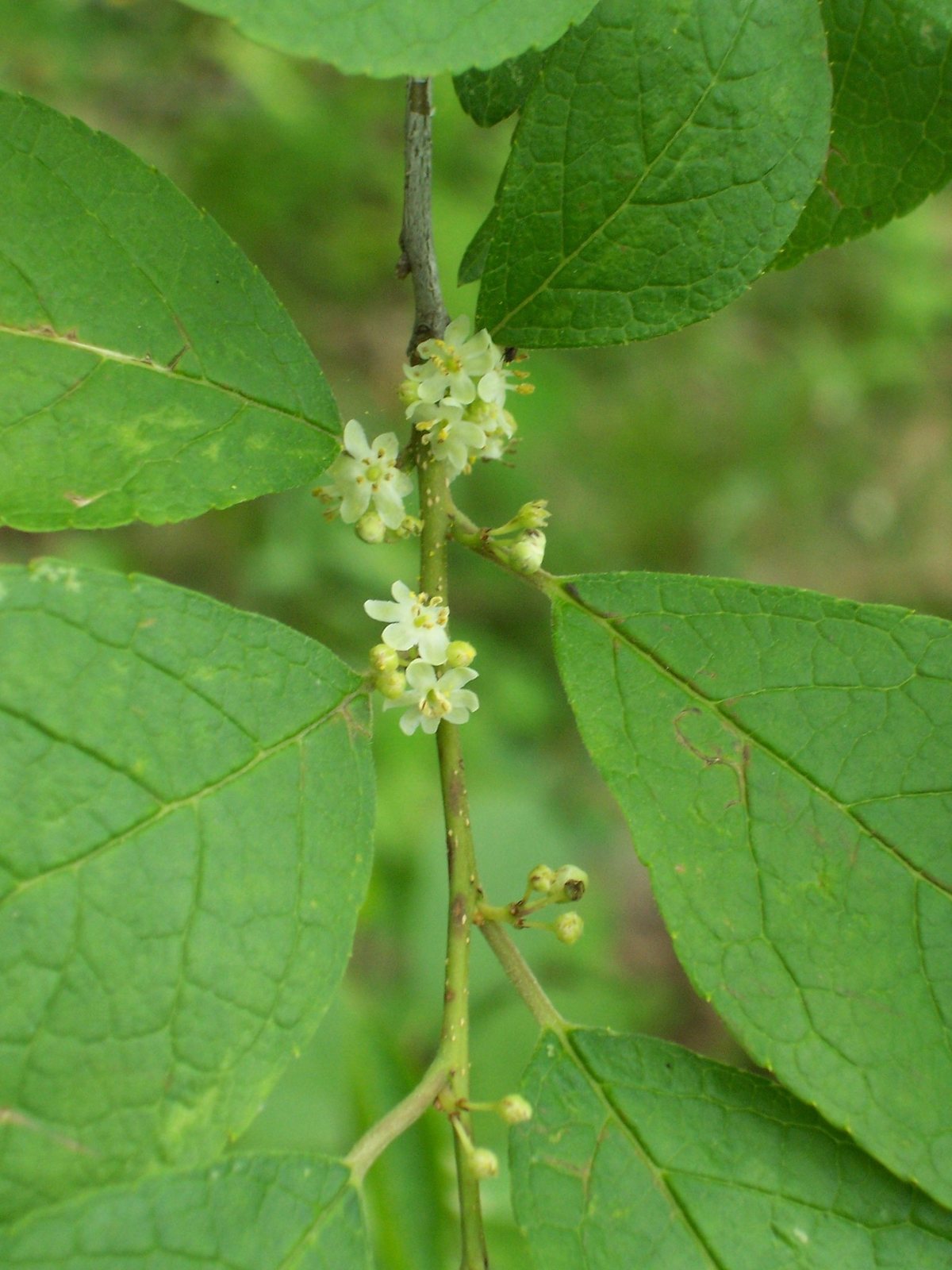
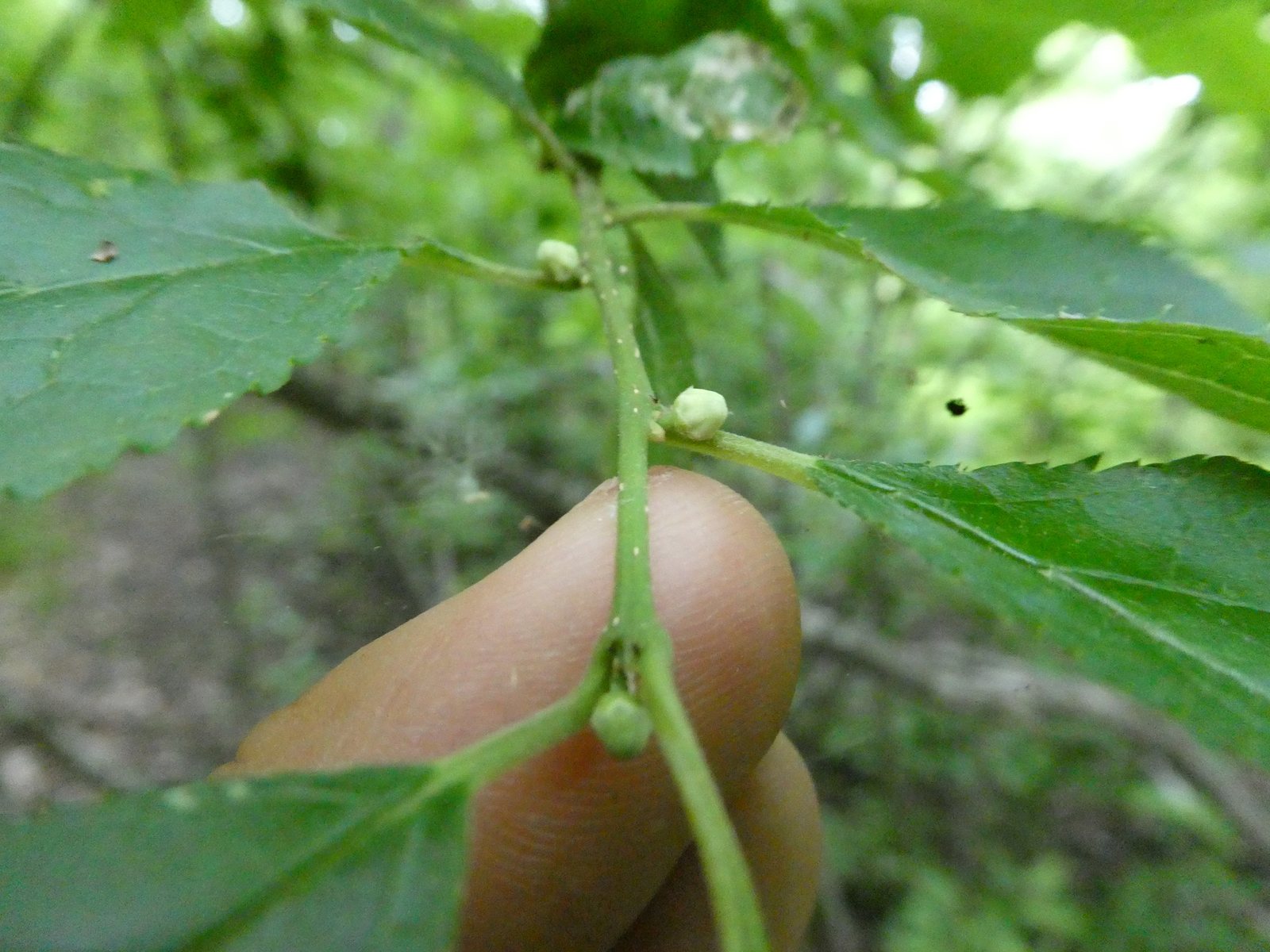
At a glance
- Sun
- Full sun to partial shade; full sun usually produces the heaviest berry crop.
- Water
- Keep the root zone consistently moist, especially during establishment and dry summers. Tolerates wet ground and occasional flooding but performs poorly in prolonged drought.
- Soil
- Acidic, humus-rich soil, ideally pH 4.5-6.5. Tolerates clay and poorly drained ground; alkaline soil often causes yellow leaves.
- Height
- 6-8 ft (1.8-2.4 m)
- Spread
- 6-8 ft (1.8-2.4 m)
- Flowers
- Small greenish-white flowers in late spring to early summer; inconspicuous but important to pollinating insects.
- Foliage
- Oval, pointed, dark green leaves with toothed edges; autumn colour is usually yellowish and not especially showy.
- Growth
- Moderate
- Care needed
- Low
The year at a glance
- Pollinators
- Cold hardy
- Heat tolerant
- Wildlife
- Low allergen
| J | F | M | A | M | J | J | A | S | O | N | D | |
|---|---|---|---|---|---|---|---|---|---|---|---|---|
| Flowers | ||||||||||||
| Fruit | ||||||||||||
| Plant |
Northern hemisphere months. In Australia, shift them by six.
- Difficulty
- Easy
- Toughness
- Fairly tough
Will it suit your garden?
Pick your zone, country, light and whether you have pets.
Full sun is 6 or more hours of direct sun a day, part shade 3 to 6 hours, shade under 3.
How it grows
Planting day
1.6 ft (0.5 m)
After 1 year
2.7 ft (0.82 m)
After 2 years
4 ft (1.1 m)
After 3 years
5 ft (1.5 m)
After 5 years
7 ft (2.1 m)
full size
About 5 years to full size.
From a typical nursery size, at an average rate for this kind of plant. A rule of thumb, not a forecast.
Good to know
- Cats and dogs
- Toxic
- Native to
- the US and Canada
- In the garden
- Spreads vigorously: plan to contain it.
- Growth rate
- Moderate
Care
Jobs through the year
- WaterApr–May, Sep–Oct, every 14 days
- Water established shrubs if soil starts drying; skip in wet ground and check young plants more often.
- WaterJun–Aug, every 7 days
- Water deeply during dry spells to maintain moist soil and prevent berry drop; young plants need closer checks.
- MulchApr, Oct
- Maintain 5-8 cm of organic mulch, keeping it clear of stems.
- FeedApr
- Feed lightly only if growth is weak; test soil pH if leaves yellow between green veins.
- PruneFeb–Mar
- Remove dead wood and a few old stems only if crowded; avoid shearing to preserve berries.
- Plant a late-flowering male winterberry, such as 'Southern Gentleman', within about 50 ft (15 m); one male can pollinate several female shrubs.
- Water deeply during dry spells, particularly for the first two growing seasons.
- Apply 2-3 in (5-8 cm) of organic mulch, keeping it clear of the stems.
- Test soil pH if leaves yellow; avoid planting in chalky or strongly alkaline soil.
- Feed lightly in spring only if growth is weak; avoid heavy nitrogen feeding.
Pruning. Prune sparingly in late winter or early spring, removing dead wood and, when needed, a few of the oldest stems at ground level. Avoid shearing, which reduces flowering and the following berry display.
Through the year
- Late winter
- Remove dead or damaged branches and thin a few old stems if the shrub is crowded.
- Spring
- Plant while the soil is workable and moist, allowing room for the mature spread.
- Mid-spring
- Renew mulch and check soil pH if new leaves are yellow between green veins.
- Late spring to early summer
- Check that the male pollinator flowers at the same time as Winter Red.
- Summer
- Water during dry spells so developing berries do not drop prematurely.
- Autumn
- Plant additional shrubs or a missing male pollinator; leave berries for the winter display and birds.
In the garden
- Mass beside a pond or in a damp hollow for red berries against bare winter stems.
- Plant in front of dark evergreens to make the winter fruit more visible.
- Include in an informal native hedgerow with other moisture-loving shrubs.
- Combine with dogwoods and ornamental grasses for winter colour and contrasting textures.
Garden styles it suits: Winter interest, Woodland, Wildlife garden, Bog garden, Native hedgerow and New England.
Plant it with: Red-osier dogwood, Summersweet, Virginia sweetspire, Cinnamon fern, Tussock sedge and Switchgrass.
Wildlife: Flowers support bees and other pollinating insects. Berries feed birds in autumn and winter, and dense branches provide shelter; fruit persistence varies with local bird activity.
Problems to watch for
- Few or no berries: provide a compatible late-flowering male, protect flowers from unnecessary pruning, and give the shrub more sun if heavily shaded.
- Yellow leaves with green veins: test for alkaline soil; correct the underlying soil problem or move the shrub to an acidic site.
- Leaf spots: collect fallen affected leaves and improve airflow; established shrubs usually need no fungicide.
- Wilting or premature berry drop during drought: water deeply and maintain an organic mulch.
Safety
Not edible. Holly berries and leaves are considered toxic to people, cats, dogs and horses; berries are the main concern because they attract attention. Eating them can cause vomiting, diarrhoea and abdominal pain, usually of mild to moderate severity; seek medical or veterinary advice after ingestion.
Easily confused with
English holly (Ilex aquifolium)
English holly keeps its glossy, often spiny leaves through winter; winterberry sheds its softer, finely toothed leaves.
Red chokeberry (Aronia arbutifolia)
Red chokeberry carries fruit in clusters at branch tips and usually develops strong red autumn foliage; winterberry berries sit close along the stems at leaf axils.
The name
The species name verticillata means whorled, referring to the arrangement of fruit around the stems, while winterberry describes the berries that remain after leaf fall.
Propagation. Root softwood cuttings in late spring or early summer to preserve the cultivar. Seedlings vary, may be male or female, and will not come true as 'Winter Red'.
Checked against open data
- Accepted botanical name
- Ilex verticillata
- In the US and Canada
- Native in Canada, the lower 48 states and St. Pierre and Miquelon.
- Native range
- Alabama, Arkansas, Connecticut, Delaware, District of Columbia, Florida, Georgia, Illinois, Indiana, Iowa, Kentucky and Louisiana.
- Measured
- Soil pH 4.5 to 7.5. Average height 250 cm.
Sources: GBIF (CC BY 4.0), USDA PLANTS and Trefle (CC BY 4.0). The care and design notes are LandscapeGPT's own.
See it in your own yard.
Upload a photo of your yard and see it redesigned with plants that suit your climate, each checked against your zone.