Wishbone flower
Torenia fournieri. Family Linderniaceae. Annual.
Also called Bluewings, Clown flower.
Wishbone flower is a compact, frost-tender plant grown as an annual for its small, two-lipped flowers with contrasting throats. It flowers through summer in lightly shaded beds, window boxes and containers, especially where the soil stays evenly moist.
At a glance
- Sun
- Partial shade, ideally morning sun and afternoon shade. In cool climates it tolerates more sun if kept moist; avoid strong afternoon sun in hot climates.
- Water
- Keep evenly moist but not waterlogged. Check containers daily in hot weather; prolonged drying quickly causes wilting and poor flowering.
- Soil
- Fertile, humus-rich, well-drained soil. Use a good-quality container potting mix in pots.
- Height
- 0.5-1 ft (0.15-0.3 m)
- Spread
- 0.5-1 ft (0.15-0.3 m)
- Flowers
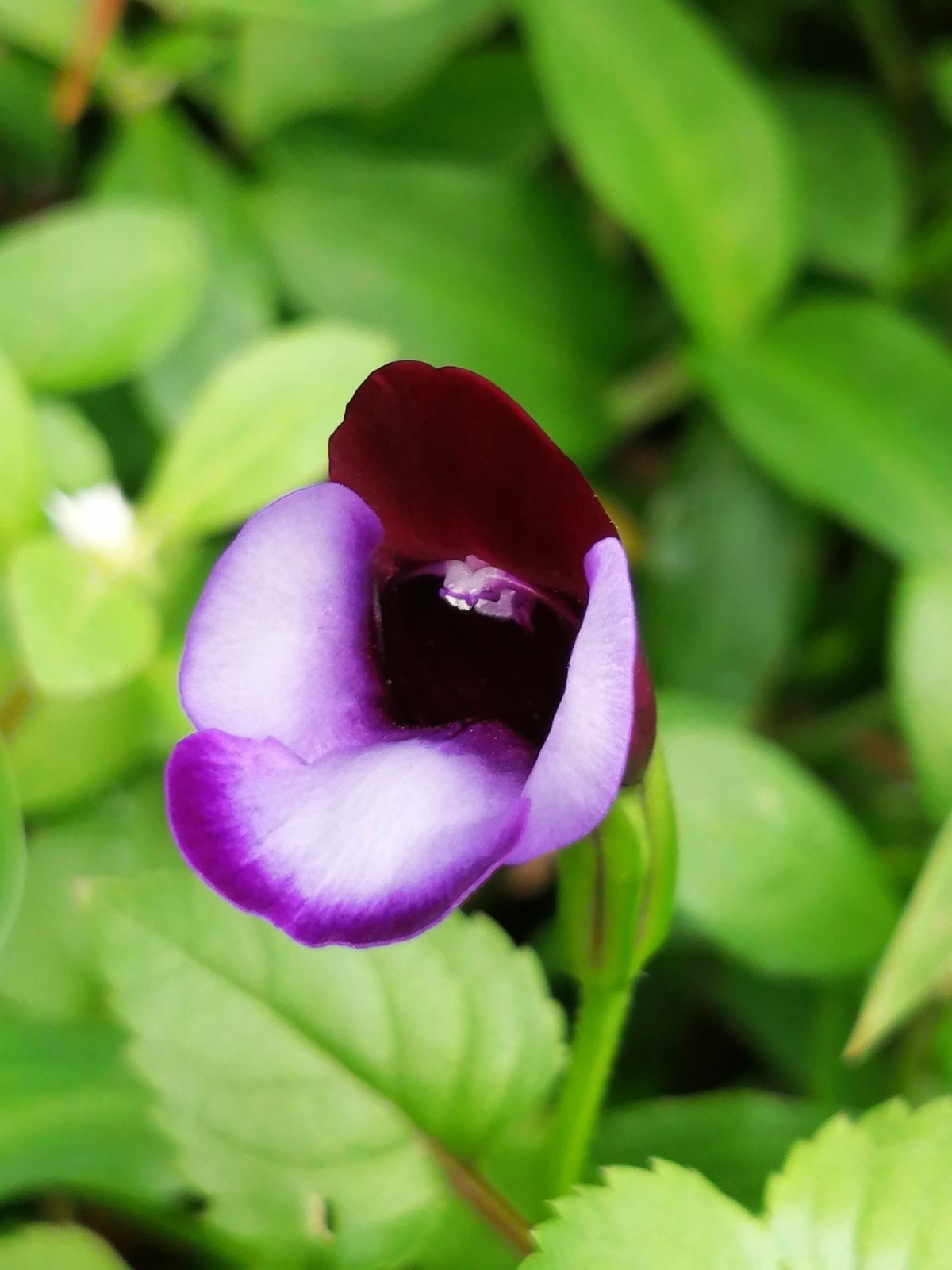
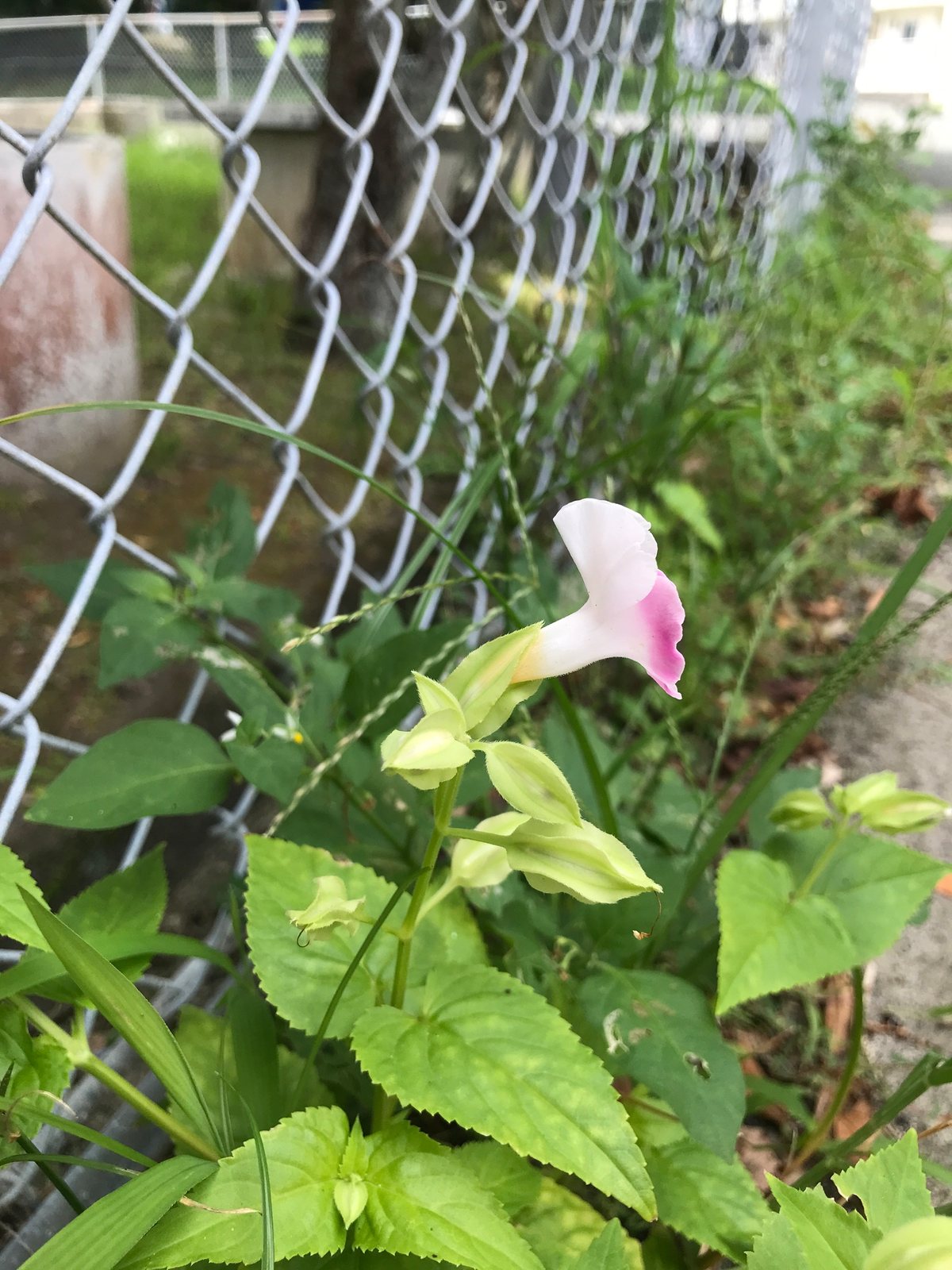
- Summer to the first frost; typically violet-blue flowers with darker lower lips, pale throats and yellow markings. Garden selections also come in pink, purple and white.
- Foliage
- Soft green, oval leaves with pointed tips and toothed edges, carried in opposite pairs.
- Growth
- Fast; reaches flowering size in one growing season.
- Care needed
- Low
The year at a glance
- Pollinators
- Heat tolerant
- Low allergen
| J | F | M | A | M | J | J | A | S | O | N | D | |
|---|---|---|---|---|---|---|---|---|---|---|---|---|
| Flowers | ||||||||||||
| Plant |
Northern hemisphere months. In Australia, shift them by six.
- Difficulty
- Easy
- Toughness
- Fairly tough
Will it suit your garden?
Pick your zone, country, light and whether you have pets.
Full sun is 6 or more hours of direct sun a day, part shade 3 to 6 hours, shade under 3.
How it grows
Planting day
0.5 ft (0.15 m)
After 1 year
0.7 ft (0.22 m)
full size
Full size in one season.
From a typical nursery size, at an average rate for this kind of plant. A rule of thumb, not a forecast.
Good to know
- Cats and dogs
- Safe
- Growth rate
- Fast
Care
Jobs through the year
- WaterMay, Sep–Oct, every 7 days
- Keep established ground plants evenly moist; water new plants more often and adjust for rain.
- WaterJun–Aug, every 3 days
- Water established ground plants as the surface begins drying; never let the root zone dry completely.
- MulchMay–Jun
- Apply a thin organic mulch, keeping it away from stems.
- PruneJun
- Pinch young shoot tips only if plants need more branching.
- PruneJul–Aug
- Lightly trim straggly stems above a leaf pair; routine deadheading is unnecessary.
- Plant out after frost danger has passed and nights are consistently warm; space plants about 6-12 in (15-30 cm) apart.
- Water at soil level when the surface begins to dry, before the root ball dries out.
- Work compost into beds before planting, and keep drainage holes clear in containers.
- Feed container plants every two to four weeks with a balanced liquid fertiliser at the label rate.
- Apply a thin organic mulch around bedding plants, keeping it away from the stems.
Pruning. Pinch young shoot tips if plants need encouragement to branch. During summer, lightly trim stretched or straggly stems just above a leaf pair; routine deadheading is usually unnecessary.
Through the year
- Late winter
- Start seed indoors about 8-10 weeks before your expected last frost, with warmth and good light.
- Spring
- Prepare beds with compost or fill containers with fresh potting mix.
- Late spring
- Harden off young plants and plant outside once frost danger has passed and nights are warm.
- Summer
- Keep roots evenly moist, feed containers regularly and check leaf undersides for pests.
- Late summer
- Lightly trim leggy plants and water well to encourage fresh growth.
- Autumn
- Remove plants after frost kills them, or when flowering finishes in frost-free gardens.
In the garden
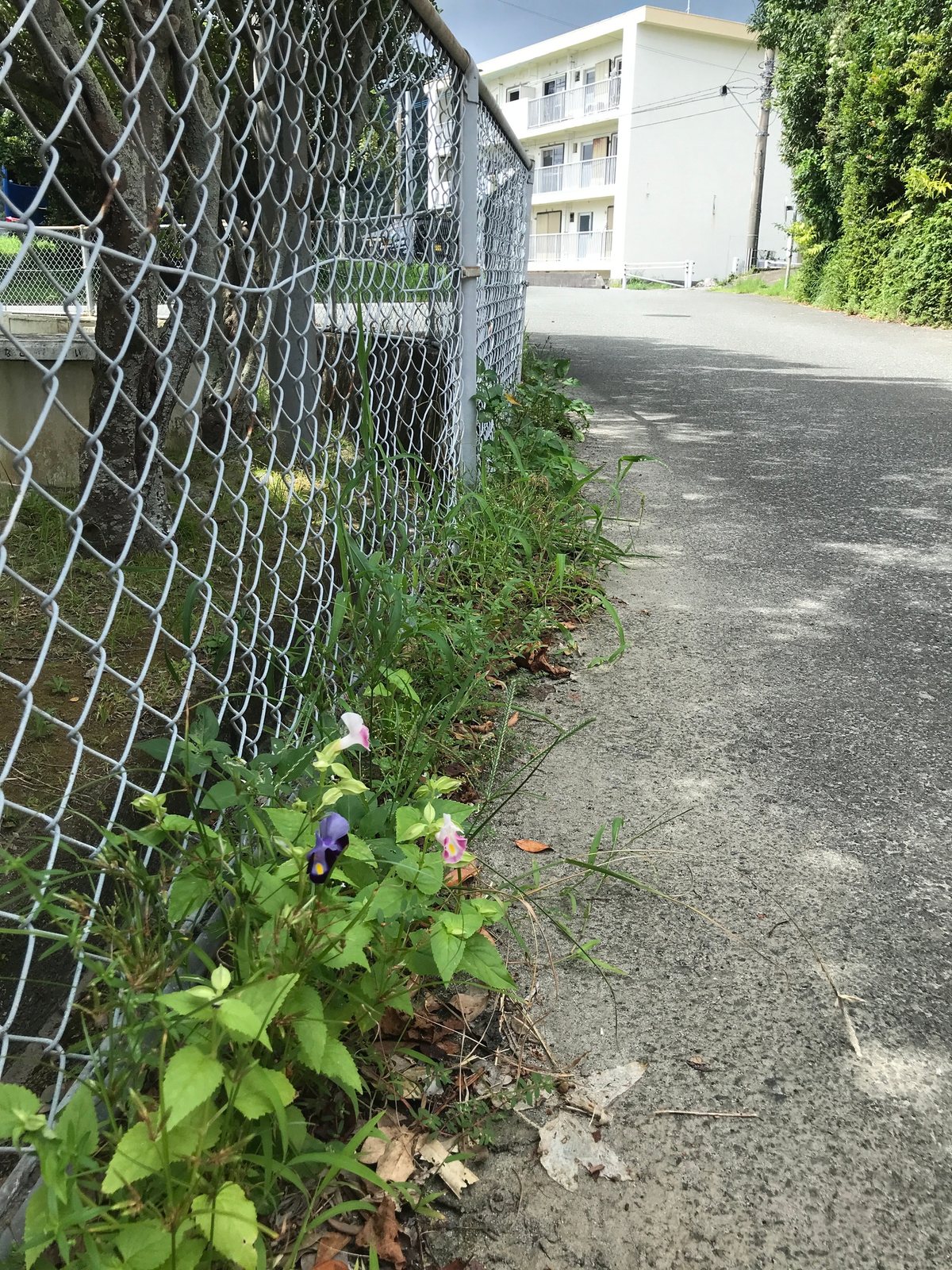
- Edge lightly shaded paths with a low line of flowers.
- Fill window boxes and patio containers that receive morning sun rather than intense afternoon heat.
- Plant beneath open-canopied shrubs where there is enough light and irrigation, avoiding dense, dry root competition.
- Combine with begonias, impatiens and ferns for contrasting flowers and foliage in a summer shade display.
Garden styles it suits: Cottage garden, Woodland, Modern courtyard, Small-space, Blues and silvers and Tropical.
Plant it with: Wax begonia, Impatiens, Coleus, Caladium, Japanese painted fern and Fuchsia.
Wildlife: Flowers attract bees, including bumblebees. It is not a major host plant for garden wildlife.
Problems to watch for
- Wilting and scorched leaves: check soil moisture and move containers out of strong afternoon sun; water thoroughly without leaving pots standing in water.
- Root rot: improve drainage, empty saucers and avoid constantly saturated compost; discard badly rotted plants.
- Aphids or whiteflies: inspect tender shoots and leaf undersides, rinse off small infestations and use insecticidal soap labelled for the pest if needed.
- Powdery mildew: improve spacing and airflow, remove heavily affected leaves and avoid letting plants become drought-stressed.
Safety
Not known to be toxic to people, cats, dogs or horses; no part is generally recognised as poisonous. It is an ornamental rather than a food plant, and eating plant material may still cause mild stomach upset.
Easily confused with
Impatiens (Impatiens walleriana)
Impatiens has flatter flowers with a slender rear spur; wishbone flower has a more obvious tubular, two-lipped flower with contrasting throat markings.
Yellow monkeyflower (Erythranthe guttata)
Its flowers are usually yellow with reddish throat spots, and it favours much wetter ground. Wishbone flower is usually violet-blue and has paired stamens that form a wishbone shape inside the flower.
The name
The common name refers to the paired stamens inside the flower, which join to form a shape resembling a wishbone.
Propagation. Sow seed on the surface of moist seed compost because light helps germination. Keep at about 70-75°F (21-24°C), moist but not saturated; seedlings commonly appear in one to three weeks. Named selections may not come true from seed and can be propagated from soft stem cuttings.
Checked against open data
- Accepted botanical name
- Torenia fournieri
- Native range
- Bangladesh, Cambodia, China South-Central, China Southeast, India, Laos, Taiwan, Thailand and Vietnam.
Sources: GBIF (CC BY 4.0) and Trefle (CC BY 4.0). The care and design notes are LandscapeGPT's own.
See it in your own yard.
Upload a photo of your yard and see it redesigned with plants that suit your climate, each checked against your zone.