Za'atar (Syrian oregano)
Origanum syriacum. Family Lamiaceae. Perennial.
Also called Syrian oregano, Bible hyssop, Lebanese oregano.
Syrian oregano is a woody-based Mediterranean herb grown for its strongly aromatic, grey-green leaves, used fresh or dried in cooking and za'atar spice blends. It suits sunny herb beds and containers with excellent drainage; in colder or wet-winter climates, grow it in a pot and overwinter it under cover. The name za'atar also refers to other regional herbs and to the prepared spice mixture.
At a glance
- Sun
- Full sun; light afternoon shade is helpful in exceptionally hot inland gardens.
- Water
- Water regularly while establishing, then let the soil dry between thorough waterings. Keep substantially drier in winter.
- Soil
- Lean to moderately fertile, sharply drained soil, preferably neutral to alkaline. Avoid heavy, waterlogged clay.
- Height
- 2-3 ft (0.6-0.9 m)
- Spread
- 1.5-2.5 ft (0.45-0.75 m)
- Flowers
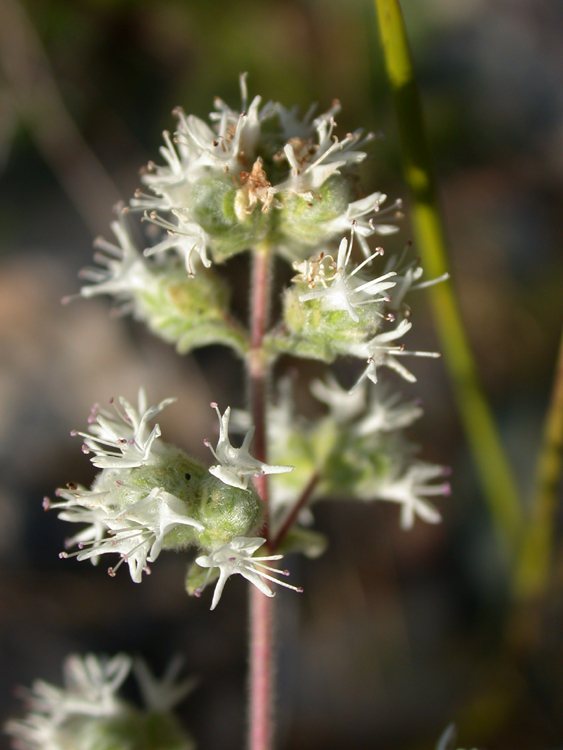
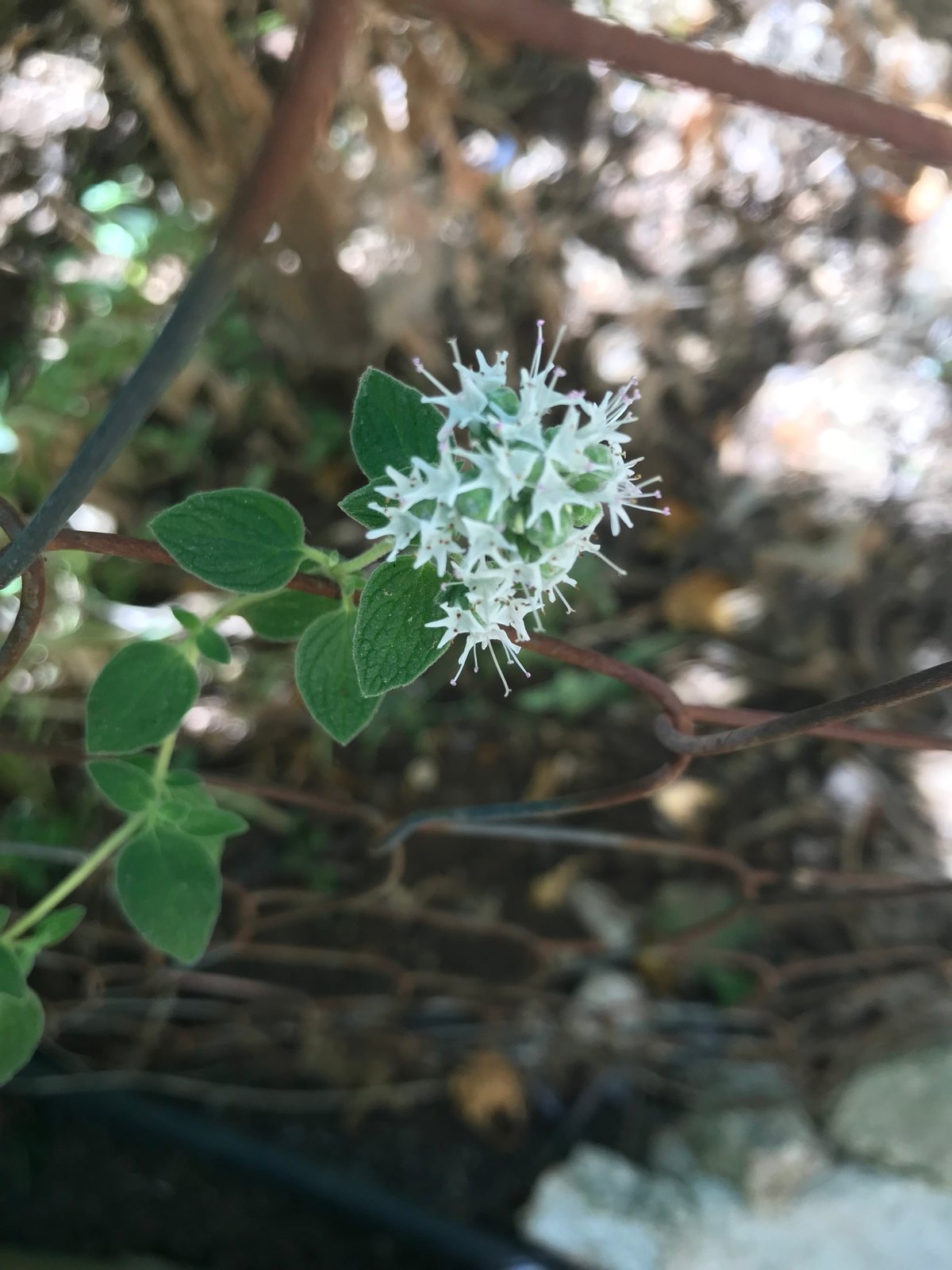
- Small white to creamy-white flowers in clustered heads during summer.
- Foliage
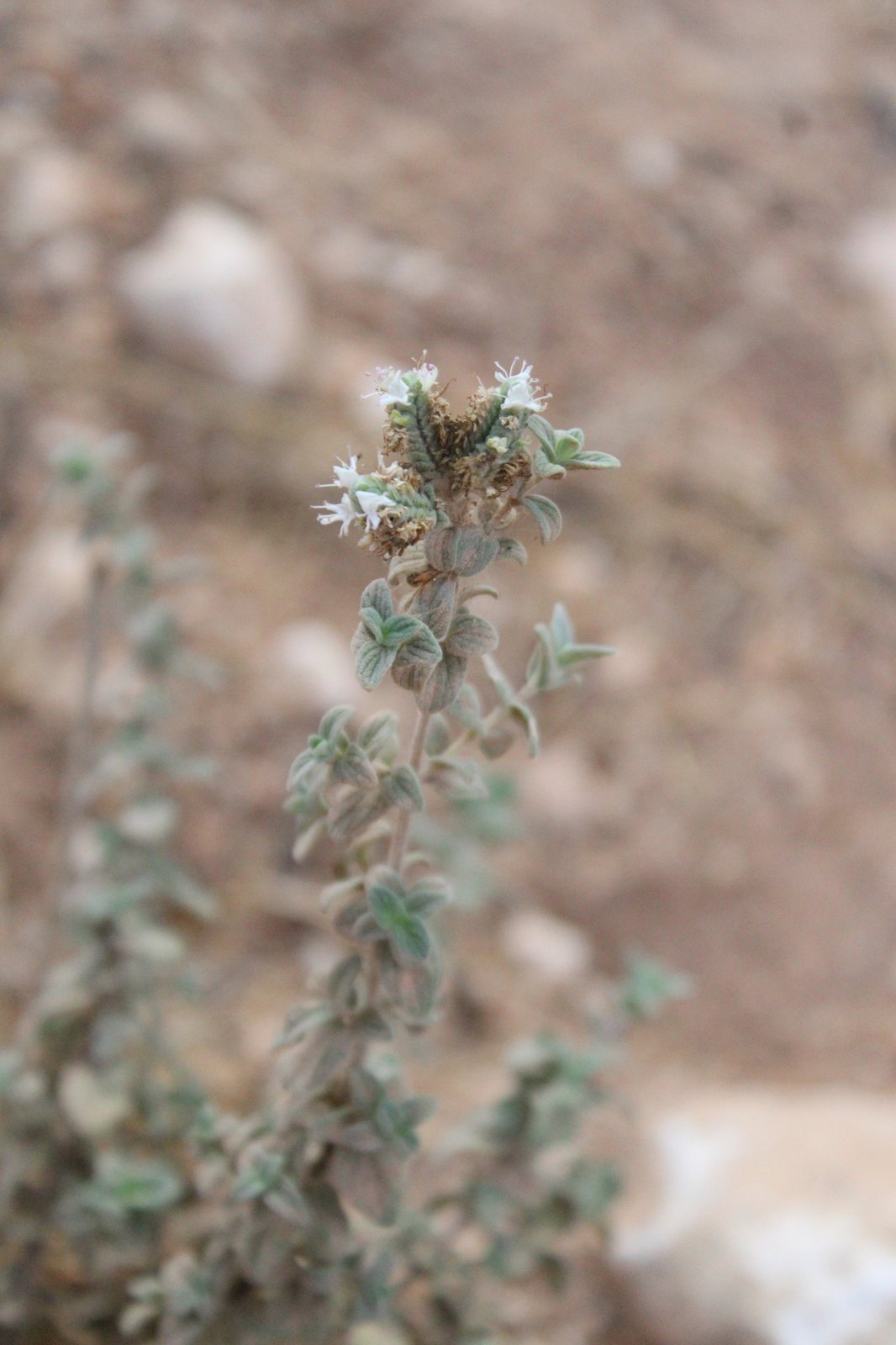
- Opposite, softly hairy, oval grey-green leaves with a pungent oregano-like scent. Evergreen in mild climates, but may lose leaves in cold weather.
- Growth
- Moderate
- Care needed
- Low
The year at a glance
- Pollinators
- Deer resistant
- Drought tolerant
- Heat tolerant
- Low allergen
- Fragrant
- Edible
| J | F | M | A | M | J | J | A | S | O | N | D | |
|---|---|---|---|---|---|---|---|---|---|---|---|---|
| Flowers | ||||||||||||
| Fruit | ||||||||||||
| Plant |
Northern hemisphere months. In Australia, shift them by six.
- Difficulty
- Moderate
- Toughness
- Fairly tough
Will it suit your garden?
Pick your zone, country, light and whether you have pets.
Full sun is 6 or more hours of direct sun a day, part shade 3 to 6 hours, shade under 3.
How it grows
Planting day
1 ft (0.3 m)
After 1 year
1.5 ft (0.45 m)
After 2 years
2 ft (0.6 m)
After 3 years
2.5 ft (0.75 m)
full size
About 3 years to full size.
From a typical nursery size, at an average rate for this kind of plant. A rule of thumb, not a forecast.
Good to know
- Cats and dogs
- Toxic
- Growth rate
- Moderate
Care
Jobs through the year
- WaterApr–May, Sep–Oct, every 14 days
- Water established plants only after soil dries; check young plants and containers more frequently.
- WaterJun–Aug, every 10 days
- Water deeply when dry, allowing soil to dry between waterings and skipping after rain.
- WaterJan–Mar, Nov–Dec, every 28 days
- Check sheltered pots and water sparingly only when the mix is dry.
- FeedApr
- Give container plants one light spring feed; avoid rich feeding.
- MulchMay
- Use thin gravel mulch rather than damp organic material against the crown.
- PruneApr–May
- Once fresh growth appears, remove dead stems and shorten leafy shoots without cutting into bare wood.
- PruneAug–Sep
- Lightly trim spent flowers and straggly leafy growth after flowering.
- HarvestMay–Sep, every 14 days
- Pick leafy tips lightly; cut drying stems just before flowering and avoid heavy late harvests.
- ProtectSep–Oct
- Not reliably hardy here; move pots into bright, cool, frost-free shelter before frost.
- ProtectMay
- Return sheltered pots outdoors gradually after hard frosts have passed.
- Plant after hard frosts have passed, keeping the crown level with the soil surface.
- Water young plants deeply, then allow the surface soil to dry before watering again.
- Use a pot with drainage holes and a gritty potting mix where winters are wet.
- Feed sparingly; one light spring feed is enough for container plants.
- Keep damp organic mulch away from the crown; use a thin gravel mulch instead.
- Move pots to a bright, cool, frost-free place where winter cold exceeds its tolerance.
Pruning. In spring, once new growth shows, remove dead stems and shorten leafy shoots to keep the plant compact. Lightly trim after flowering, but avoid cutting hard into bare old wood.
Harvest
Pick leafy shoot tips once the plant is established and producing vigorous growth, from late spring through summer. For drying, cut stems just before flowering, when the leaves are fully developed and aromatic, and dry them in a shaded, airy place. Leave plenty of leafy growth and avoid heavy harvesting before winter.
Through the year
- Early spring
- Check overwintered plants for rot and remove dead stems once fresh growth appears.
- Spring
- Plant out after hard frosts, or repot container plants into a sharply drained mix.
- Late spring
- Pinch leafy tips for cooking and take softwood cuttings from healthy, non-flowering shoots.
- Summer
- Harvest stems for drying just before flowering, leaving some flowers for pollinators.
- Late summer
- Lightly trim spent flowers and straggly leafy shoots.
- Autumn
- Reduce watering and move vulnerable container plants into bright, frost-free shelter.
In the garden
- Plant beside thyme and sage in a sunny herb bed, keeping it where the leaves are easy to reach.
- Use in gravel gardens for soft grey-green foliage among stones and other drought-tolerant plants.
- Grow in terracotta pots on a sunny patio, where brushing the leaves releases their scent.
- Repeat small groups near the front of a Mediterranean border for foliage contrast and summer pollinator flowers.
Garden styles it suits: Mediterranean, Dry gravel garden, Potager (kitchen garden), Herb parterre, Edible landscape and Sensory garden.
Plant it with: Common thyme, Common sage, Rosemary, Lavender, Winter savory and Santolina.
Wildlife: The flowers provide nectar for bees and other pollinating insects. Leave part of the plant unharvested to allow it to flower.
Problems to watch for
- Root and crown rot in wet soil: improve drainage, keep the crown clear and avoid watering while the soil is still moist.
- Winter dieback from cold combined with damp: use a sheltered, freely drained site or overwinter pots under cover.
- Aphids on soft shoots: wash off small colonies with water or remove badly affected tips.
- Leggy, weak growth in shade or rich soil: move to full sun, reduce feeding and trim lightly while stems are still leafy.
Safety
The leaves are edible for people in normal culinary quantities. Oregano is considered toxic to cats, dogs and horses, mainly causing digestive upset if eaten; species-specific information for Syrian oregano is limited, so keep pets from grazing it. Concentrated essential oil is much more hazardous than culinary leaves and should not be swallowed or applied to pets.
Easily confused with
Common oregano (Origanum vulgare)
Usually has greener, less densely hairy leaves and pink-purple flowers, although white-flowered forms occur. Syrian oregano is generally greyer, more softly hairy and more woody at the base.
Sweet marjoram (Origanum majorana)
Usually forms a smaller, softer mound with small rounded leaves and compact, knot-like flower heads; its scent is sweeter and less pungent.
Hyssop (Hyssopus officinalis)
Has narrow, nearly linear leaves and usually blue-purple flowers arranged along upright spikes, unlike Syrian oregano's broad, softly hairy leaves and pale clustered flowers.
The name
The species name syriacum means 'Syrian', while za'atar is an Arabic name used for several aromatic herbs and the seasoning blends made with them.
Propagation. Sow seed in warmth in spring, barely covering it, and keep lightly moist until germination. Take softwood or semi-ripe cuttings from non-flowering shoots in late spring or summer; cuttings preserve the parent plant's flavour more reliably than seed.
Checked against open data
- Accepted botanical name
- Origanum syriacum
- Native range
- Cyprus, Lebanon-Syria, Palestine, Saudi Arabia, Sinai and Turkey.
Sources: GBIF (CC BY 4.0) and Trefle (CC BY 4.0). The care and design notes are LandscapeGPT's own.
See it in your own yard.
Upload a photo of your yard and see it redesigned with plants that suit your climate, each checked against your zone.