Alder-leaf mountain mahogany
Cercocarpus montanus. Family Rosaceae. Shrub.
Also called Alderleaf mountain-mahogany, True mountain mahogany, Mountain mahogany.
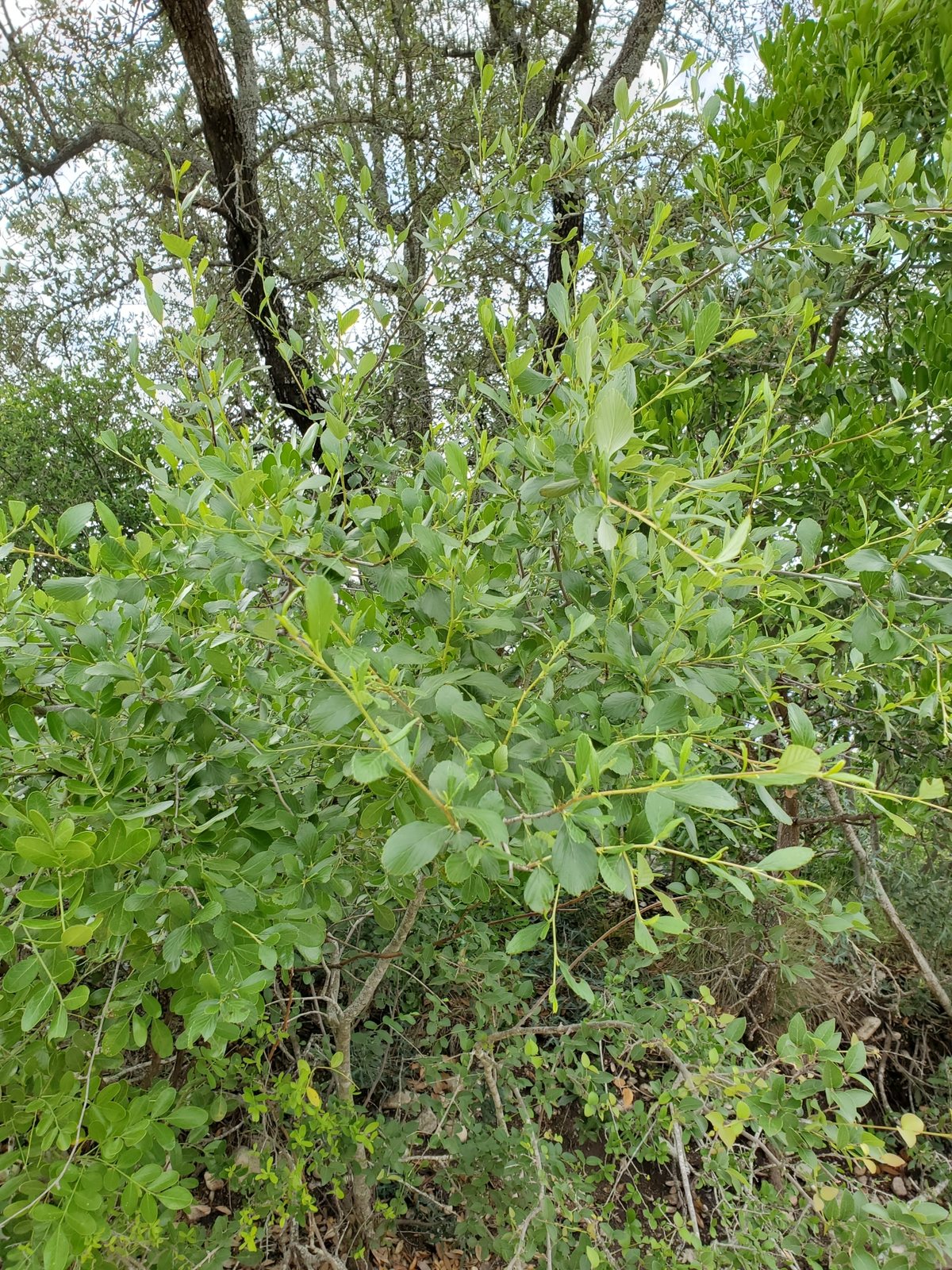
Alder-leaf mountain mahogany is a tough, deciduous shrub native to dry slopes and foothills of western and central North America. Gardeners grow it for its small, textured leaves, open branching and feathery seed tails, especially in dry, naturalistic gardens.
At a glance
- Sun
- Full sun; tolerates light shade but becomes more open and flowers less.
- Water
- Low once established. Water regularly during establishment, then occasionally during prolonged drought.
- Soil
- Well-drained sandy, gravelly or rocky soil, including alkaline soils. Tolerates lean ground but dislikes waterlogged soil.
- Height
- 5-12 ft (1.5-3.7 m), occasionally taller
- Spread
- 4-8 ft (1.2-2.4 m)
- Flowers
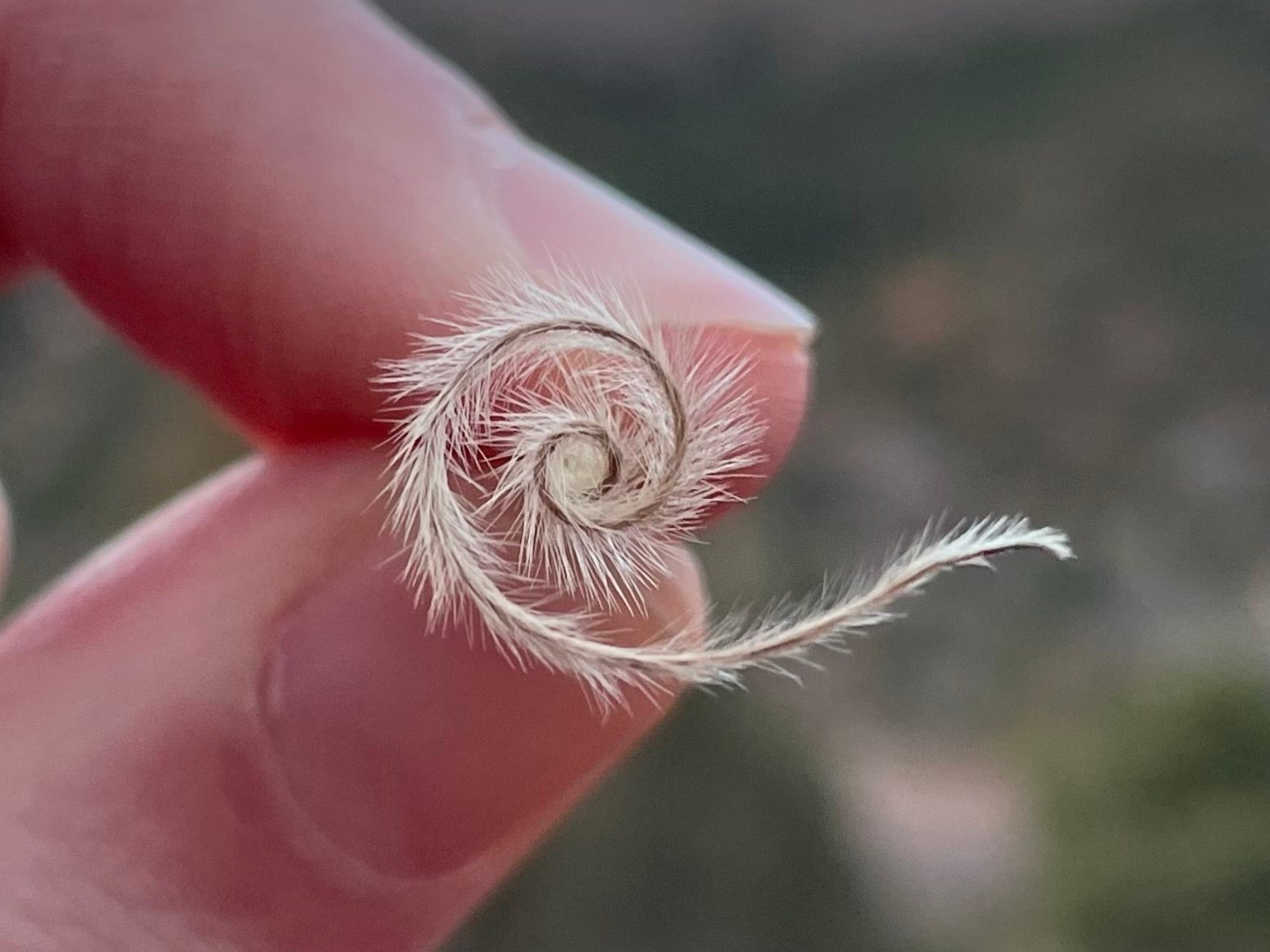
- Spring; small, inconspicuous cream to yellowish flowers without showy petals, followed by long, twisting, feathery seed tails.
- Foliage
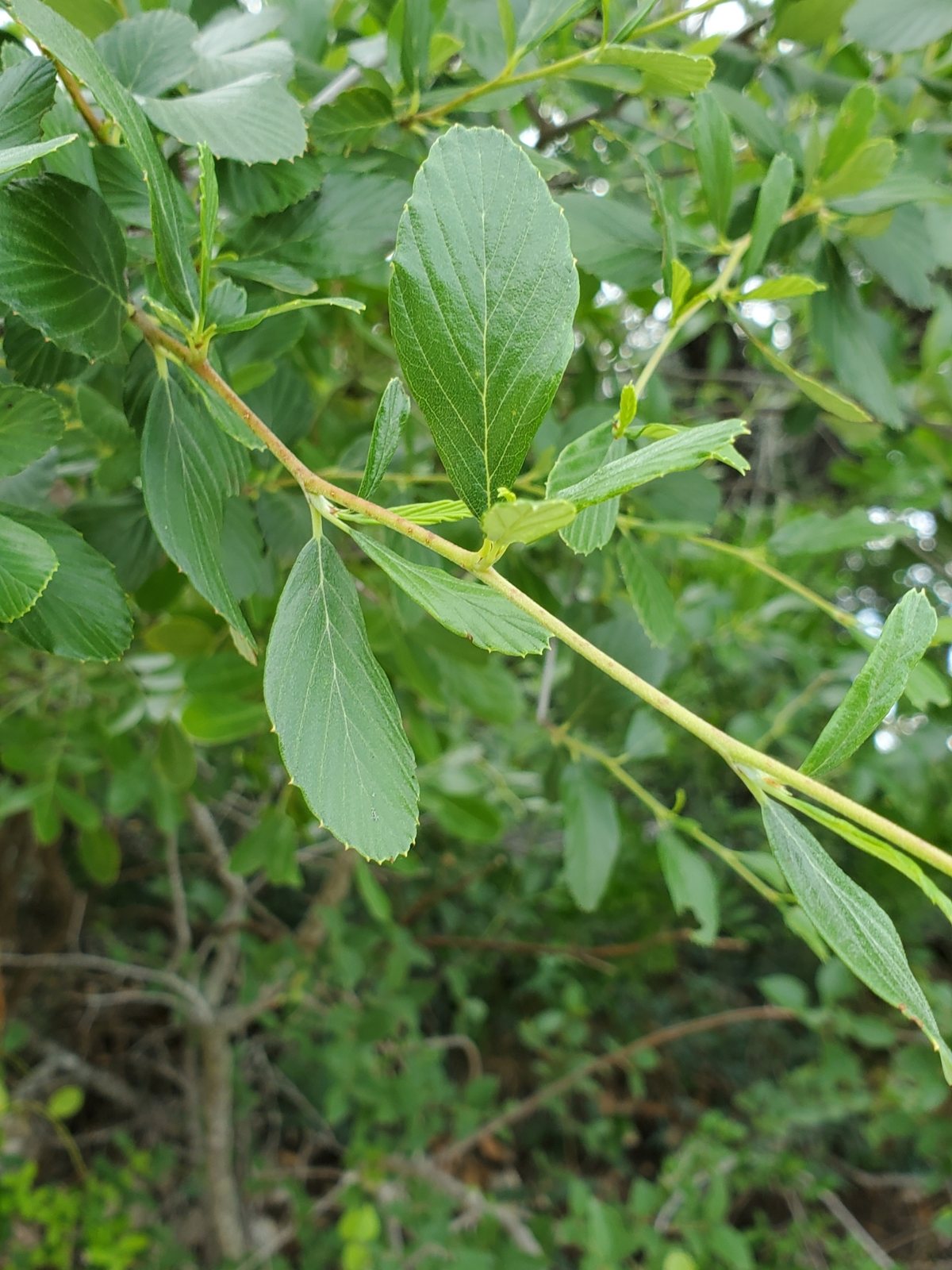
- Small, leathery, wedge-shaped to oval green leaves, toothed mainly toward the tips and paler or hairy beneath. Usually deciduous; some leaves may persist in mild climates.
- Growth
- Slow to moderate
- Care needed
- Low
The year at a glance
- Drought tolerant
- Cold hardy
- Heat tolerant
- Wildlife
| J | F | M | A | M | J | J | A | S | O | N | D | |
|---|---|---|---|---|---|---|---|---|---|---|---|---|
| Flowers | ||||||||||||
| Fruit | ||||||||||||
| Plant |
Northern hemisphere months. In Australia, shift them by six.
- Difficulty
- Easy
- Toughness
- Very tough
Will it suit your garden?
Pick your zone, country, light and whether you have pets.
Full sun is 6 or more hours of direct sun a day, part shade 3 to 6 hours, shade under 3.
How it grows
Planting day
1.6 ft (0.5 m)
After 1 year
2.7 ft (0.82 m)
After 2 years
4 ft (1.1 m)
After 3 years
5 ft (1.5 m)
After 5 years
7 ft (2.1 m)
About 7 years to full size.
From a typical nursery size, at an average rate for this kind of plant. A rule of thumb, not a forecast.
Good to know
- Cats and dogs
- Safe
- Native to
- the US
- Growth rate
- Slow
Care
Jobs through the year
- WaterApr–May, Sep, every 28 days
- Check established shrubs; water only during extended drought, with more regular watering in the first year.
- WaterJun–Aug, every 21 days
- Water established shrubs deeply only if prolonged drought has dried the root zone; let soil dry between waterings.
- PruneFeb–Mar
- Remove dead, damaged or crossing branches and lightly shape without shearing.
- MulchApr
- Apply or refresh a thin gravel mulch, keeping it away from stems.
- ProtectMar, Oct
- Fit and inspect a sturdy cage around young shrubs where deer browsing is likely.
- Plant in a sunny position with excellent drainage; avoid low spots that stay wet.
- Water deeply through the first growing season, allowing the soil to begin drying between waterings.
- Once established, water only during extended dry spells rather than on a lawn-watering schedule.
- Do not routinely fertilize; rich soil and heavy feeding are unnecessary.
- Apply a thin gravel mulch, keeping it clear of the stems.
Pruning. In late winter or early spring, remove dead, damaged or crossing branches and selectively shorten awkward growth. Avoid shearing; its natural branching and seed heads are part of its appeal.
Through the year
- Late winter
- Remove dead or damaged wood and make any light shaping cuts.
- Spring
- Plant container-grown shrubs when the soil is workable, and water thoroughly.
- Late spring
- Check new growth for aphids; wash off small colonies with water if needed.
- Summer
- Check soil moisture around young plants and water deeply when it begins to dry.
- Late summer
- Leave feathery seed heads for display, or collect ripe seed before it blows away.
- Autumn
- Sow fresh seed outdoors in a protected seed pot and check that winter drainage is clear.
In the garden
- Use on a sunny, dry slope with native grasses to create an informal planting that needs little irrigation.
- Place against dark rocks or evergreen foliage so the pale, feathery seed tails stand out.
- Combine with penstemons, yuccas and low grasses in a gravel garden.
- Plant in a loose group along a sunny boundary for light screening and wildlife cover.
Garden styles it suits: Desert / xeriscape, Dry gravel garden, Southwestern, Mountain lodge, Wildlife garden and Low-maintenance.
Plant it with: Little bluestem, Blue grama, Prairie dropseed, Rocky Mountain penstemon, Rubber rabbitbrush and Narrowleaf yucca.
Wildlife: Provides browse for deer and other wild herbivores, along with cover for small birds. It is wind-pollinated rather than a significant nectar plant.
Problems to watch for
- Root decline in wet soil: improve drainage or move the plant to a raised, freely draining position; reduce irrigation.
- Poor establishment after transplanting: use a small container-grown plant, disturb roots as little as possible and water consistently during its first season.
- Aphids on tender shoots: tolerate light infestations or dislodge them with a firm spray of water.
- Deer browsing: protect young shrubs with a sturdy cage where deer are frequent visitors.
Safety
Not known to be toxic to people, cats, dogs or horses. It is browsed by wild herbivores, but specific pet-toxicity information is limited; do not treat any part as human food.
Easily confused with
Curl-leaf mountain mahogany (Cercocarpus ledifolius)
Has narrow evergreen leaves with strongly rolled-under edges and generally no teeth; alder-leaf mountain mahogany has broader leaves with teeth toward the tips.
Birch-leaf mountain mahogany (Cercocarpus betuloides)
Usually has larger, more persistently evergreen leaves with more extensive marginal teeth. The two are closely related, and some botanical treatments place birch-leaf mountain mahogany within Cercocarpus montanus.
Antelope bitterbrush (Purshia tridentata)
Has small leaves usually ending in three distinct lobes and more noticeable pale yellow flowers; its fruits lack the long, conspicuous feathery tails of mountain mahogany.
The name
Cercocarpus means 'tailed fruit', montanus means 'of the mountains', and the common names refer to its alder-like leaves and hard, reddish-brown wood.
Propagation. Usually grown from seed. Sow ripe seed outdoors in autumn so it receives natural winter chilling; germination can be uneven. Cuttings are less reliable and are generally better left to experienced propagators.
Checked against open data
- Accepted botanical name
- Cercocarpus montanus
- In the US and Canada
- Native in the lower 48 states.
- Native range
- Arizona, Colorado, Idaho, Mexico Northeast, Mexico Northwest, Nebraska, Nevada, New Mexico, Oklahoma, South Dakota, Texas and Utah.
- Measured
- Average height 265 cm.
Sources: GBIF (CC BY 4.0), USDA PLANTS and Trefle (CC BY 4.0). The care and design notes are LandscapeGPT's own.
See it in your own yard.
Upload a photo of your yard and see it redesigned with plants that suit your climate, each checked against your zone.