Algerian ivy
Hedera algeriensis. Family Araliaceae. Climber.
Also called North African ivy.
Algerian ivy is a vigorous evergreen climber with large, glossy leaves, grown to cover walls, fences and shaded ground in mild climates. It clings with aerial roots and needs regular trimming to stay within bounds; avoid planting it where it can escape into woodland or bushland.
At a glance
- Sun
- Partial shade to full shade; tolerates sun in mild coastal climates if the soil stays moist.
- Water
- Water regularly while establishing. Established plants tolerate some dry shade, but need occasional deep watering during prolonged drought.
- Soil
- Well-drained soil, including clay improved to prevent waterlogging; tolerates a broad range of soil pH.
- Height
- 20-40 ft (6-12 m) when climbing; 1-2 ft (0.3-0.6 m) as groundcover
- Spread
- 10-20 ft (3-6 m), eventually wider where trailing stems root
- Flowers
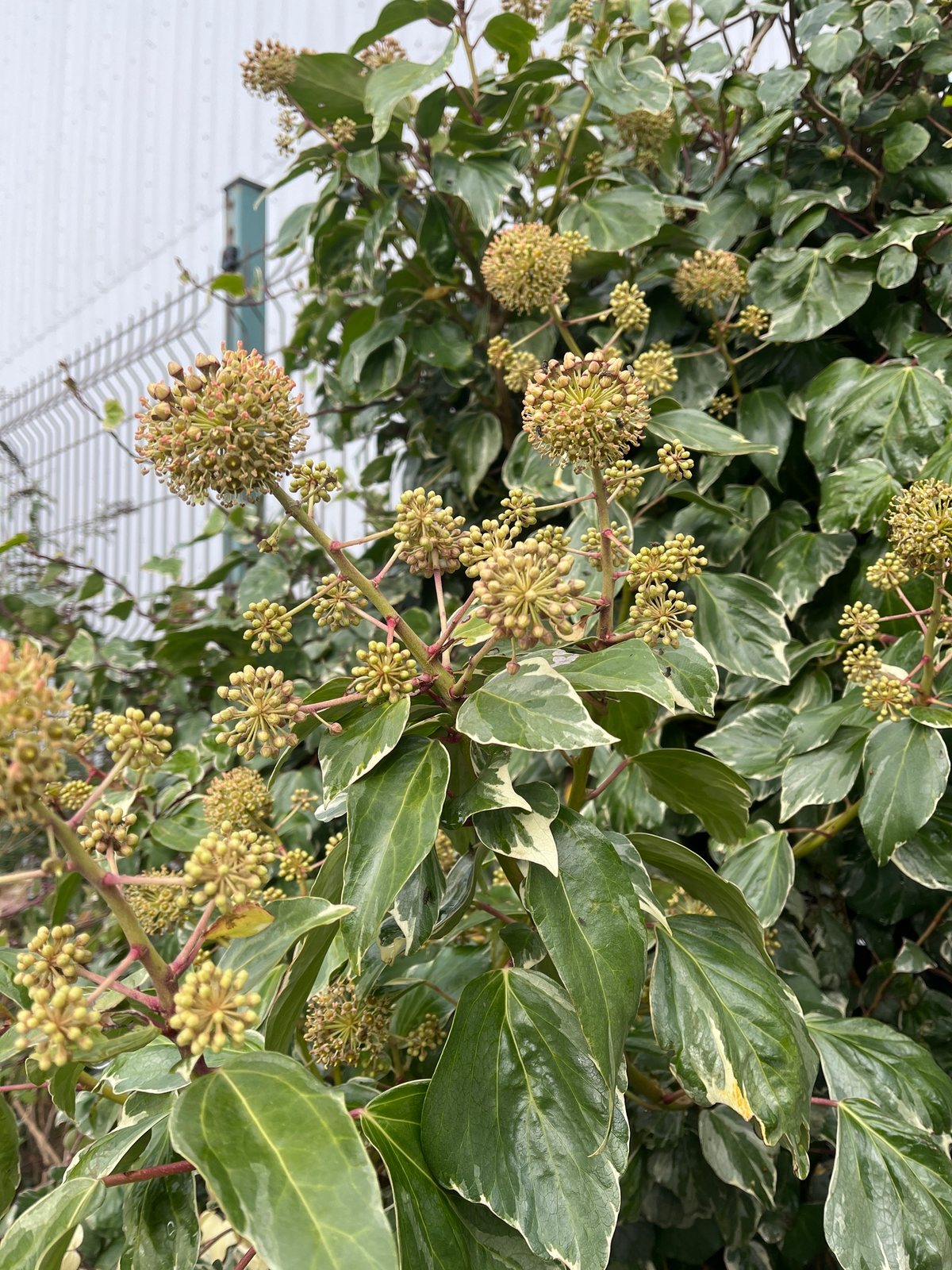
- Small greenish-yellow flowers in rounded clusters in autumn, usually only on mature climbing growth.
- Foliage
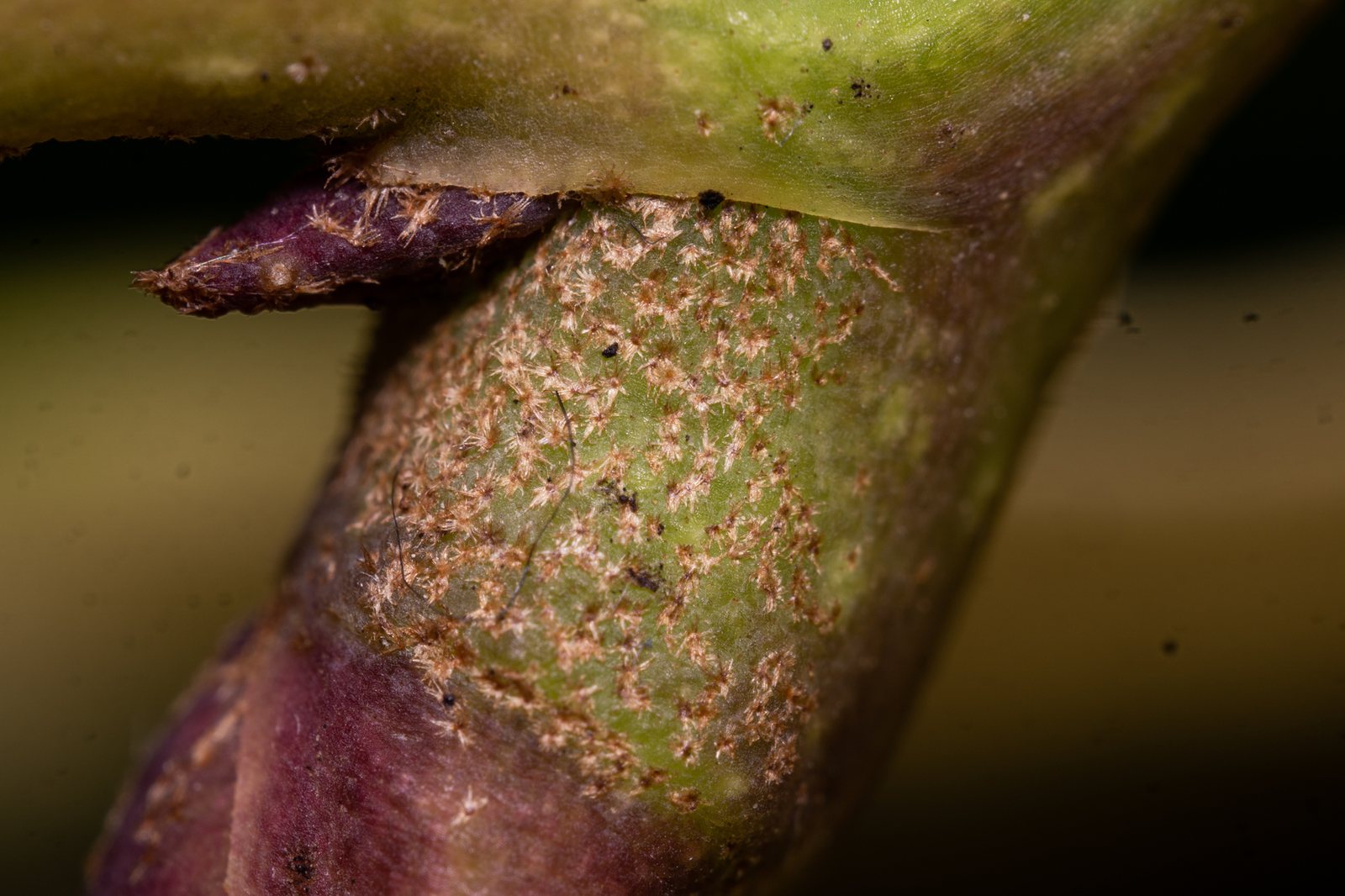
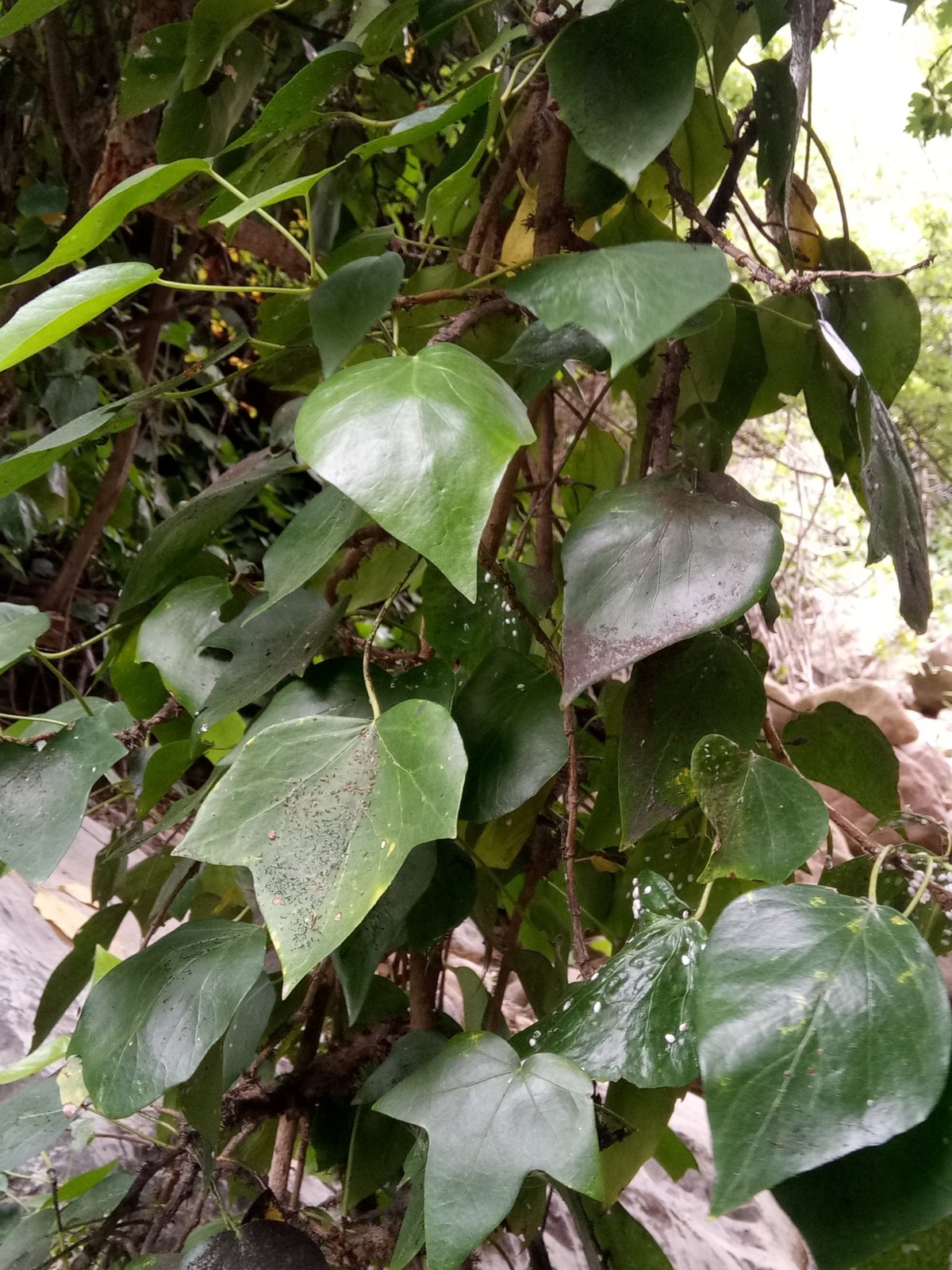
- Evergreen. Large, leathery, glossy green leaves, often with reddish stalks. Juvenile leaves usually have three to five broad lobes; mature flowering shoots carry unlobed leaves.
- Growth
- Fast once established
- Care needed
- High
The year at a glance
- Pollinators
- Deer resistant
- Drought tolerant
- Heat tolerant
- Wildlife
- Low allergen
| J | F | M | A | M | J | J | A | S | O | N | D | |
|---|---|---|---|---|---|---|---|---|---|---|---|---|
| Flowers | ||||||||||||
| Fruit | ||||||||||||
| Plant |
Northern hemisphere months. In Australia, shift them by six.
- Difficulty
- Hard
- Toughness
- Needs looking after
Will it suit your garden?
Pick your zone, country, light and whether you have pets.
Full sun is 6 or more hours of direct sun a day, part shade 3 to 6 hours, shade under 3.
How it grows
Planting day
2 ft (0.6 m)
After 1 year
3 ft (1.1 m)
After 2 years
5 ft (1.5 m)
After 3 years
6 ft (1.8 m)
full size
About 3 years to full size.
From a typical nursery size, at an average rate for this kind of plant. A rule of thumb, not a forecast.
Good to know
- Cats and dogs
- Toxic
- Invasive in
- the US and Australia
- In the garden
- Spreads vigorously: plan to contain it.
- Growth rate
- Fast
Care
Jobs through the year
- WaterApr–May, Sep–Oct, every 14 days
- Water established plants only if soil is dry; young plants need more frequent watering.
- WaterJun–Aug, every 14 days
- Water deeply during prolonged drought, allowing the surface to dry between waterings.
- MulchApr–May
- Apply a thin organic mulch, keeping it clear of main stems.
- FeedApr
- Feed lightly only if growth is weak; avoid encouraging excessive spread.
- PruneApr–May
- After severe frost has passed, remove damaged growth and cut back to the allotted space.
- PruneMay–Oct, every 21 days
- Remove escaping rooted runners and keep stems away from trees, gutters and damaged masonry.
- PruneSep–Nov
- Remove flowering and fruiting shoots before seed spreads; do not plant where invasive or restricted.
- ProtectJan–Mar, Oct–Dec
- Not reliably hardy in zones 6–7; grow in a movable container and overwinter frost-free, or choose a hardier plant.
- Check local invasive-plant guidance before planting; choose a non-invasive alternative near natural areas.
- Water deeply during the first growing season, allowing the surface soil to dry slightly between waterings.
- Apply a thin layer of organic mulch, keeping it clear of the main stems.
- Feed lightly in spring only if growth is weak; rich feeding encourages excessive spread.
- Keep stems away from trees, gutters, roof tiles and damaged mortar, and remove runners that root beyond the planting area.
Pruning. Trim in spring after severe frost has passed, then shorten escaping shoots through the growing season. Cut unwanted stems at their base and let attached growth die before carefully removing it from walls.
Through the year
- Spring
- Plant after severe frost risk has passed, and water thoroughly.
- Spring
- Remove frost-damaged growth and cut established plants back to their allotted space.
- Summer
- Trim runners and inspect nearby soil for newly rooted stems.
- Summer
- Check dry, sheltered foliage for spider mites and water during prolonged drought.
- Autumn
- Remove flowering or fruiting shoots where seed spread is a concern.
- Winter
- Check that growth is clear of gutters and that containers drain freely.
In the garden
- Covering sound masonry walls in enclosed, mild-climate courtyards.
- Softening substantial fences with a broad-leaved evergreen screen.
- Trailing from large containers where escaping stems can be monitored.
- Providing a dark foliage backdrop to ferns and shade-tolerant flowering perennials.
Garden styles it suits: Mediterranean, Modern courtyard, Urban city garden, Traditional, Green on green and Winter interest.
Plant it with: Cast iron plant, Clivia, Lenten rose, Japanese aralia and Soft shield fern.
Wildlife: Mature flowers provide late-season nectar and pollen, and birds eat the dark berries and disperse the seeds. Dense growth offers shelter, but escaped ivy can displace native vegetation.
Problems to watch for
- Spider mites cause stippled leaves and fine webbing in hot, dry conditions; rinse leaf undersides and use insecticidal soap if necessary.
- Scale insects cause sticky deposits and weakened growth; remove small infestations by hand or apply a labelled horticultural oil.
- Leaf spots develop in damp, crowded foliage; remove affected leaves, improve airflow and avoid overhead watering.
- Waterlogged soil causes root rot and dieback; improve drainage and let the soil surface dry between waterings.
Safety
Toxic to people, cats, dogs and horses if eaten. Leaves and berries contain irritating compounds, with foliage generally the greater concern; ingestion can cause mouth irritation, vomiting, abdominal pain and diarrhoea. Sap may cause contact dermatitis. Seek medical or veterinary advice after ingestion.
Where it spreads. Spreads aggressively by rooting stems and bird-carried seed in mild climates. It is invasive in coastal California and parts of southern and eastern Australia. Records and regulations sometimes use Hedera canariensis for plants sold as Algerian ivy, so check both names with your local authority.
Easily confused with
English ivy (Hedera helix)
Usually has smaller leaves with more distinctly pointed lobes. Algerian ivy generally has larger, broader, leathery leaves and conspicuously reddish leaf stalks, though cultivated forms vary.
Boston ivy (Parthenocissus tricuspidata)
Loses its leaves in winter, often turns red in autumn, and climbs with adhesive-tipped tendrils rather than ivy's short aerial roots.
The name
Hedera is the Latin name for ivy, and algeriensis means 'from Algeria'.
Propagation. Root non-flowering stem cuttings in spring or summer, or detach rooted layers. Propagate only where planting is appropriate, and dispose of unwanted stems so they cannot root.
Checked against open data
- Accepted botanical name
- Hedera algeriensis
- Native range
- Algeria and Tunisia.
Sources: GBIF (CC BY 4.0) and Trefle (CC BY 4.0). The care and design notes are LandscapeGPT's own.
See it in your own yard.
Upload a photo of your yard and see it redesigned with plants that suit your climate, each checked against your zone.