American beech
Fagus grandifolia. Family Fagaceae. Tree.
Also called North American beech.
American beech is a large, long-lived deciduous tree native to eastern North America, grown for its smooth grey bark, broad crown and golden-bronze autumn leaves. Give it a permanent position in a large garden: its dense shade and shallow roots make gardening beneath it difficult, and it dislikes root disturbance.
At a glance
- Sun
- Full sun to partial shade; young trees tolerate deep shade.
- Water
- Moderate; keep the root zone consistently moist but not waterlogged. Prolonged drought and hot, dry winds cause stress.
- Soil
- Deep, fertile, well-drained soil, preferably acidic to neutral. Avoid compacted ground, waterlogged sites and shallow, drought-prone soil.
- Height
- 50-80 ft (15-24 m)
- Spread
- 40-80 ft (12-24 m)
- Flowers
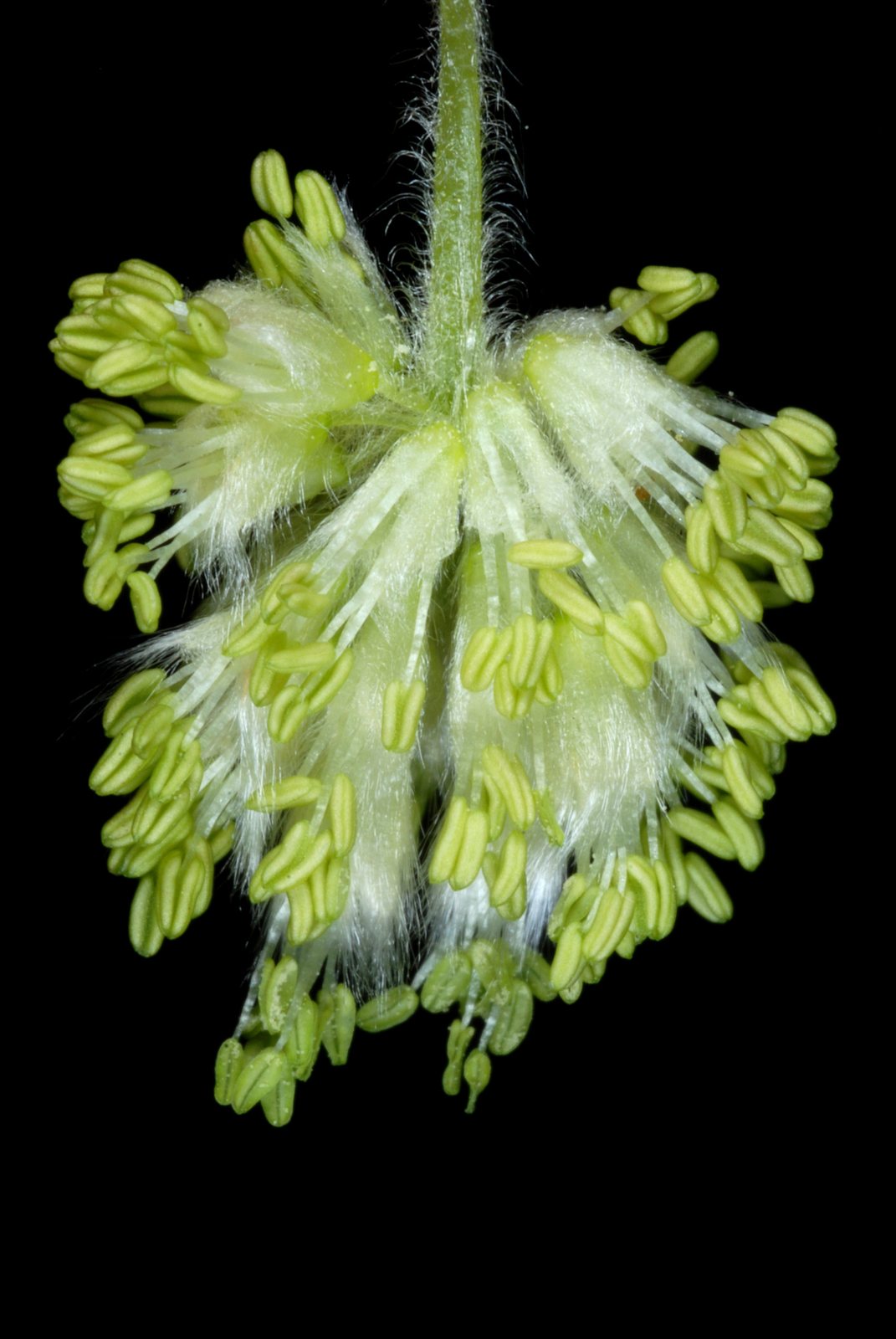
- Small, inconspicuous yellow-green flowers in spring as the leaves unfold.
- Foliage
- Oval green leaves with straight, parallel side veins and sharply toothed edges turn golden yellow to bronze in autumn. Young trees and lower branches often retain dry, pale brown leaves through winter.
- Growth
- Slow to moderate; often slower while establishing.
- Care needed
- Medium
The year at a glance
- Cold hardy
- Wildlife
| J | F | M | A | M | J | J | A | S | O | N | D | |
|---|---|---|---|---|---|---|---|---|---|---|---|---|
| Flowers | ||||||||||||
| Fruit | ||||||||||||
| Plant |
Northern hemisphere months. In Australia, shift them by six.
- Difficulty
- Moderate
- Toughness
- Needs looking after
Will it suit your garden?
Pick your zone, country, light and whether you have pets.
Full sun is 6 or more hours of direct sun a day, part shade 3 to 6 hours, shade under 3.
How it grows
Planting day
8 ft (2.3 m)
After 1 year
10 ft (3 m)
After 2 years
12 ft (3.7 m)
After 3 years
14 ft (4.3 m)
After 5 years
19 ft (5.6 m)
About 26 years to full size.
From a typical nursery size, at an average rate for this kind of plant. A rule of thumb, not a forecast.
Good to know
- Cats and dogs
- Mildly toxic: may upset a stomach
- Native to
- the US and Canada
- Growth rate
- Slow
Care
Jobs through the year
- WaterApr–May, Sep–Oct, every 14 days
- Water established trees deeply when soil dries; young trees need more frequent watering for several seasons.
- WaterJun–Aug, every 7 days
- During dry weather, soak the root zone to maintain moisture without waterlogging.
- MulchMar, Nov
- Maintain 5–8 cm of organic mulch, retaining fallen leaves where practical and keeping the trunk clear.
- PruneFeb
- Prune only small dead, damaged or crossing branches while dormant; use an arborist for substantial work.
- ProtectApr–Jun
- Inspect for dark leaf bands, distorted growth, waxy scale and cankers; seek plant-health advice promptly.
- ProtectJan–Dec
- Keep digging, heavy traffic, paving and changes of soil level away from shallow roots.
- Plant a small, nursery-grown tree in its permanent position; established beeches are difficult to transplant.
- Water deeply during dry spells for the first few growing seasons, and during prolonged drought thereafter.
- Spread 2-3 in (5-8 cm) of organic mulch over the root zone, keeping it clear of the trunk.
- Keep vehicles, paving, digging and changes of soil level away from its shallow roots.
- Do not fertilize routinely; use a soil test if growth is unusually weak.
- Allow plenty of room away from buildings and paths; this tree is poorly suited to small gardens or hot, dry sites.
Pruning. Prune lightly in late winter while dormant, removing dead, damaged or crossing branches and establishing a sound branch structure while young. Avoid topping or removing large limbs; have an arborist assess substantial work.
Through the year
- Autumn
- Plant while the soil is workable and moist, then water thoroughly and mulch.
- Late winter
- Check young trees for competing leaders and damaged branches; make only necessary pruning cuts.
- Spring
- Inspect emerging leaves for dark bands between the veins, distortion or poor bud opening.
- Late spring
- Check the trunk for white, waxy scale insects, cankers or patches of dying bark.
- Summer
- Water during prolonged dry weather and keep the root zone free from digging and heavy traffic.
- Late autumn
- Retain fallen leaves as woodland mulch where practical and replenish mulch without piling it against the trunk.
In the garden
- Use as a specimen shade tree in a large lawn, allowing space for the mature crown.
- Plant in a woodland garden with shade-tolerant ferns and sedges near the outer canopy.
- Include in large eastern North American native plantings for wildlife habitat and seasonal colour.
- Position where its smooth grey trunk and retained winter leaves can be seen from a path or window.
Garden styles it suits: Woodland, Wildlife garden, Grand estate, Traditional, Autumn colour and New England.
Plant it with: Christmas fern, Pennsylvania sedge, Wild ginger, Foamflower, White wood aster and Eastern hemlock.
Wildlife: Beechnuts feed squirrels, chipmunks, deer and many birds, with heavy crops occurring irregularly rather than every year. The foliage supports native moth caterpillars, and old trees provide nesting and shelter sites.
Problems to watch for
- Beech leaf disease: dark bands between leaf veins, thickened leaves and progressive canopy decline occur in parts of eastern North America. Contact your local extension service or plant-health authority promptly; there is no simple, reliably curative homeowner treatment.
- Beech bark disease: scale insects and associated fungi cause cankers and bark death. Have affected trees assessed by an arborist, avoid moving infested firewood and seek advice on scale control before extensive damage develops.
- Beech blight aphids: colonies of white, woolly insects gather on twigs and produce honeydew and sooty mould. Usually tolerate them; a strong water spray can reduce accessible colonies.
- Drought, heat and root damage: scorched leaves, sparse growth and dieback follow dry soil, compaction or excavation. Water deeply, mulch broadly and protect the root zone.
Safety
Not generally regarded as poisonous to cats, dogs or horses. Raw beechnuts eaten in quantity can cause stomach upset in people and animals; discourage pets from gorging on fallen nuts.
Easily confused with
European beech (Fagus sylvatica)
Its leaves usually have wavy or only shallowly toothed margins; American beech has conspicuous sharp teeth, each reached by a straight side vein.
American hornbeam (Carpinus caroliniana)
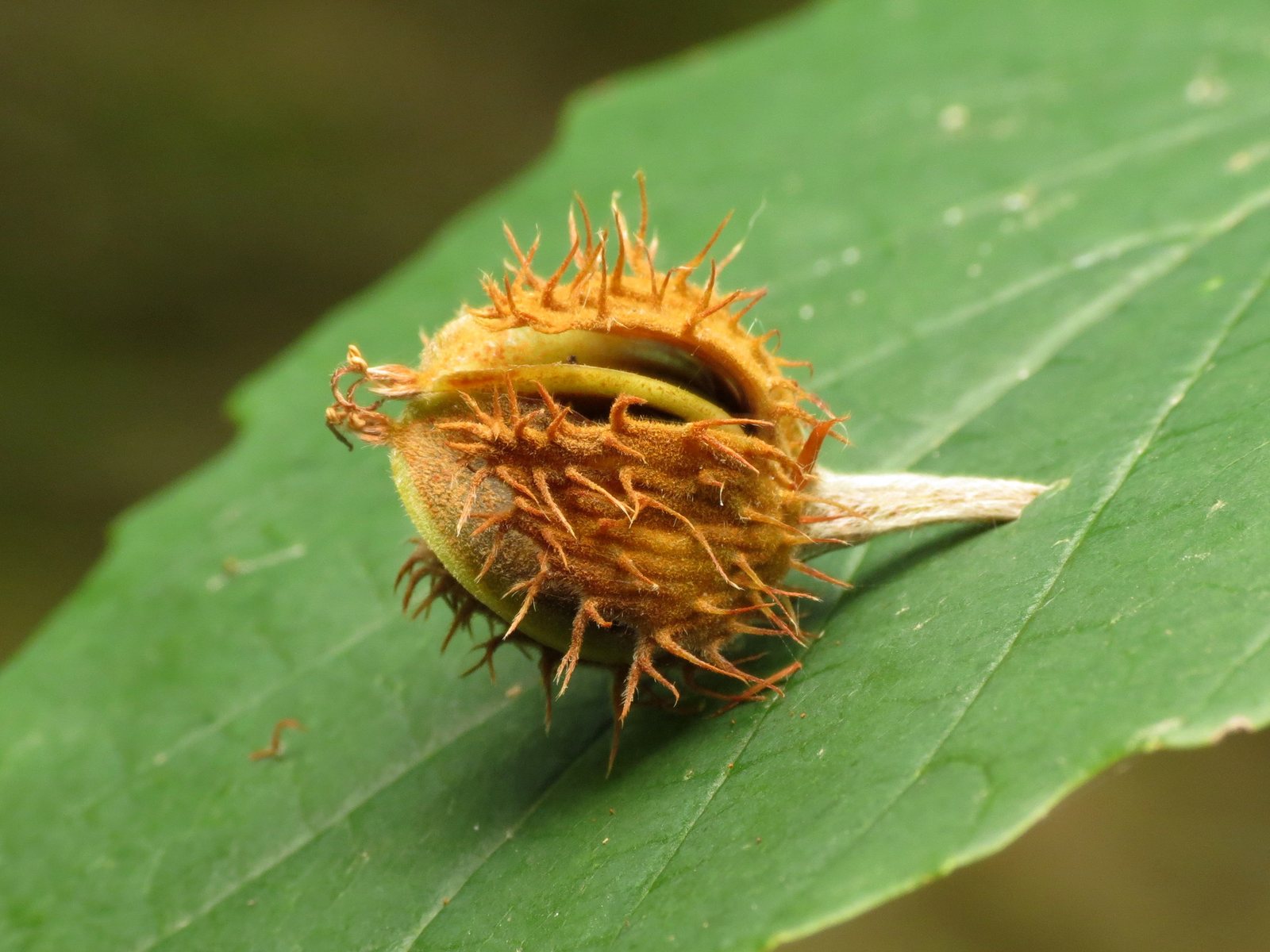
Its grey trunk becomes distinctly fluted and muscular, its leaves are doubly toothed, and its fruit hangs in leafy clusters rather than prickly beechnut husks.
Eastern hophornbeam (Ostrya virginiana)
It develops rough, shredding bark and bears papery, hop-like fruit clusters; American beech retains smooth grey bark and produces prickly nut husks.
The name
Fagus is the Latin name for beech, and grandifolia means large-leaved.
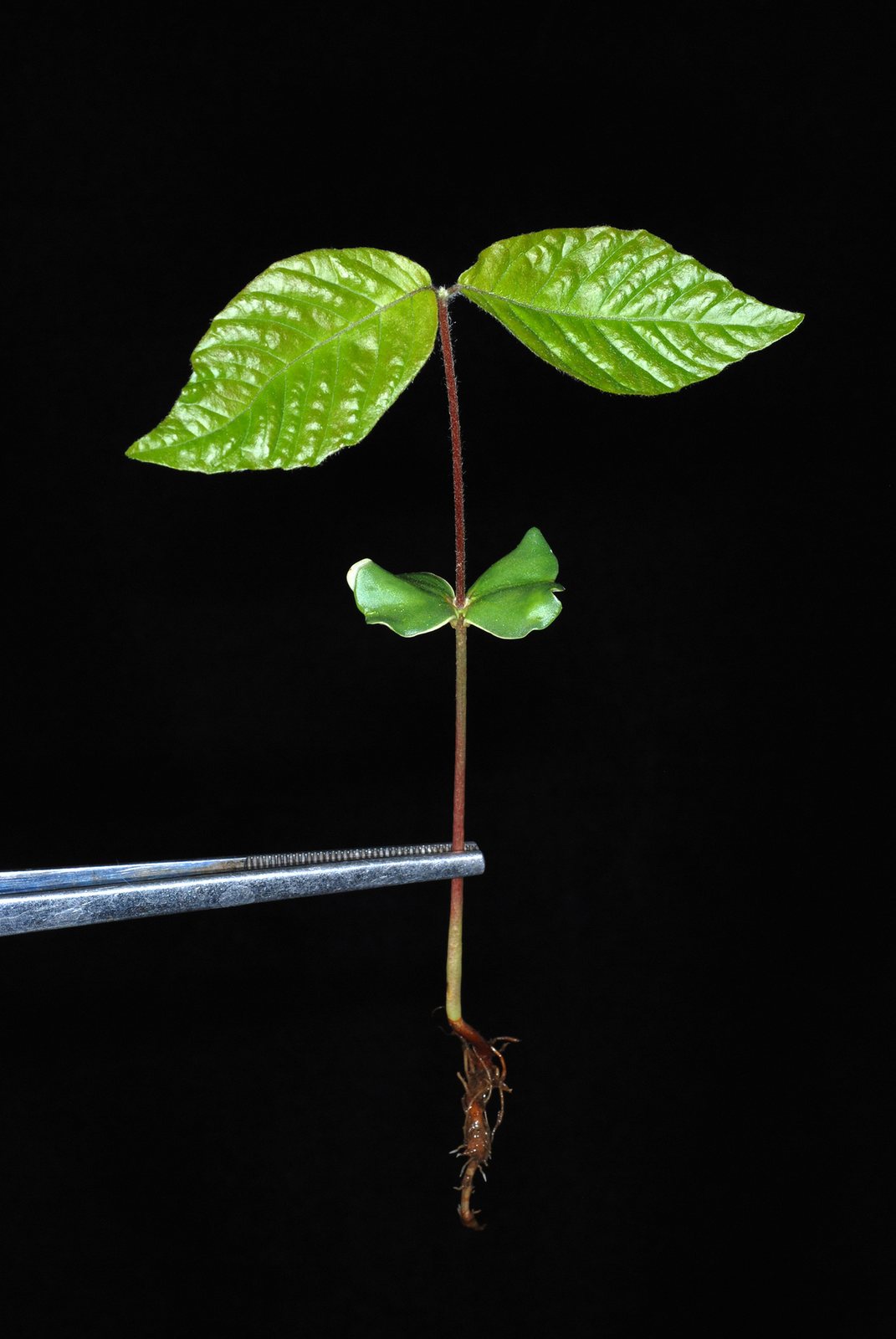
Propagation. Grow from fresh, sound seed given a period of cold, moist stratification; protect sowings from rodents. Root suckers sometimes develop and can form local colonies, but separating them successfully is difficult.
Checked against open data
- Accepted botanical name
- Fagus grandifolia
- In the US and Canada
- Native in Canada and the lower 48 states.
- Native range
- Alabama, Arkansas, Connecticut, Delaware, District of Columbia, Florida, Georgia, Illinois, Indiana, Kentucky, Louisiana and Maine.
- Measured
- Soil pH 4.1 to 7.2. Average height 830 cm.
Sources: GBIF (CC BY 4.0), USDA PLANTS and Trefle (CC BY 4.0). The care and design notes are LandscapeGPT's own.
See it in your own yard.
Upload a photo of your yard and see it redesigned with plants that suit your climate, each checked against your zone.