American hornbeam
Carpinus caroliniana. Family Betulaceae. Tree.
Also called Musclewood, Blue beech, Ironwood.
American hornbeam is a slow-growing deciduous tree native to eastern North America, valued for its smooth, muscle-like grey trunk and yellow, orange or red autumn leaves. Its modest size and tolerance of shade make it useful beneath taller trees and in woodland gardens, especially where the soil stays moist.
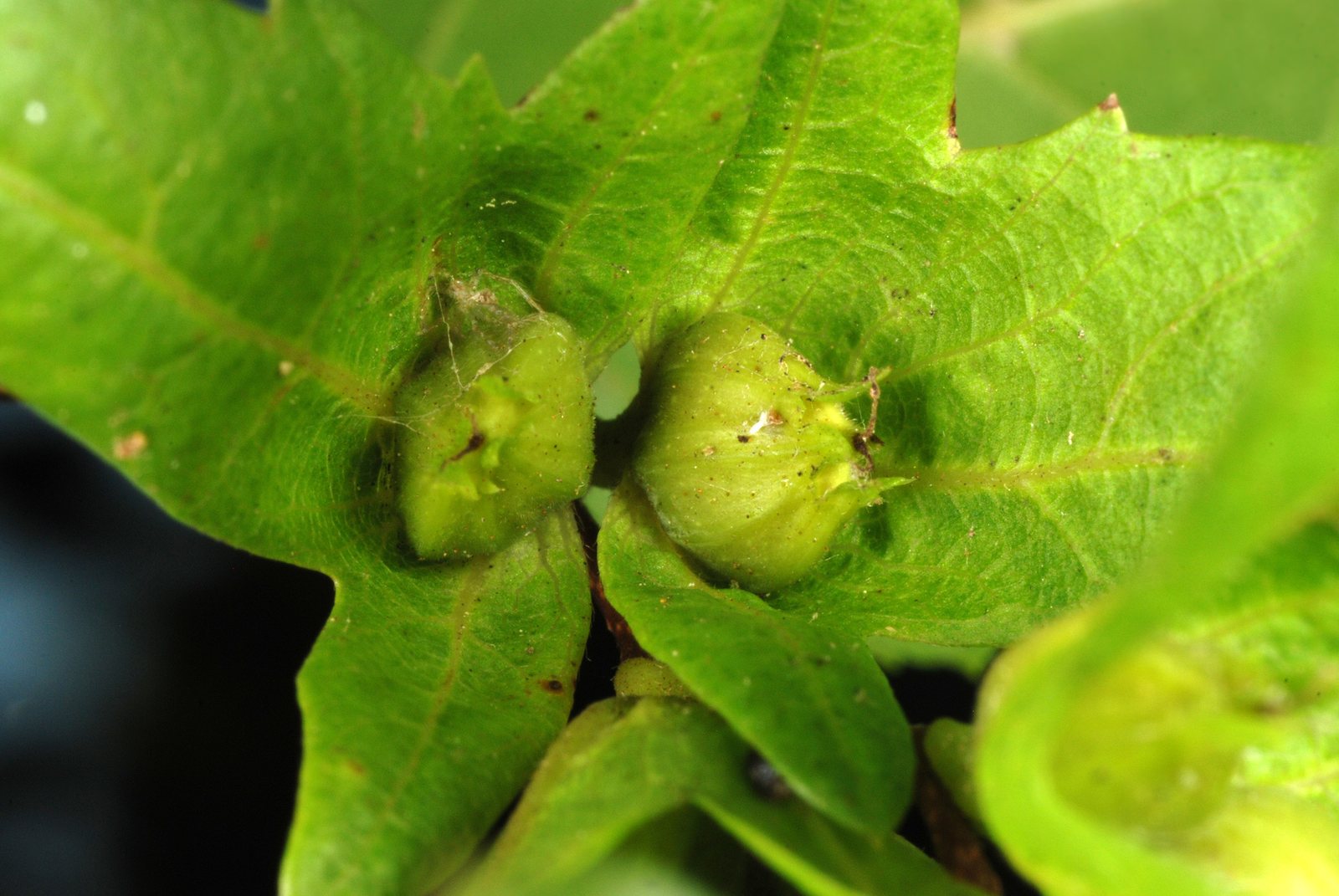
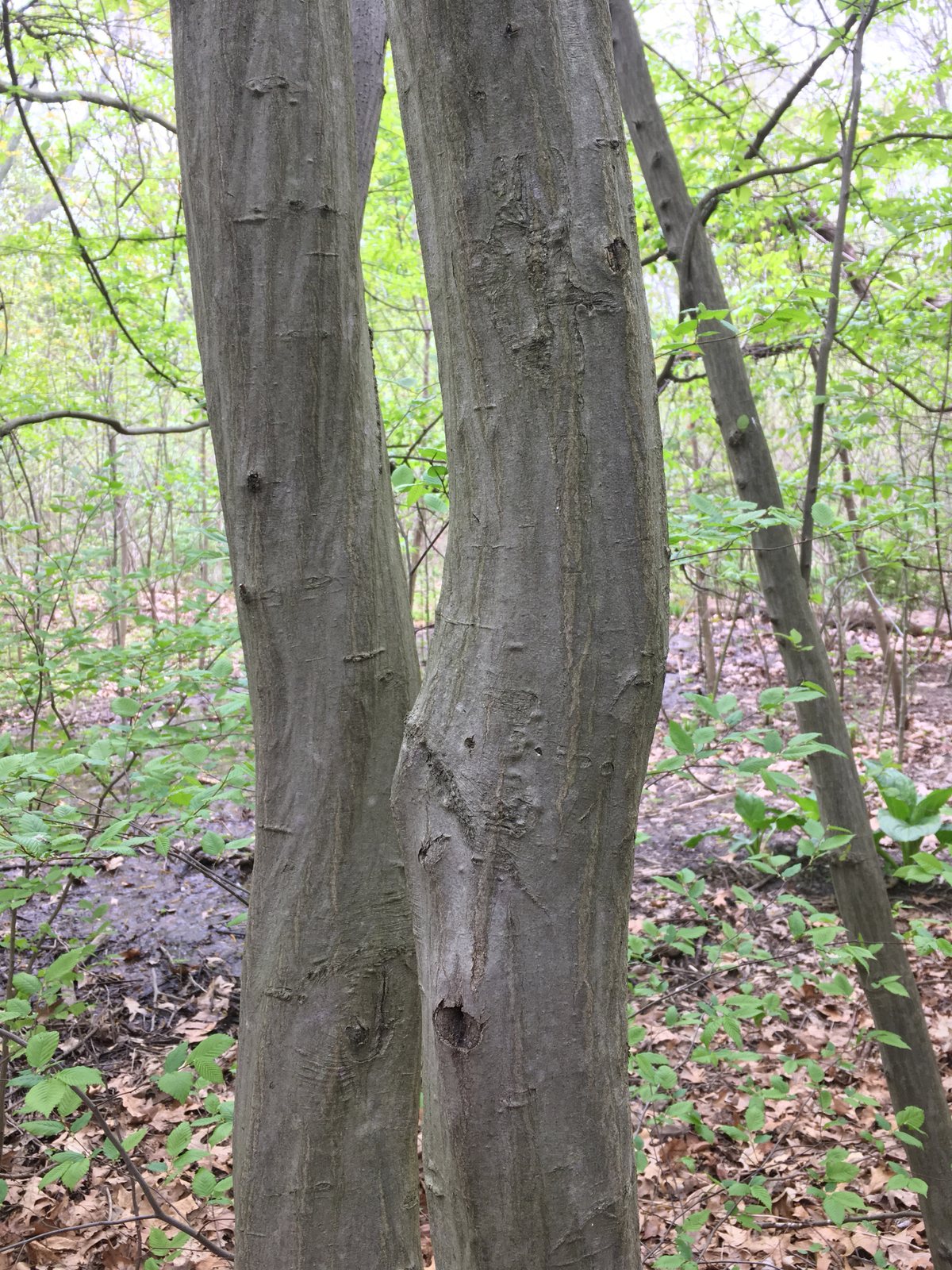
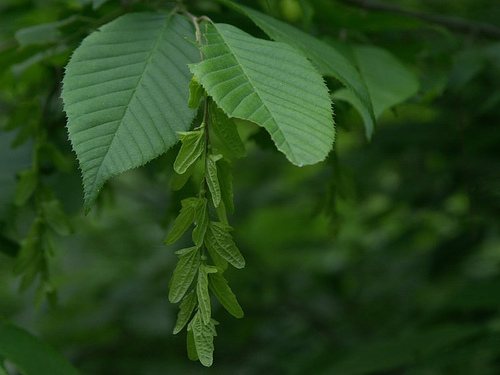
At a glance
- Sun
- Partial shade is ideal; tolerates deep shade and full sun if the soil stays moist.
- Water
- Moderate to high; prefers consistent moisture and needs watering during prolonged dry spells, particularly while young.
- Soil
- Moist, humus-rich, well-drained soil, preferably acidic to neutral. Tolerates clay and occasional brief flooding, but avoid permanently waterlogged ground.
- Height
- 20-30 ft (6-9 m)
- Spread
- 20-30 ft (6-9 m)
- Flowers
- Small greenish catkins in spring; male catkins become yellowish as they shed pollen.
- Foliage
- Finely toothed, oval green leaves with prominent veins; autumn colour varies from yellow to orange and red.
- Growth
- Slow
- Care needed
- Low
The year at a glance
- Cold hardy
- Heat tolerant
- Wildlife
| J | F | M | A | M | J | J | A | S | O | N | D | |
|---|---|---|---|---|---|---|---|---|---|---|---|---|
| Flowers | ||||||||||||
| Fruit | ||||||||||||
| Plant |
Northern hemisphere months. In Australia, shift them by six.
- Difficulty
- Easy
- Toughness
- Fairly tough
Will it suit your garden?
Pick your zone, country, light and whether you have pets.
Full sun is 6 or more hours of direct sun a day, part shade 3 to 6 hours, shade under 3.
How it grows
Planting day
7 ft (2 m)
After 1 year
7 ft (2.2 m)
After 2 years
8 ft (2.3 m)
After 3 years
8 ft (2.5 m)
After 5 years
9 ft (2.9 m)
About 32 years to full size.
From a typical nursery size, at an average rate for this kind of plant. A rule of thumb, not a forecast.
Good to know
- Cats and dogs
- Safe
- Native to
- the US and Canada
- Growth rate
- Slow
Care
Jobs through the year
- WaterApr–May, Sep–Oct, every 14 days
- Water established trees deeply if soil dries; young trees need more frequent watering for two growing seasons.
- WaterJun–Aug, every 7 days
- Water deeply during dry weather, especially in full sun; skip if the root zone remains moist.
- MulchMar–Apr
- Maintain 5–8 cm of organic mulch over the roots without touching the trunk.
- PruneAug–Sep
- Prune lightly to remove crossing branches and train young trees; avoid heavy cuts and spring pruning.
- ProtectJan–Feb, Nov–Dec
- Check young trunks for browsing and rubbing damage, and loosen tight tree ties.
- Plant a young, container-grown tree; established trees are difficult to transplant successfully.
- Water deeply through the first two growing seasons whenever the root area begins to dry.
- Spread 2-3 in (5-8 cm) of organic mulch over the root area, keeping it clear of the trunk.
- Water during prolonged drought, especially in sunny positions.
- Avoid routine feeding; use a soil test before adding fertiliser.
Pruning. Prune lightly in late summer to remove crossing branches and establish a sound framework while the tree is young. Remove dead or damaged wood as needed; avoid heavy pruning and late-winter or spring cuts, which can bleed sap.
Through the year
- Early spring
- Plant while dormant where the soil is workable, setting the root flare at ground level.
- Spring
- Refresh the mulch and check that it is not touching the trunk.
- Summer
- Check soil moisture during dry weather and water deeply rather than sprinkling lightly.
- Late summer
- Carry out light formative pruning if needed.
- Autumn
- Plant in mild regions while soil is still warm, and water thoroughly after planting.
- Winter
- Check young trunks for rubbing, browsing damage and overly tight tree ties.
In the garden
- Use as an understorey tree beneath tall deciduous trees, with ferns and woodland groundcovers.
- Plant as a small lawn specimen where its fluted trunk can be seen at close range.
- Place beside a shaded path or seating area for summer foliage and autumn colour.
- Include in a moist woodland edge or beside a rain garden, above the area that remains saturated.
Garden styles it suits: Woodland, Wildlife garden, Autumn colour and Winter interest.
Plant it with: Christmas fern, Wild ginger, Foamflower, Virginia bluebells, Solomon's seal and Witch hazel.
Wildlife: Seeds are eaten by birds and small mammals. The foliage feeds several moth caterpillars, and the branching provides shelter and nesting sites for birds.
Problems to watch for
- Drought stress can cause scorched leaves and early leaf drop; water deeply and mulch the root area.
- Leaf spots sometimes develop in humid weather; clear heavily affected fallen leaves and avoid wetting foliage when watering. Treatment is rarely necessary.
- Cankers can cause branch dieback; prune affected branches back to healthy wood in dry weather and reduce drought or root stress.
- Alkaline soil can cause yellow leaves with green veins; test the soil and seek advice on correcting nutrient availability rather than applying general fertiliser.
Safety
Not known to be toxic to people, cats, dogs or horses; no part is recognised as a significant poisoning hazard. It is not normally grown for food.
Easily confused with
Eastern hop-hornbeam (Ostrya virginiana)
Has rough, shredding bark and hop-like clusters of papery seed sacs; American hornbeam has smooth, fluted bark and seeds attached to leafy, three-lobed bracts.
European hornbeam (Carpinus betulus)
Usually becomes a much larger tree and has more conspicuously elongated central lobes on its fruiting bracts. American hornbeam is typically a smaller understorey tree.
American beech (Fagus grandifolia)
Has long, sharply pointed buds and leaves with more widely spaced teeth. Its smooth grey trunk lacks the strongly muscle-like fluting of American hornbeam.
The name
Carpinus is the classical Latin name for hornbeam, caroliniana refers to the Carolinas, and the common name musclewood describes the tree's fluted, sinewy-looking trunk.
Propagation. Usually grown from seed. Fresh seed sown outdoors may germinate slowly and unevenly, often needing a warm period followed by winter chilling; some seedlings take a second spring to emerge. Named selections are generally grafted by specialist nurseries.
Checked against open data
- Accepted botanical name
- Carpinus caroliniana
- In the US and Canada
- Native in Canada and the lower 48 states.
- Native range
- Alabama, Arkansas, Connecticut, Delaware, Florida, Georgia, Illinois, Indiana, Iowa, Kansas, Kentucky and Louisiana.
- Measured
- Average height 792 cm.
Sources: GBIF (CC BY 4.0), USDA PLANTS and Trefle (CC BY 4.0). The care and design notes are LandscapeGPT's own.
See it in your own yard.
Upload a photo of your yard and see it redesigned with plants that suit your climate, each checked against your zone.