Angelica
Angelica archangelica. Family Apiaceae. Perennial.
Also called Garden angelica, Wild celery, Norwegian angelica.
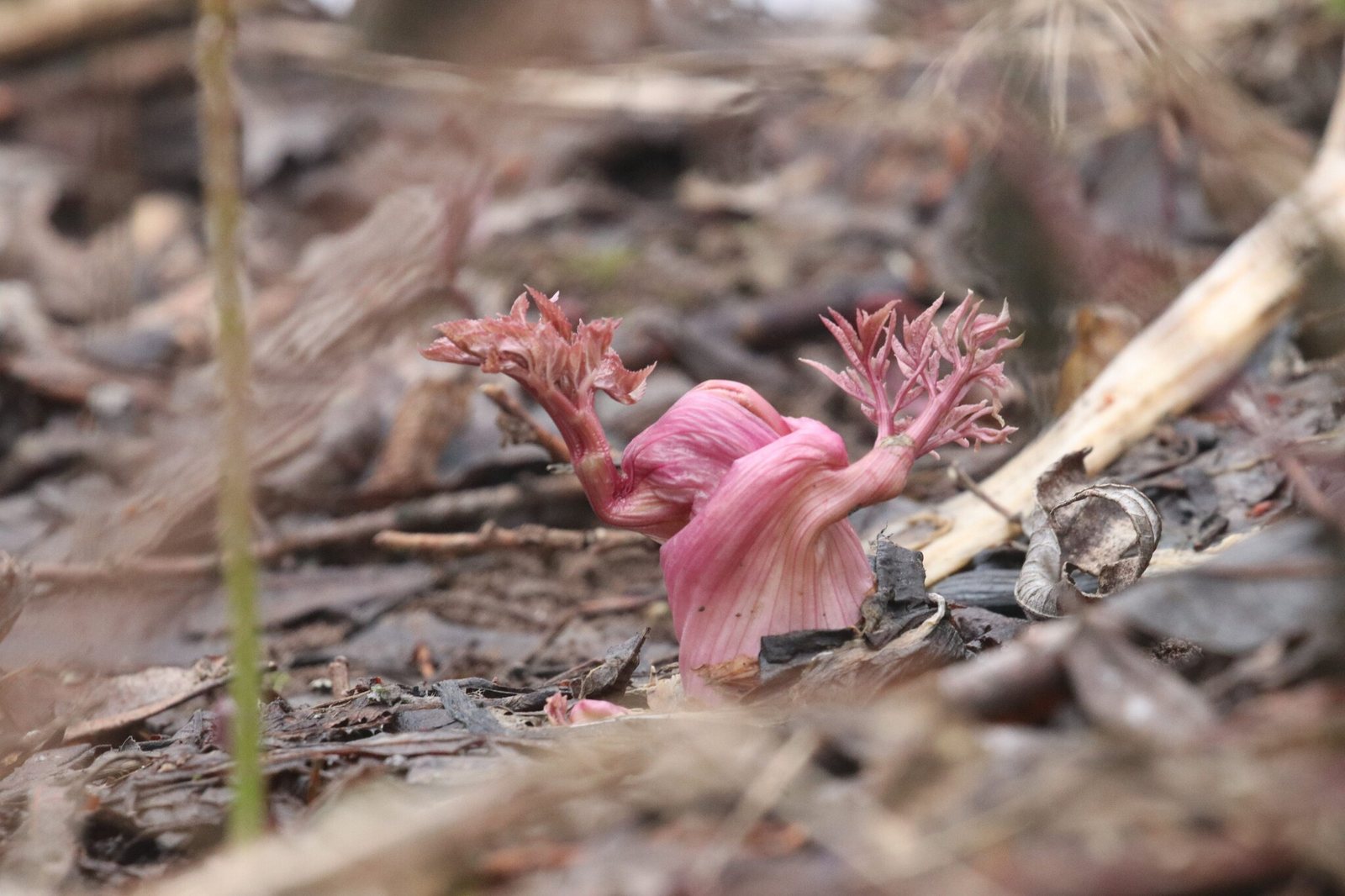
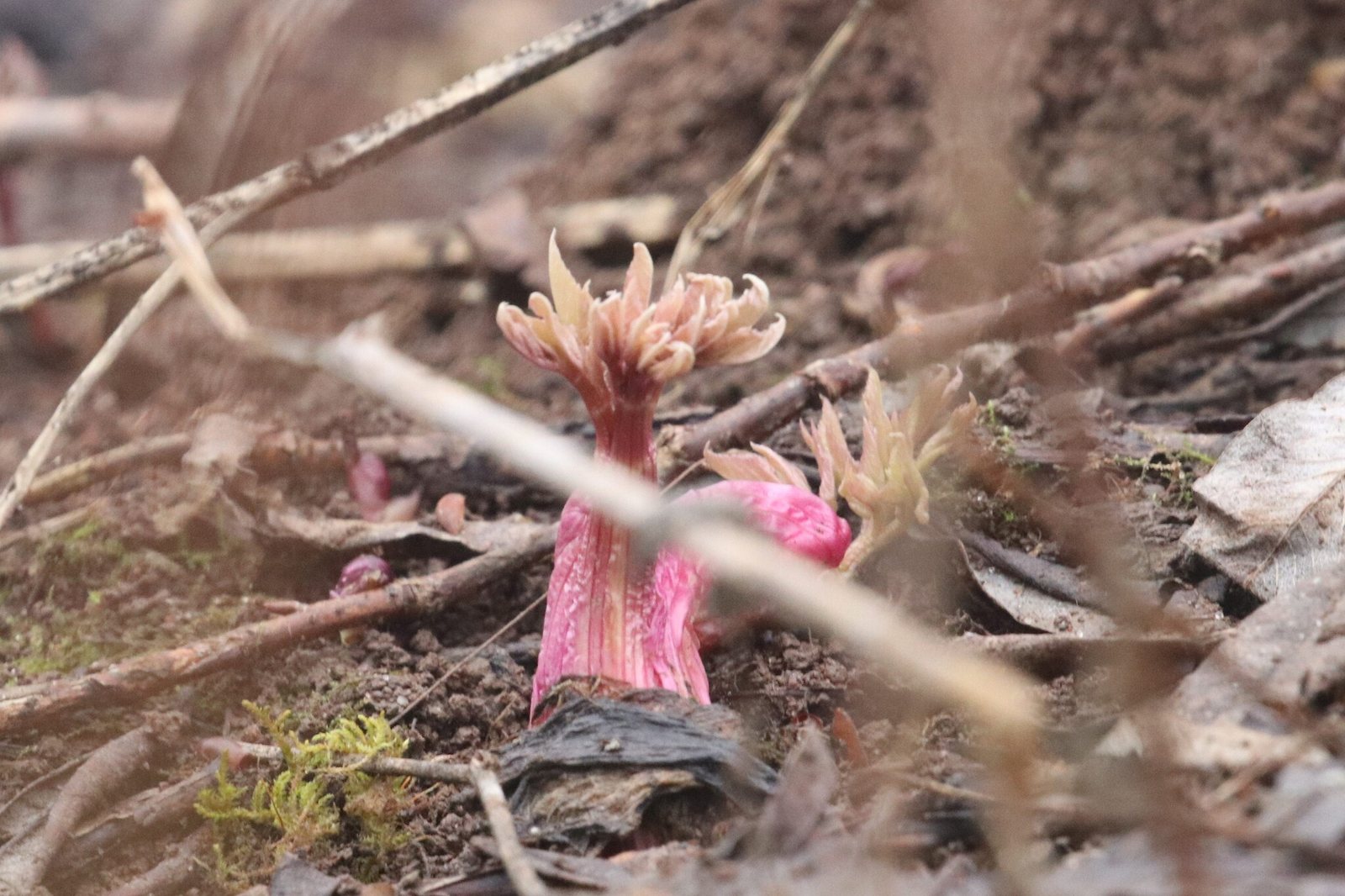
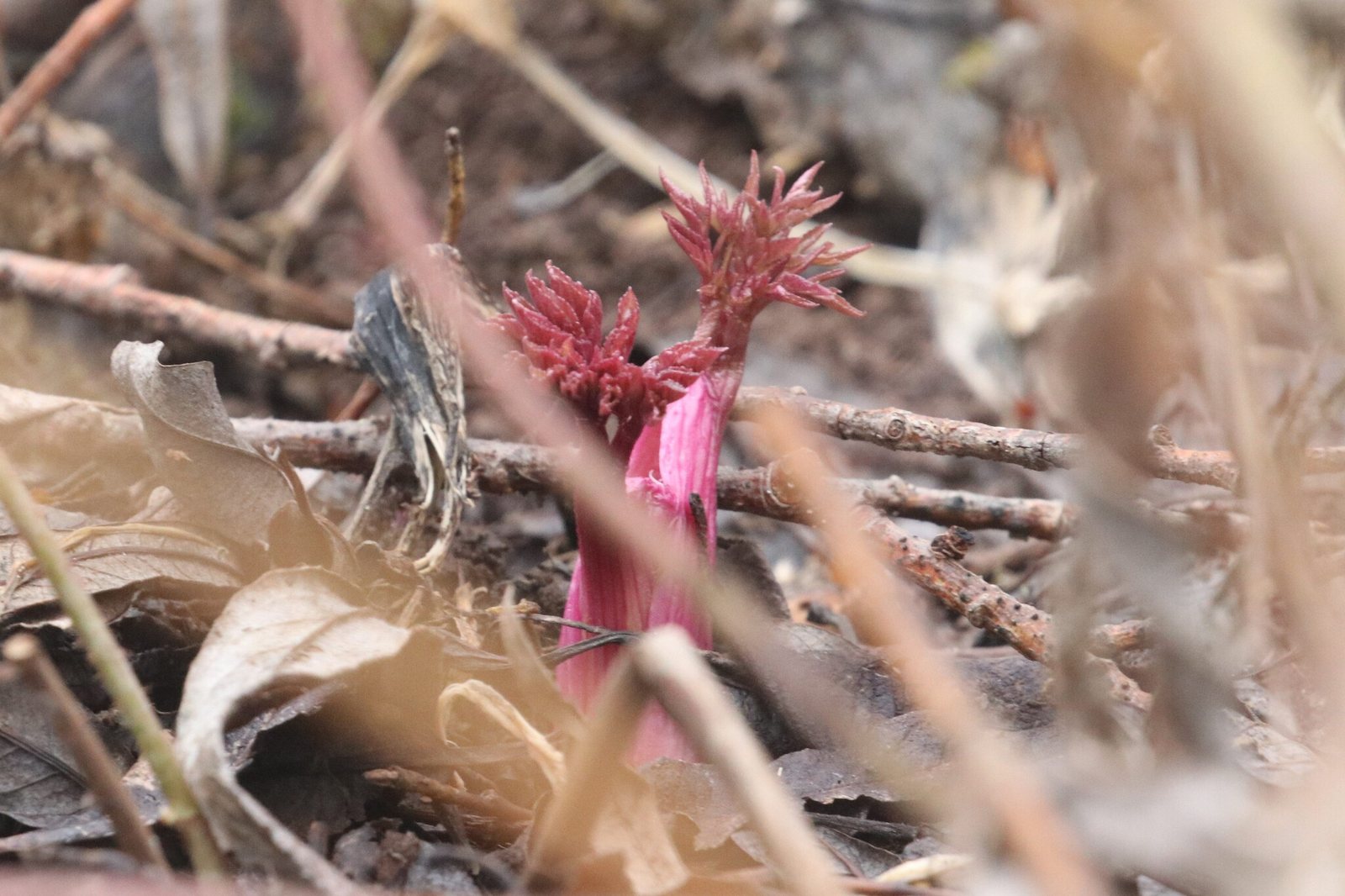
Angelica is a tall, short-lived perennial, usually grown as a biennial, with large divided leaves and rounded heads of greenish flowers. Gardeners grow it for its aromatic edible stems, architectural shape and insect-rich flowers; plants usually die after setting seed.
At a glance
- Sun
- Full sun in cool climates; partial shade where summers are hot.
- Water
- Keep the root zone consistently moist, especially during establishment and hot weather; do not leave it waterlogged.
- Soil
- Deep, fertile, moisture-retentive soil with good drainage; tolerates mildly acidic to mildly alkaline conditions.
- Height
- 3-8 ft (0.9-2.4 m)
- Spread
- 2-4 ft (0.6-1.2 m)
- Flowers
- Early to midsummer; rounded clusters of small greenish-white to yellow-green flowers.
- Foliage
- Large, bright green, divided leaves with toothed leaflets and broad, inflated sheaths around the leaf stalks; aromatic when crushed.
- Growth
- Fast; usually forms a leafy rosette in its first year and flowers in its second or third.
- Care needed
- Medium
The year at a glance
- Pollinators
- Cold hardy
- Wildlife
- Low allergen
- Fragrant
- Edible
| J | F | M | A | M | J | J | A | S | O | N | D | |
|---|---|---|---|---|---|---|---|---|---|---|---|---|
| Flowers | ||||||||||||
| Fruit | ||||||||||||
| Plant |
Northern hemisphere months. In Australia, shift them by six.
- Difficulty
- Moderate
- Toughness
- Fairly tough
Will it suit your garden?
Pick your zone, country, light and whether you have pets.
Full sun is 6 or more hours of direct sun a day, part shade 3 to 6 hours, shade under 3.
How it grows
Planting day
1 ft (0.3 m)
After 1 year
3 ft (0.99 m)
After 2 years
5 ft (1.7 m)
full size
About 2 years to full size.
From a typical nursery size, at an average rate for this kind of plant. A rule of thumb, not a forecast.
Good to know
- Cats and dogs
- Toxic
- Native to
- the UK
- In the garden
- Spreads vigorously: plan to contain it.
- Growth rate
- Fast
Care
Jobs through the year
- WaterMar–May, Sep–Oct, every 7 days
- Water established plants if rainfall fails to keep roots moist; young plants need closer attention.
- WaterJun–Aug, every 3 days
- Water deeply in dry weather to maintain consistent moisture without waterlogging.
- FeedMar–Apr
- Top-dress with well-rotted compost as spring growth begins.
- MulchMar–Apr
- Renew moisture-retaining mulch, leaving the crown clear.
- ProtectMar–May
- Protect tender emerging growth from slugs using wildlife-conscious controls.
- ProtectMay–Jun
- Stake developing flowering stems on exposed sites.
- HarvestApr–Jun
- Pick tender leaves and young green stalks only from positively identified cultivated plants.
- HarvestJul–Sep
- Cut seed heads as seeds turn tan and finish drying in a paper bag.
- PruneJul–Aug
- Remove unwanted flower heads before seeds ripen, leaving any intended for harvest.
- PruneOct–Nov
- Remove dead stems and leaves; wear gloves to avoid sap contact.
- Water deeply during dry spells so the soil does not dry out around the roots.
- Work well-rotted compost into the planting area and top-dress each spring.
- Mulch around plants to retain moisture, keeping mulch clear of the crown.
- Stake flowering stems early if the site is windy.
- Leave room for its broad leaves and sow replacement plants regularly.
Pruning. Cut flowering stems at the base before seeds ripen if you want to limit self-seeding; early flower removal may also prolong the plant's life. Remove dead leaves and spent stems once they have died back, wearing gloves to avoid sap contact.
Harvest
Pick young leaves in spring while tender, and cut young green leaf stalks in late spring or early summer before they become tough; these are the stalks traditionally candied. For seed, cut flower heads when the seeds turn tan and finish drying them in a paper bag. Harvest only positively identified cultivated plants, never an uncertain wild lookalike.
Through the year
- Early spring
- Top-dress established plants with compost and renew the moisture-retaining mulch.
- Spring
- Plant young plants while small, taking care not to disturb the developing taproot.
- Late spring
- Harvest tender leaves and leaf stalks; put stakes beside exposed plants.
- Summer
- Water during dry weather and leave some flowers for pollinating insects.
- Late summer
- Collect ripening seed and sow it promptly, or remove seed heads to control spread.
- Autumn
- Remove dead stems and thin unwanted seedlings, retaining a few replacements.
In the garden
- Place at the back of a moist border for height and a bold leafy outline.
- Use as a tall focal point in a herb garden or potager.
- Combine with ferns and astilbes in a lightly shaded, moisture-retentive border.
- Plant among looser cottage-garden flowers so its rounded flower heads provide contrast.
Garden styles it suits: Cottage garden, Potager (kitchen garden), Herb parterre, Wildlife garden, Edible landscape and English country.
Plant it with: Astilbe, Meadowsweet, Siberian iris, Lady fern, Masterwort and Globe flower.
Wildlife: The open flowers provide accessible nectar and pollen for bees, hoverflies, other flies and beetles.
Problems to watch for
- Slugs and snails damage young growth: protect emerging plants with barriers or wildlife-conscious slug controls.
- Aphids gather on soft shoots: wash them off with water and encourage ladybirds and other predators.
- Powdery mildew can mark crowded or drought-stressed foliage: improve spacing, water the soil and remove badly affected leaves.
- Hot, dry conditions cause wilting and poor growth: provide afternoon shade, mulch and consistent watering.
Safety
Young leaves and leaf stalks are used as food, but the plant contains furanocoumarins: sap on skin followed by sunlight can cause painful inflammation or blistering in people. Wear gloves when cutting it. These compounds can also cause photosensitisation in animals; keep cats, dogs and horses from eating it, and do not give them concentrated oils or extracts.
Easily confused with
Poison hemlock (Conium maculatum)
Poison hemlock has finely divided, fernlike leaves, flatter white flower heads and smooth stems often marked with purple blotches.
Wild angelica (Angelica sylvestris)
Wild angelica usually has flatter heads of white or pinkish flowers rather than the rounded greenish heads of garden angelica. Both have broad divided leaves, so seedlings can be difficult to distinguish.
Giant hogweed (Heracleum mantegazzianum)
Giant hogweed has enormous, sharply cut leaves, broad flat white flower heads and coarse, bristly stems with purple markings. Its sap can cause severe burns in sunlight; do not handle a suspected plant to identify it.
The name
Angelica comes from the Latin for angelic, while archangelica refers to an archangel, reflecting old traditions linking the herb with angelic protection and healing.
Propagation. Sow freshly ripened seed promptly, preferably in individual deep pots or where plants are to grow. Seed quickly loses viability and may need a period of moist cold before germinating; leave outdoor pots through winter. Transplant seedlings while small because established taproots dislike disturbance.
Checked against open data
- Accepted botanical name
- Angelica archangelica
- In the US and Canada
- Native in Greenland.
- Native range
- Albania, Baltic States, Belarus, Central European Rus, Denmark, East European Russia, Finland, France, Føroyar, Germany, Great Britain and Greenland.
- Measured
- Soil pH 7 to 7.5. Average height 53 cm.
Sources: GBIF (CC BY 4.0), USDA PLANTS and Trefle (CC BY 4.0). The care and design notes are LandscapeGPT's own.
See it in your own yard.
Upload a photo of your yard and see it redesigned with plants that suit your climate, each checked against your zone.