Bamboo palm
Chamaedorea seifrizii. Family Arecaceae. Shrub.
Also called Reed palm, Clustered parlor palm.
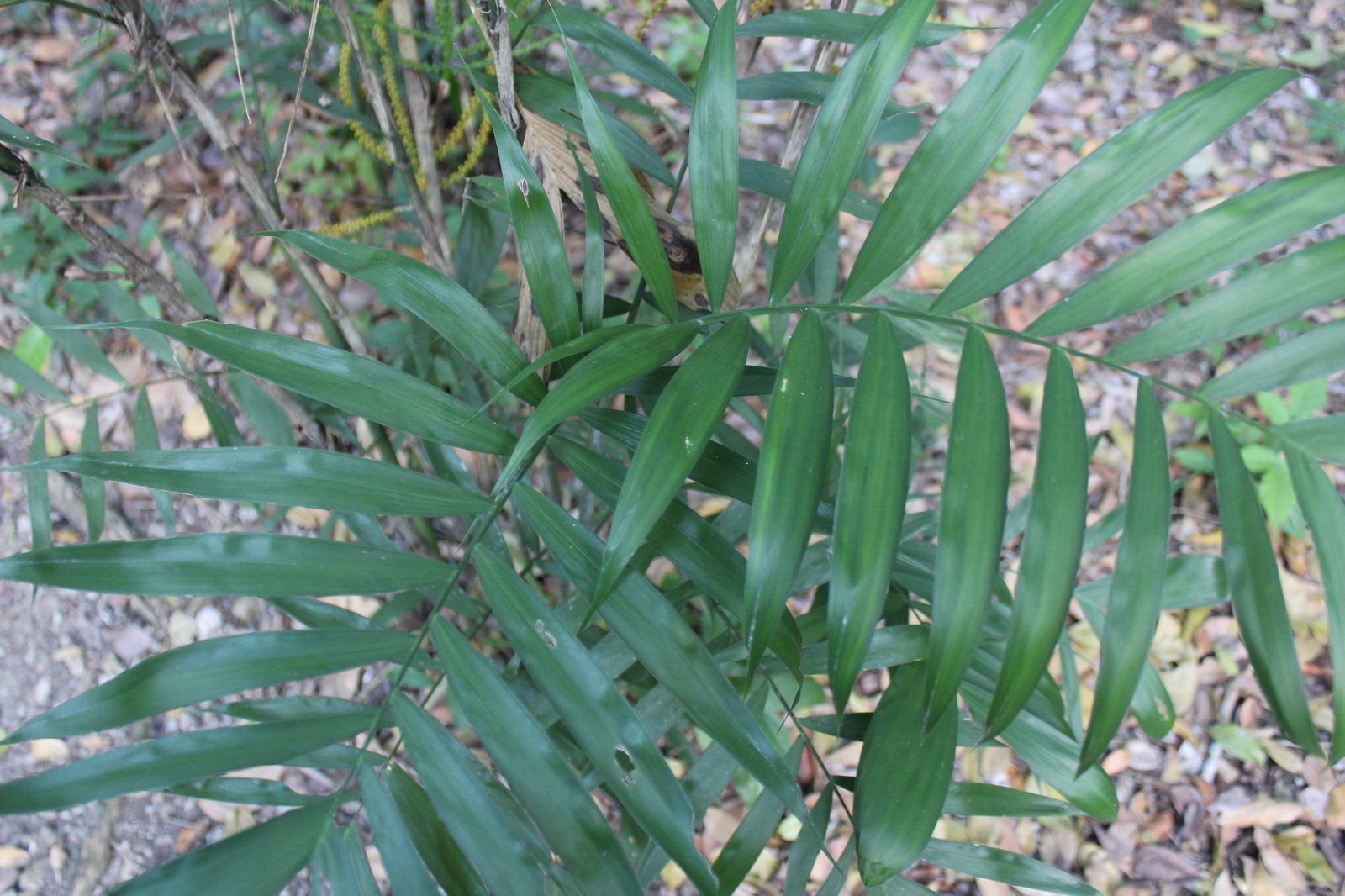
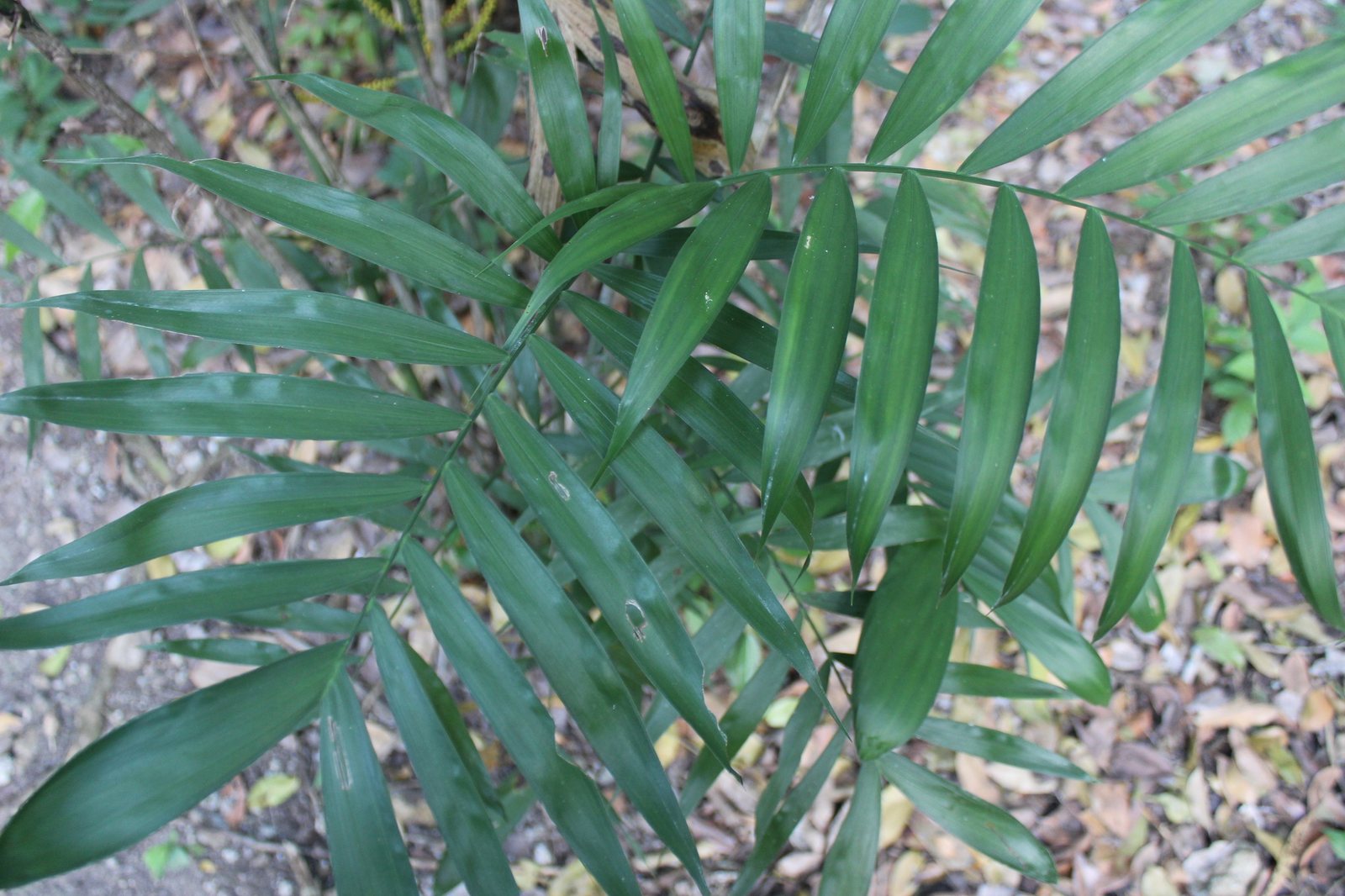
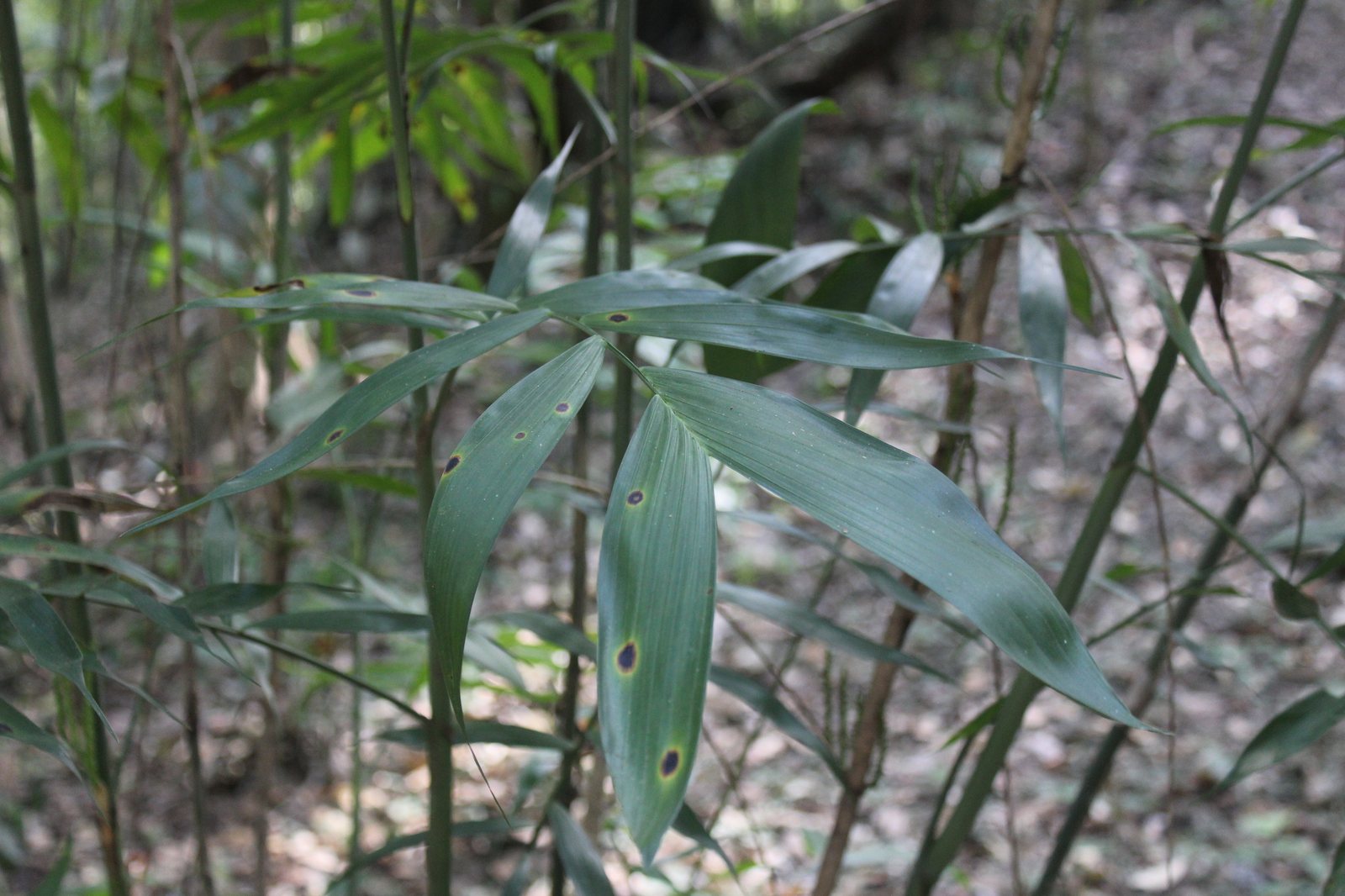
Bamboo palm is a clumping evergreen palm from Mexico and Central America, grown for its slender, bamboo-like canes and arching, feathery leaves. It makes a useful screen in warm, shaded gardens and a leafy container plant indoors; in the United Kingdom, Canada and colder parts of the United States and Australia, it needs frost-free winter quarters.
At a glance
- Sun
- Partial to full shade outdoors; bright, indirect light indoors. Avoid strong afternoon sun, especially on plants raised indoors.
- Water
- Keep the root zone lightly moist during active growth, allowing the surface to dry slightly between waterings. Water less in winter, but do not let the entire root ball dry out.
- Soil
- Humus-rich, well-drained soil outdoors; a free-draining houseplant potting mix in containers. Avoid waterlogged soil and pots left standing in water.
- Height
- 6-12 ft (1.8-3.7 m) outdoors; usually 4-8 ft (1.2-2.4 m) indoors
- Spread
- 3-6 ft (0.9-1.8 m)
- Foliage
- Evergreen, arching, feather-like leaves with narrow green leaflets, carried on slender, ringed green canes that form a dense clump.
- Growth
- Slow to moderate, depending on warmth and light
- Care needed
- Medium
The year at a glance
- Heat tolerant
| J | F | M | A | M | J | J | A | S | O | N | D | |
|---|---|---|---|---|---|---|---|---|---|---|---|---|
| Plant |
Northern hemisphere months. In Australia, shift them by six.
- Difficulty
- Moderate
- Toughness
- Fairly tough
Will it suit your garden?
Pick your zone, country, light and whether you have pets.
Full sun is 6 or more hours of direct sun a day, part shade 3 to 6 hours, shade under 3.
How it grows
Planting day
1.6 ft (0.5 m)
After 1 year
2.8 ft (0.85 m)
After 2 years
4 ft (1.2 m)
After 3 years
5 ft (1.5 m)
After 5 years
7 ft (2.2 m)
About 7 years to full size.
From a typical nursery size, at an average rate for this kind of plant. A rule of thumb, not a forecast.
Good to know
- Cats and dogs
- Mildly toxic: may upset a stomach
- Growth rate
- Slow
Care
Jobs through the year
- WaterJun–Aug, every 4 days
- Grow in a pot in this climate; check moisture and water when the surface dries slightly, draining fully.
- WaterMar–May, Sep–Oct, every 7 days
- Check pots weekly and maintain lightly moist compost without standing water.
- WaterJan–Feb, Nov–Dec, every 14 days
- Check indoor pots fortnightly; water sooner if needed to prevent the root ball drying completely.
- FeedMar–Aug, every 30 days
- Feed lightly with balanced houseplant fertiliser at the label's container rate.
- PruneJan–Dec
- Remove fully brown fronds at their bases; remove unwanted canes at soil level rather than topping them.
- ProtectJan–May, Sep–Dec
- Keep indoors before nights fall below 10°C, away from cold windows and drying heaters.
- ProtectJun–Aug
- Acclimatise summer pots to sheltered shade and inspect leaf undersides for mites and scale.
- Water thoroughly when the surface begins to dry, then let excess water drain away.
- Feed container plants lightly with a balanced houseplant fertiliser during spring and summer; do not feed during slow winter growth.
- Use a palm fertiliser with micronutrients for outdoor plants if local soils are deficient, following the label rate.
- Repot in spring only when roots fill the container, moving up one pot size.
- Keep away from drying heaters, cold draughts and frost; move outdoor containers into shelter before nights fall below about 50°F (10°C).
- Wipe dust from indoor leaves and inspect their undersides regularly for pests.
Pruning. Remove fully brown fronds at their bases whenever needed, using clean secateurs; retain green or partly green leaves where possible. Do not shorten living canes by cutting off their tops, because each cane has a single growing point; remove an unwanted cane at soil level instead.
Through the year
- Early spring
- Check root crowding and repot if necessary; remove dead fronds.
- Spring
- Resume light feeding as new growth begins and gradually increase watering.
- Early summer
- If moving a container outdoors, wait for warm nights and acclimatise it gradually in deep shade.
- Summer
- Check soil moisture frequently and inspect for spider mites, scale and mealybugs.
- Autumn
- Bring containers into frost-free shelter before cold nights; inspect for pests first.
- Winter
- Stop feeding during slow growth, reduce watering and keep the plant away from heaters and cold windows.
In the garden
- Plant in groups beneath taller trees to create a soft, layered screen in frost-free gardens.
- Use a container beside a shaded patio or courtyard seating area for height without a heavy trunk.
- Combine with broad-leaved shade plants to contrast fine, feathery foliage with bold leaf shapes.
- Use as an indoor specimen near a bright window with filtered light, leaving room for its arching leaves.
Garden styles it suits: Modern tropical, Tropical, Modern courtyard, Luxury resort, Green on green and Small-space.
Plant it with: Cast-iron plant, Bird's nest fern, Boston fern, Bromeliads, Peace lily and Calathea.
Wildlife: Flowers can attract small insects, and the clump provides shelter for small garden animals in warm climates. It offers little wildlife value when grown indoors.
Problems to watch for
- Spider mites cause pale stippling and fine webbing, especially indoors in dry air: rinse leaf undersides and repeat insecticidal soap treatments as directed on the label.
- Scale insects and mealybugs cluster on stems and leaf bases: isolate affected containers, wipe off small infestations and use a labelled horticultural oil or insecticidal soap.
- Root rot causes yellowing, wilting and soft roots in persistently wet soil: improve drainage, empty saucers and allow the surface to dry slightly between waterings.
- Brown tips or scorched patches can follow dry roots, fertiliser salt buildup, cold or direct sun: correct the exposure and watering, and periodically flush container compost with fresh water.
Safety
Not known to be toxic to cats, dogs or horses. The foliage is not known to be poisonous to people, but the fruits should not be eaten because they may irritate the mouth and digestive tract; keep fruiting plants away from children and pets that chew berries.
Easily confused with
Parlor palm (Chamaedorea elegans)
Usually smaller and naturally single-stemmed, although several seedlings are often sold together in one pot; bamboo palm produces new basal shoots to form a true clump.
Areca palm (Dypsis lutescens)
Generally larger and fuller, with yellowish canes and leaf stalks and many closely spaced, often upward-pointing leaflets.
Hardy bamboo palm (Chamaedorea microspadix)
Has broader leaflets and conspicuous red ripe fruit rather than the black ripe fruit of bamboo palm; it is also substantially more cold-tolerant.
The name
The common name refers to its slender, ringed, bamboo-like canes, while the species name honours botanist William Seifriz.
Propagation. Usually grown from fresh seed, which needs warmth, steady moisture and patience; germination can take several months. Established clumps can sometimes be divided during spring repotting, but each division needs several canes and a substantial root system.
Checked against open data
- Accepted botanical name
- Chamaedorea seifrizii
- In the US and Canada
- Introduced in the lower 48 states.
- Native range
- Belize, Guatemala, Honduras and Mexico Southeast.
Sources: GBIF (CC BY 4.0), USDA PLANTS and Trefle (CC BY 4.0). The care and design notes are LandscapeGPT's own.
See it in your own yard.
Upload a photo of your yard and see it redesigned with plants that suit your climate, each checked against your zone.