Boston fern
Nephrolepis exaltata. Family Nephrolepidaceae. Fern.
Also called Sword fern, Ladder fern.
Boston fern is an evergreen fern grown for its long, arching green fronds, which soften shady patios, verandas and indoor spaces. The name usually refers to arching cultivars of Nephrolepis exaltata, especially 'Bostoniensis'; the species itself is generally more upright. It needs warmth and steady moisture, so bring it indoors for winter outside frost-free climates.
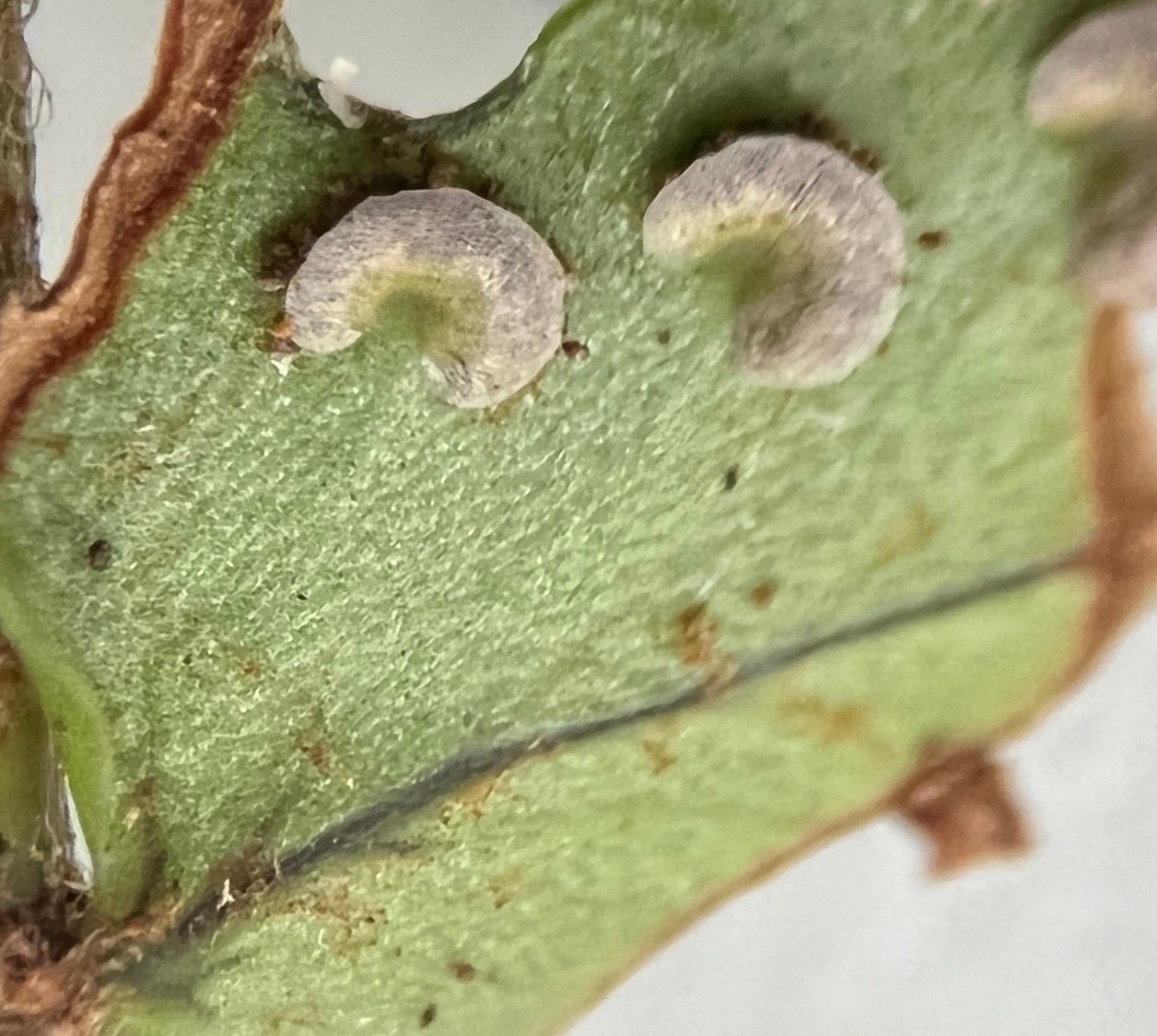
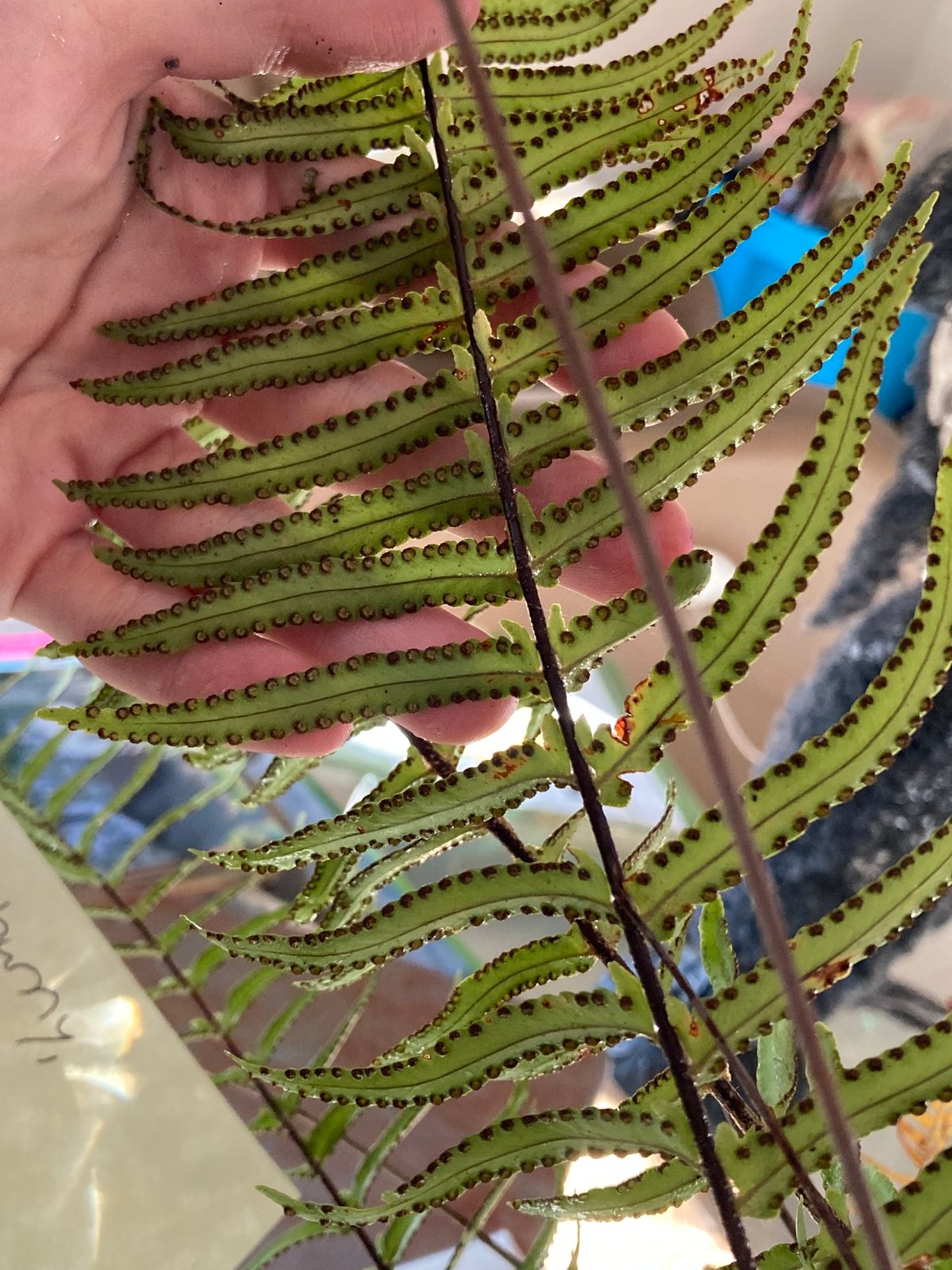
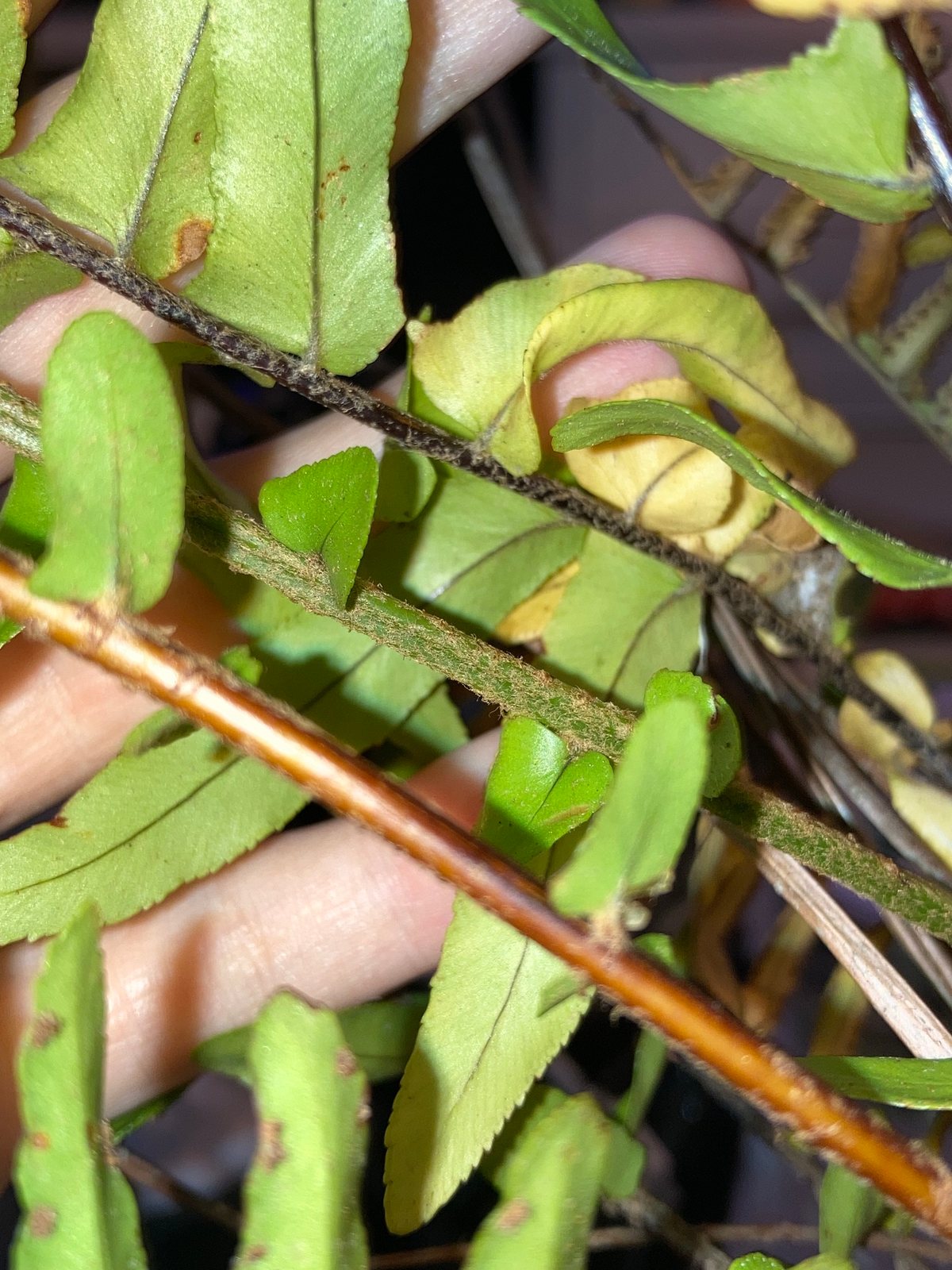
At a glance
- Sun
- Bright indirect light or partial shade; gentle morning sun is suitable, but avoid strong afternoon sun.
- Water
- Keep evenly moist but not waterlogged. Water when the surface just begins to dry; hanging baskets may need daily checks in warm weather.
- Soil
- Humus-rich, moisture-retentive but well-drained soil or potting mix, preferably slightly acidic.
- Height
- 2-3 ft (0.6-0.9 m)
- Spread
- 2-4 ft (0.6-1.2 m)
- Foliage
- Evergreen. Long, feather-like green fronds with many narrow, finely toothed leaflets; Boston forms arch and droop as they mature.
- Growth
- Moderate to fast in warm, humid conditions.
- Care needed
- Medium
The year at a glance
- Heat tolerant
- Low allergen
| J | F | M | A | M | J | J | A | S | O | N | D | |
|---|---|---|---|---|---|---|---|---|---|---|---|---|
| Plant |
Northern hemisphere months. In Australia, shift them by six.
- Difficulty
- Moderate
- Toughness
- Needs looking after
Will it suit your garden?
Pick your zone, country, light and whether you have pets.
Full sun is 6 or more hours of direct sun a day, part shade 3 to 6 hours, shade under 3.
How it grows
Planting day
1 ft (0.3 m)
After 1 year
1.6 ft (0.49 m)
After 2 years
2.2 ft (0.68 m)
After 3 years
2.5 ft (0.75 m)
full size
About 2 years to full size.
From a typical nursery size, at an average rate for this kind of plant. A rule of thumb, not a forecast.
Good to know
- Cats and dogs
- Safe
- Native to
- the US
- In the garden
- Spreads vigorously: plan to contain it.
- Growth rate
- Fast
Care
Jobs through the year
- WaterMar–May, Sep–Oct, every 4 days
- Grow in a container in this climate; water when the surface starts drying and drain thoroughly.
- WaterJun–Aug, every 2 days
- Water containers as the surface starts drying; check hanging baskets daily in warm weather.
- WaterJan–Feb, Nov–Dec, every 7 days
- Indoors, water as the surface starts drying; never let the root ball dry completely.
- FeedMar–Aug, every 30 days
- Apply balanced liquid fertiliser at half strength while actively growing.
- DivideMar–Apr
- Divide crowded plants if needed and repot in fresh mix with good drainage.
- PruneMar–Apr
- Remove brown or damaged fronds at their bases without shearing healthy growth.
- ProtectMay–Jun
- Move outdoors only when nights stay above 10°C, acclimating gradually to sheltered shade.
- ProtectSep–Oct
- Inspect for pests and bring indoors before nights fall below 10°C.
- ProtectJan–Feb, Nov–Dec
- Keep in bright indirect light away from draughts and heating vents; humidify dry air.
- Water thoroughly, then let excess water drain; do not leave the pot standing in water.
- Feed container plants monthly in spring and summer with a balanced liquid fertiliser at half the label strength.
- Keep indoor plants away from heating vents and cold draughts; use a humidifier if the air is very dry.
- Repot or divide crowded plants in spring, using a pot with drainage holes.
- Move outdoor containers inside before nights regularly fall below 50°F (10°C), checking first for pests.
Pruning. Remove brown or damaged fronds at their base whenever needed, using clean scissors. Tidy congested plants in spring, but avoid shearing across healthy fronds, which leaves cut ends visible.
Through the year
- Spring
- Divide or repot crowded plants as new growth starts.
- Late spring
- Move overwintered plants outdoors once nights stay above 50°F (10°C), gradually introducing them to a sheltered, shaded position.
- Summer
- Check hanging baskets frequently and water before the root ball dries out.
- Spring and summer
- Feed container plants monthly at half strength.
- Autumn
- Inspect for pests and bring containers indoors before cold nights.
- Winter
- Provide bright indirect light, stop feeding if growth slows, and reduce watering without letting the root ball dry completely.
In the garden
- Hang baskets under a shaded veranda or porch so the arching fronds can fall freely.
- Use matching pots beside a sheltered entrance for a soft, balanced frame.
- Layer beneath palms and larger foliage plants in warm, frost-free gardens.
- Combine with begonias and impatiens in shaded containers for contrasting leaf shapes and flowers.
Garden styles it suits: Tropical, Modern tropical, Victorian, Southern, Woodland and Green on green.
Plant it with: Begonias, Impatiens, Caladiums, Cast-iron plant, Parlour palm and Bird's nest fern.
Wildlife: Dense fronds provide shelter for small invertebrates, but the plant supplies no nectar or pollen.
Problems to watch for
- Brown, crisp leaflet edges: check for a dry root ball, hot sun or dry indoor air; restore even moisture and move to gentler light.
- Yellowing fronds and soft, dark roots: improve drainage, empty saucers and remove rotten roots before repotting in fresh mix.
- Spider mites, often causing fine stippling and webbing: rinse fronds thoroughly and treat persistent infestations with a product labelled for mites on ferns.
- Scale insects or mealybugs: isolate the plant, remove visible pests and use a treatment labelled safe for ferns; test a small area first.
Safety
Not known to be toxic to cats, dogs, horses or people; no poisonous parts are recognised. Eating substantial amounts of foliage may still cause mild digestive upset.
Where it spreads. Listed as an invasive alien plant in South Africa. In warm, moist gardens it can spread by runners and form colonies; contain it and never dump unwanted plants in natural areas. It is often confused with the separately invasive tuberous sword fern, Nephrolepis cordifolia.
Easily confused with
Tuberous sword fern (Nephrolepis cordifolia)
Often has more upright fronds and crowded leaflets. Round underground tubers are the clearest distinction; Nephrolepis exaltata does not produce these tubers.
Giant sword fern (Nephrolepis biserrata)
Usually much larger and coarser, with broader, more widely spaced leaflets and long, strongly upright or arching fronds.
The name
Boston fern takes its common name from the cultivar 'Bostoniensis', which became known through the nursery trade in Boston, Massachusetts.
Propagation. Divide established clumps in spring, keeping roots and several healthy fronds on each section. Rooted plantlets formed along runners can also be detached and potted; division preserves named cultivars.
Checked against open data
- Accepted botanical name
- Nephrolepis exaltata
- In the US and Canada
- Native in Hawaii, the lower 48 states, Puerto Rico and US Virgin Islands.
- Native range
- Arizona, Bahamas, Bermuda, Bolivia, Brazil North, Brazil Northeast, Brazil South, Brazil Southeast, Colombia, Costa Rica, Cuba and Dominican Republic.
Sources: GBIF (CC BY 4.0), USDA PLANTS and Trefle (CC BY 4.0). The care and design notes are LandscapeGPT's own.
See it in your own yard.
Upload a photo of your yard and see it redesigned with plants that suit your climate, each checked against your zone.