Bearberry
Arctostaphylos uva-ursi. Family Ericaceae. Groundcover.
Also called Common bearberry, Kinnikinnick.
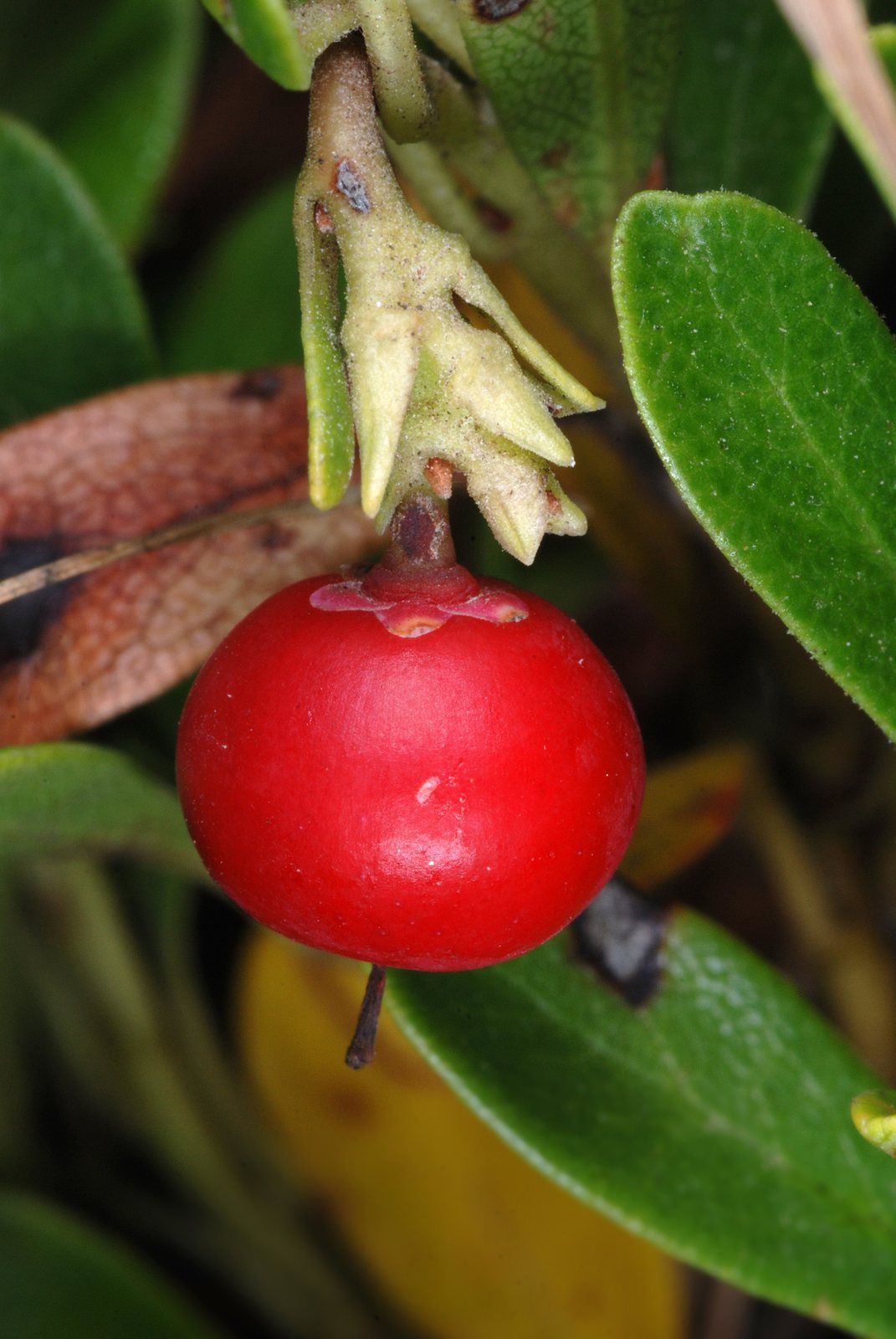
Bearberry is a low, creeping evergreen shrub native to cool regions of the Northern Hemisphere. Gardeners grow it for its dense mats of glossy leaves, small spring flowers and red berries. It suits sunny, sharply drained sites but struggles in hot, humid climates and wet soil.
At a glance
- Sun
- Full sun to light partial shade; flowers and fruits best in sun.
- Water
- Water regularly while establishing; once rooted, it tolerates dry spells. Avoid persistently damp soil.
- Soil
- Acidic, sandy or gravelly soil with excellent drainage; tolerates poor, stony ground but dislikes heavy clay and alkaline soil.
- Height
- 0.5-1 ft (0.15-0.3 m)
- Spread
- 3-6 ft (0.9-1.8 m), eventually wider where stems root
- Flowers
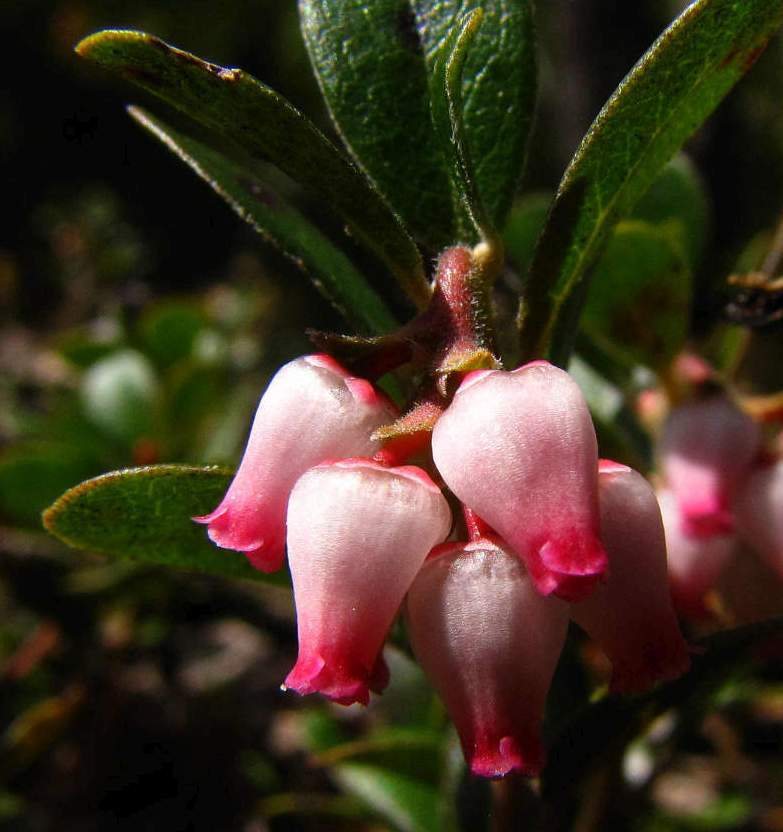
- Spring; small, urn-shaped white flowers flushed pink.
- Foliage
- Evergreen. Small, leathery, rounded to spoon-shaped green leaves, often turning bronze or reddish in winter.
- Growth
- Slow initially, then moderate once established.
- Care needed
- Low
The year at a glance
- Pollinators
- Deer resistant
- Drought tolerant
- Cold hardy
- Wildlife
- Low allergen
| J | F | M | A | M | J | J | A | S | O | N | D | |
|---|---|---|---|---|---|---|---|---|---|---|---|---|
| Flowers | ||||||||||||
| Fruit | ||||||||||||
| Plant |
Northern hemisphere months. In Australia, shift them by six.
- Difficulty
- Easy
- Toughness
- Very tough
Will it suit your garden?
Pick your zone, country, light and whether you have pets.
Full sun is 6 or more hours of direct sun a day, part shade 3 to 6 hours, shade under 3.
How it grows
Planting day
0.2 ft (0.06 m)
After 1 year
0.4 ft (0.11 m)
After 2 years
0.5 ft (0.16 m)
After 3 years
0.7 ft (0.21 m)
After 5 years
0.7 ft (0.22 m)
full size
About 3 years to full size.
From a typical nursery size, at an average rate for this kind of plant. A rule of thumb, not a forecast.
Good to know
- Cats and dogs
- Mildly toxic: may upset a stomach
- Native to
- the US, Canada and the UK
- Growth rate
- Slow
Care
Jobs through the year
- WaterApr–May, Sep–Oct, every 30 days
- Water established mats only if soil is dry; water young plants more often.
- WaterJun–Aug, every 21 days
- Water established mats only during prolonged drought; let soil dry between soakings.
- MulchMar–Apr
- Apply a light gravel mulch, keeping it clear of main stems.
- PruneMar–Apr
- Remove winter-killed stems once healthy new growth is visible.
- PruneMay–Jun
- After flowering, trim stray shoots lightly; avoid cutting into bare old wood.
- ProtectOct–Nov
- Remove smothering fallen leaves and keep drainage channels clear.
- Plant small container-grown plants; established plants resent root disturbance.
- Water through dry spells during the first growing season, letting the surface soil dry between waterings.
- Do not routinely feed; rich soil and heavy fertilising encourage unsuitable soft growth.
- Use a light gravel mulch and keep it clear of the main stems.
- Remove weeds by hand until the stems form a continuous mat.
- Keep foot traffic off the planting; it is not a walkable lawn substitute.
Pruning. After flowering, lightly shorten shoots that extend beyond the intended area and remove dead or damaged stems. Avoid hard cutting into old, leafless wood.
Through the year
- Early spring
- Check for winter damage and remove dead stems once new growth makes them easy to identify.
- Spring
- Plant into free-draining soil and water thoroughly.
- Late spring
- After flowering, trim stray shoots only where necessary.
- Summer
- Water young plants during dry spells and hand-weed gaps in the mat.
- Late summer
- Take semi-ripe cuttings from healthy, non-flowering shoots.
- Autumn
- Remove fallen leaves that smother the mat and check that drainage remains clear.
In the garden
- Cover sunny, sandy banks with a low evergreen mat that helps protect the soil once established.
- Let stems trail over low retaining walls or between large rocks.
- Combine with heathers and dwarf conifers in an acidic gravel garden.
- Use beneath widely spaced pines where there is enough light and little competition from dense roots.
- Plant beside paths for winter foliage and berries, keeping it outside the walking surface.
Garden styles it suits: Alpine rock garden, Dry gravel garden, Wildlife garden, Low-maintenance, Winter interest and Mountain lodge.
Plant it with: Heather, Creeping juniper, Dwarf mountain pine, Blue fescue and Lingonberry.
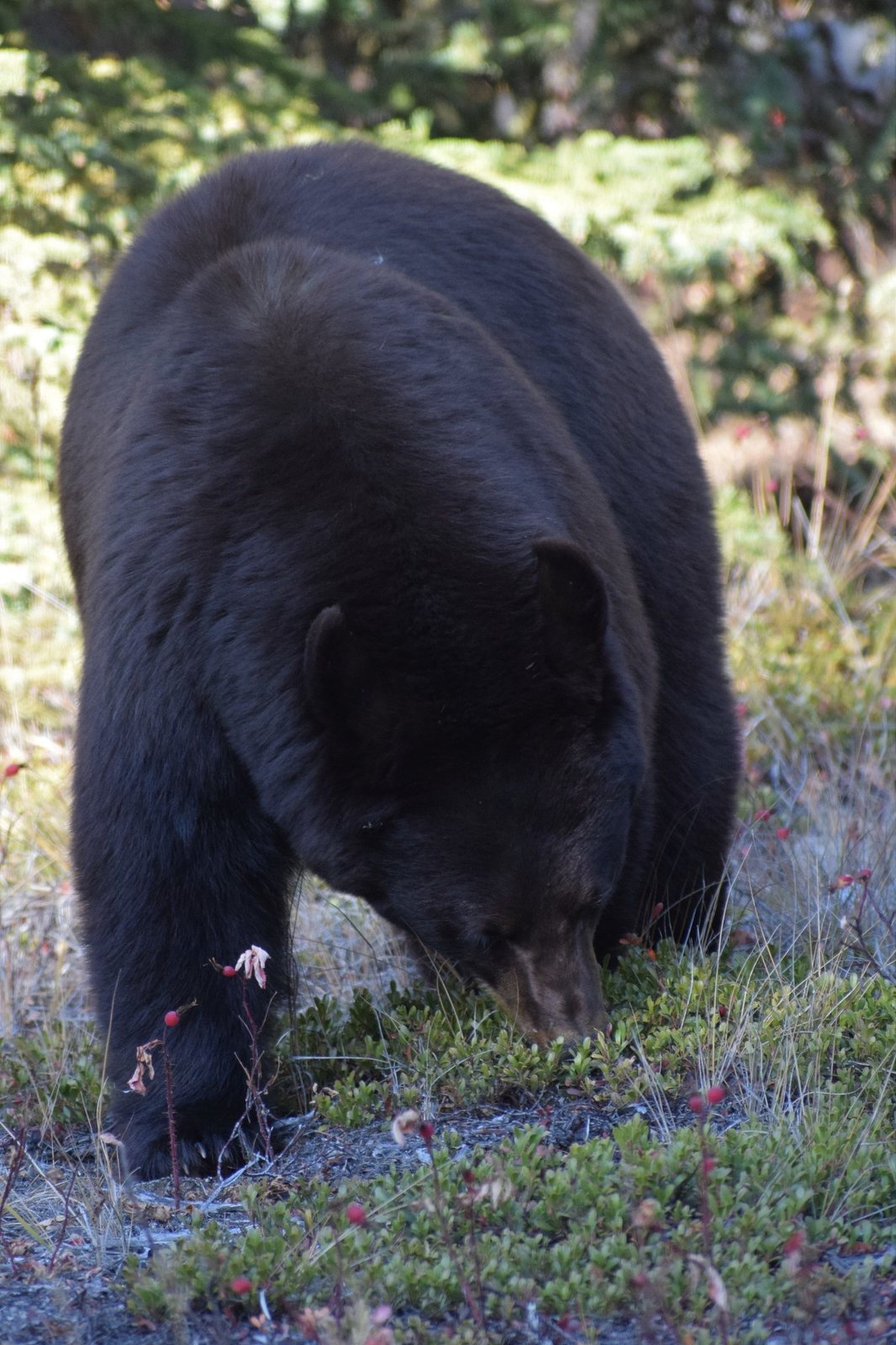
Wildlife: Flowers provide nectar and pollen for bees. Birds and mammals eat the berries, and the dense mat offers shelter for small animals.
Problems to watch for
- Root rot in wet or heavy soil: improve drainage or replant on a raised, sandy mound; do not keep watering a wilting plant if its soil is already wet.
- Leaf spots and shoot dieback: remove affected growth, clear trapped debris and avoid overhead watering.
- Pale leaves on alkaline soil: test the soil and move plants to a suitably acidic site rather than repeatedly applying fertiliser.
- Poor growth in hot, humid conditions: provide excellent drainage and some afternoon shade; choose another groundcover if summer decline recurs.
Safety
Not generally considered poisonous to cats, dogs or horses, although species-specific safety information is limited. The berries are not generally considered poisonous to people, but large amounts may upset the stomach. Leaves contain arbutin and should not be eaten or used as a home remedy; concentrated preparations or large doses can be harmful.
Easily confused with
Lingonberry (Vaccinium vitis-idaea)
Usually forms more upright shoots; its leaf undersides have tiny dark glandular dots, unlike bearberry.
Bearberry cotoneaster (Cotoneaster dammeri)
Has open, five-petalled white flowers rather than urn-shaped flowers; leaves are generally more pointed and have more obvious veins.
Wintergreen (Gaultheria procumbens)
Has larger, finely toothed leaves, often clustered near shoot tips; crushed leaves have a distinct wintergreen scent.
The name
Both the Greek-derived Arctostaphylos and the Latin uva-ursi mean 'bear grape', referring to bears eating the fruit.
Propagation. Layer a low stem into sandy soil and separate it after it has rooted well, or take semi-ripe cuttings in late summer. Seed requires dormancy-breaking treatment and can germinate slowly and unevenly.
Checked against open data
- Accepted botanical name
- Arctostaphylos uva-ursi
- In the US and Canada
- Native in Alaska, Canada, Greenland, the lower 48 states and St. Pierre and Miquelon.
- Native range
- Alaska, Albania, Alberta, Aleutian Is., Amur, Arizona, Austria, Baltic States, Belarus, British Columbia, Bulgaria and Buryatiya.
- Measured
- Soil pH 5.5 to 8. Average height 12 cm.
Sources: GBIF (CC BY 4.0), USDA PLANTS and Trefle (CC BY 4.0). The care and design notes are LandscapeGPT's own.
See it in your own yard.
Upload a photo of your yard and see it redesigned with plants that suit your climate, each checked against your zone.