Betony
Betonica officinalis. Family Lamiaceae. Perennial.
Also called Wood betony, Common betony, Purple betony.
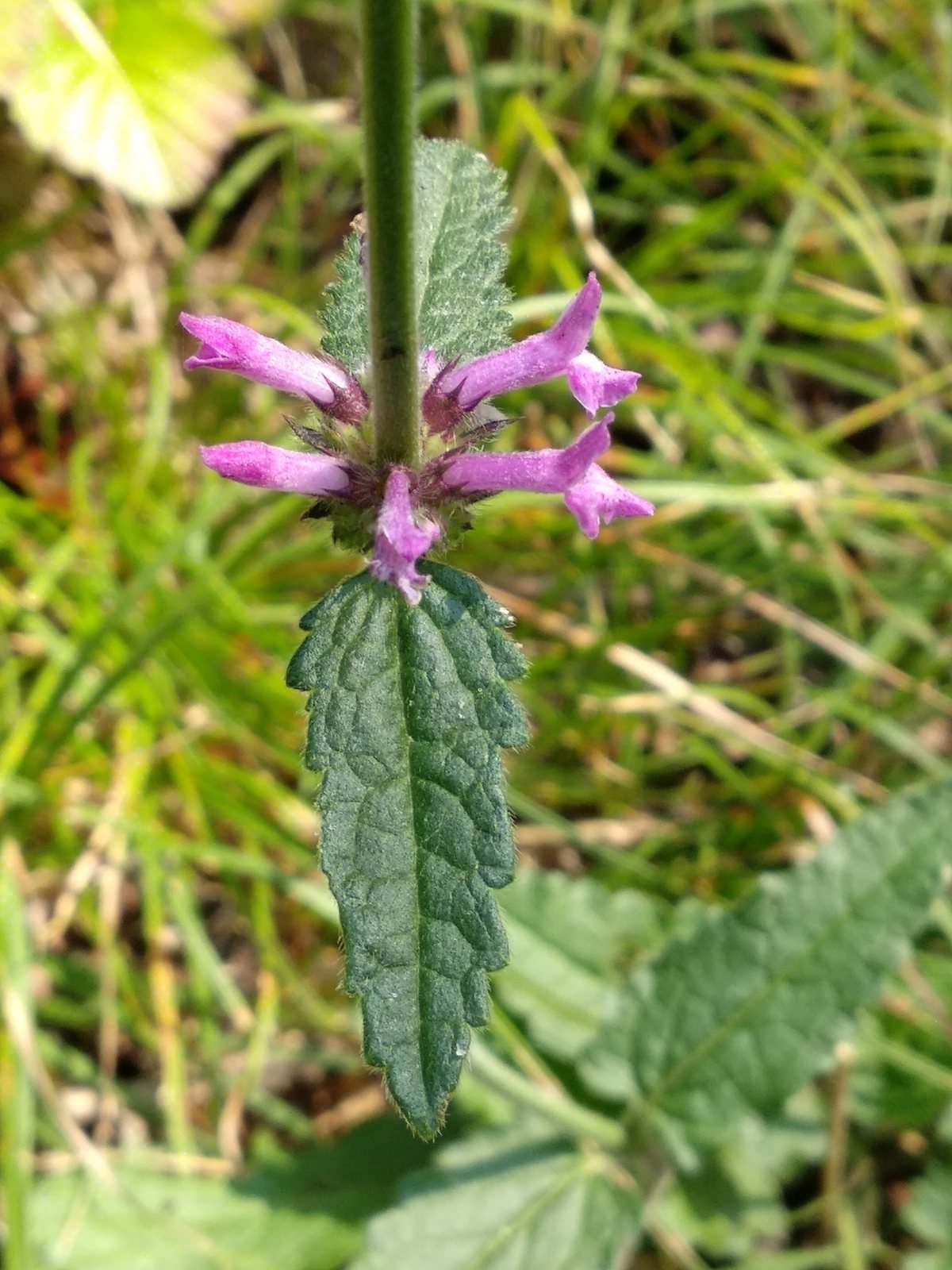
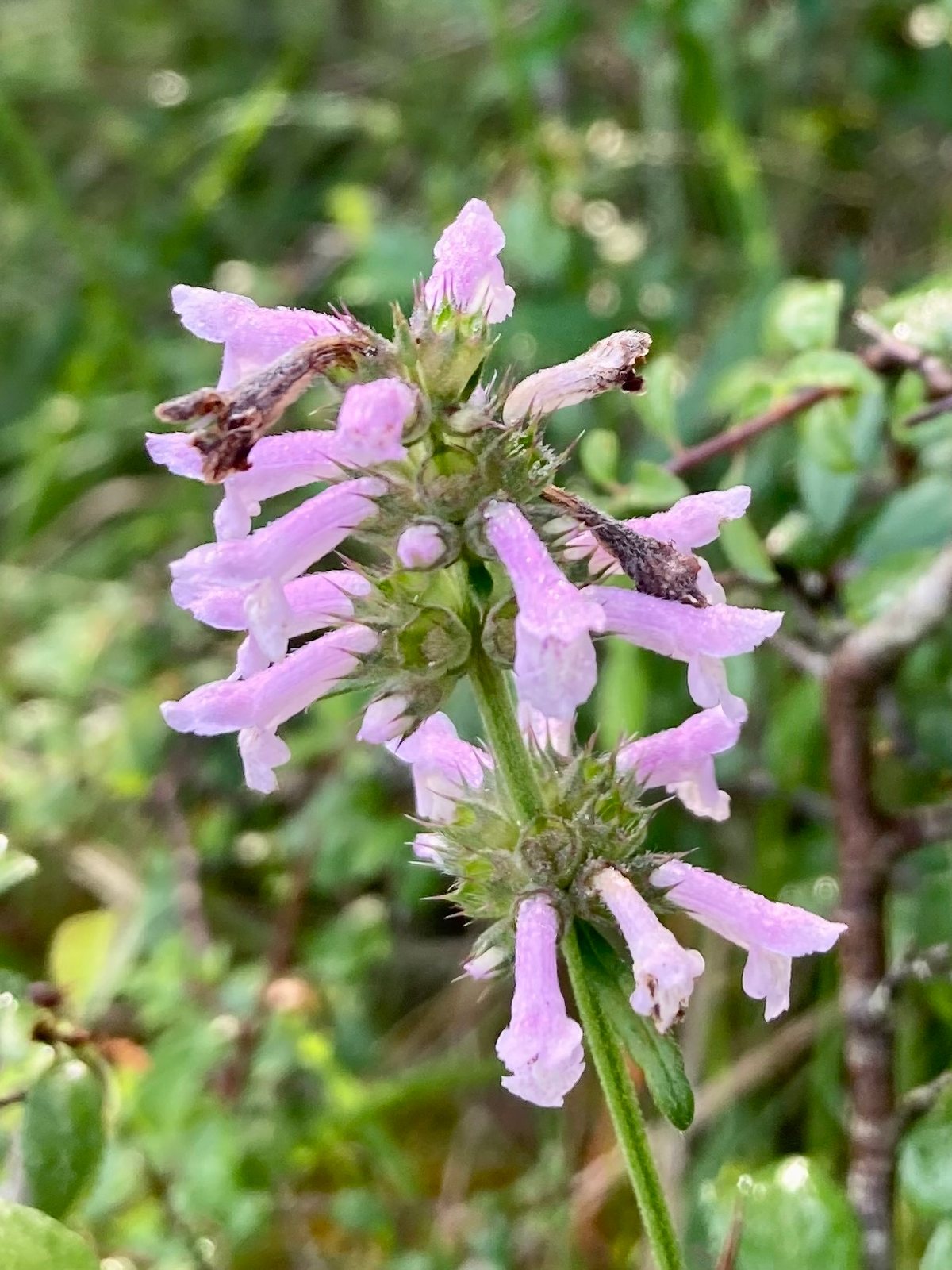
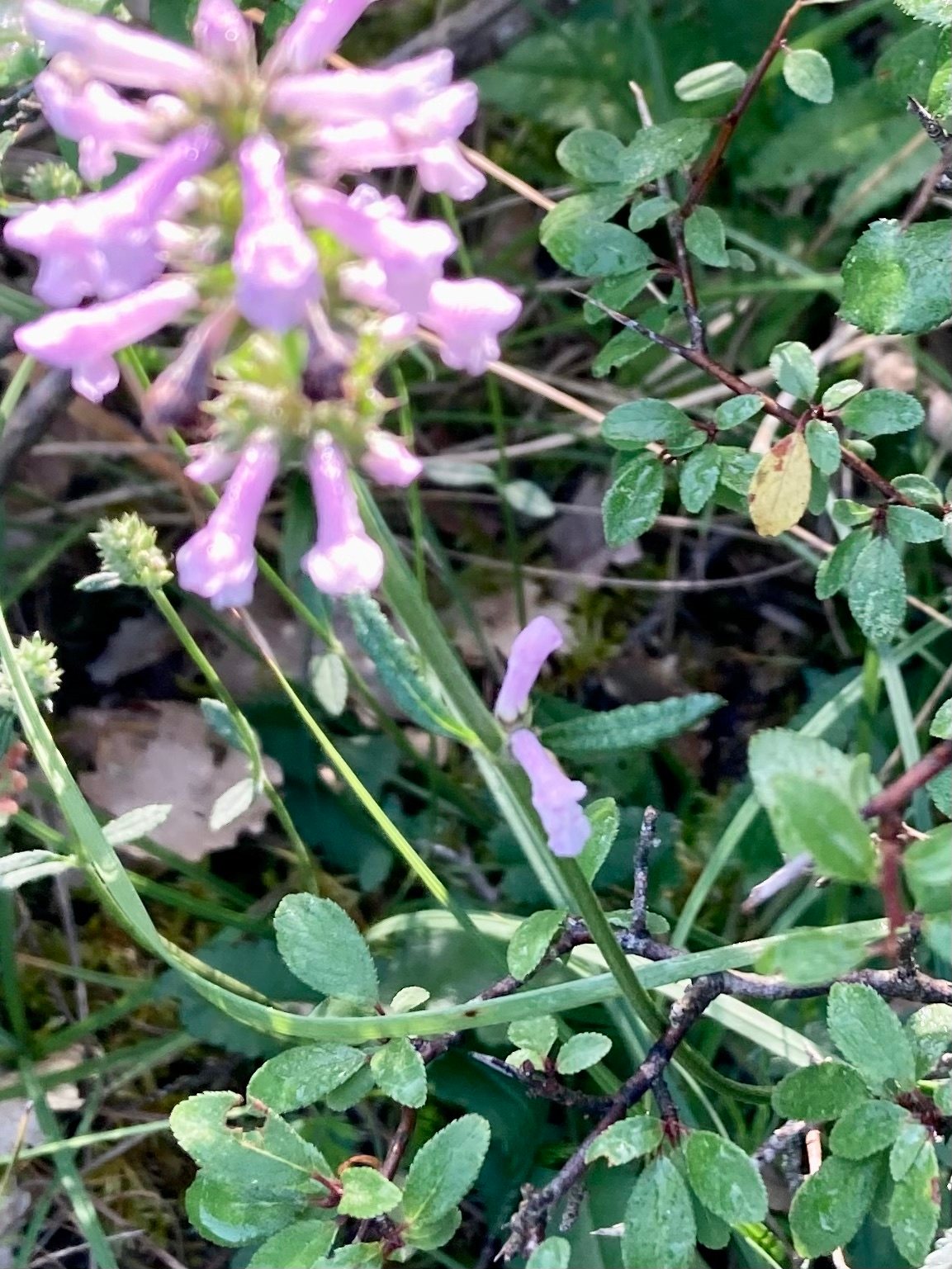
Betony is a clump-forming perennial with crinkled leaves and upright spikes of purple-pink flowers. Grow it for summer colour, bee forage and a natural-looking addition to borders or meadow planting; it tolerates light shade as well as sun.
At a glance
- Sun
- Full sun to partial shade; flowering is best with several hours of direct sun.
- Water
- Moderate; keep newly planted clumps watered, then water established plants during prolonged dry spells.
- Soil
- Well-drained but moisture-retentive soil, including loam and clay that does not remain waterlogged; tolerates acidic, neutral and alkaline conditions.
- Height
- 1-2 ft (0.3-0.6 m)
- Spread
- 1-1.5 ft (0.3-0.45 m)
- Flowers
- Summer into early autumn; purple-pink tubular flowers held in dense, upright spikes.
- Foliage
- Green, softly hairy, wrinkled leaves with rounded teeth, mostly forming a basal rosette. Leaves may persist through mild winters but usually die back in colder climates.
- Growth
- Moderate
- Care needed
- Low
The year at a glance
- Pollinators
- Cold hardy
- Low allergen
| J | F | M | A | M | J | J | A | S | O | N | D | |
|---|---|---|---|---|---|---|---|---|---|---|---|---|
| Flowers | ||||||||||||
| Fruit | ||||||||||||
| Plant |
Northern hemisphere months. In Australia, shift them by six.
- Difficulty
- Easy
- Toughness
- Very tough
Will it suit your garden?
Pick your zone, country, light and whether you have pets.
Full sun is 6 or more hours of direct sun a day, part shade 3 to 6 hours, shade under 3.
How it grows
Planting day
1 ft (0.3 m)
After 1 year
1.1 ft (0.35 m)
After 2 years
1.3 ft (0.4 m)
After 3 years
1.5 ft (0.45 m)
full size
About 3 years to full size.
From a typical nursery size, at an average rate for this kind of plant. A rule of thumb, not a forecast.
Good to know
- Cats and dogs
- Safe
- Native to
- the UK
- Growth rate
- Moderate
Care
Jobs through the year
- WaterApr–May, Sep, every 14 days
- Water established plants during prolonged dry spells; water new clumps more regularly.
- WaterJun–Aug, every 7 days
- Water deeply during drought, letting the surface dry slightly between waterings.
- PruneFeb–Mar
- Remove dead stems and winter-damaged leaves without damaging the crown.
- MulchMar–Apr
- Add a thin compost layer on poor soil, keeping it away from the crown.
- DivideMar–Apr, Sep
- Divide crowded clumps if flowering declines; prefer spring in colder gardens.
- DeadheadJul–Sep, every 14 days
- Cut spent spikes to basal leaves, leaving some if seedheads or seedlings are wanted.
- ProtectMar–Apr
- Inspect young shoots for slugs and hand-pick pests on damp evenings if needed.
- ProtectJan–Feb, Nov–Dec
- Keep the crown free of waterlogging and heavy wet debris.
- Water regularly through the first growing season, allowing the surface soil to dry slightly between waterings.
- Add a thin layer of compost in spring on poor soil; avoid heavy feeding.
- Mulch around plants to conserve moisture, keeping mulch away from the crown.
- Divide crowded clumps in spring or autumn if flowering declines.
- Avoid wet winter sites, especially in heavy soil.
Pruning. Cut faded flower stems back to the basal leaves after flowering, or leave some seedheads for natural seeding. Remove dead stems and damaged foliage in late winter or early spring before new growth develops.
Through the year
- Early spring
- Remove dead stems and winter-damaged leaves; apply a little compost if the soil is poor.
- Spring
- Plant or divide clumps and water them well while they establish.
- Summer
- Water during prolonged dry weather, particularly in sunny positions.
- Late summer
- Remove spent flower spikes for a tidier display, or retain a few for seed.
- Autumn
- Plant or divide while the soil is moist and workable; avoid autumn division where winters are severe.
- Winter
- Check that water is not collecting around the crowns.
In the garden
- Repeat small groups through a cottage border for upright summer colour.
- Mix with fine-textured grasses and oxeye daisies in meadow-style planting.
- Use along lightly shaded woodland edges with hardy geraniums.
- Plant near paths or seating where visiting bees can be watched.
Garden styles it suits: Cottage garden, English country, Wildflower, New perennial (prairie), Pollinator garden and Low-maintenance.
Plant it with: Oxeye daisy, Yarrow, Hardy geranium, Lady's mantle, Tufted hair grass and Field scabious.
Wildlife: Flowers provide nectar and pollen for bees, including bumblebees, and attract some butterflies. Leaving a few stems standing provides small-scale shelter for insects.
Problems to watch for
- Slugs and snails may eat young shoots: protect emerging growth and remove pests by hand on damp evenings.
- Powdery mildew can develop in dry, crowded planting: water during drought and divide congested clumps to improve airflow.
- Crown rot can kill plants in waterlogged soil: improve drainage or move plants to a better-drained position.
- Weak flowering or leaning stems can result from deep shade or excessive feeding: provide more light and stop high-nitrogen fertiliser.
Safety
Not known to be toxic to people, cats, dogs or horses, but reliable species-specific safety information is limited. No particular part is established as poisonous; its historical medicinal use does not establish that eating it or making home remedies is safe.
Easily confused with
Big betony (Betonica macrantha)
Has larger individual pink-purple flowers and broader, more distinctly heart-shaped leaves; ordinary betony has smaller flowers and more elongated basal leaves.
Hedge woundwort (Stachys sylvatica)
Has leafy, often branched stems, pointed heart-shaped leaves and a strong unpleasant smell when crushed; betony forms a clearer basal rosette with mostly unbranched flower stems.
Lamb's ears (Stachys byzantina)
Its thick, densely woolly silver-grey leaves are unlike betony's green, wrinkled leaves.
The name
The epithet officinalis refers to the plant's historical use in apothecaries and herbal medicine.
Propagation. Divide established clumps in spring or autumn. Sow seed in autumn in pots outdoors; germination can be irregular, and a period of winter cold may help. Seedlings may also appear around established plants.
Checked against open data
- Accepted botanical name
- Betonica officinalis
- In the US and Canada
- Introduced in Canada and the lower 48 states.
- Native range
- Albania, Algeria, Altay, Austria, Baltic States, Belarus, Belgium, Bulgaria, Central European Rus, Czechoslovakia, Denmark and East European Russia.
- Measured
- Soil pH 5.5 to 6.5. Average height 27 cm.
Sources: GBIF (CC BY 4.0), USDA PLANTS and Trefle (CC BY 4.0). The care and design notes are LandscapeGPT's own.
See it in your own yard.
Upload a photo of your yard and see it redesigned with plants that suit your climate, each checked against your zone.