Bilberry
Vaccinium myrtillus. Family Ericaceae. Shrub.
Also called European bilberry, Blaeberry, Whortleberry.
Bilberry is a low, deciduous shrub with small pinkish flowers, blue-black edible berries and red autumn foliage. Grow it as an edible groundcover in cool, acidic woodland conditions; it is less productive than cultivated blueberries and struggles in hot climates or alkaline soil.
At a glance
- Sun
- Partial shade or sun in cool climates; shelter from strong afternoon sun in warmer areas.
- Water
- Keep the shallow root zone consistently moist but not waterlogged; water carefully during dry spells and fruit development.
- Soil
- Acidic, humus-rich, moisture-retentive but well-drained soil, ideally pH 4.0-5.5; unsuitable for chalky or lime-rich ground.
- Height
- 0.5-2 ft (0.15-0.6 m)
- Spread
- 1-3 ft (0.3-0.9 m), eventually wider through underground stems
- Flowers
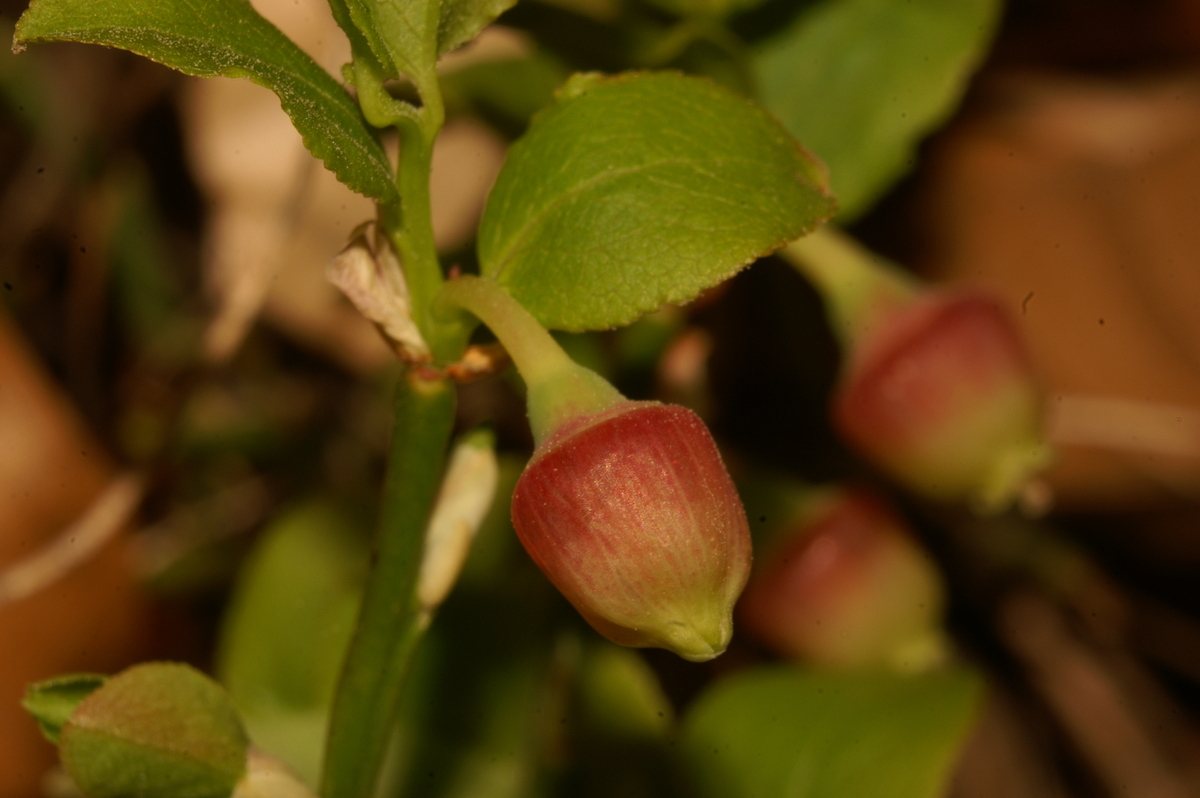
- Mid- to late spring; small, rounded, pale pink to pinkish-green flowers.
- Foliage
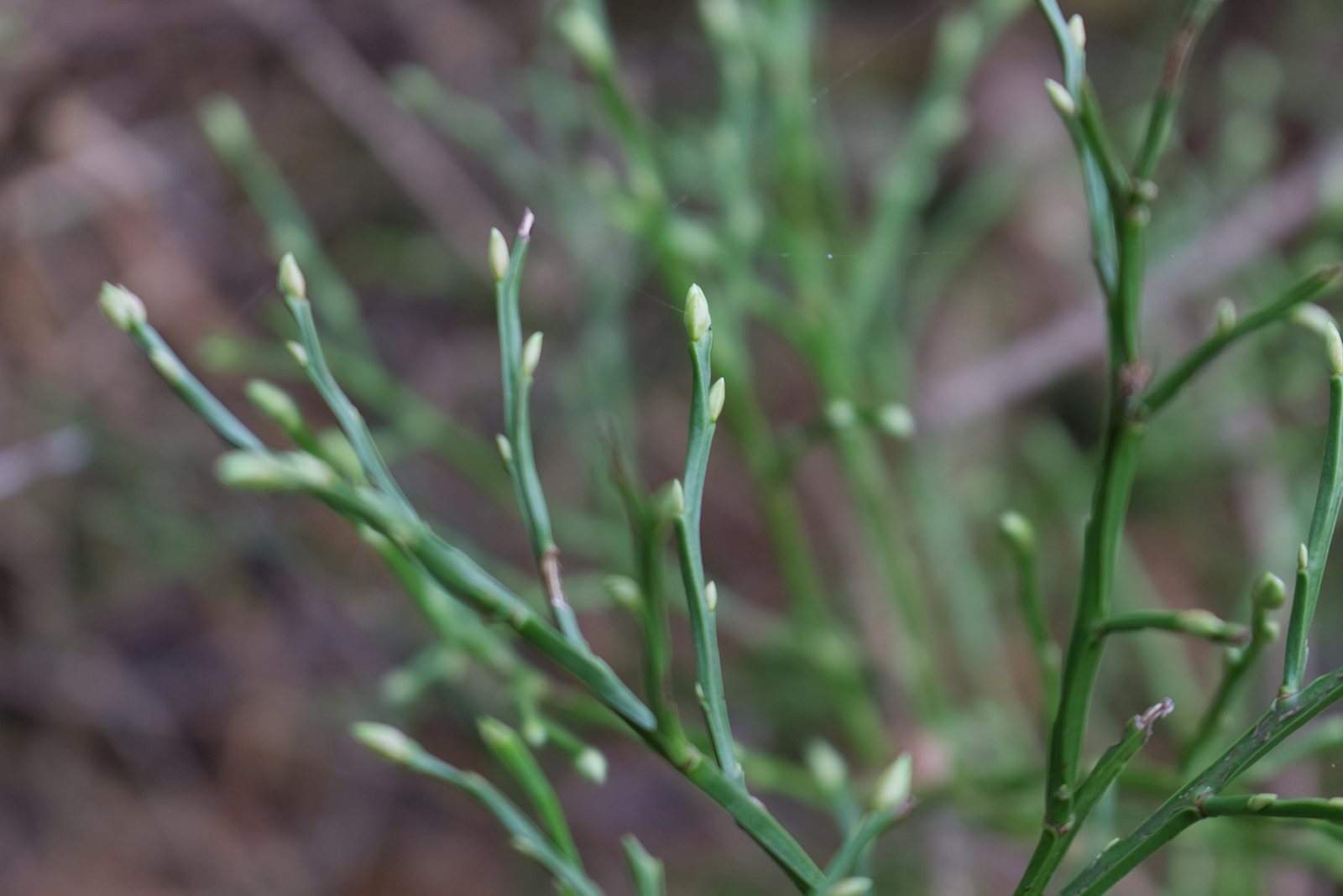
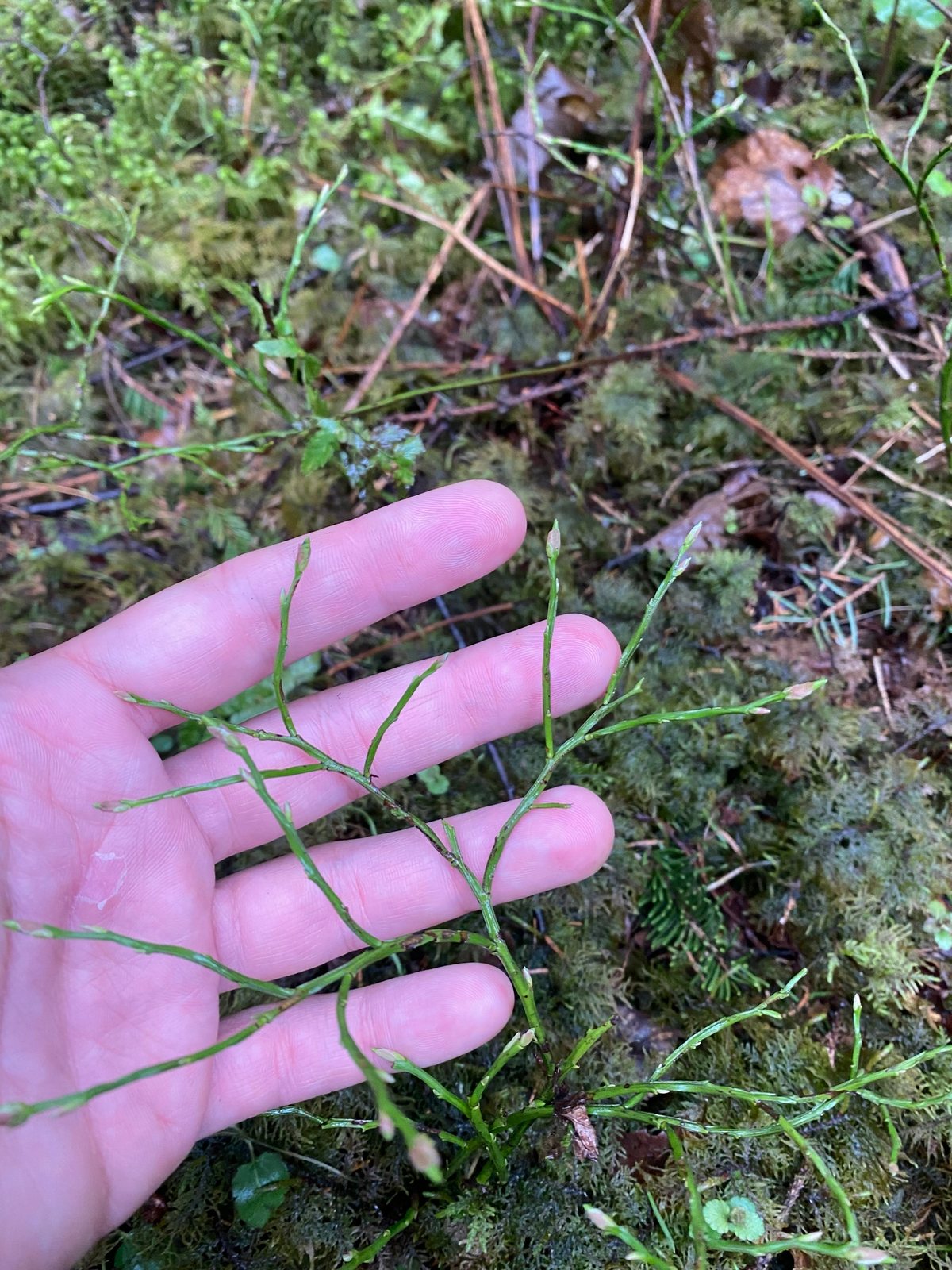
- Small, oval, finely toothed green leaves turn red or orange in autumn; young stems are green and sharply angled.
- Growth
- Slow to moderate; often slow to establish.
- Care needed
- Medium
The year at a glance
- Pollinators
- Cold hardy
- Wildlife
- Low allergen
- Edible
| J | F | M | A | M | J | J | A | S | O | N | D | |
|---|---|---|---|---|---|---|---|---|---|---|---|---|
| Flowers | ||||||||||||
| Fruit | ||||||||||||
| Plant |
Northern hemisphere months. In Australia, shift them by six.
- Difficulty
- Moderate
- Toughness
- Fairly tough
Will it suit your garden?
Pick your zone, country, light and whether you have pets.
Full sun is 6 or more hours of direct sun a day, part shade 3 to 6 hours, shade under 3.
How it grows
Planting day
1.2 ft (0.38 m)
full size
About 7 years to full size.
From a typical nursery size, at an average rate for this kind of plant. A rule of thumb, not a forecast.
Good to know
- Cats and dogs
- Safe
- Native to
- the US, Canada and the UK
- In the garden
- Spreads vigorously: plan to contain it.
- Growth rate
- Slow
Care
Jobs through the year
- WaterApr–May, Sep–Oct, every 7 days
- Check established plants and water during dry spells, preferably with rainwater; avoid waterlogging.
- WaterJun–Aug, every 3 days
- Check moisture and water as needed to keep shallow roots moist; young plants need closer attention.
- FeedApr
- Use a light acid-loving plant feed only if growth is weak; check soil acidity before treating yellow leaves.
- MulchApr
- Apply leaf mould or composted pine bark, keeping stem bases clear.
- PruneFeb–Mar
- Remove damaged or crossing stems and occasionally a few old stems from established plants.
- ProtectJul–Sep
- Use taut, supported wildlife-safe mesh if birds take fruit; check daily.
- HarvestJul–Sep
- Gently pick blue-black berries that soften slightly and detach easily.
- Plant in acidic soil and keep the root ball at its original depth.
- Water during dry spells, preferably with rainwater where tap water is alkaline.
- Mulch annually with leaf mould or composted pine bark, keeping mulch away from the stem bases.
- Avoid heavy feeding; use a light application of fertiliser for acid-loving plants in spring only if growth is weak.
- Avoid hoeing around the shallow roots and spreading underground stems.
- For better fruit set, grow several plants from genetically different stock rather than divisions of one plant.
Pruning. In late winter, remove dead, damaged or crossing stems. Once plants are established, occasionally cut a few of the oldest stems to ground level; avoid shearing, which removes fruiting growth.
Harvest
Pick berries in summer when they are fully blue-black beneath their dusty bloom, soften slightly and detach easily; the flesh and juice are dark purple. Harvest gently by hand, as the small berries bruise easily. Allow roughly 3-5 years from planting for a worthwhile crop, depending on plant size and growing conditions.
Through the year
- Late winter
- Remove dead wood and thin a few old stems from established plants.
- Spring
- Plant container-grown stock while conditions are cool and the soil is moist.
- Mid-spring
- Renew the acidic organic mulch and feed lightly only if needed.
- Late spring
- Keep flowering plants watered during dry weather and avoid insecticides while bees are visiting.
- Summer
- Pick ripe berries regularly; protect the crop with taut, wildlife-safe mesh if necessary.
- Autumn
- Plant or move small dormant plants after leaf fall, provided the soil is not frozen or waterlogged.
In the garden
- Use as a low edible layer beneath lightly shading trees on acidic soil.
- Plant in informal drifts with heathers for a heathland effect.
- Edge woodland paths where berries and autumn leaf colour can be enjoyed close up.
- Combine with small ferns and other acid-loving plants in a cool, naturalistic garden.
Garden styles it suits: Woodland, Edible landscape, Food forest, Wildlife garden, Cottage garden and Mountain lodge.
Plant it with: Heather, Lingonberry, Dwarf rhododendrons, Hard fern and Wavy hair-grass.
Wildlife: Flowers provide nectar and pollen for bees, especially bumblebees. Birds and small mammals eat the berries, and established patches provide low cover.
Problems to watch for
- Yellow leaves with greener veins often indicate excessive soil pH: check the pH and move plants to suitable acidic soil or an ericaceous container mix rather than repeatedly feeding.
- Wilting or scorched leaves during hot, dry weather: water deeply, mulch and provide afternoon shade.
- Root rot in saturated ground: improve drainage or move plants to a raised acidic bed; do not leave containers standing in water.
- Birds taking ripening berries: use taut, wildlife-safe mesh supported clear of the plants and check it daily.
Safety
Not known to be toxic to people, cats, dogs or horses. Ripe berries are edible, though large amounts may cause digestive upset; leaves are not a routine food, and the safety of concentrated leaf preparations is uncertain.
Easily confused with
Bog bilberry (Vaccinium uliginosum)
Has rounded, brownish stems and generally bluish-green leaves with smooth margins; its berries have pale flesh rather than bilberry's dark purple flesh.
Highbush blueberry (Vaccinium corymbosum)
Usually a much taller shrub with larger leaves and berries borne in clusters; the berries normally have pale flesh.
Lingonberry (Vaccinium vitis-idaea)
Has evergreen, leathery leaves with rolled margins and dark dots beneath; ripe berries are red rather than blue-black.
The name
The species name myrtillus means 'little myrtle', referring to the resemblance of its leaves to those of myrtle.
Propagation. Separate rooted shoots from an established patch during dormancy, keeping roots moist and disturbing the parent plant as little as possible. Seed is slow and variable; surface-sow ripe, cleaned seed in acidic compost and expose it to a natural winter in a protected cold frame.
Checked against open data
- Accepted botanical name
- Vaccinium myrtillus
- In the US and Canada
- Native in Canada and the lower 48 states. Introduced in Greenland.
- Native range
- Albania, Alberta, Altay, Amur, Arizona, Austria, Baltic States, Belarus, Belgium, British Columbia, Bulgaria and Buryatiya.
- Measured
- Soil pH 4 to 4.5. Average height 12 cm.
Sources: GBIF (CC BY 4.0), USDA PLANTS and Trefle (CC BY 4.0). The care and design notes are LandscapeGPT's own.
See it in your own yard.
Upload a photo of your yard and see it redesigned with plants that suit your climate, each checked against your zone.