Bird's nest spruce
Picea abies 'Nidiformis'. Family Pinaceae. Shrub.
Also called Nest spruce, Bird's nest Norway spruce.
This slow-growing dwarf Norway spruce forms a broad evergreen mound, usually with a shallow dip in the centre that resembles a bird's nest. Grow it for its compact shape and year-round green needles in borders, rock gardens or foundation plantings; it performs best where summers are not excessively hot.
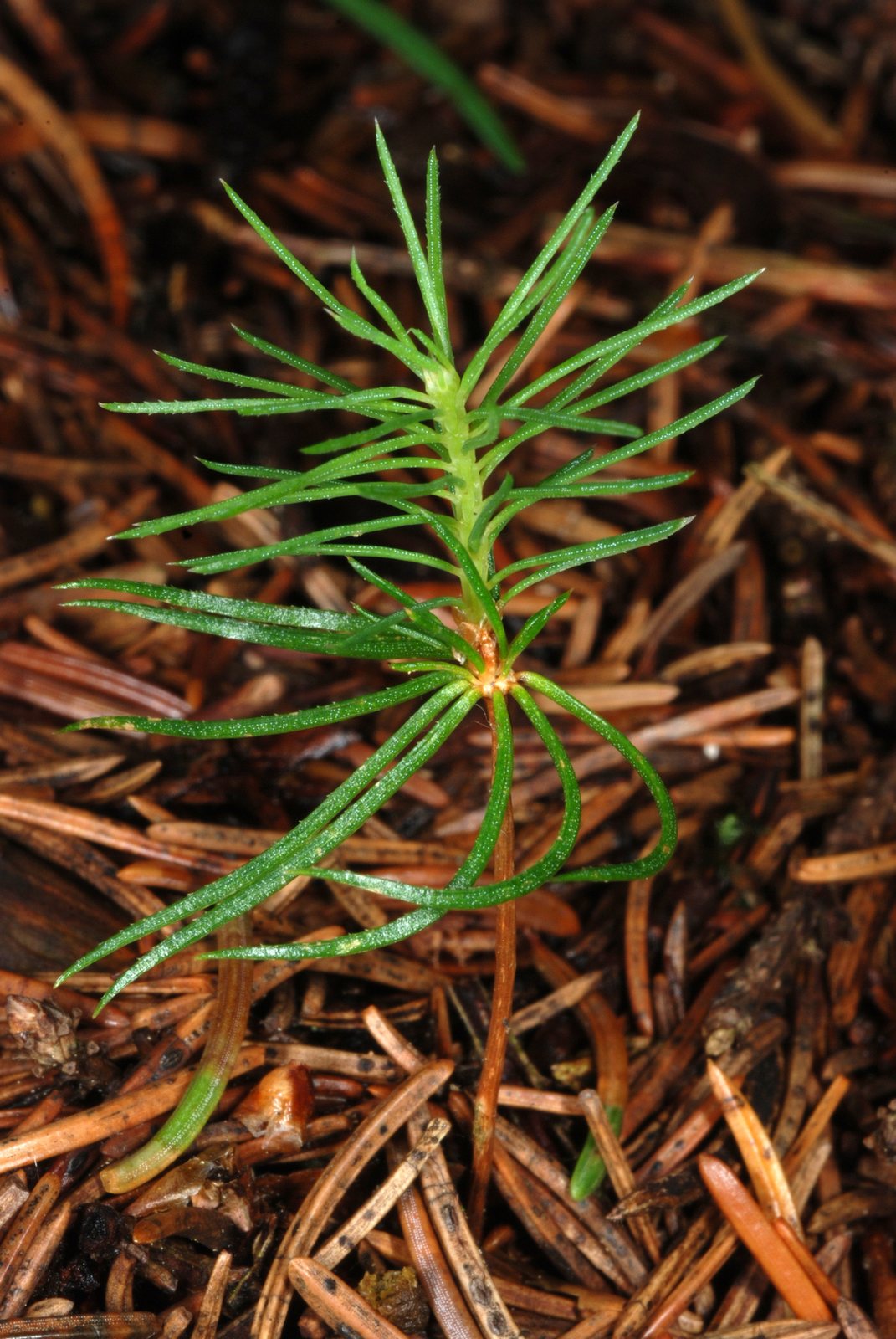
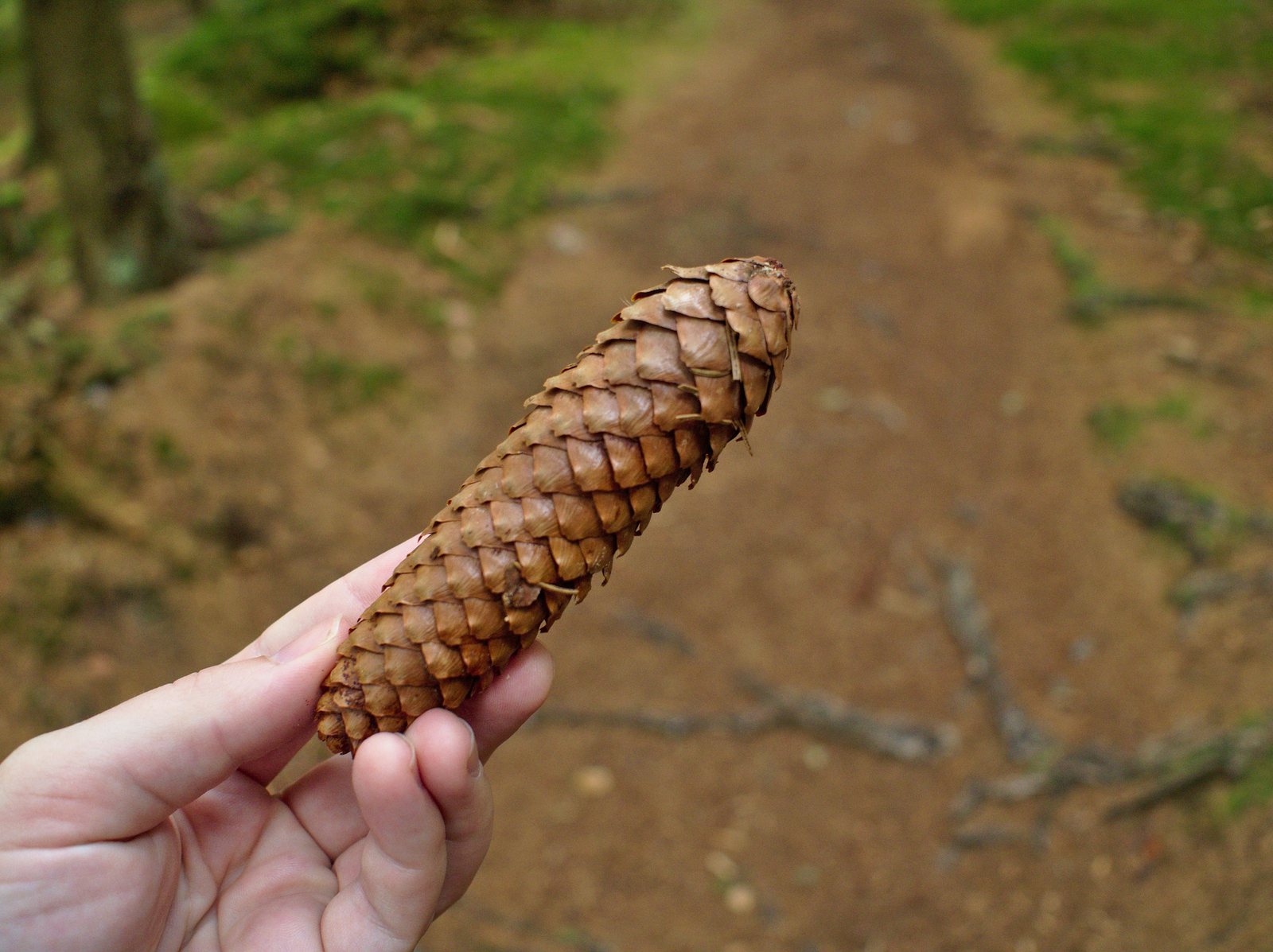
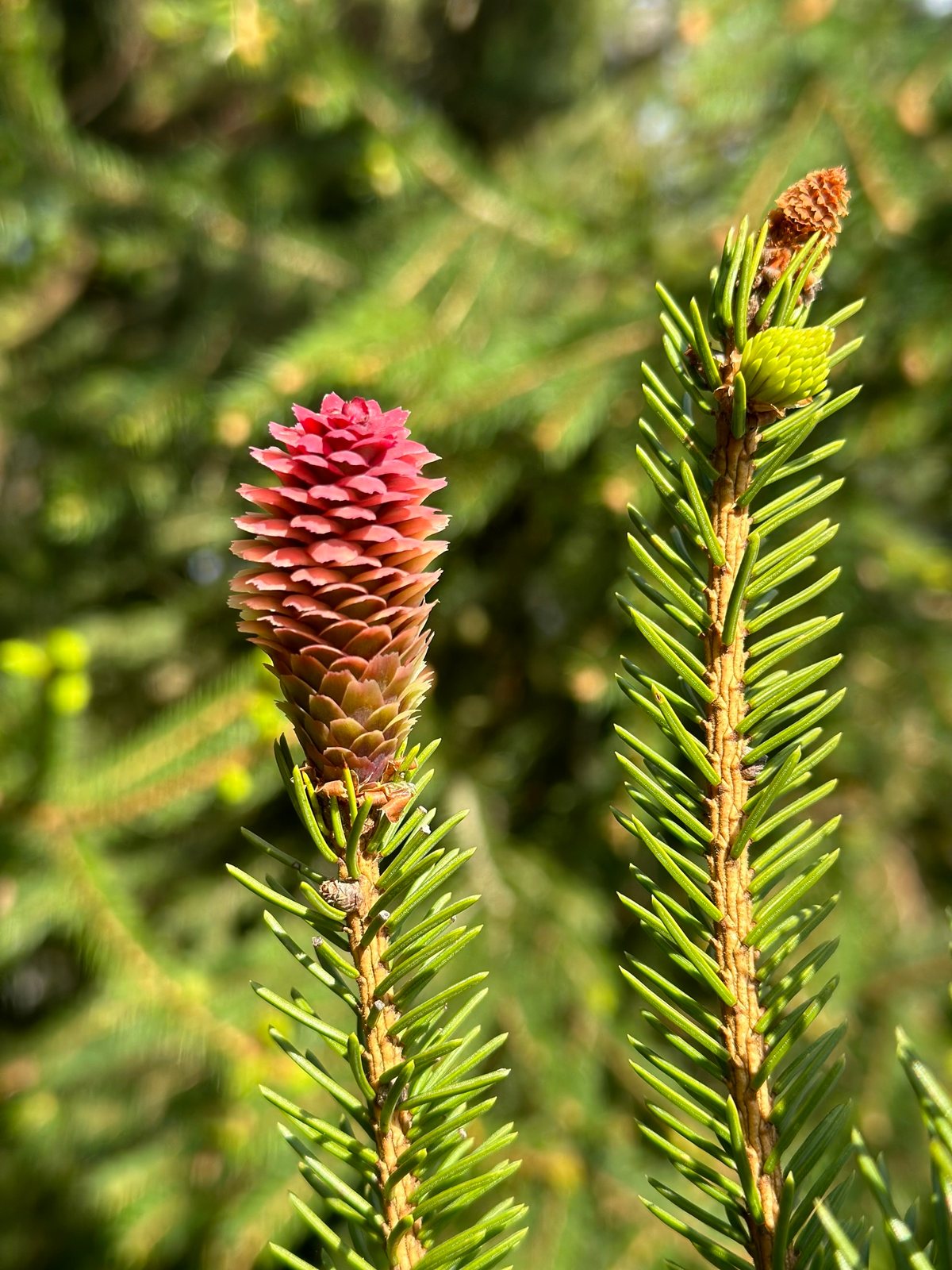
At a glance
- Sun
- Full sun to light partial shade; some afternoon shade helps in warmer locations.
- Water
- Moderate; keep the root zone evenly moist but not waterlogged, especially during establishment and dry summers.
- Soil
- Moist, well-drained soil, preferably slightly acidic. Tolerates loam, sandy soil and clay if drainage is adequate; avoid persistently wet or strongly alkaline ground.
- Height
- 3-4 ft (0.9-1.2 m), occasionally taller after many decades
- Spread
- 4-6 ft (1.2-1.8 m), sometimes reaching 8 ft (2.4 m) with age
- Foliage
- Evergreen. Short, stiff green needles surround densely branched shoots. Fresh spring growth is lighter green; the central depression may become less distinct with age.
- Growth
- Slow, usually about 2-4 in (5-10 cm) per year once established.
- Care needed
- Low
The year at a glance
- Deer resistant
- Cold hardy
- Wildlife
| J | F | M | A | M | J | J | A | S | O | N | D | |
|---|---|---|---|---|---|---|---|---|---|---|---|---|
| Plant |
Northern hemisphere months. In Australia, shift them by six.
- Difficulty
- Easy
- Toughness
- Fairly tough
Will it suit your garden?
Pick your zone, country, light and whether you have pets.
Full sun is 6 or more hours of direct sun a day, part shade 3 to 6 hours, shade under 3.
How it grows
Planting day
1.6 ft (0.5 m)
After 1 year
1.9 ft (0.57 m)
After 2 years
2.1 ft (0.64 m)
After 3 years
2.3 ft (0.71 m)
After 5 years
2.8 ft (0.84 m)
About 8 years to full size.
From a typical nursery size, at an average rate for this kind of plant. A rule of thumb, not a forecast.
Good to know
- Cats and dogs
- Safe
- Growth rate
- Slow
Care
Jobs through the year
- WaterApr–May, Sep–Nov, every 14 days
- Water established plants deeply if soil is dry; water more often during the first two growing seasons.
- WaterJun–Aug, every 7 days
- Water established plants during dry spells to keep roots moderately moist, never waterlogged.
- MulchMar, Oct
- Maintain 5–8 cm of organic mulch over roots, keeping stems clear.
- PruneMay–Jun
- Trim fresh growth lightly only if needed; remove dead branches and never cut into bare old wood.
- ProtectJan–Feb, Nov–Dec
- Keep de-icing salt away and gently brush off heavy wet snow without striking frozen branches.
- Plant with the root flare at soil level and leave room for its eventual width.
- Water deeply during dry spells for the first two growing seasons; check established plants during prolonged drought.
- Apply 2-3 in (5-8 cm) of organic mulch over the root zone, keeping it clear of the stems.
- Feed only if growth is weak or a soil test shows a deficiency; avoid heavy nitrogen feeding.
- Brush off heavy, wet snow gently if it is bending branches; do not strike frozen growth.
Pruning. Little pruning is needed. Remove dead or damaged branches when noticed, and lightly shorten unwanted fresh growth in late spring if necessary; do not cut into bare old wood, which rarely regrows.
Through the year
- Spring
- Plant when the soil is workable and not waterlogged; water thoroughly and mulch.
- Late spring
- Check new growth and lightly trim only if needed to preserve the low, spreading outline.
- Summer
- Check soil moisture during dry weather and inspect pale or stippled needles for spider mites.
- Autumn
- Refresh mulch without burying stems, and water well before winter if the soil is dry.
- Winter
- Check for branches bent by wet snow and protect plants near paths from de-icing salt.
In the garden
- Use at the front of a mixed shrub border for a low evergreen mound beneath taller deciduous shrubs.
- Place among rocks with dwarf conifers and small perennials for contrasting shapes and textures.
- Repeat beside a path or entrance for structure without regular clipping, allowing space for its mature spread.
- Combine with heathers and spring bulbs in a cool-climate garden with acidic, well-drained soil.
Garden styles it suits: Low-maintenance, Winter interest, Alpine rock garden, Japanese, Traditional and Small-space.
Plant it with: Heather, Winter heath, Dwarf Japanese maple, Hosta, Siberian iris and Snowdrops.
Wildlife: Dense evergreen branches provide shelter for small birds and invertebrates. Cones are uncommon on this dwarf cultivar, so it offers less seed food than a full-sized Norway spruce.
Problems to watch for
- Spruce spider mites cause fine stippling, dull needles and sometimes webbing, especially in cool spring or autumn weather. Confirm mites by tapping foliage over white paper; wash affected growth with water and use a labelled treatment if damage continues.
- Root rot can cause browning and dieback in waterlogged soil. Improve drainage and reduce watering; badly affected plants may need replacing in a better-drained position.
- Heat and drought can scorch needles, particularly near paving or reflected heat. Mulch, water deeply during dry periods and choose a cooler site in warmer regions.
- Winter burn and salt injury can brown exposed needles. Water before the ground freezes if autumn is dry, shelter young plants from drying winds and keep de-icing salt away.
Safety
Not known to be toxic to people, cats, dogs or horses. The needles are stiff and pointed, so chewing them can irritate the mouth or digestive tract; sap may irritate sensitive skin.
Easily confused with
Little Gem Norway spruce (Picea abies 'Little Gem')
Usually forms a smaller, tighter cushion with shorter needles and finer, denser growth rather than the broader, more open nest shape.
Dwarf Alberta spruce (Picea glauca 'Conica')
Forms a dense upright cone rather than a low, spreading mound with a depressed centre.
Nest-form Japanese spruce (Picea jezoensis 'Nana')
Can form a similar broad mound, but its flatter needles have conspicuous pale bands beneath; bird's nest spruce has four-sided needles that are green all around.
The name
The cultivar name 'Nidiformis' means nest-shaped, referring to the shallow central hollow that also gives bird's nest spruce its common name.
Propagation. Usually propagated commercially from semi-ripe cuttings or by grafting. Cuttings can be slow and difficult to root; seedlings will not reliably retain the dwarf bird's-nest form.
Checked against open data
- Accepted botanical name
- Picea abies
- In the US and Canada
- Introduced in Canada and the lower 48 states.
- Native range
- Albania, Austria, Baltic States, Belarus, Bulgaria, Central European Rus, Czechoslovakia, East European Russia, Finland, France, Germany and Greece.
- Measured
- Soil pH 5 to 7. Average height 2250 cm.
Sources: GBIF (CC BY 4.0), USDA PLANTS and Trefle (CC BY 4.0). The care and design notes are LandscapeGPT's own.
See it in your own yard.
Upload a photo of your yard and see it redesigned with plants that suit your climate, each checked against your zone.