Bistort 'Superba'
Bistorta officinalis 'Superba'. Family Polygonaceae. Perennial.
Also called Common bistort 'Superba', Persicaria bistorta 'Superba', Polygonum bistorta 'Superba'.
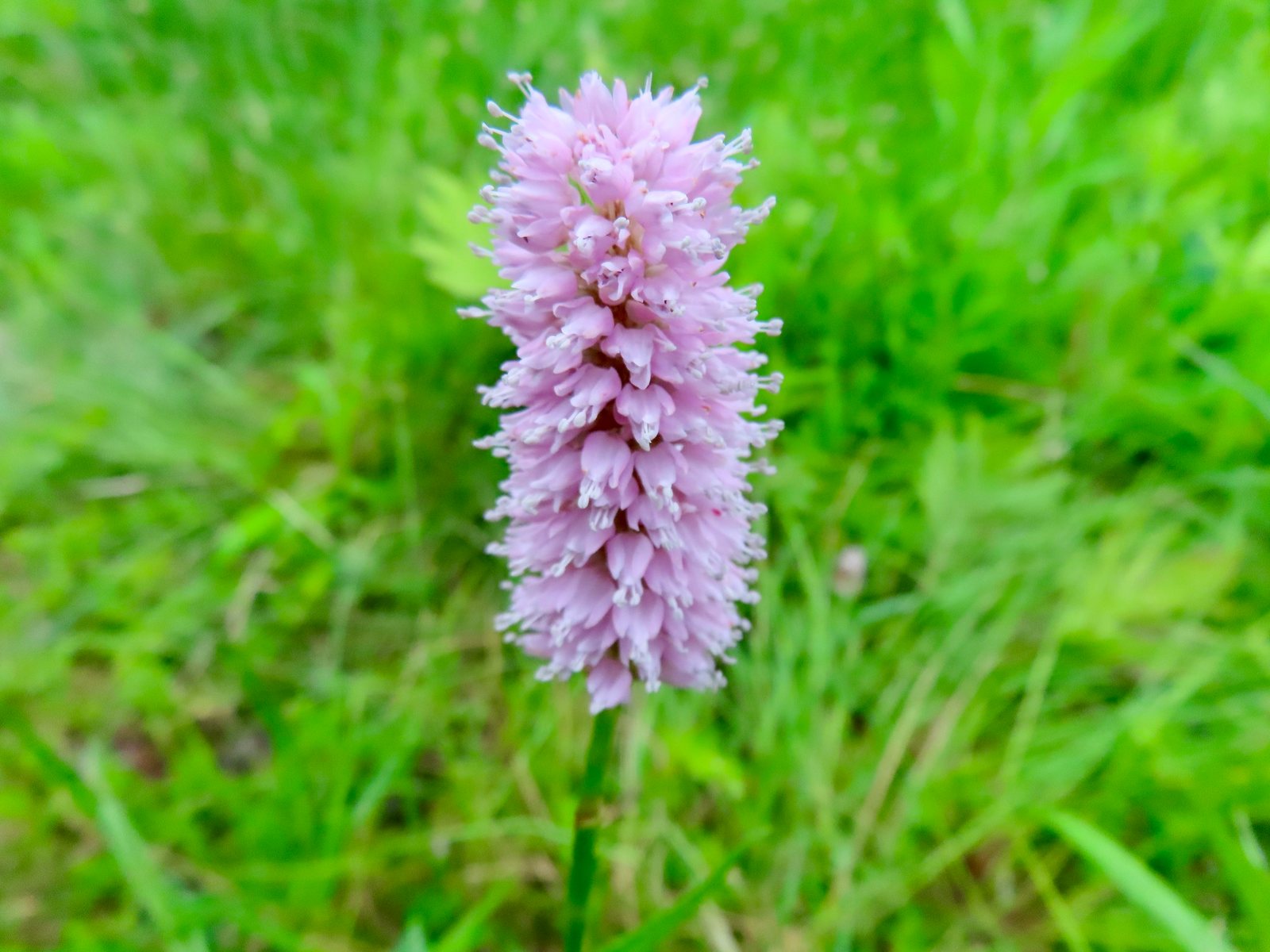
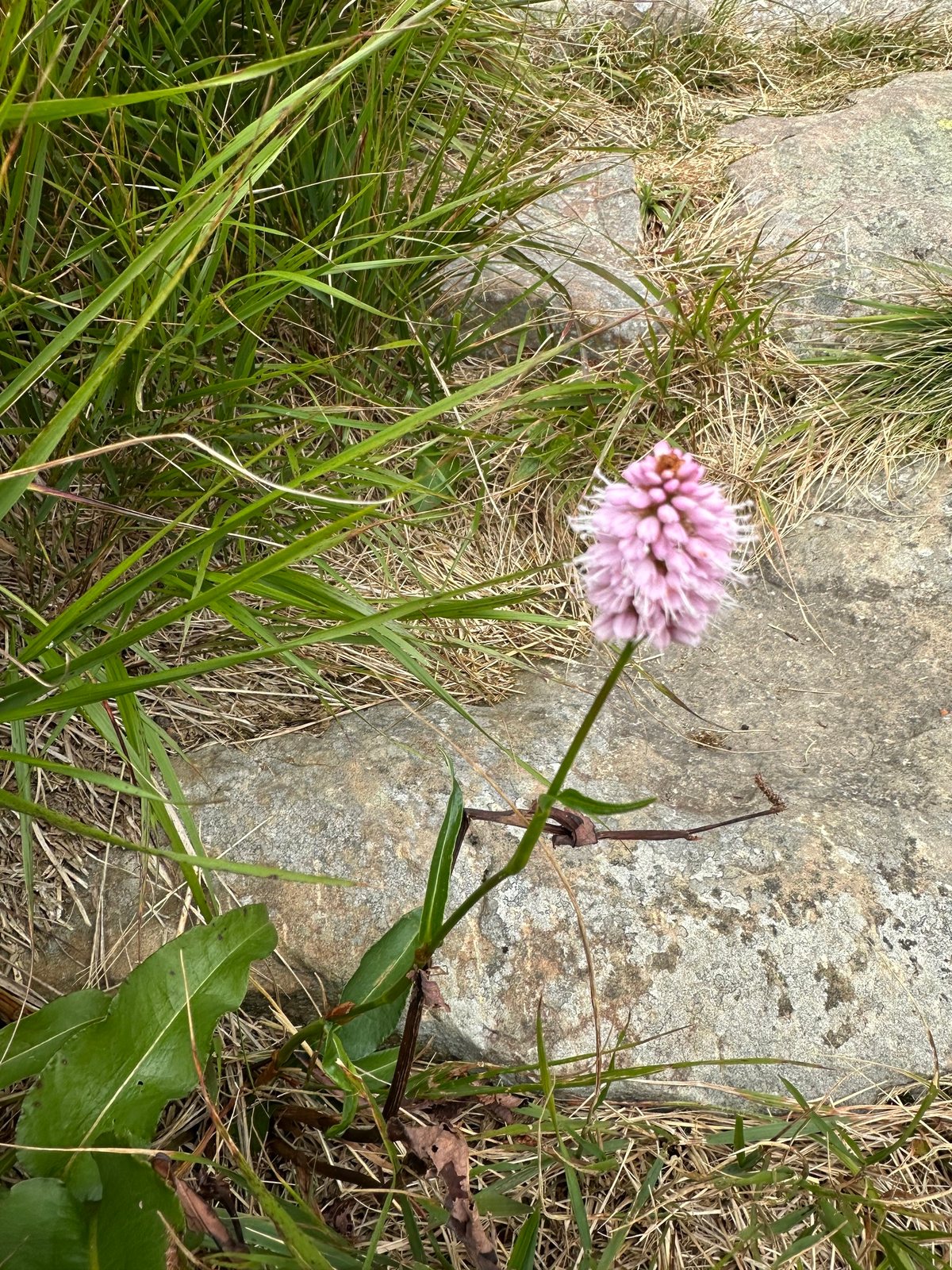
A hardy, clump-forming perennial with broad green leaves and dense, soft pink flower spikes in late spring and early summer. Gardeners grow it for its upright flowers and spreading foliage in moist borders, meadow-style planting and beside ponds. It spreads by underground rhizomes and needs room or occasional thinning.
At a glance
- Sun
- Full sun where the soil stays moist; partial shade in warmer gardens.
- Water
- Keep the root zone consistently moist, especially during establishment and summer dry spells. Poorly suited to hot, dry gardens.
- Soil
- Moist, humus-rich soil, including moisture-retentive clay. Tolerates a broad pH range; avoid dry, thin soil and permanently submerged planting.
- Height
- 2-3 ft (0.6-0.9 m)
- Spread
- 2-3 ft (0.6-0.9 m), spreading farther over time
- Flowers
- Dense, pale to mid-pink spikes in late spring and early summer; occasional later flowers after cutting back.
- Foliage
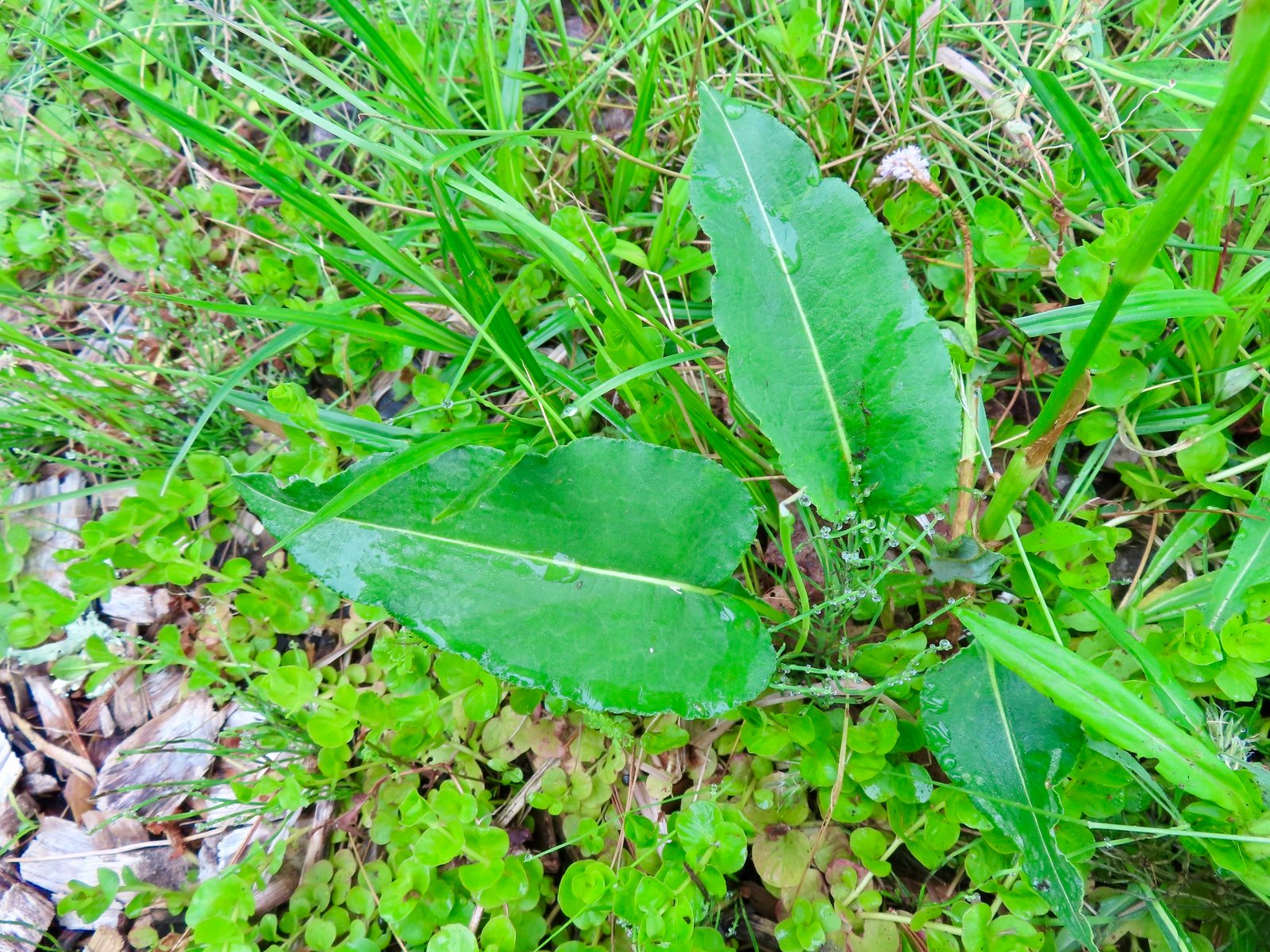
- Broad, oblong green basal leaves with prominent veins, often forming a dense carpet; smaller leaves grow along the flowering stems. Dies back in winter.
- Growth
- Moderate to fast in moist, fertile soil
- Care needed
- Medium
The year at a glance
- Pollinators
- Cold hardy
- Wildlife
- Low allergen
| J | F | M | A | M | J | J | A | S | O | N | D | |
|---|---|---|---|---|---|---|---|---|---|---|---|---|
| Flowers | ||||||||||||
| Plant |
Northern hemisphere months. In Australia, shift them by six.
- Difficulty
- Easy
- Toughness
- Fairly tough
Will it suit your garden?
Pick your zone, country, light and whether you have pets.
Full sun is 6 or more hours of direct sun a day, part shade 3 to 6 hours, shade under 3.
How it grows
Planting day
1 ft (0.3 m)
After 1 year
1.6 ft (0.49 m)
After 2 years
2.2 ft (0.68 m)
After 3 years
2.5 ft (0.75 m)
full size
About 2 years to full size.
From a typical nursery size, at an average rate for this kind of plant. A rule of thumb, not a forecast.
Good to know
- Cats and dogs
- Safe
- Native to
- the US, Canada and the UK
- In the garden
- Spreads vigorously: plan to contain it.
- Growth rate
- Fast
Care
Jobs through the year
- WaterApr–May, Sep–Oct, every 7 days
- Water established clumps when rainfall is insufficient to keep soil moist; water new divisions more often.
- WaterJun–Aug, every 4 days
- In dry weather, water deeply to maintain consistent moisture without waterlogging.
- MulchMar–Apr
- Apply compost or leaf mould around clumps, keeping emerging shoots clear.
- PruneMar
- Remove dead foliage before new growth and lift rhizomes spreading beyond the allotted space.
- DeadheadJun–Jul
- Cut spent flower stems to basal leaves after the main flush to encourage occasional later flowers.
- DivideMar–Apr, Sep
- Divide congested or oversized clumps in spring or early autumn; remove unwanted rhizomes.
- ProtectMar–May
- Check emerging leaves for slugs and snails and control them if damage is significant.
- Water deeply during dry spells rather than allowing the root zone to dry out.
- Apply a thin layer of garden compost in spring; routine heavy feeding is unnecessary.
- Mulch to conserve moisture, keeping mulch clear of emerging shoots.
- Divide congested clumps in spring or early autumn.
- Lift unwanted rhizomes at the edge of the planting before they grow through neighbouring plants.
Pruning. Cut faded flower stems back to the basal leaves after the main flowering period; this may encourage a smaller second flush. Remove dead foliage in late autumn or before new growth starts in spring.
Through the year
- Early spring
- Remove dead foliage and check for rhizomes spreading beyond the intended area.
- Spring
- Plant or divide clumps, water thoroughly and apply compost mulch.
- Late spring
- Check soil moisture as flower stems develop and water during dry weather.
- Early summer
- Cut spent flower stems down to the basal foliage.
- Summer
- Maintain moisture and remove unwanted shoots from neighbouring plants.
- Early autumn
- Divide or reduce established patches while the soil is moist and still warm.
In the garden
- Plant in broad groups through a moist perennial border for repeated pink vertical accents.
- Use beside a pond or stream above the permanently flooded margin.
- Combine with moisture-loving grasses and perennials for a meadow-style planting.
- Use its broad foliage as spreading ground cover between larger plants in lightly shaded borders.
Garden styles it suits: Cottage garden, English country, New perennial (prairie), Bog garden, Wildlife garden and Blues and silvers.
Plant it with: Siberian iris, Globeflower, Astilbe, Meadowsweet, Tufted hair grass and Hosta.
Wildlife: The flowers provide nectar and pollen for bees and other visiting insects. Dense foliage offers shelter for small invertebrates.
Problems to watch for
- Dry soil can cause wilting, scorched leaves and early dormancy; water deeply, mulch and provide afternoon shade in warm sites.
- Rhizomes can crowd smaller neighbours; lift and remove surplus growth in spring or autumn.
- Slugs and snails may damage young leaves; inspect emerging shoots and use barriers or locally approved controls if damage is significant.
Safety
Not known to be toxic to people, cats, dogs or horses. The plant contains tannins, especially in the rhizomes; this is not a guarantee that large quantities are safe to eat, so discourage pets and livestock from feeding heavily on it.
Where it spreads. Can spread aggressively by rhizomes in moist garden soil, including gardens in the United Kingdom and cooler parts of North America. Keep it away from small, slow-growing plants and remove unwanted spread; this garden behaviour does not by itself mean it is officially listed as invasive.
Easily confused with
Red bistort (Bistorta amplexicaulis)
Usually has taller, branched stems, narrower pointed leaves that clasp the stems, and slimmer flower spikes appearing mainly from summer into autumn.
Lesser bistort (Bistorta affinis)
Forms a much lower carpet of smaller leaves, with shorter flower stems; its pink spikes often deepen towards red as they age.
The name
Bistorta comes from Latin words meaning 'twice twisted', referring to the twisted rhizome, while officinalis records the plant's historical medicinal use.
Propagation. Divide rhizomes in spring or early autumn, retaining healthy roots and growing buds on each piece. Division preserves 'Superba'; seedlings may not match the cultivar.
Checked against open data
- Accepted botanical name
- Bistorta officinalis
- In the US and Canada
- Native in Alaska, Canada and the lower 48 states. Introduced in Canada and the lower 48 states.
- Native range
- Albania, Altay, Amur, Assam, Austria, Baltic States, Belarus, Belgium, Bulgaria, Buryatiya, Central European Rus and China North-Central.
- Measured
- Soil pH 6.5 to 7. Average height 16 cm.
Sources: GBIF (CC BY 4.0), USDA PLANTS and Trefle (CC BY 4.0). The care and design notes are LandscapeGPT's own.
See it in your own yard.
Upload a photo of your yard and see it redesigned with plants that suit your climate, each checked against your zone.