Bloodroot
Sanguinaria canadensis. Family Papaveraceae. Perennial.
Also called Redroot, Red puccoon.
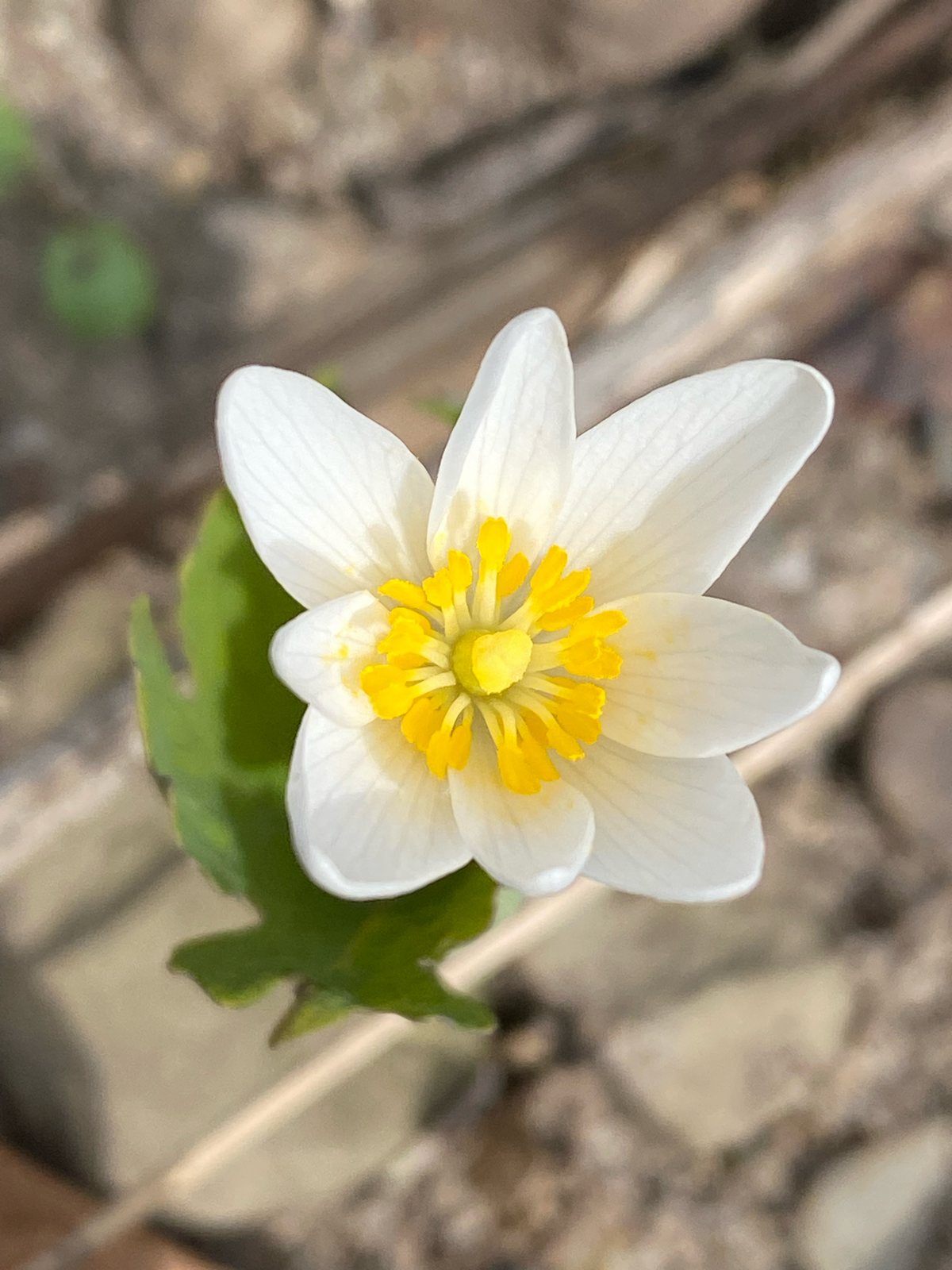
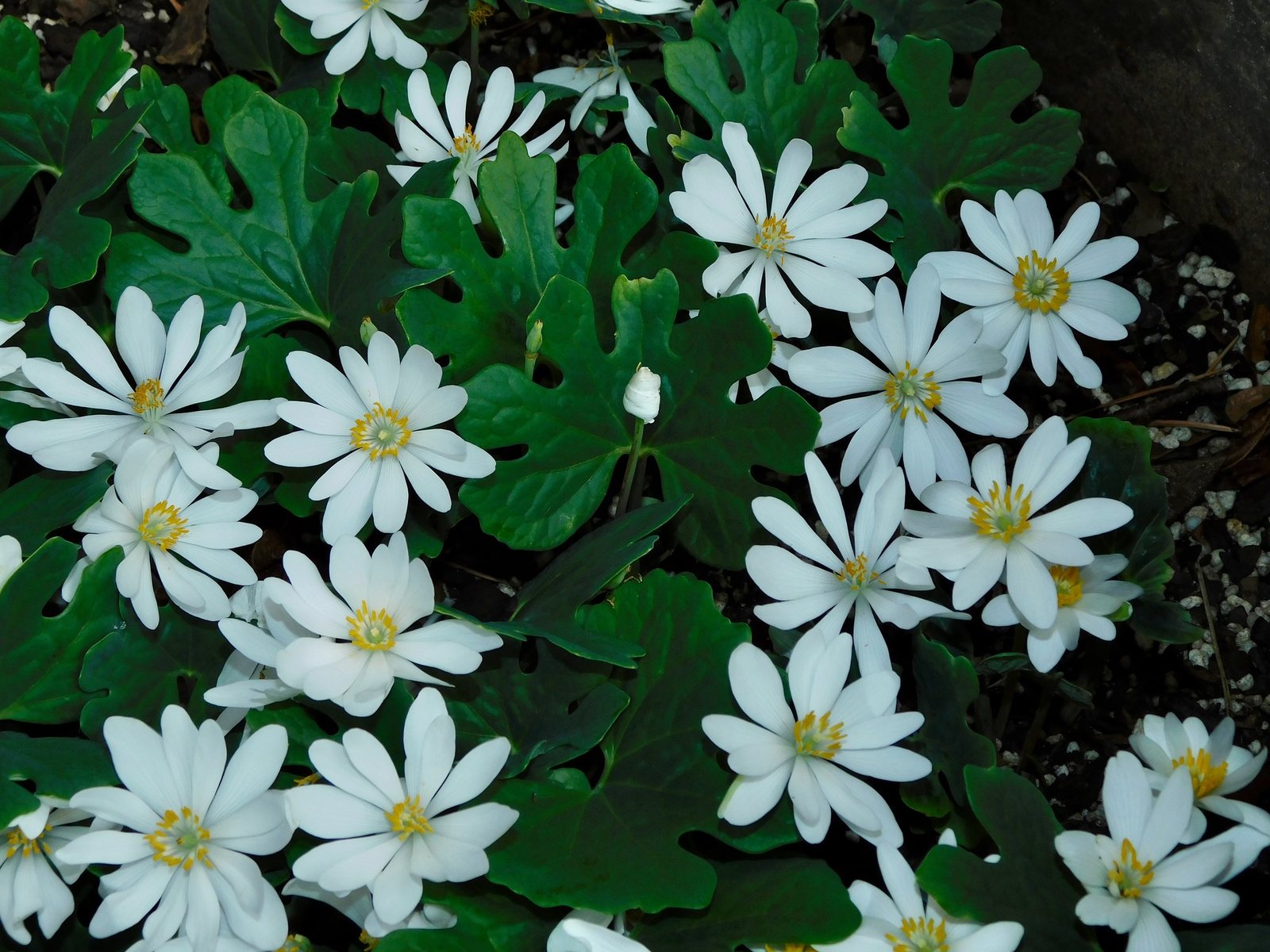
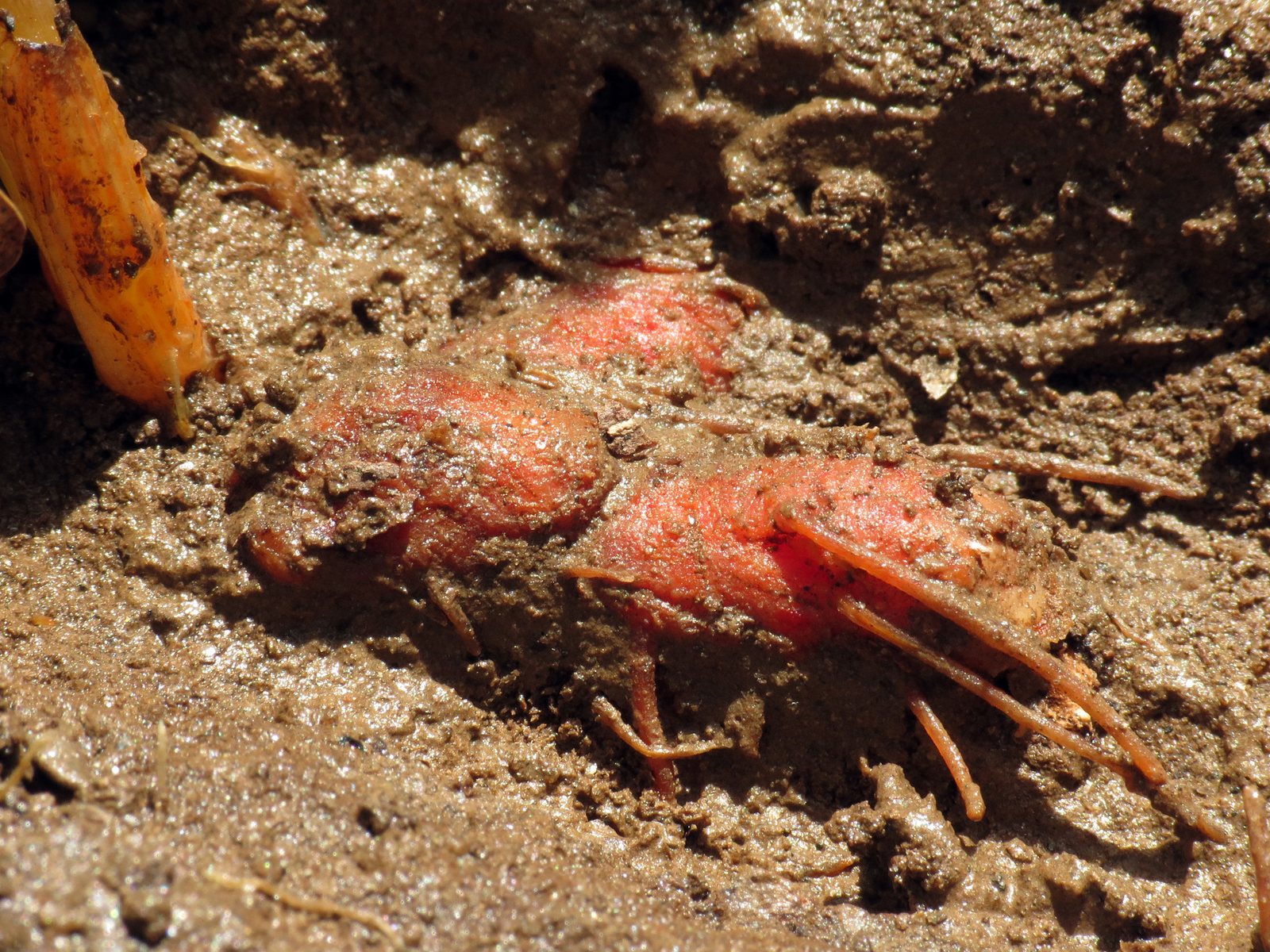
Bloodroot is an eastern North American woodland perennial grown for its white spring flowers and rounded, lobed leaves. It slowly forms colonies beneath deciduous trees, then usually goes dormant in summer, especially in dry conditions. All parts are poisonous, and its orange-red sap can damage skin.
At a glance
- Sun
- Partial shade; spring sunshine beneath deciduous trees suits it well. Avoid hot afternoon sun.
- Water
- Keep evenly moist during spring growth. Once dormant, allow slightly drier conditions but do not let the rhizomes dry out completely.
- Soil
- Humus-rich, well-drained soil, preferably neutral to slightly acidic; avoid waterlogged ground.
- Height
- 0.5-1 ft (0.15-0.3 m)
- Spread
- 0.5-1 ft (0.15-0.3 m) per plant, gradually forming wider colonies
- Flowers
- Early to mid-spring; white flowers with yellow stamens, opening in sunshine and closing at night or in dull weather. Individual flowers are short-lived.
- Foliage
- Rounded, deeply lobed, grey-green leaves emerge wrapped around the flower stems and expand after flowering. Foliage usually dies back during summer.
- Growth
- Slow to moderate
- Care needed
- Low
The year at a glance
- Pollinators
- Deer resistant
- Cold hardy
- Low allergen
| J | F | M | A | M | J | J | A | S | O | N | D | |
|---|---|---|---|---|---|---|---|---|---|---|---|---|
| Flowers | ||||||||||||
| Plant |
Northern hemisphere months. In Australia, shift them by six.
- Difficulty
- Moderate
- Toughness
- Fairly tough
Will it suit your garden?
Pick your zone, country, light and whether you have pets.
Full sun is 6 or more hours of direct sun a day, part shade 3 to 6 hours, shade under 3.
How it grows
Planting day
0.7 ft (0.22 m)
full size
About 4 years to full size.
From a typical nursery size, at an average rate for this kind of plant. A rule of thumb, not a forecast.
Good to know
- Cats and dogs
- Toxic
- Native to
- the US and Canada
- Growth rate
- Slow
Care
Jobs through the year
- WaterMar–May, every 7 days
- Water established clumps when rain is insufficient to keep spring soil evenly moist; monitor new plants more closely.
- WaterJun–Sep, every 21 days
- During dormancy, water only if soil is drying deeply; never let rhizomes dry out completely.
- MulchOct–Nov
- Apply a light, loose layer of leaf mould without smothering the crowns.
- DivideAug–Sep
- Divide only when necessary; wear gloves and promptly replant shallow rhizomes.
- ProtectMar–Apr, every 7 days
- Check emerging shoots for slugs and snails and hand-pick pests after dark.
- ProtectMay–Jun
- Mark clump positions before foliage disappears and leave green leaves intact.
- Plant nursery-propagated rhizomes shallowly in humus-rich soil; do not collect plants from the wild.
- Water during dry spells while leaves are growing, especially in the first year.
- Apply a light layer of leaf mould in autumn, keeping it loose rather than packing it over emerging shoots.
- Leave fallen deciduous leaves as a natural mulch where they do not form a thick, smothering mat.
- Mark dormant clumps so you do not dig into them during summer planting.
- Divide only when needed, in late summer or early autumn; wear gloves when handling rhizomes.
Pruning. No routine pruning is needed. Let leaves yellow and collapse naturally, then remove them only if you want to tidy the bed.
Through the year
- Early spring
- Check soil moisture as shoots emerge and water if the ground is dry.
- Mid-spring
- Enjoy flowering and leave the expanding leaves intact to replenish the rhizomes.
- Late spring
- Collect seed just before the capsules split if you want to propagate it; sow immediately.
- Summer
- Mark dormant patches and avoid digging or planting through them.
- Late summer
- Divide established clumps if necessary, replanting rhizomes promptly and watering them in.
- Autumn
- Plant nursery-grown stock and add a light mulch of leaf mould.
In the garden
- Plant in drifts beneath deciduous trees for white flowers before the canopy closes.
- Use beside a shaded path where the small, short-lived flowers can be seen closely.
- Combine with ferns and hostas that expand later and cover the gaps left by summer dormancy.
- Include in eastern North American native woodland plantings with trilliums and Virginia bluebells.
Garden styles it suits: Woodland, Wildflower, White garden, Secret garden, Cottage garden and New England.
Plant it with: Trilliums, Virginia bluebells, Wild ginger, Foamflower, Christmas fern and Hostas.
Wildlife: The single flowers provide pollen for early bees but no nectar. Ants carry away seeds attracted by their fleshy appendages, helping disperse the plant.
Problems to watch for
- Slugs and snails can damage emerging shoots; hand-pick after dark and remove nearby hiding places.
- Rhizome rot occurs in waterlogged soil; improve drainage or move plants to a better-drained woodland bed.
- Hot sun and dry soil scorch leaves and bring on early dormancy; provide afternoon shade and water during spring drought.
- Accidental damage during dormancy can destroy clumps; mark their position before the leaves disappear.
Safety
All parts are poisonous to people, cats, dogs and horses, especially the rhizomes and orange-red sap. Swallowing them can cause severe poisoning; the sap can irritate or damage skin and eyes. Wear gloves when dividing, keep it away from children and animals likely to chew plants, and never use it as a home remedy.
Easily confused with
Twinleaf (Jeffersonia diphylla)
It also has white spring flowers, but each leaf is divided almost completely into two wing-like halves. Bloodroot has a single rounded leaf with several deep lobes.
Celandine poppy (Stylophorum diphyllum)
This woodland perennial also has lobed leaves and coloured sap, but its flowers are yellow with four petals rather than white with usually eight or more petals.
The name
Sanguinaria comes from the Latin for blood, and both the botanical name and common name refer to the orange-red sap in the rhizomes.
Propagation. Divide rhizomes in late summer or early autumn, keeping a growing bud on each section and replanting promptly. Alternatively, sow freshly collected seed immediately outdoors in a protected pot or seedbed; germination can be slow and seedlings take several years to flower. Seed must not dry out.
Checked against open data
- Accepted botanical name
- Sanguinaria canadensis
- In the US and Canada
- Native in Canada and the lower 48 states.
- Native range
- Alabama, Arkansas, Connecticut, Delaware, District of Columbia, Florida, Georgia, Illinois, Indiana, Iowa, Kansas and Kentucky.
- Measured
- Average height 24 cm.
Sources: GBIF (CC BY 4.0), USDA PLANTS and Trefle (CC BY 4.0). The care and design notes are LandscapeGPT's own.
See it in your own yard.
Upload a photo of your yard and see it redesigned with plants that suit your climate, each checked against your zone.