Blue Hubbard squash
Cucurbita maxima 'Blue Hubbard'. Family Cucurbitaceae. Annual.
Also called Blue Hubbard winter squash.
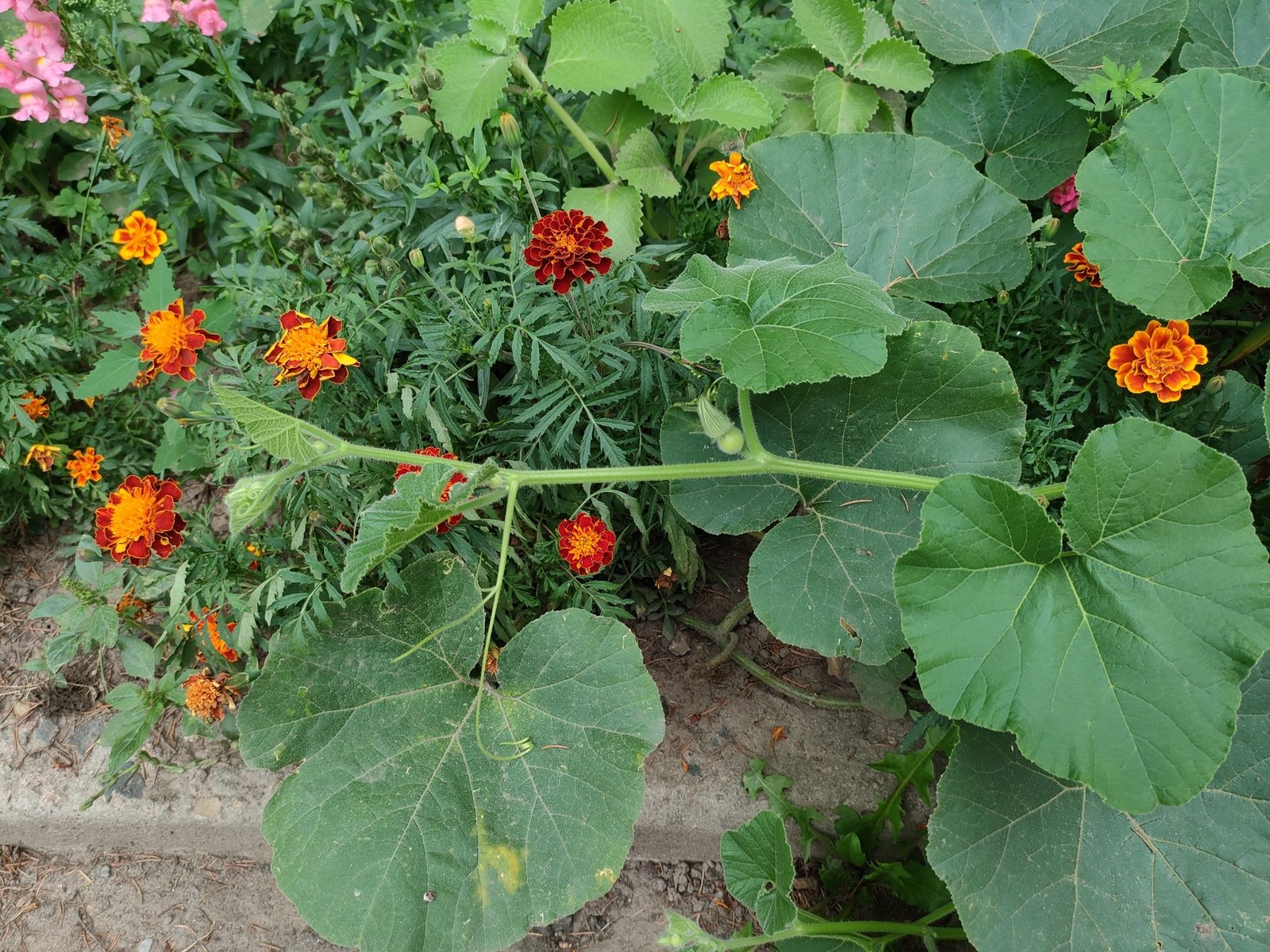
Blue Hubbard is a vigorous winter squash grown as an annual for its large, blue-grey, hard-skinned fruits and dense orange flesh. The fruits store well and suit roasting, soups and pies, but the sprawling vines need plenty of space and a long, warm growing season.
At a glance
- Sun
- Full sun, with at least 6-8 hours of direct sunlight daily; choose a warm, sheltered position in cool climates.
- Water
- Keep soil evenly moist, particularly during flowering and fruit swelling. Water deeply at soil level rather than frequently wetting the leaves.
- Soil
- Deep, fertile, well-drained soil enriched with compost or well-rotted manure; slightly acidic to neutral soil is ideal.
- Height
- 1-2 ft (0.3-0.6 m), excluding any climbing growth
- Spread
- 10-20 ft (3-6 m)
- Flowers
- Large yellow-orange flowers from summer into early autumn; separate male and female flowers grow on the same plant.
- Foliage
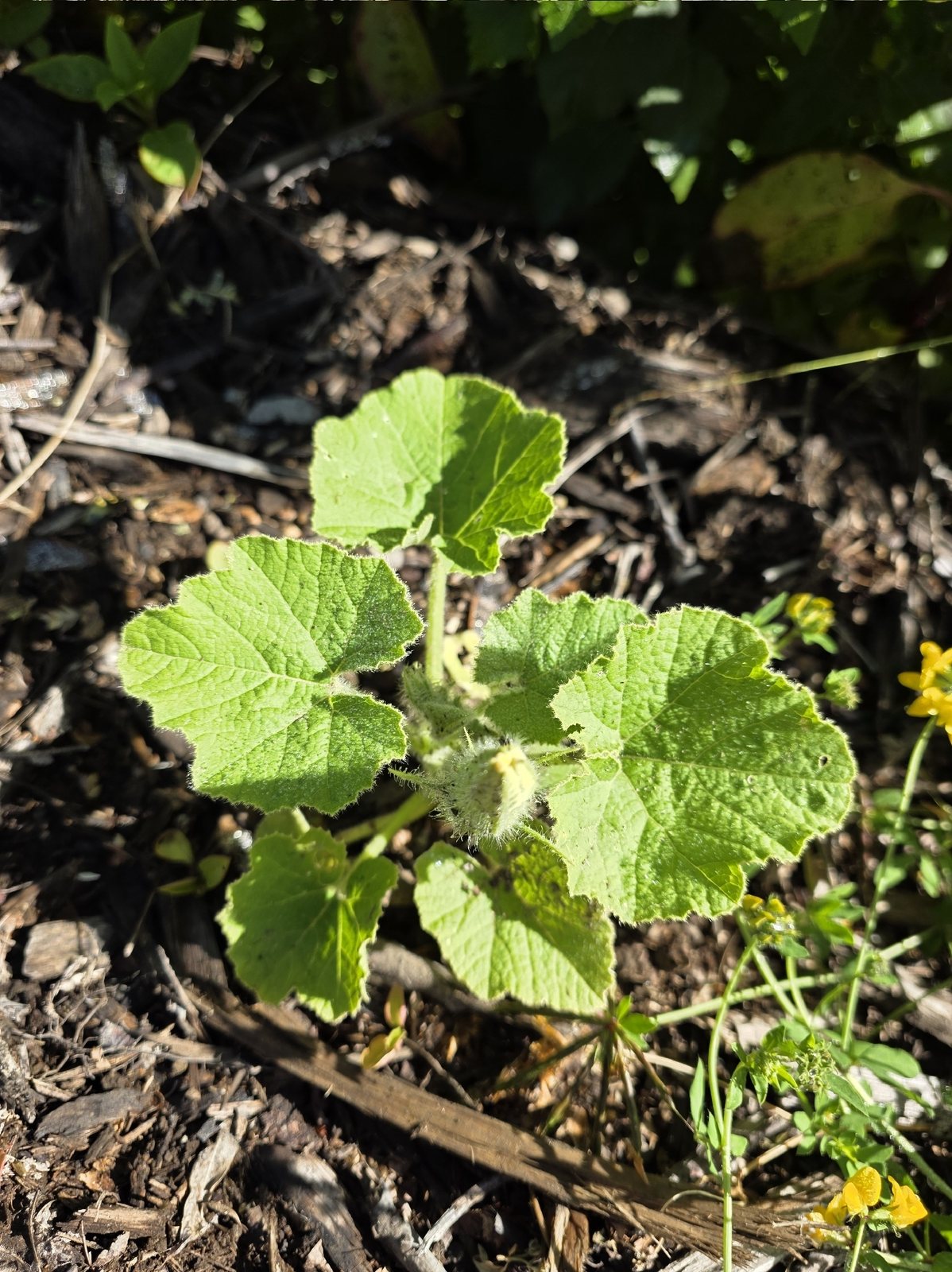
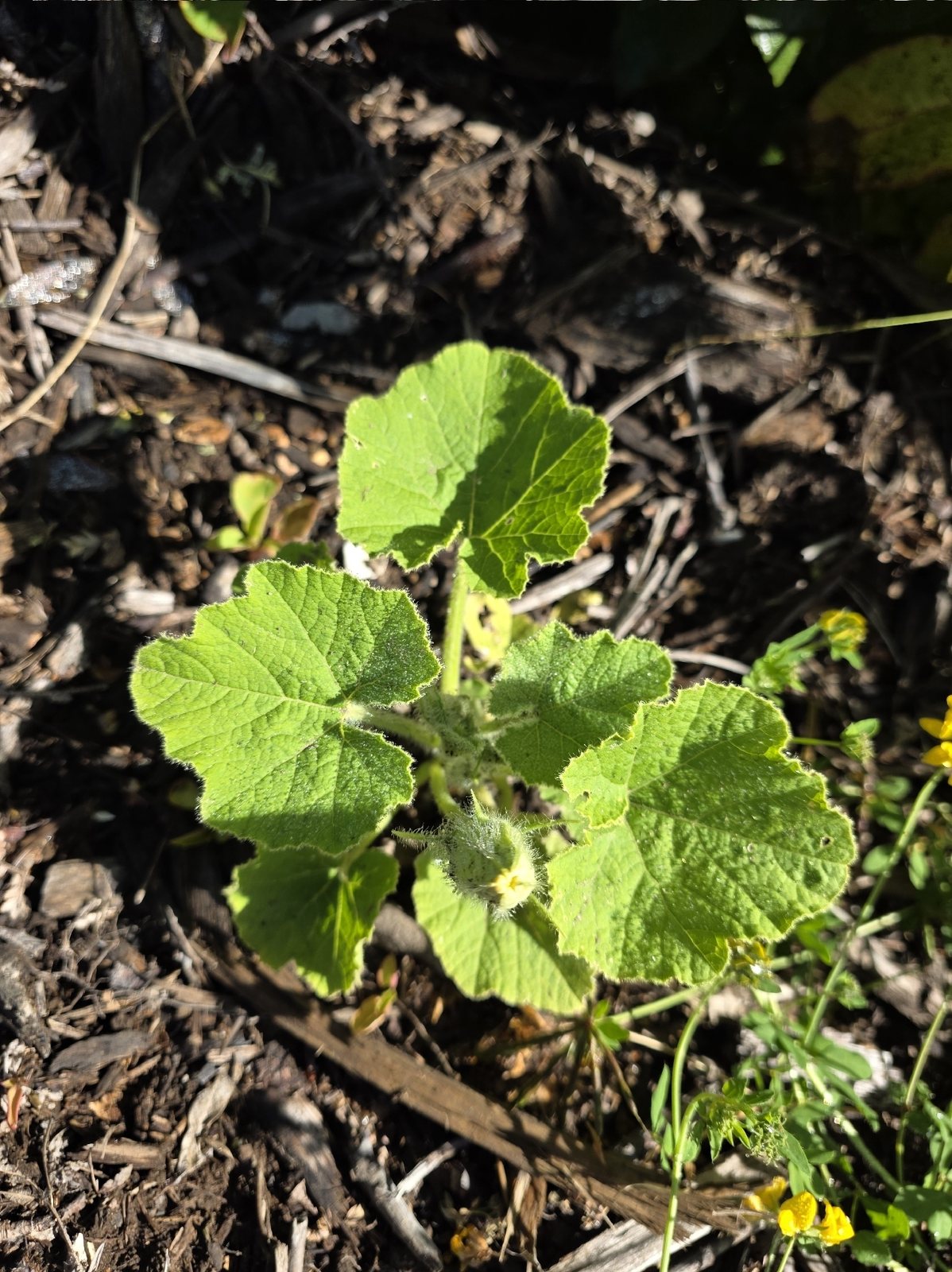
- Large, broad, roughly heart-shaped green leaves with coarse hairs, carried on long, trailing stems.
- Growth
- Fast in warm weather.
- Care needed
- Medium
The year at a glance
- Pollinators
- Low allergen
- Edible
| J | F | M | A | M | J | J | A | S | O | N | D | |
|---|---|---|---|---|---|---|---|---|---|---|---|---|
| Flowers | ||||||||||||
| Fruit | ||||||||||||
| Plant |
Northern hemisphere months. In Australia, shift them by six.
- Difficulty
- Moderate
- Toughness
- Fairly tough
Will it suit your garden?
Pick your zone, country, light and whether you have pets.
Full sun is 6 or more hours of direct sun a day, part shade 3 to 6 hours, shade under 3.
How it grows
Planting day
0.5 ft (0.15 m)
After 1 year
1.5 ft (0.45 m)
full size
Full size in one season.
From a typical nursery size, at an average rate for this kind of plant. A rule of thumb, not a forecast.
Good to know
- Cats and dogs
- Safe
- Growth rate
- Fast
Care
Jobs through the year
- FeedApr–May
- Incorporate compost before planting; add balanced feed only as soil fertility requires.
- WaterMay–Jun, Sep–Oct, every 7 days
- Water established roots deeply if rain is insufficient; keep new transplants consistently moist.
- WaterJul–Aug, every 3 days
- Maintain even moisture during flowering and fruit swelling, adjusting for rain and drainage.
- MulchJun
- Mulch warmed soil, keeping material away from stem bases.
- ProtectMay–Jun
- Protect seedlings from pests; remove insect mesh when flowers open for pollination.
- ProtectJul–Sep
- Place developing squash on dry straw or boards to prevent soil-contact rot.
- HarvestSep–Oct
- Cut mature hard-rinded squash before frost, retaining several inches of stalk; cure for 10–14 days.
- ProtectJan–Feb, Nov–Dec, every 14 days
- Inspect stored squash and use deteriorating fruit promptly; keep storage cool, dry and frost-free.
- Plant out only after frost danger has passed and soil has warmed to at least 60°F (16°C); harden off indoor-raised plants first.
- Allow roughly 6-8 ft (1.8-2.4 m) between plants and leave room for vines to run beyond their planting positions.
- Mix compost into the planting area, then feed according to soil fertility; avoid excessive nitrogen, which encourages leaves rather than fruit.
- Mulch once the soil is warm to conserve moisture and suppress weeds, keeping mulch away from the stem base.
- Place developing fruits on dry straw or boards to keep them off wet soil.
- If fruit repeatedly fails to set, transfer pollen from a freshly opened male flower to a female flower in the morning.
Pruning. Routine pruning is unnecessary; guide young vines into their allotted space without damaging them. In late summer, you can pinch out growing tips beyond established fruits to limit further spread, but retain healthy leaves to feed and shade the crop.
Harvest
Pick mature fruits in autumn before frost, usually about 100-120 days from sowing, although cool weather can delay ripening; the rind should resist a thumbnail and the stalk should be hard and drying. Cut rather than pull, leaving several inches of stalk attached, and do not carry fruits by the stalk. Cure undamaged fruits in a warm, dry, airy place for about 10-14 days, then store somewhere cool, dry and frost-free.
Through the year
- Early spring
- Prepare a sunny bed with compost and reserve enough space for long vines.
- Mid to late spring
- Sow indoors in individual pots about 3-4 weeks before your expected planting-out date.
- Late spring to early summer
- Harden off and plant after the last frost once soil is warm, or direct-sow in warm soil.
- Summer
- Water deeply, mulch warm soil and check flowers for bee visits and successful fruit set.
- Late summer
- Keep developing fruits off damp ground and check leaves for mildew and pest damage.
- Autumn
- Harvest mature fruits before frost, cure them and remove spent vines.
- Winter
- Inspect stored squash regularly and use any showing soft spots or deterioration promptly.
In the garden
- Let vines run along the sunny edge of a large vegetable garden, away from paths and smaller crops.
- Use in a spacious potager for bold leaves, yellow flowers and conspicuous blue-grey fruits.
- Plant beside a compost-enriched growing area where vigorous seasonal ground cover is useful.
- Combine with upright edible crops in a broad kitchen-garden layout, keeping their root zones and foliage clear of the squash vines.
Garden styles it suits: Potager (kitchen garden), Farmhouse, Homestead, Edible landscape, Cottage garden and Family-friendly.
Plant it with: Sweetcorn, Sunflowers, Nasturtiums, Calendula, Borage and Dill.
Wildlife: Flowers provide pollen and nectar for bees, including specialist squash bees in parts of North America. Avoid insecticides on open flowers; bees are important for fruit set.
Problems to watch for
- Powdery mildew: white patches develop on leaves, especially later in the season; allow good airflow, avoid drought stress and remove badly affected leaves without stripping the plant.
- Squash bugs and cucumber beetles, especially in North America: inspect young plants and leaf undersides, remove insects and eggs, and use insect mesh before flowering, removing it when pollinators need access.
- Poor fruit set: cold weather, heat or limited pollination can cause tiny fruits to yellow and drop; maintain even moisture and hand-pollinate newly opened female flowers when necessary.
- Fruit rot: damp soil or damaged skins can cause decay; support fruits on dry material, improve drainage and harvest before frost damages the rind.
Safety
Normal cultivated Blue Hubbard squash is not known to be toxic to people, cats, dogs or horses. The hard rind, stalks and large raw pieces can cause choking or digestive problems if eaten. Exceptionally bitter squash may contain harmful cucurbitacins: do not eat it or feed it to animals, and discard the whole fruit because cooking does not remove these toxins.
Easily confused with
Queensland Blue squash (Cucurbita maxima 'Queensland Blue')
Queensland Blue generally has a flattened, rounded shape with pronounced ribs; Blue Hubbard is usually elongated or teardrop-shaped, with tapered ends and a rougher rind.
Buttercup squash (Cucurbita maxima 'Buttercup')
Buttercup is usually smaller, dark green and squat, often with a distinct button at the blossom end; Blue Hubbard has a blue-grey rind and elongated, tapered shape.
The name
The species name maxima is Latin for 'largest', referring to the large fruits produced by members of this species.
Propagation. Grow from seed, sown about 1 in (2.5 cm) deep in warm compost or soil. Sow indoor plants in individual pots and transplant while young to minimise root disturbance. Saved seed may not come true if bees have cross-pollinated the flowers with other Cucurbita maxima varieties nearby.
Checked against open data
- Accepted botanical name
- Cucurbita maxima
- In the US and Canada
- Introduced in the lower 48 states, Pacific Basin and Puerto Rico.
- Native range
- Argentina Northeast, Argentina Northwest and Bolivia.
- Measured
- Average height 500 cm.
Sources: GBIF (CC BY 4.0), USDA PLANTS and Trefle (CC BY 4.0). The care and design notes are LandscapeGPT's own.
See it in your own yard.
Upload a photo of your yard and see it redesigned with plants that suit your climate, each checked against your zone.