Bunny ears cactus
Opuntia microdasys. Family Cactaceae. Succulent.
Also called Polka-dot cactus, Angel's wings cactus.
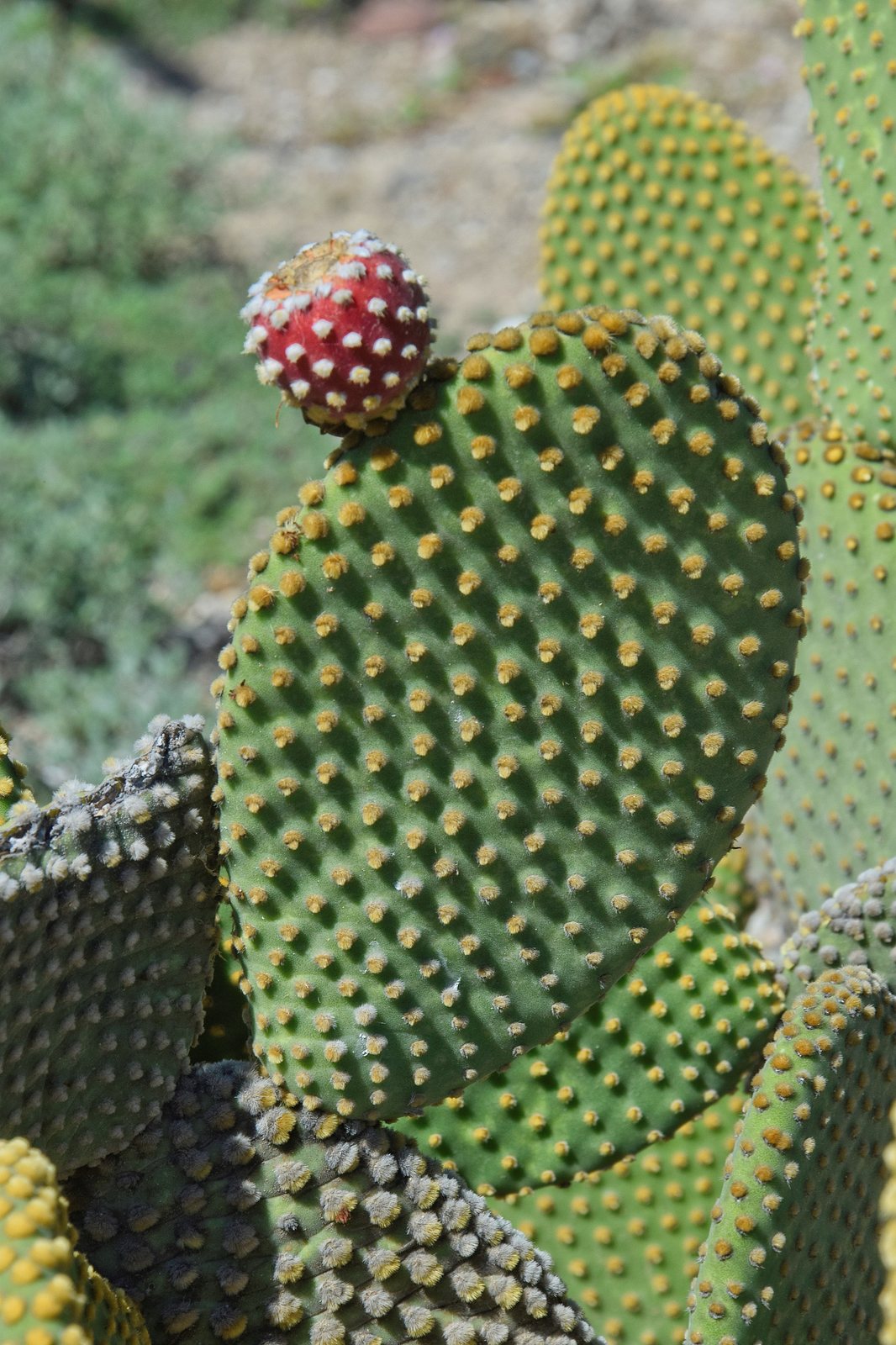
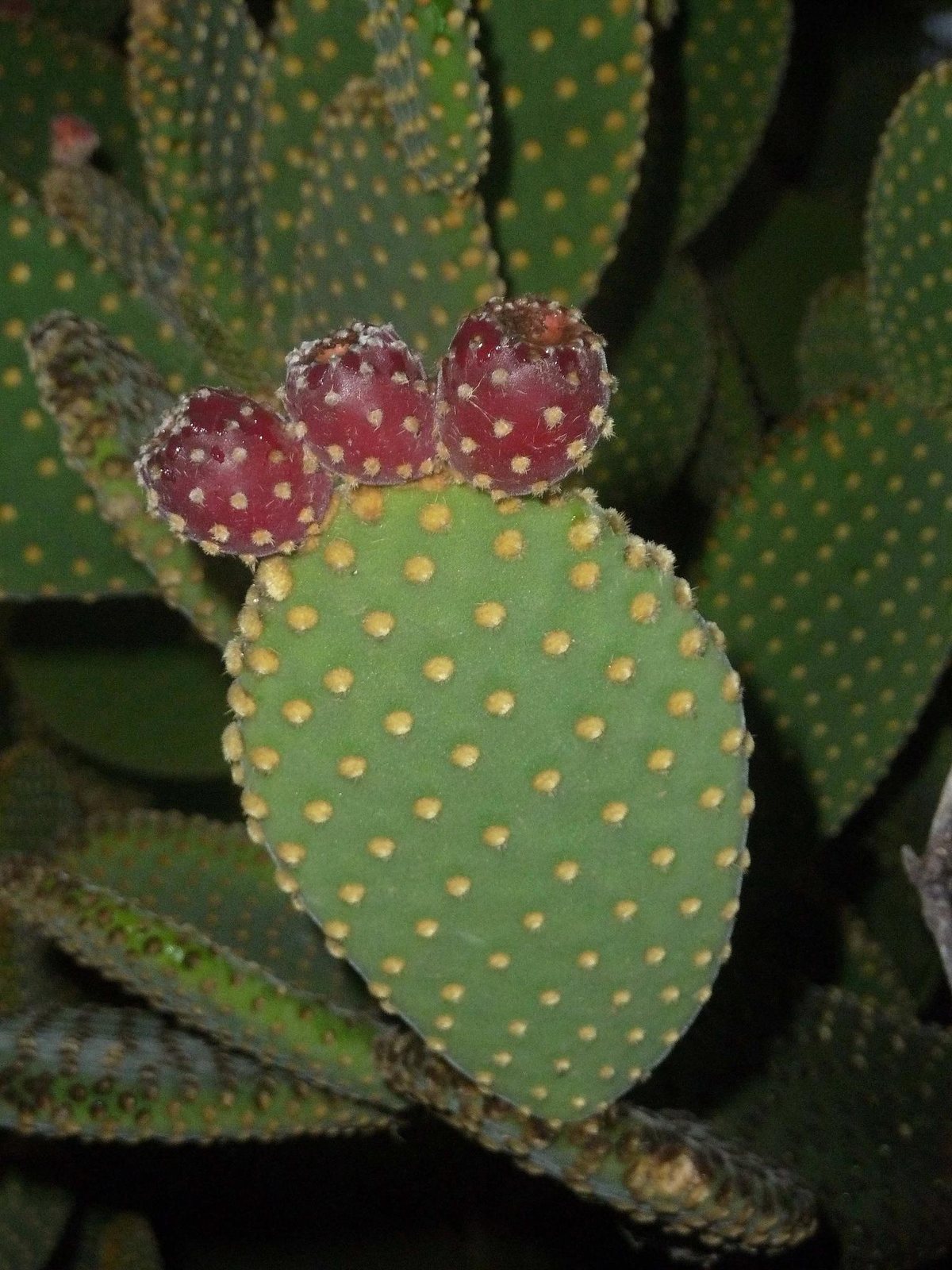
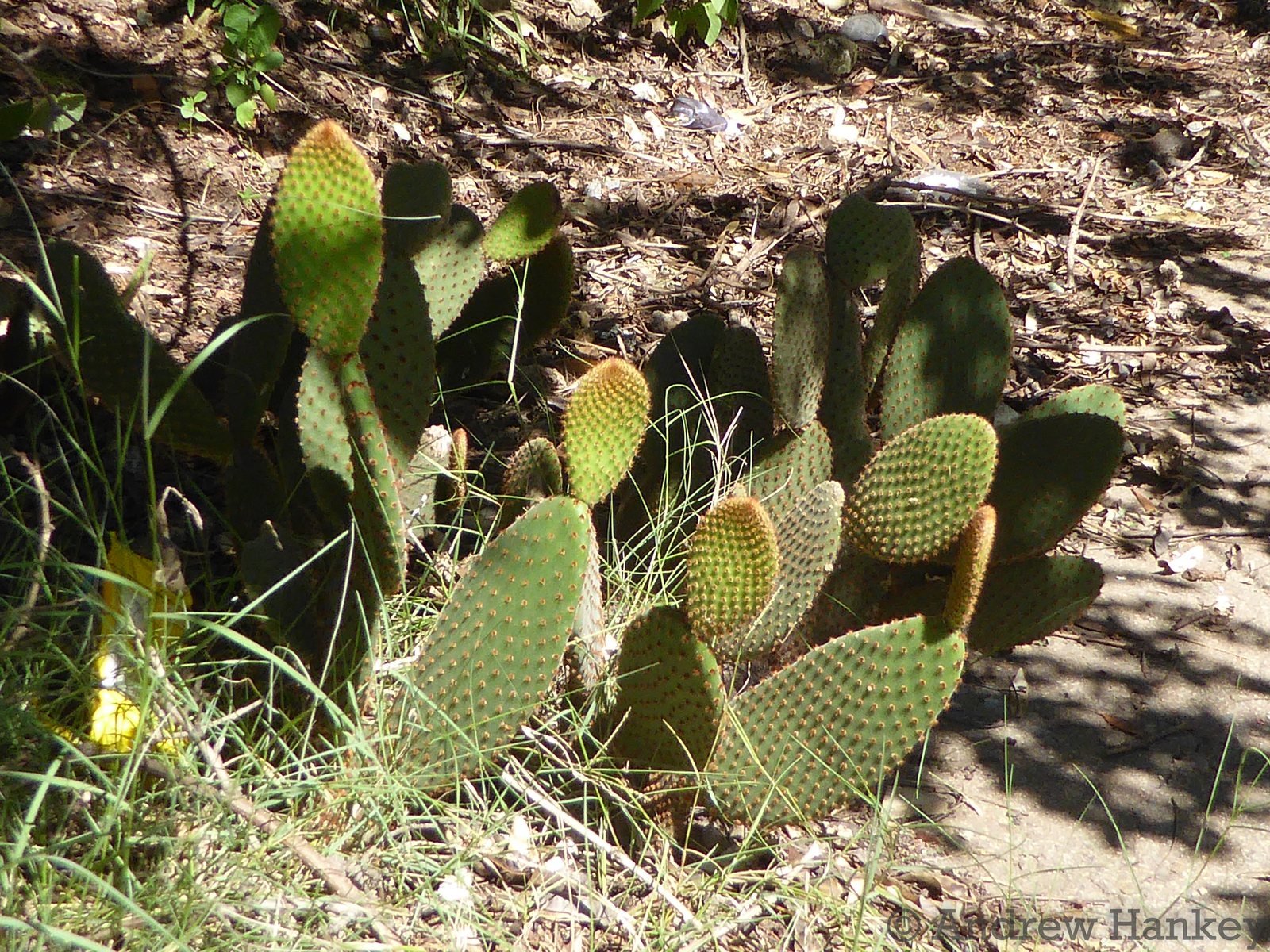
Bunny ears cactus is a shrubby Mexican cactus grown for its paired, oval pads and neat dots of tiny bristles. It suits sunny containers and dry, frost-free gardens, but those easily detached bristles make it unsuitable beside paths or anywhere children and pets might brush against it. In colder climates, grow it in a pot and overwinter it indoors.
At a glance
- Sun
- Full sun outdoors; the brightest available sunny position indoors. Acclimatise indoor plants gradually before putting them into strong outdoor sun.
- Water
- Water thoroughly, then let the potting mix dry completely. Keep almost dry during a cool winter rest; established outdoor plants need little supplementary water in dry climates.
- Soil
- Sharply drained, gritty cactus compost in containers, or sandy, gravelly soil outdoors. Avoid heavy clay, standing water and moisture-retentive planting pockets.
- Height
- 2-3 ft (0.6-0.9 m)
- Spread
- 3-5 ft (0.9-1.5 m)
- Flowers
- Yellow flowers in late spring or summer on mature plants; flowering is uncommon indoors.
- Foliage
- Evergreen, flattened green stem pads dotted with white or yellow clusters of tiny barbed bristles called glochids; true leaves are minute and short-lived.
- Growth
- Slow to moderate; faster in warm, sunny conditions.
- Care needed
- Low
The year at a glance
- Pollinators
- Deer resistant
- Drought tolerant
- Heat tolerant
- Low allergen
| J | F | M | A | M | J | J | A | S | O | N | D | |
|---|---|---|---|---|---|---|---|---|---|---|---|---|
| Flowers | ||||||||||||
| Fruit | ||||||||||||
| Plant |
Northern hemisphere months. In Australia, shift them by six.
- Difficulty
- Moderate
- Toughness
- Very tough
Will it suit your garden?
Pick your zone, country, light and whether you have pets.
Full sun is 6 or more hours of direct sun a day, part shade 3 to 6 hours, shade under 3.
How it grows
Planting day
0.8 ft (0.25 m)
After 1 year
1.1 ft (0.33 m)
After 2 years
1.4 ft (0.42 m)
After 3 years
1.6 ft (0.5 m)
After 5 years
2.2 ft (0.67 m)
About 6 years to full size.
From a typical nursery size, at an average rate for this kind of plant. A rule of thumb, not a forecast.
Good to know
- Cats and dogs
- Safe
- Invasive in
- Australia
- In the garden
- Spreads vigorously: plan to contain it.
- Growth rate
- Moderate
Care
Jobs through the year
- WaterApr–May, Sep, every 21 days
- In this climate grow in a draining pot; water only when the mix is completely dry.
- WaterJun–Aug, every 14 days
- Water thoroughly only if the potting mix is completely dry; empty the saucer.
- WaterJan–Mar, Oct–Dec, every 42 days
- Under cool, frost-free cover, give a little water only if pads begin to shrivel.
- FeedMay–Jul, every 30 days
- Apply a light, label-rate cactus feed during active growth.
- PruneApr–Jun
- Remove unwanted or damaged pads at joints using long tongs; contain all cut material.
- ProtectJan–May, Sep–Dec
- Keep bright and frost-free; bring pots inside before nights fall below 5°C.
- ProtectJun
- Move outdoors only in reliably mild weather and introduce direct sun gradually.
- Use a pot with drainage holes and a gritty cactus mix; empty any saucer after watering.
- During active growth, water only once the mix has dried completely; reduce watering sharply in winter.
- Feed lightly with a low-nitrogen cactus fertiliser during spring and summer, following the label.
- Move pots under cover before frost, preferably before night temperatures fall below 5°C.
- Handle with long tongs rather than bare hands; glochids can penetrate gloves and lodge in clothing.
Pruning. In spring or early summer, remove damaged or unwanted pads at their joints with clean tools and long tongs. Let wounds dry naturally, and contain all cut material so detached pads cannot root outdoors.
Through the year
- Spring
- Check for mealybugs and resume watering gradually as new growth begins.
- Spring
- Repot only if crowded, using a slightly larger pot and fresh gritty cactus mix.
- Late spring
- Move overwintered pots outside once nights are reliably mild, introducing direct sun gradually.
- Summer
- Water after the mix dries completely and feed lightly during active growth.
- Early autumn
- Stop feeding and reduce watering as growth slows.
- Late autumn
- Bring pots into a bright, frost-free place in cold or winter-wet climates.
- Winter
- Keep cool plants almost dry and check that the pads remain firm rather than soft or rotting.
In the garden
- Use a single specimen in a simple terracotta or concrete pot to show off its branching pad shapes.
- Combine with agaves, aloes and low succulents in a sunny, frost-free gravel garden.
- Place in a raised, sharply drained bed against a warm wall, well back from access routes.
- Group with other container cacti in a bright conservatory, leaving space for safe handling.
Garden styles it suits: Desert modern, Desert / xeriscape, Architectural minimal, Dry gravel garden, Southwestern and Mexican hacienda.
Plant it with: Queen Victoria agave, Golden barrel cactus, Fairy washboard, Mexican snowball and Blue chalksticks.
Wildlife: Flowers can provide pollen for bees where plants bloom outdoors. It is not a suitable touch-friendly wildlife planting because the glochids can injure visiting animals.
Problems to watch for
- Root or stem rot: soft, darkened pads usually indicate excess moisture or cold, wet conditions. Remove affected tissue, allow cuts to dry and replant sound material in fresh, sharply drained mix.
- Mealybugs and scale: inspect pad joints and bristle clusters; isolate affected plants and use a treatment labelled for cacti, testing a small area first.
- Long, thin or weak new pads: provide stronger light, increasing exposure gradually to avoid scorching.
- Sunburn or cold damage: move plants gradually into outdoor sun and shelter them from frost; permanently damaged areas will not turn green again.
Safety
Not known to be chemically toxic to people, cats, dogs or horses. All pads, and potentially flowers and fruits, carry or can become contaminated with tiny barbed glochids that cause painful skin irritation and potentially serious eye or mouth injuries. Do not treat it as an edible cactus; seek medical or veterinary advice for eye exposure or suspected ingestion.
Where it spreads. An invasive prickly pear in Australia, including Queensland and New South Wales, where sale, keeping or movement is restricted or prohibited under weed rules. Check your state or territory requirements before obtaining it. Detached pads root readily; never dump garden waste in bushland.
Easily confused with
Blind prickly pear (Opuntia rufida)
Usually has larger, rounder, grey-green pads with rusty reddish-brown glochid clusters. Brown-bristled forms of bunny ears cactus can be difficult to distinguish without a reliable label.
Indian fig (Opuntia ficus-indica)
Develops much larger pads and eventually a substantial woody trunk; its pads lack the dense, evenly spaced polka-dot appearance typical of bunny ears cactus.
The name
Bunny ears refers to the paired oval pads, while microdasys means small or finely hairy, referring to the clusters of tiny bristles.
Propagation. Where growing and propagation are legal, detach a healthy pad in spring or summer using tongs. Let the wound callus in a dry, shaded place for about a week, or longer if still moist, then stand the base in dry, gritty cactus mix. Keep warm and bright out of harsh sun, watering sparingly while roots form.
Checked against open data
- Accepted botanical name
- Opuntia microdasys
- In the US and Canada
- Introduced in the lower 48 states.
- Native range
- Mexico Gulf, Mexico Northeast, Mexico Northwest and Mexico Southwest.
Sources: GBIF (CC BY 4.0), USDA PLANTS and Trefle (CC BY 4.0). The care and design notes are LandscapeGPT's own.
See it in your own yard.
Upload a photo of your yard and see it redesigned with plants that suit your climate, each checked against your zone.