Bush bean
Phaseolus vulgaris. Family Fabaceae. Annual.
Also called Dwarf French bean, Dwarf bean, Bush snap bean.
Bush beans are compact, non-climbing forms of Phaseolus vulgaris, grown as an annual for tender pods or mature beans. They crop without a tall support and suit vegetable beds, raised beds and containers; pod colour and harvest use depend on the variety.
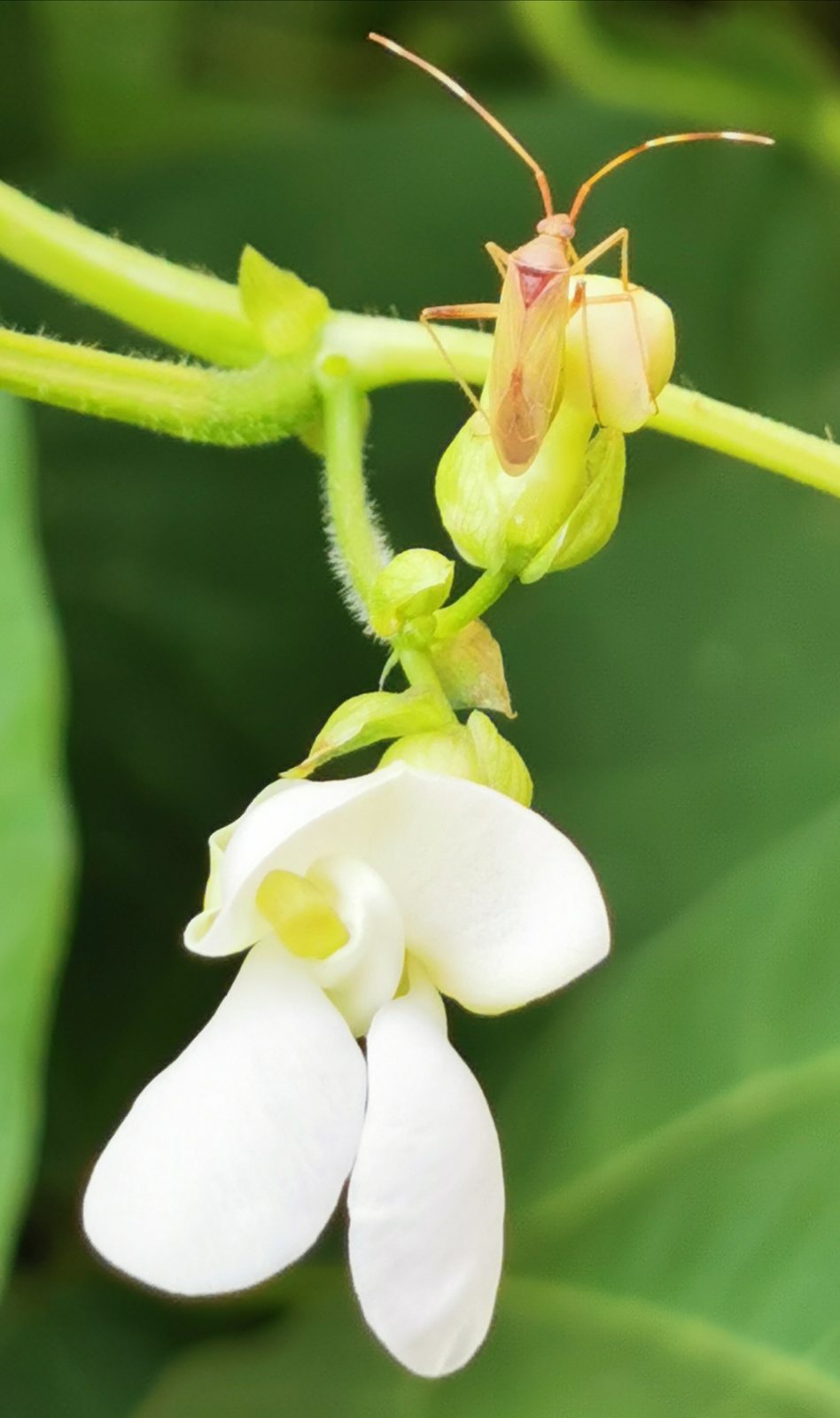
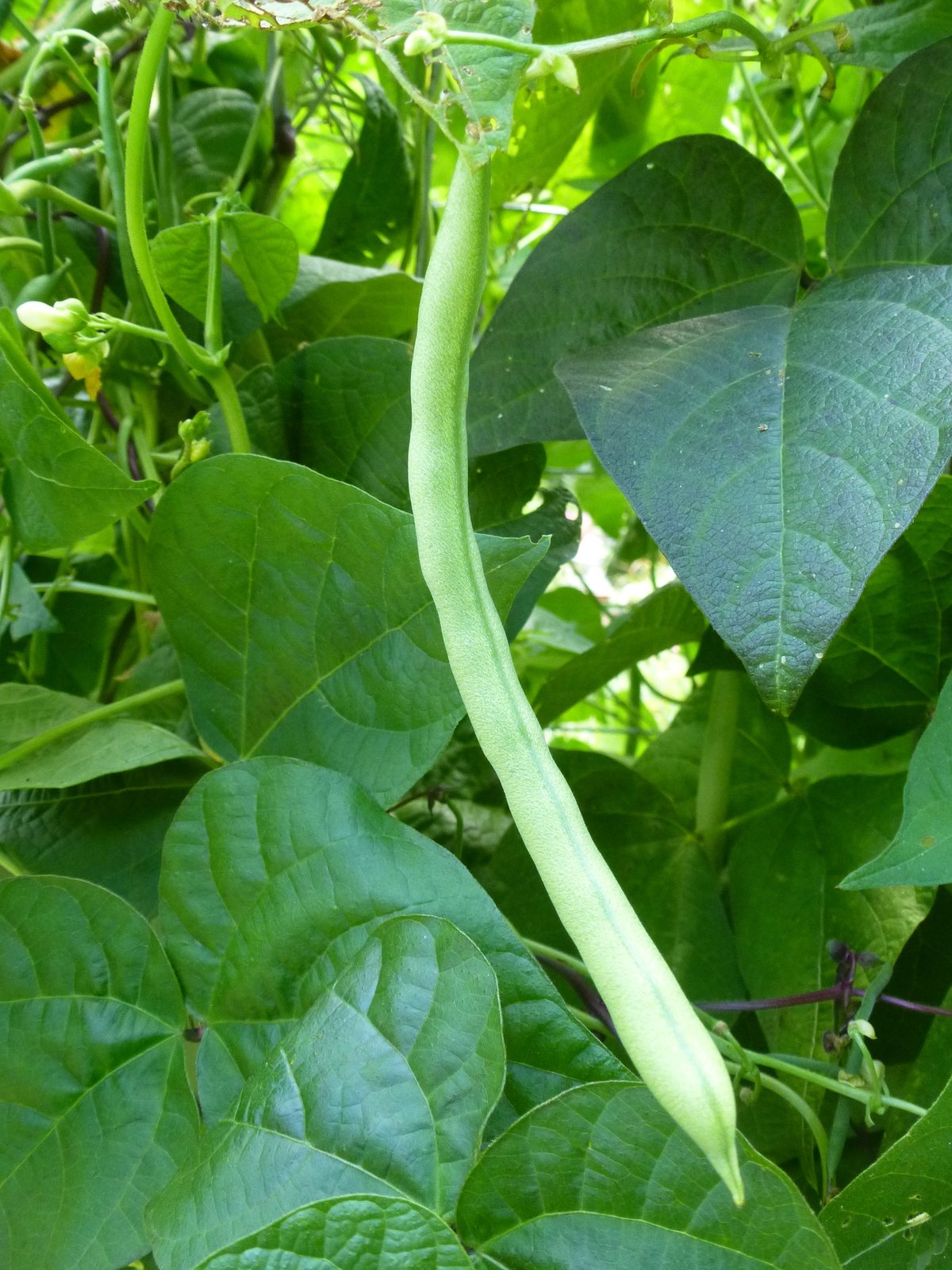
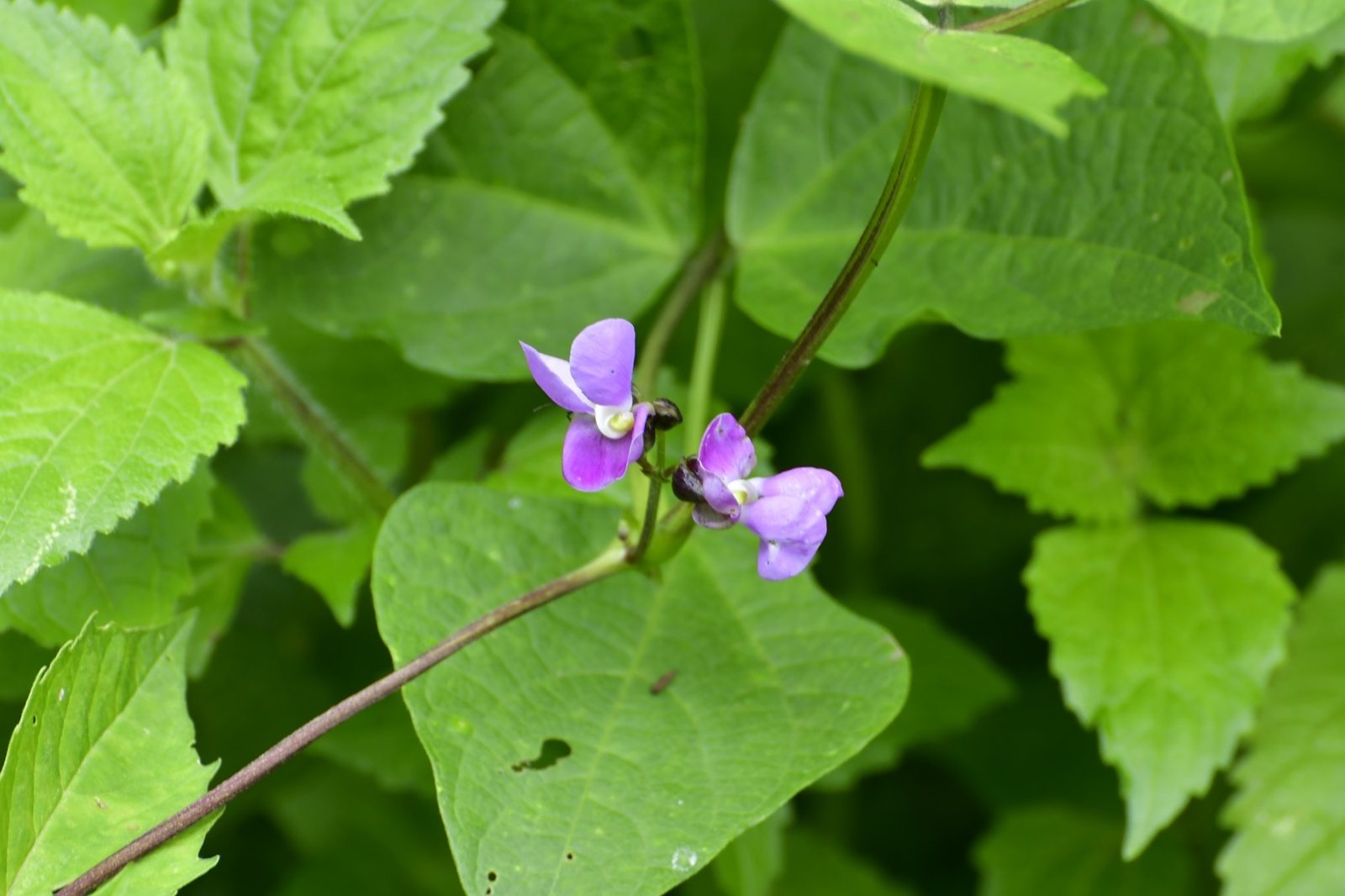
At a glance
- Sun
- Full sun, ideally at least 6 hours daily; light afternoon shade can help in very hot climates.
- Water
- Keep soil evenly moist, especially during flowering and pod development. Water at soil level rather than wetting the leaves.
- Soil
- Fertile, well-drained soil, ideally pH 6.0-7.0; avoid cold, waterlogged ground.
- Height
- 1-2 ft (0.3-0.6 m)
- Spread
- 1-1.5 ft (0.3-0.45 m)
- Flowers
- Summer into early autumn, depending on sowing time; small white, pink or lilac pea-shaped flowers.
- Foliage
- Green leaves divided into three broad, pointed leaflets, forming a low, bushy canopy.
- Growth
- Fast; many snap-bean varieties begin cropping about 7-9 weeks after sowing in warm conditions.
- Care needed
- Medium
The year at a glance
- Pollinators
- Low allergen
- Edible
| J | F | M | A | M | J | J | A | S | O | N | D | |
|---|---|---|---|---|---|---|---|---|---|---|---|---|
| Flowers | ||||||||||||
| Fruit | ||||||||||||
| Plant |
Northern hemisphere months. In Australia, shift them by six.
- Difficulty
- Easy
- Toughness
- Fairly tough
Will it suit your garden?
Pick your zone, country, light and whether you have pets.
Full sun is 6 or more hours of direct sun a day, part shade 3 to 6 hours, shade under 3.
How it grows
Planting day
0.5 ft (0.15 m)
After 1 year
1.5 ft (0.45 m)
full size
Full size in one season.
From a typical nursery size, at an average rate for this kind of plant. A rule of thumb, not a forecast.
Good to know
- Cats and dogs
- Toxic
- Growth rate
- Fast
Care
Jobs through the year
- MulchMar–Apr
- Work mature compost into the bed before sowing; avoid heavy nitrogen feeding.
- WaterMay, every 7 days
- Water established seedlings if rainfall is insufficient; check newly sown rows more often and avoid cold, sodden soil.
- WaterJun–Aug, every 4 days
- Water established plants at soil level during dry weather, maintaining steady moisture through flowering and pod growth.
- WaterSep–Oct, every 7 days
- Water actively cropping plants if soil is drying; reduce watering as designated dry-bean pods mature.
- MulchJun
- Mulch after the soil warms, keeping material away from stems.
- ProtectMay–Jul
- Check emerging seedlings for slugs and protect from rabbits where necessary.
- HarvestJul–Oct
- Pick snap beans while tender, before seeds bulge; leave designated dry beans until pods are brown and papery.
- Sow after the last frost when soil has warmed to at least 60°F (16°C); space plants according to the seed packet.
- Water deeply during dry spells, keeping moisture steady while flowers and pods develop.
- Work mature compost into the bed before planting; avoid heavy nitrogen feeding, which encourages leaves rather than pods.
- Mulch once the soil is warm, keeping mulch clear of the stems.
- Most varieties need no staking; use short twiggy supports if plants flop in an exposed position.
- Pick snap beans frequently while pods are tender; leave shelling and dry-bean varieties to mature as appropriate.
Pruning. No routine pruning or pinching is needed. Remove badly diseased material promptly, and clear plants after their final harvest or the first killing frost.
Harvest
For fresh eating, pick bush bean pods about 50–70 days after sowing, while they are firm and tender, before the seeds bulge noticeably. Harvest every 2–3 days, holding the stem while you pinch or snip off each pod to avoid damaging the plant. If growing a dry-bean variety, leave pods until brown and papery with hard seeds inside, then pick before wet weather and finish drying indoors.
Through the year
- Early spring
- Choose a sunny bed and add mature compost if the soil needs improvement.
- Late spring
- Direct-sow after frost danger has passed and the soil is warm; protect emerging seedlings from slugs.
- Early summer
- Thin crowded seedlings, mulch warm soil and make another sowing for a later crop.
- Summer
- Water consistently during flowering and pod development; check leaf undersides for pests.
- Summer to early autumn
- Harvest tender pods every few days, or allow designated dry-bean plants to mature fully.
- Autumn
- Clear finished plants before pods scatter seed; compost healthy material and remove diseased debris.
In the garden
- Plant in short rows or blocks in a potager for a low, productive layer beside taller vegetables.
- Use in large containers on a sunny patio, with enough space to reach the pods easily.
- Edge raised vegetable beds with compact plants that do not need a trellis.
- Combine green-, yellow- and purple-podded varieties for colour in an edible border.
Garden styles it suits: Potager (kitchen garden), Edible landscape, Homestead, Cottage garden, Family-friendly and Small-space.
Plant it with: Carrot, Lettuce, Radish, Swiss chard, Sweet alyssum and Calendula.
Wildlife: Flowers may attract bees, although common beans are largely self-pollinating. Slugs, rabbits and deer may eat young plants.
Problems to watch for
- Slugs and snails eat emerging seedlings: inspect after dark, remove hiding places and use an approved iron-phosphate bait if needed.
- Aphids cluster on soft shoots: wash small colonies off with water and encourage ladybirds and other predators.
- Bean rust and bacterial leaf diseases cause spots or pustules: choose resistant varieties, avoid handling wet plants, improve spacing and remove infected debris.
- Poor germination or dropped flowers: sow only in warm, well-drained soil; keep flowering plants evenly watered, and expect reduced pod set during extreme heat.
Safety
Raw or undercooked seeds contain lectins and can cause substantial vomiting, abdominal pain and diarrhoea in people; red kidney beans are especially hazardous. Keep raw dried beans away from cats, dogs and horses as well, since ingestion may cause poisoning. Cook mature beans thoroughly using established food-safety guidance; a slow cooker alone may not destroy the lectins. Tender snap pods are normally eaten cooked.
Easily confused with
Pole bean (Phaseolus vulgaris)
The same species, but climbing forms produce long, twining stems that need support; bush beans remain compact.
Runner bean (Phaseolus coccineus)
Usually a vigorous climber with larger flower clusters, often scarlet, and longer, rougher pods; dwarf and white-flowered forms also exist.
Broad bean (Vicia faba)
Has stout upright stems, grey-green leaves with several leaflets rather than three, and white flowers usually marked with black.
The name
The common name describes its compact, bushy habit, while the Latin species name vulgaris means common.
Propagation. Grow from seed, preferably sown directly about 1-1.5 in (2.5-4 cm) deep in warm soil. In short-season areas, start individual seeds indoors in pots a few weeks before the last frost and transplant carefully without disturbing the roots.
Checked against open data
- Accepted botanical name
- Phaseolus vulgaris
- In the US and Canada
- Introduced in the lower 48 states, Pacific Basin, Puerto Rico and US Virgin Islands.
- Native range
- Costa Rica, Guatemala, Honduras, Mexico Central, Mexico Gulf, Mexico Northeast, Mexico Northwest, Mexico Southeast, Mexico Southwest, Nicaragua, Panamá and Argentina Northwest.
- Measured
- Soil pH 6.5 to 7. Average height 60 cm.
Sources: GBIF (CC BY 4.0), USDA PLANTS and Trefle (CC BY 4.0). The care and design notes are LandscapeGPT's own.
See it in your own yard.
Upload a photo of your yard and see it redesigned with plants that suit your climate, each checked against your zone.