Buttonbush
Cephalanthus occidentalis. Family Rubiaceae. Shrub.
Also called Common buttonbush, Button willow, Honey-bells.
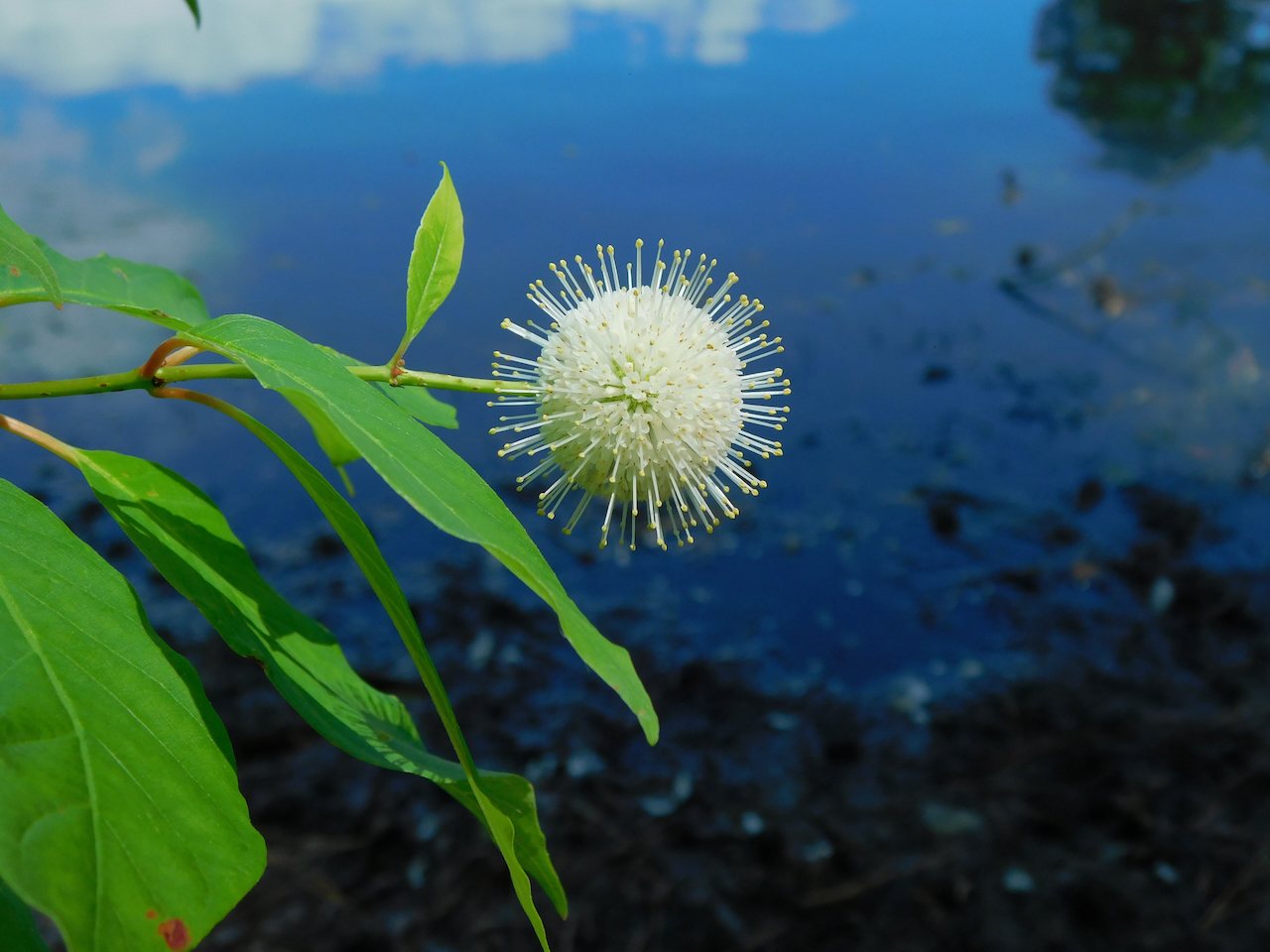
Buttonbush is a deciduous North American wetland shrub grown for its fragrant, creamy-white flower balls and strong appeal to pollinators. It is useful beside ponds and in rain gardens, where its loose, rounded shape has room to develop. Choose it for reliably moist ground rather than a dry border.
At a glance
- Sun
- Full sun to partial shade; flowering is best in full sun.
- Water
- Keep the soil consistently moist to wet. Established plants tolerate periodic flooding and shallow standing water, but prolonged drought causes stress.
- Soil
- Moisture-retentive loam, clay or silty soil, preferably acidic to neutral. Tolerates poorly drained ground.
- Height
- 6-12 ft (1.8-3.7 m), occasionally taller in favourable wet sites
- Spread
- 4-8 ft (1.2-2.4 m)
- Flowers
- Summer to early autumn; fragrant, creamy-white spherical flower heads with projecting styles.
- Foliage
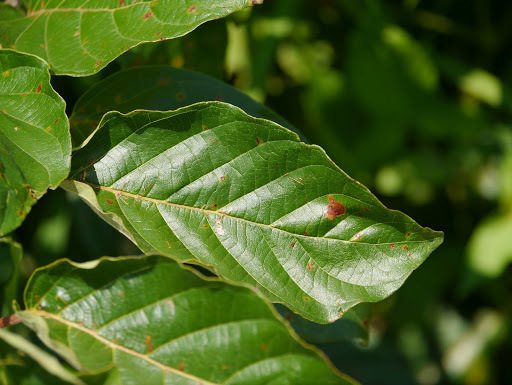
- Glossy green, oval leaves arranged in opposite pairs or whorls of three; autumn colour is usually yellow and can be modest.
- Growth
- Moderate to fast with adequate moisture
- Care needed
- Low
The year at a glance
- Pollinators
- Deer resistant
- Heat tolerant
- Wildlife
- Low allergen
- Fragrant
| J | F | M | A | M | J | J | A | S | O | N | D | |
|---|---|---|---|---|---|---|---|---|---|---|---|---|
| Flowers | ||||||||||||
| Fruit | ||||||||||||
| Plant |
Northern hemisphere months. In Australia, shift them by six.
- Difficulty
- Easy
- Toughness
- Fairly tough
Will it suit your garden?
Pick your zone, country, light and whether you have pets.
Full sun is 6 or more hours of direct sun a day, part shade 3 to 6 hours, shade under 3.
How it grows
Planting day
1.6 ft (0.5 m)
After 1 year
3 ft (1.1 m)
After 2 years
5 ft (1.6 m)
After 3 years
7 ft (2.2 m)
After 5 years
9 ft (2.8 m)
full size
About 4 years to full size.
From a typical nursery size, at an average rate for this kind of plant. A rule of thumb, not a forecast.
Good to know
- Cats and dogs
- Toxic
- Native to
- the US and Canada
- Growth rate
- Fast
Care
Jobs through the year
- WaterMar–May, Sep–Oct, every 7 days
- Water established shrubs if soil starts drying; skip irrigation in naturally wet ground and water young shrubs more often.
- WaterJun–Aug, every 3 days
- In drying garden soil, soak established shrubs to maintain moist roots; skip if soil remains wet.
- MulchApr
- Refresh organic mulch to 5–8 cm deep, keeping it away from stems.
- FeedMar–Apr
- Add a light compost dressing only where soil is poor.
- PruneFeb–Mar
- Remove dead or crossing wood and thin crowded stems; hard-prune only to renovate.
- PruneMay–Oct, every 30 days
- Remove unwanted suckers before they spread beyond the allotted space.
- Plant where the root zone stays moist, allowing room for a broad, multi-stemmed shrub.
- Water deeply during establishment and whenever the soil starts drying during prolonged dry weather.
- Apply 2-3 in (5-8 cm) of organic mulch, keeping it clear of the stems.
- On ordinary garden soil, use a light spring dressing of compost; routine fertiliser is usually unnecessary.
- Remove unwanted suckers if the shrub begins spreading beyond its allotted space.
Pruning. Prune in late winter or early spring, removing dead wood and thinning crowded stems at ground level. Flowers form on new growth, so an overgrown shrub can be cut back hard at this time, although routine hard pruning is unnecessary.
Through the year
- Late winter
- Remove dead or crossing branches and thin older stems if the centre is crowded.
- Early spring
- Plant while dormant or just before growth begins, then water thoroughly.
- Spring
- Refresh the mulch and add a light dressing of compost if the soil is poor.
- Early summer
- Check soil moisture as temperatures rise, especially around newly planted shrubs.
- Summer
- Water during dry spells and avoid spraying insecticides on flowers visited by pollinators.
- Autumn
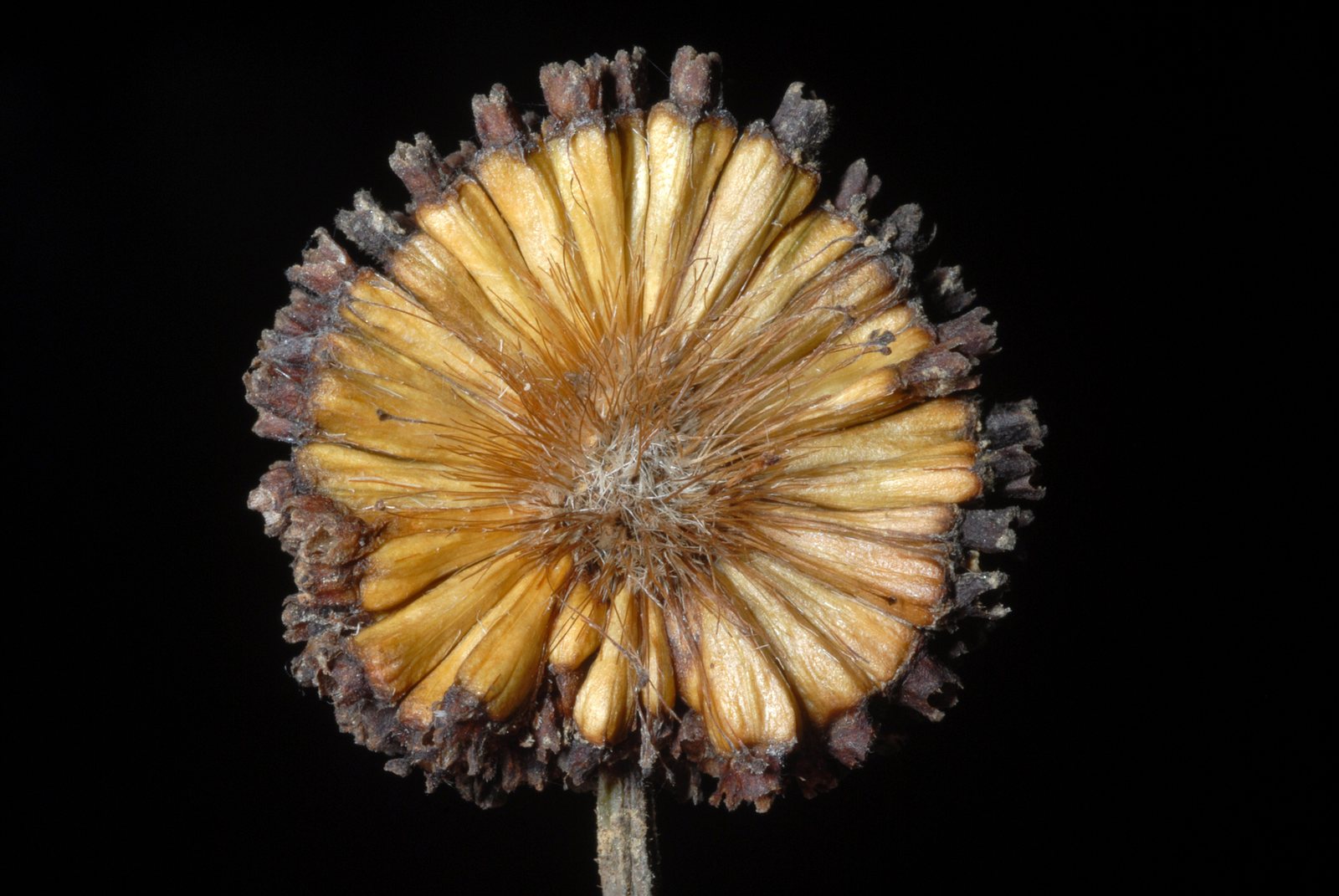
- Leave the rounded seed heads for birds and seasonal interest; remove unwanted seedlings or suckers.
In the garden
- Plant along pond margins to soften the transition between water and garden.
- Use in the wetter part of a rain garden with sedges and moisture-loving perennials.
- Group along a sunny woodland edge for an informal flowering shrub layer.
- Combine with Joe-Pye weed and swamp milkweed for a tall, summer-flowering pollinator planting.
Garden styles it suits: Bog garden, Wildlife garden, Pollinator garden, Woodland, Rewilded and New England.
Plant it with: Swamp milkweed, Joe-Pye weed, Blue flag iris, Tussock sedge, Cardinal flower and Winterberry holly.
Wildlife: The nectar-rich flowers attract bees, butterflies and other pollinating insects. Waterfowl and some other birds eat the seeds, while dense branches provide shelter near water. It is native across much of eastern and central North America, with additional populations farther west and south.
Problems to watch for
- Leaf scorch, wilting or early leaf drop in dry soil: water deeply, renew mulch and move the shrub if the site is persistently too dry.
- Sparse flowering in heavy shade: move to a sunnier position or reduce nearby shading where practical.
- Leaf spots in humid conditions: collect badly affected fallen leaves and thin crowded growth; established shrubs rarely need fungicide.
- Unwanted suckers or seedlings in wet ground: remove them while small and allow adequate space around the parent shrub.
Safety
Leaves and bark contain toxic compounds, and poisoning is documented in livestock, including horses. Ingestion can cause gastrointestinal and nervous-system symptoms and may be serious or fatal in quantity. Treat the plant as poisonous to people; specific evidence for cats and dogs is limited, so keep pets from chewing it and seek medical or veterinary advice after ingestion.
Easily confused with
Buttonwood (Conocarpus erectus)
Despite the similar common name, buttonwood is a frost-tender coastal shrub or tree with alternate, leathery leaves and small cone-like fruit clusters.
The name
Cephalanthus combines Greek words for 'head' and 'flower', referring to the spherical flower heads, while occidentalis means 'western'.
Propagation. Take softwood cuttings in early summer or separate rooted suckers while dormant. Seed can be sown in autumn and exposed to winter cold; seedlings vary and will not reliably reproduce named cultivars.
Checked against open data
- Accepted botanical name
- Cephalanthus occidentalis
- In the US and Canada
- Native in Canada and the lower 48 states.
- Native range
- Alabama, Arizona, Arkansas, Belize, California, Connecticut, Cuba, Florida, Georgia, Guatemala, Honduras and Illinois.
- Measured
- Average height 190 cm.
Sources: GBIF (CC BY 4.0), USDA PLANTS and Trefle (CC BY 4.0). The care and design notes are LandscapeGPT's own.
See it in your own yard.
Upload a photo of your yard and see it redesigned with plants that suit your climate, each checked against your zone.